Most of EU-member states have gone through a process from totalitarianism to a liberal democracy, membership of the Council of Europe and later membership of the European Union. These processes vary in time, length, continuity, and some countries have even endured more than one totalitarian occupation or regime.
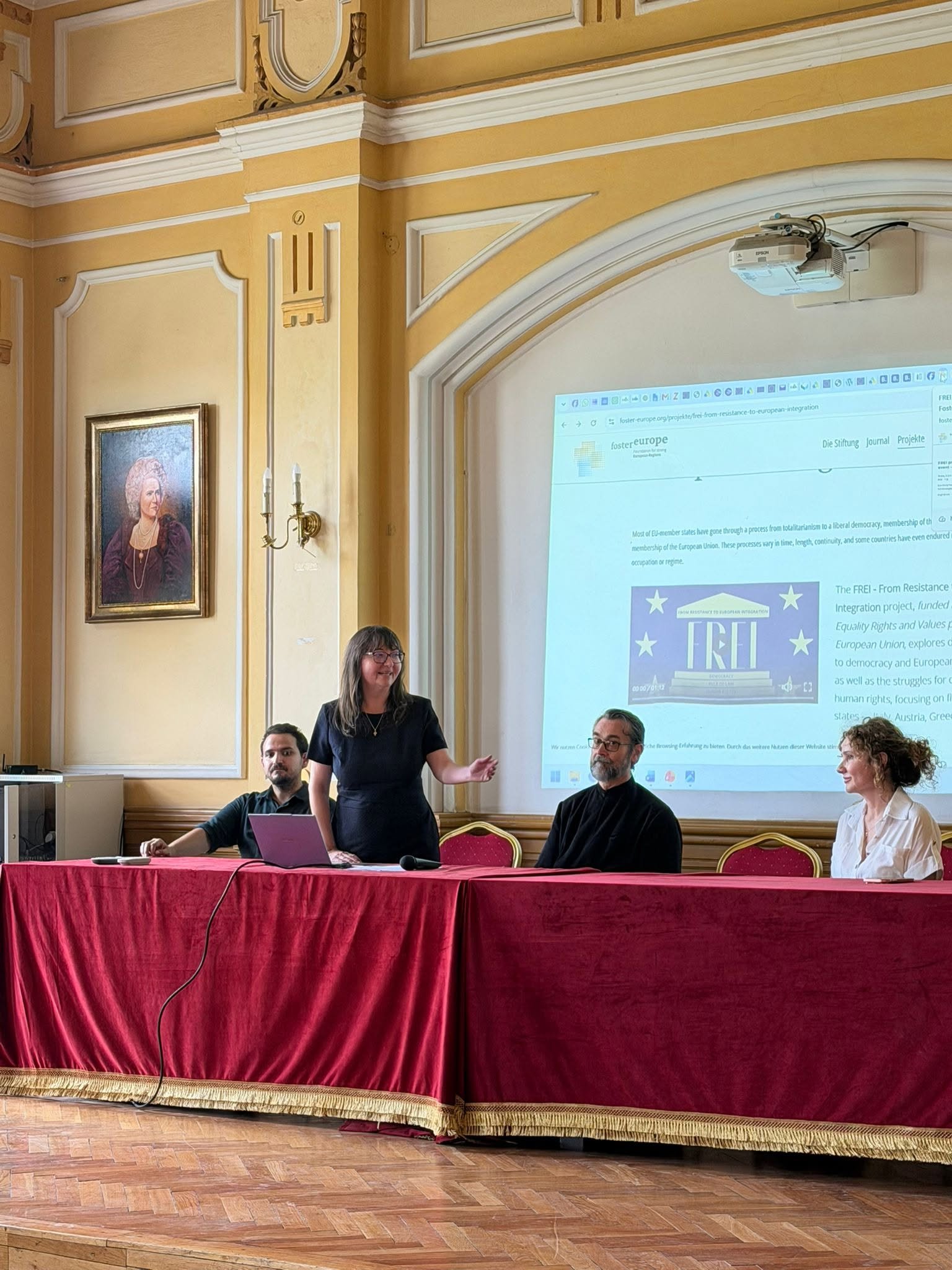
The FREI - From Resistance to European Integration project, funded by the CERV- Citizens Equality Rights and Values programme of the European Union, explores diverse national paths to democracy and European Union membership, as well as the struggles for democracy and human rights, focusing on five EU member states — Italy, Austria, Greece, Portugal, and Romania.
These countries represent key examples of Europe’s challenges and achievements in establishing democratic governance and advancing a robust human rights system.
Through discussions, events, and international meetings held locally and international in Austria, Italy, Portugal, Greece, and Romania, the project examines democratic transitions, the development of human rights protections, and the process of European integration.
Participants of the project and its events will engage with experts, eyewitnesses, representatives of vulnerable groups, and young people from across Europe to gain insights into the complexity and heterogeneity of European history, shaped by a shared commitment to democracy and human rights.
The project will conclude with a final international meeting in Strasbourg, focusing on the current democratic system of the European Union and the mechanisms in place for the protection of human rights.
Project Period is: 01/04/2025 - 31/03/2027
Countries involved are: Austria, Romania, Italy, Portugal and Greece
Lead Partner: Foster Europe
Project partners are:
UPCOMING EVENTS:
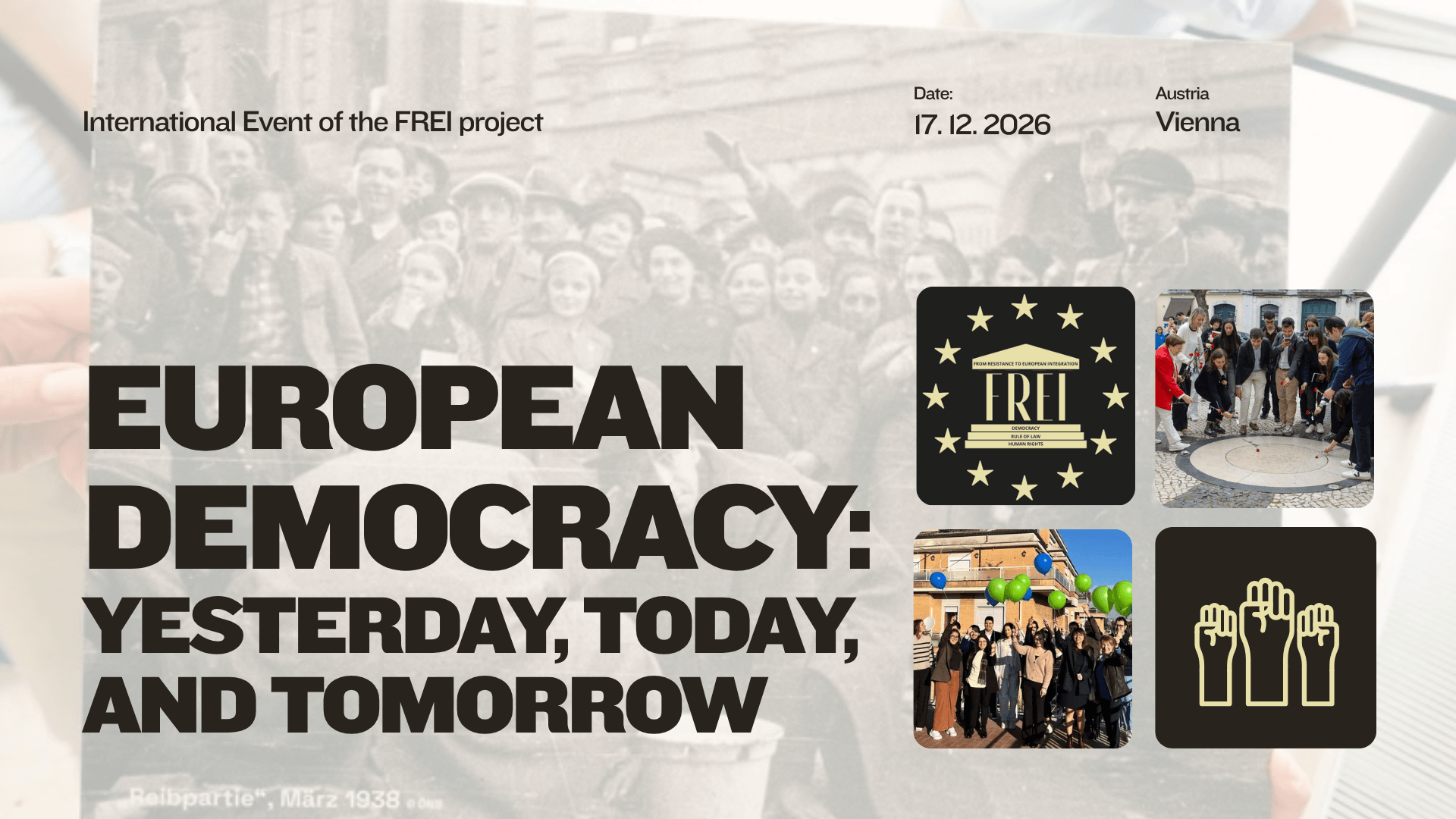
European Democracy Yesterday, Today and Tomorrow: Foster Europe and the FREI project partners invite you to an afternoon of talks and discussion on how Europe's democratic order emerged and what challenges it today. 17 December 2026, Bruno Kreisky Forum, Vienna. Free of charge, registration required.
RELATED NEWS AND PAST EVENTS:
Am 23. und 24. April 2026 wurde Lissabon zum Treffpunkt für junge Menschen und Expertinnen und Experten, die sich mit demokratischer Erinnerung, postkolonialen Perspektiven und aktuellen gesellschaftlichen Herausforderungen auseinandersetzten. Durch Vorträge, Workshops und Besuche historischer Orte entstand ein intensiver Austausch, der Vergangenheit und Gegenwart miteinander verknüpfte. Die Veranstaltung unterstrich die Bedeutung von kritischer Reflexion, Dialog und aktiver Erinnerungskultur für die Stärkung demokratischer Werte in Europa.
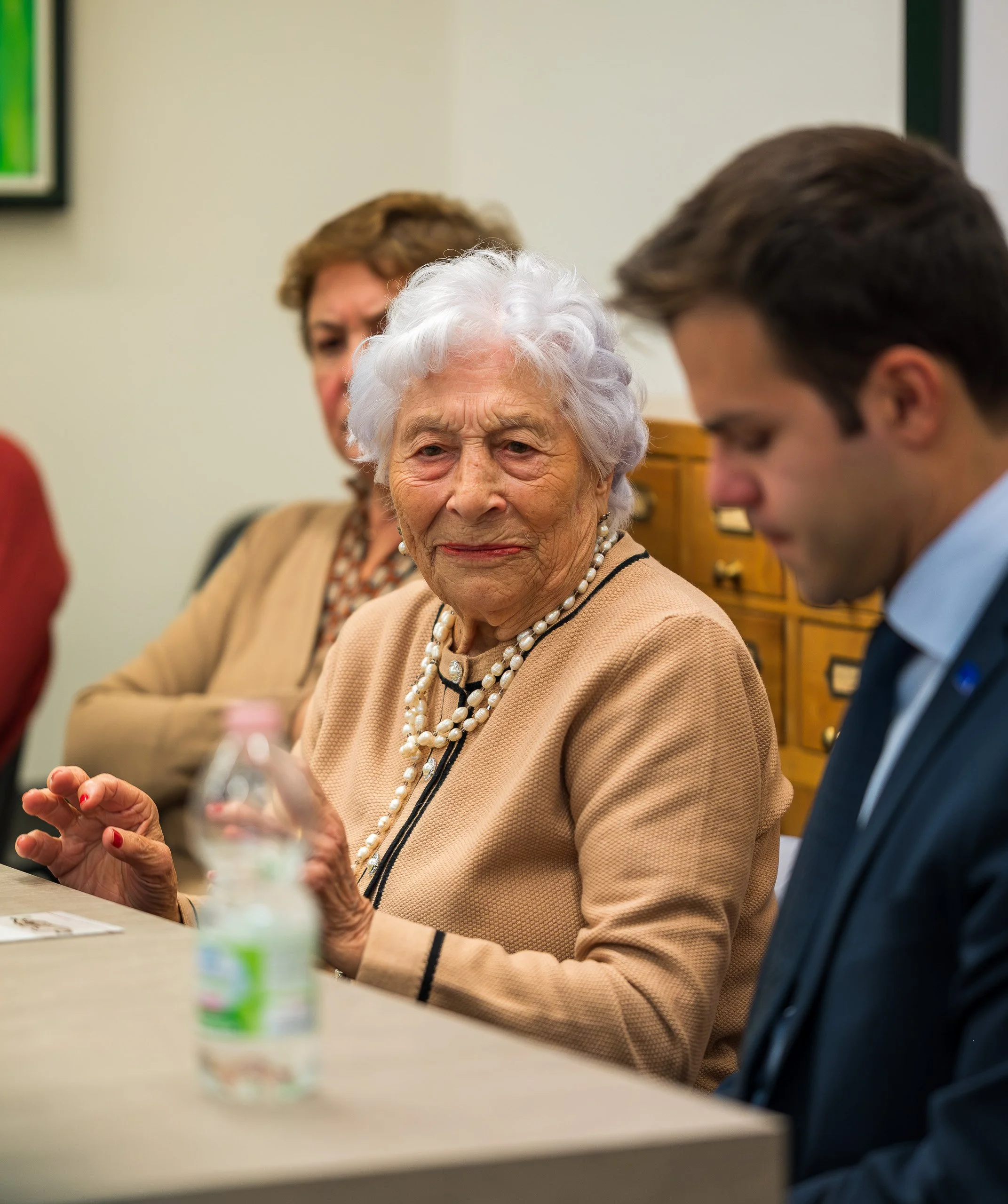
Das internationale FREI-Event in Rom brachte Teilnehmende aus sieben Ländern zusammen, um die Geschichte des europäischen Widerstands aus neuen Perspektiven zu betrachten. Besonders bewegend war die Begegnung mit Luciana, einer 95-jährigen ehemaligen Partisanin, deren persönliche Erzählung die Vergangenheit eindrucksvoll lebendig werden ließ. Die Diskussionen über Propaganda, Desinformation und demokratische Teilhabe machten deutlich, wie eng historische Erfahrungen und heutige Herausforderungen miteinander verbunden sind. Der vollständige Artikel, der auch als Teil des Projekt-Guidebooks erscheint, bietet weitere Eindrücke und Reflexionen aus diesem besonderen Treffen.
The international kick-off conference in Vienna marked the start of a shared European dialogue on remembrance, democracy, and human rights. Experts and participants from 16 countries explored how historical memory can strengthen civic engagement and inclusive narratives across Europe. Interactive discussions, symbolic gestures, and local case studies made the event a powerful launch for the project’s goals.
On 27 May 2025, participants from across Europe gathered in Vienna for the FREI project’s international kick-off. As a symbolic start, they released over 50 balloons, each carrying a personal wish for Europe’s future — messages of democracy, peace, and human rights meant to inspire dialogue across borders.
Join the project’s local path of Austria from the NAZI regime to human rights, rule of law, democracy and EU membership. Discuss current challenges to democracy on the national and European level.
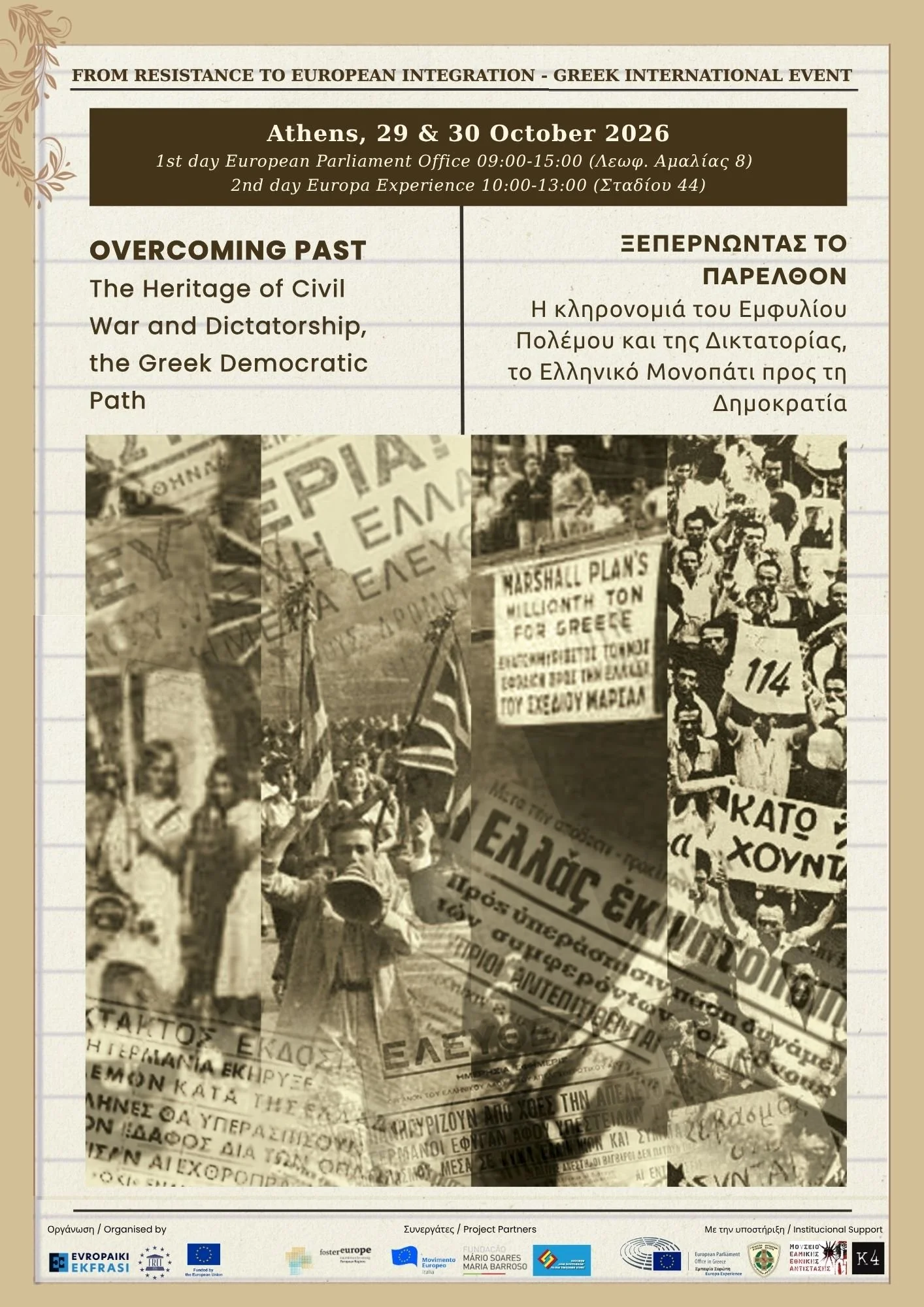
The Greek Path to Democracy. On 29–30 October 2026, the FREI project meets in Athens to explore the legacy of the Civil War and the Dictatorship through first-hand accounts, expert talks and visits to key sites of memory.
On 5–6 October 2026, the FREI project arrives in Greece: two days of archival exploration, testimony, and debate tracing the country's path from resistance and dictatorship to democracy — with young people at the centre.
Der österreichische Local Path des Projekts FREI – From Resistance to European Integration verbindet Erinnerungskultur, politische Bildung, intergenerationellen Dialog und öffentliche Diskussionen in Wien und thematisiert Demokratie, europäische Integration sowie gemeinsame europäische Erfahrungen gesellschaftlicher Transformation nach Diktaturen.
On 10 June 2026, the FREI project comes to Timișoara: a full day of creative workshops, personal testimony, and debate on identity, historical memory, and Romania's path to democracy — with young voices at the centre.
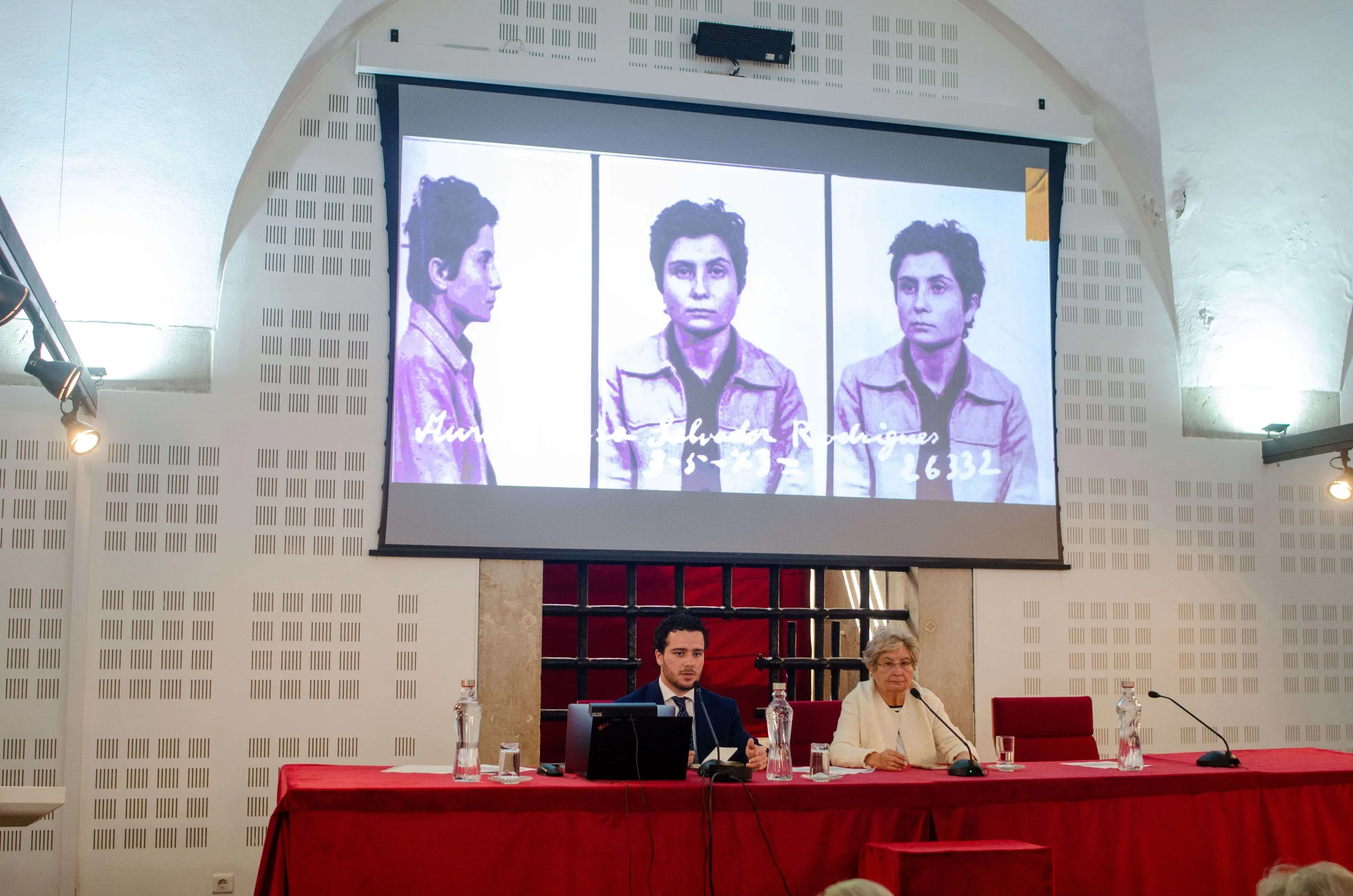
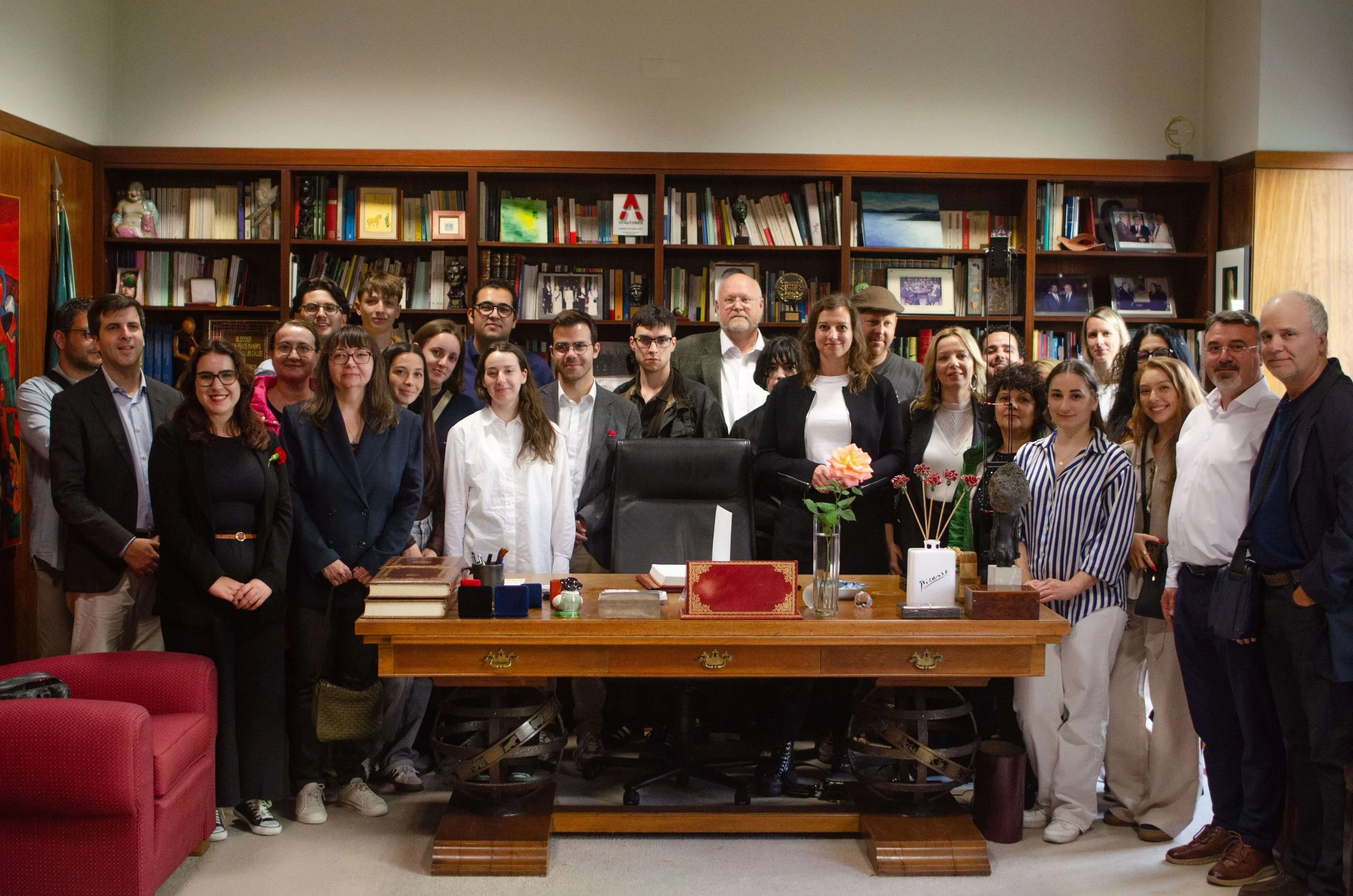
The 2nd International Path Event of the FREI – From Resistance to European Integration project takes place in Lisbon in April 2026, at a symbolic moment marking 50 years of Portugal’s democratic Constitution and free elections. Set immediately before the 25 April commemorations, the event uses the legacy of the Carnation Revolution, post-colonial memory and sites of remembrance to connect past democratic struggles with present challenges and future responsibilities across Europe.
Unarchiving democracy: archives and non-formal education against racism and the Far Right brings together historical memory and contemporary civic challenges within the framework of the FREI – From Resistance to European Integration project. Drawing on Portugal’s peaceful democratic transition and experience of decolonisation, the Local Path explores how working with archives, testimonies and non-formal education can strengthen democratic awareness, critical thinking and civic engagement in the face of racism, disinformation and far-right narratives.
As part of the FREI – From Resistance to European Integration project, the upcoming international event in Rome (6–8 November 2025) will gather partners, experts, and young activists to explore Europe’s democratic transitions, the legacy of resistance movements, and current challenges such as disinformation and media freedom. Hosted by Movimento Europeo, the programme includes keynote sessions, a historical Resistance Walk, and interactive workshops. Further details and outcomes will be available in the project’s forthcoming Guide Book.
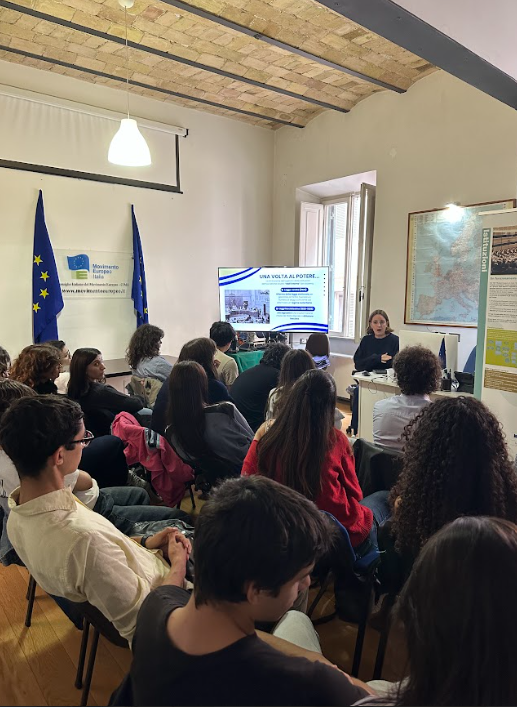
As part of the FREI – From Resistance to European Integration project, Movimento Europeo will host a two-day local workshop in Rome on 15-16 October focusing on the evolution of state propaganda from the Fascist period to contemporary political communication. The event will bring together students, young citizens, and educators to explore these themes through presentations, discussions, and historical materials. Further details on the workshop and the related online exhibition will be provided in the project’s forthcoming Guide Book.
We are delighted to invite you to the first international event of the FREI – From Resistance to European Integration project, taking place on 27–28 May 2025 at the Bruno Kreisky Forum in Vienna, Austria.
Funded by the European Union. Views and opinions expressed are however those of the author(s) only and do not necessarily reflect those of the European Union or European Commission. Neither the European Union nor the granting authority can be held responsible for them.


Im Rahmen des FREI-Projekts sprach Historiker Dr. Herbert Brettl im Anschluss an den Workshop „Vergangenheit bewältigen?" mit Schüler:innen des Gymnasiums Neusiedl am See in der AK Wien im Interview über Geschichtsvermittlung ohne Zeitzeug:innen, die Rolle regionaler Bezüge und den Zugang junger Menschen mit eigener Flucht- oder Vertreibungserfahrung zum österreichischen Narrativ.