Romania's Path to Democracy
Guide book >> Romanian PathOn 10 June 2026, Timișoara hosted “Romania’s Path to Democracy,” the Romanian local event of the FREI – From Resistance to European Integration project, organised by Asociația Liga Scriitorilor Filiala Timișoara Banat. More than 80 young people, together with invited speakers, teachers and members of the organising team, took part in a day that wove together creative learning, personal testimony, historical reflection and open debate around the themes of equality, discrimination, inclusion, remembrance, democracy, human rights and civic participation in Europe. In total, the event welcomed 90 participants from four countries, including young people from Ukraine, the Republic of Moldova and Serbia alongside the Romanian hosts.
Voices, Identity and Inclusion
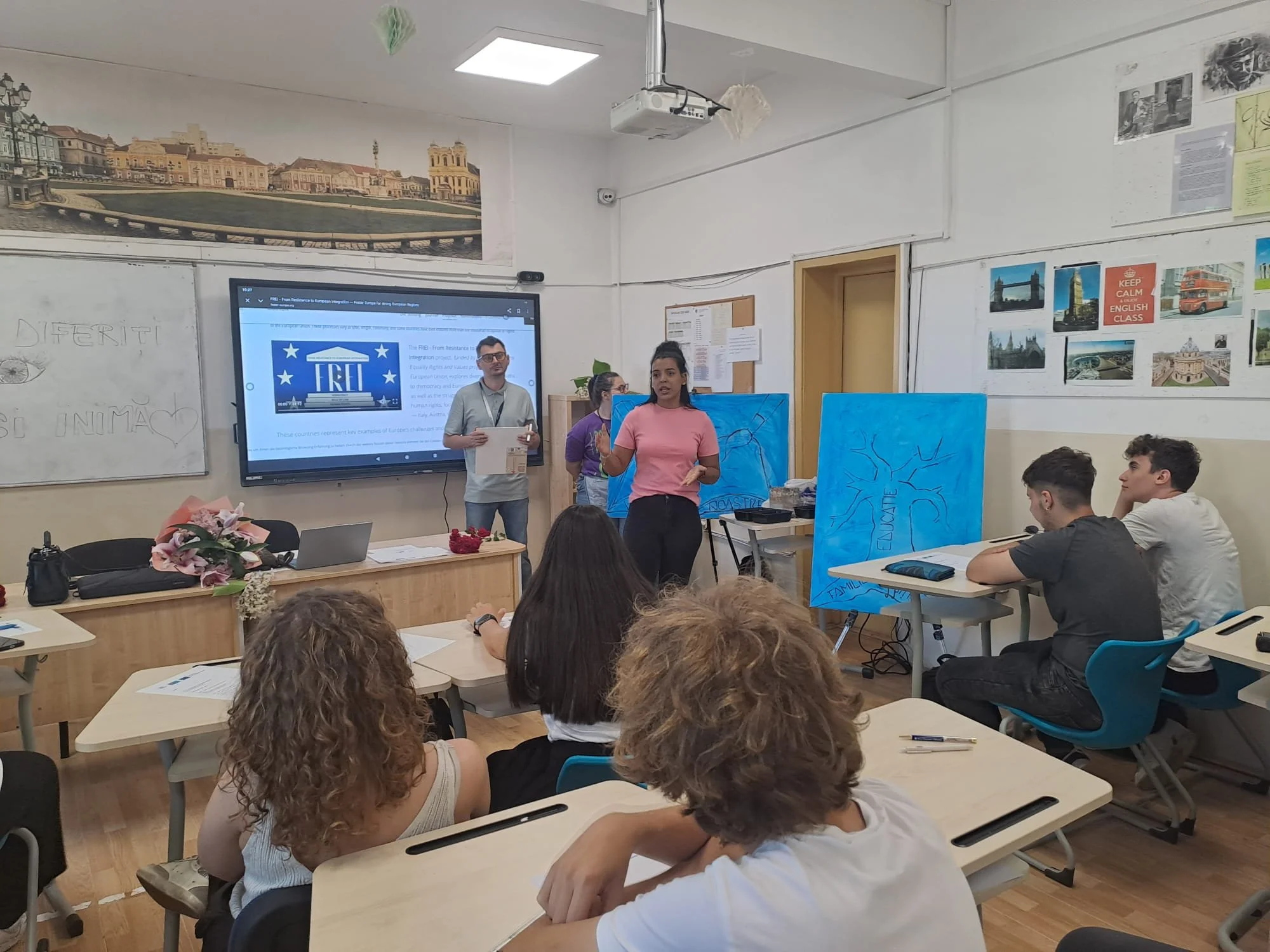
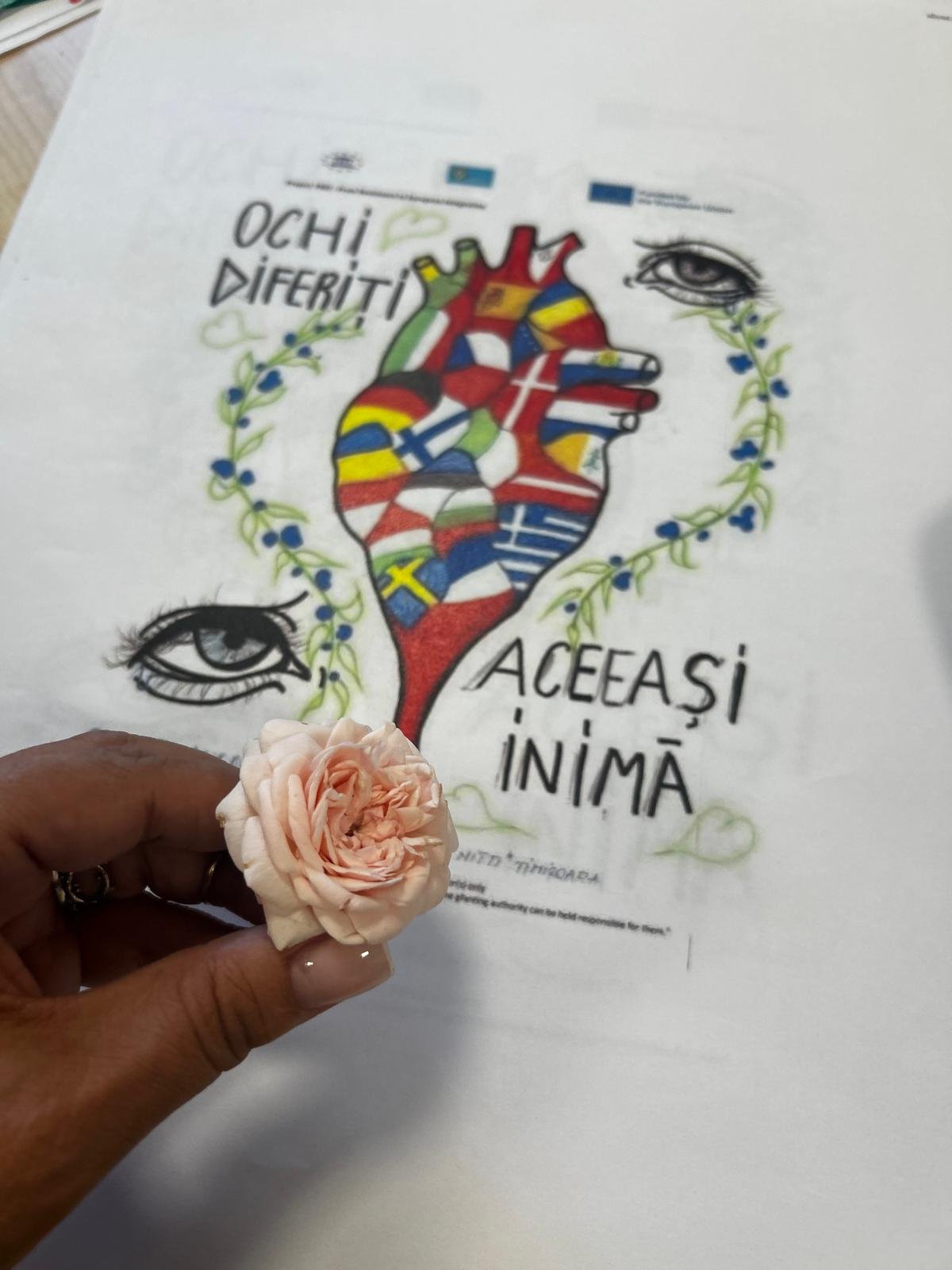
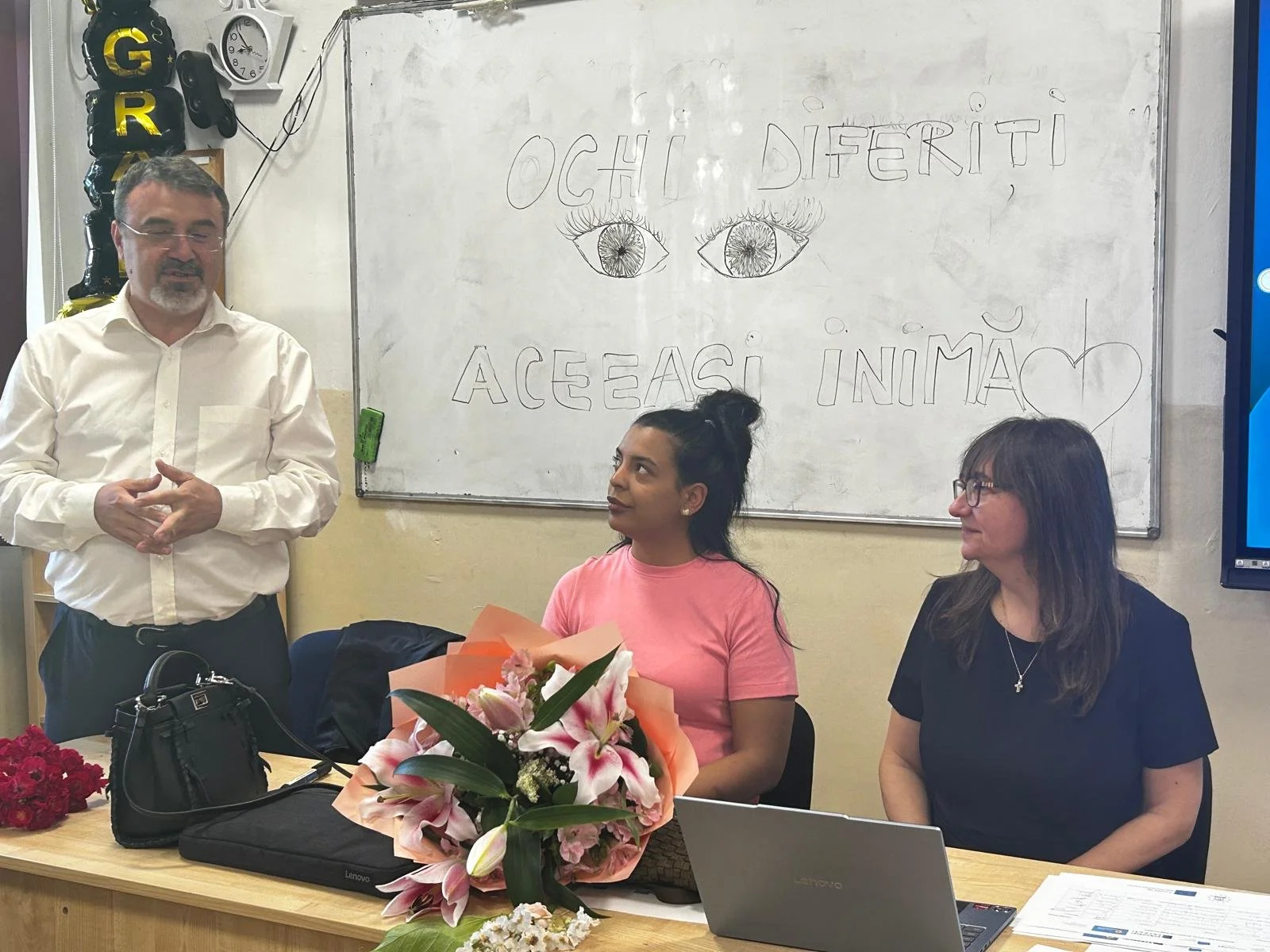
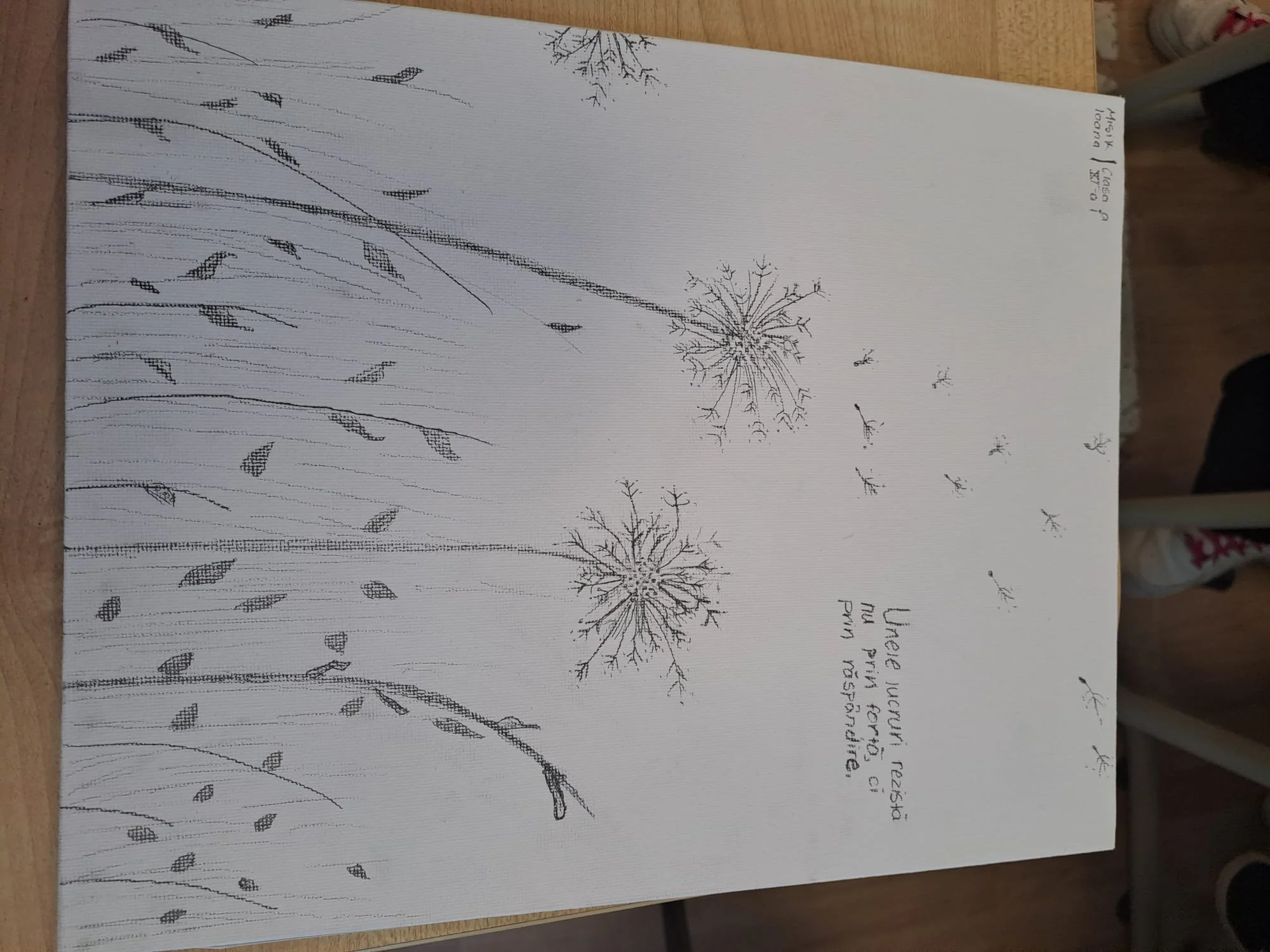
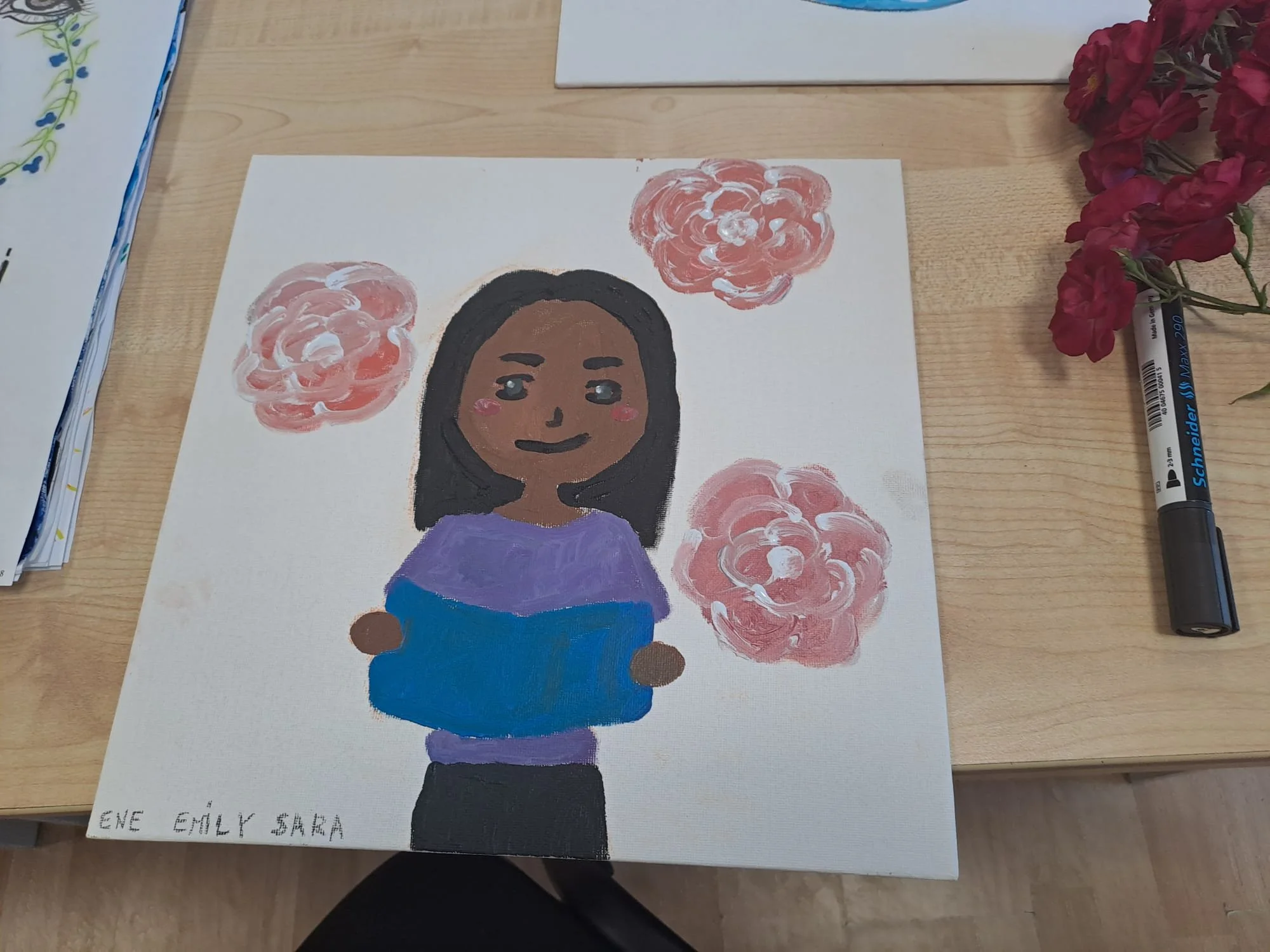
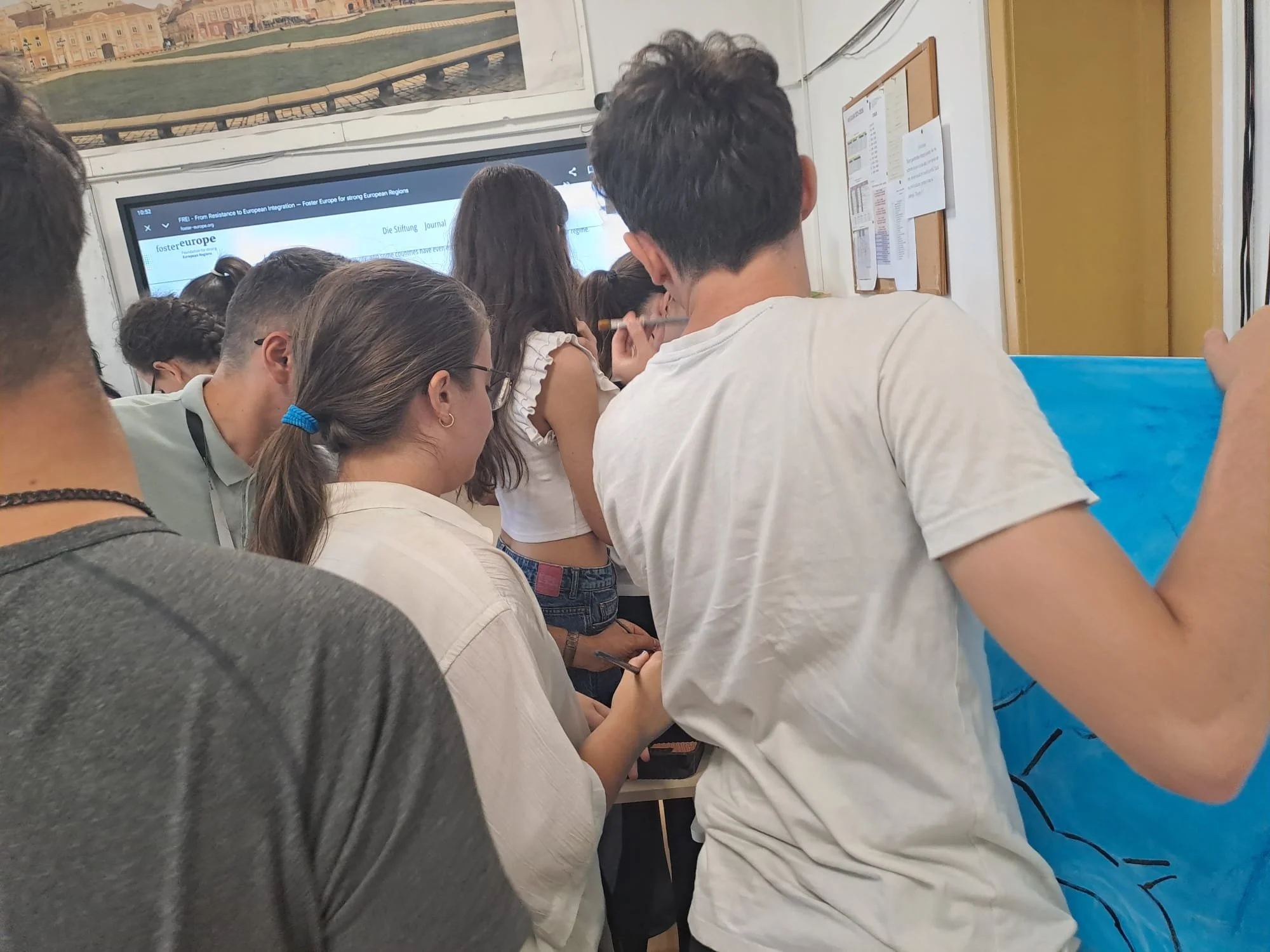
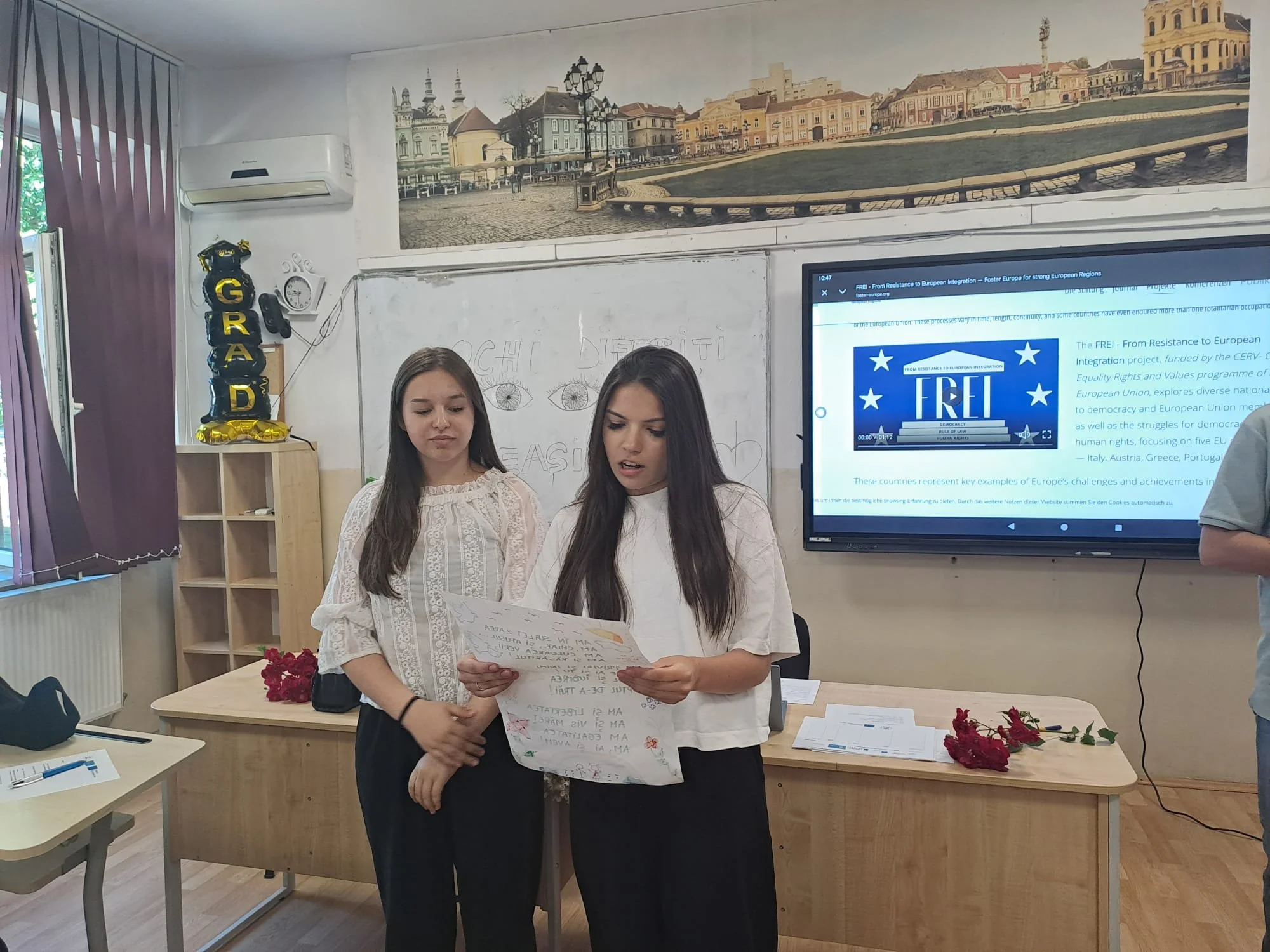
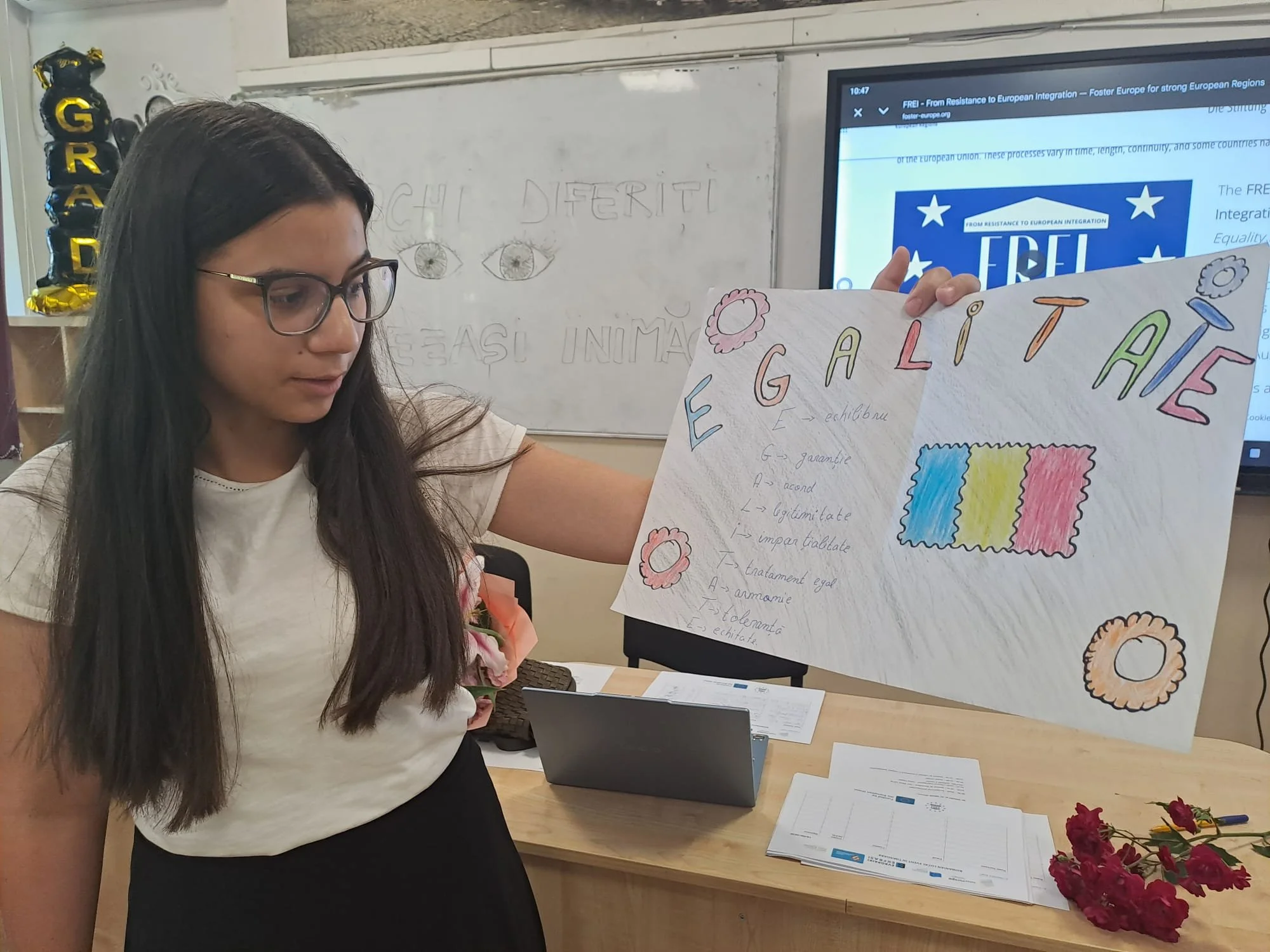
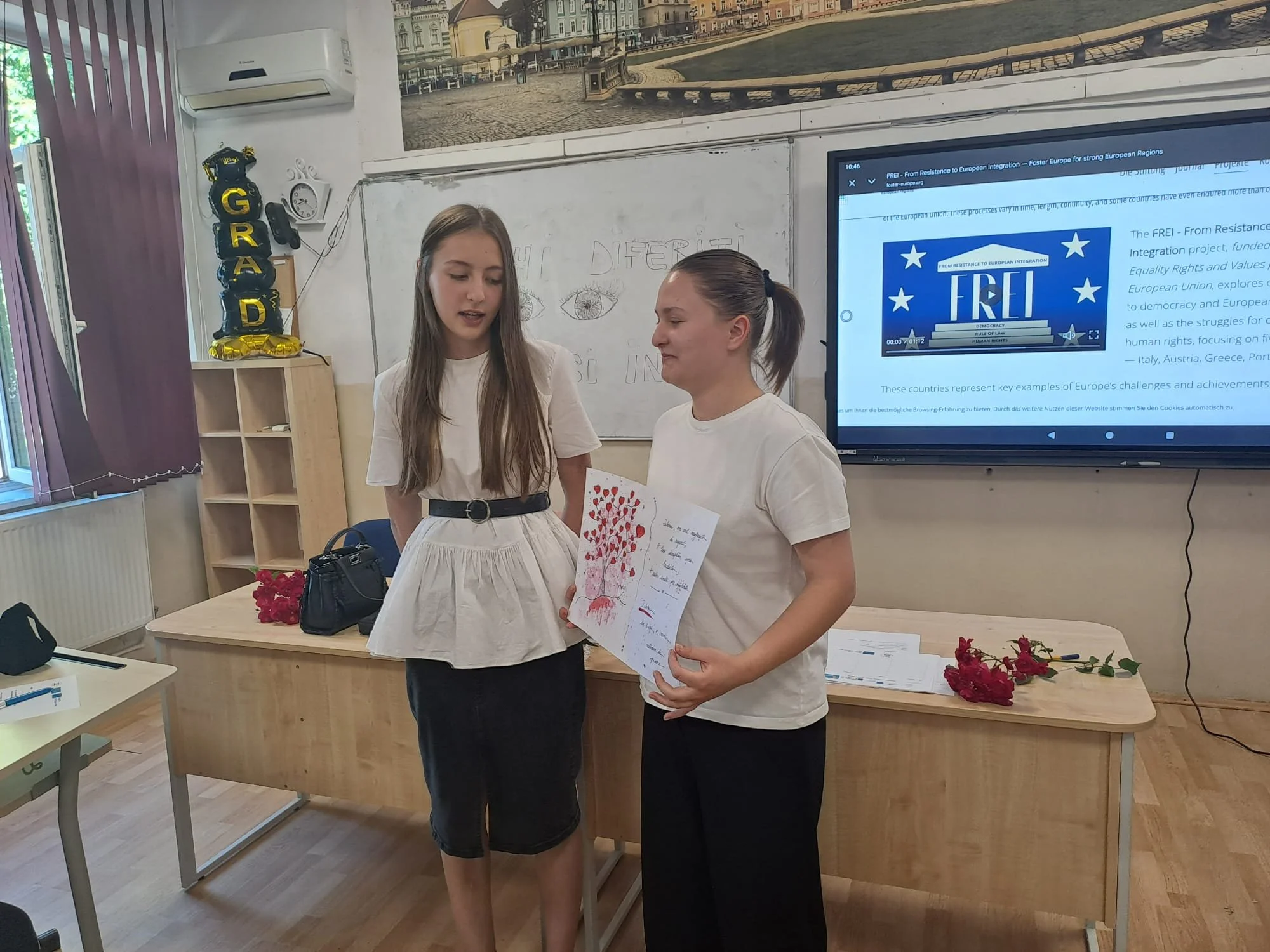
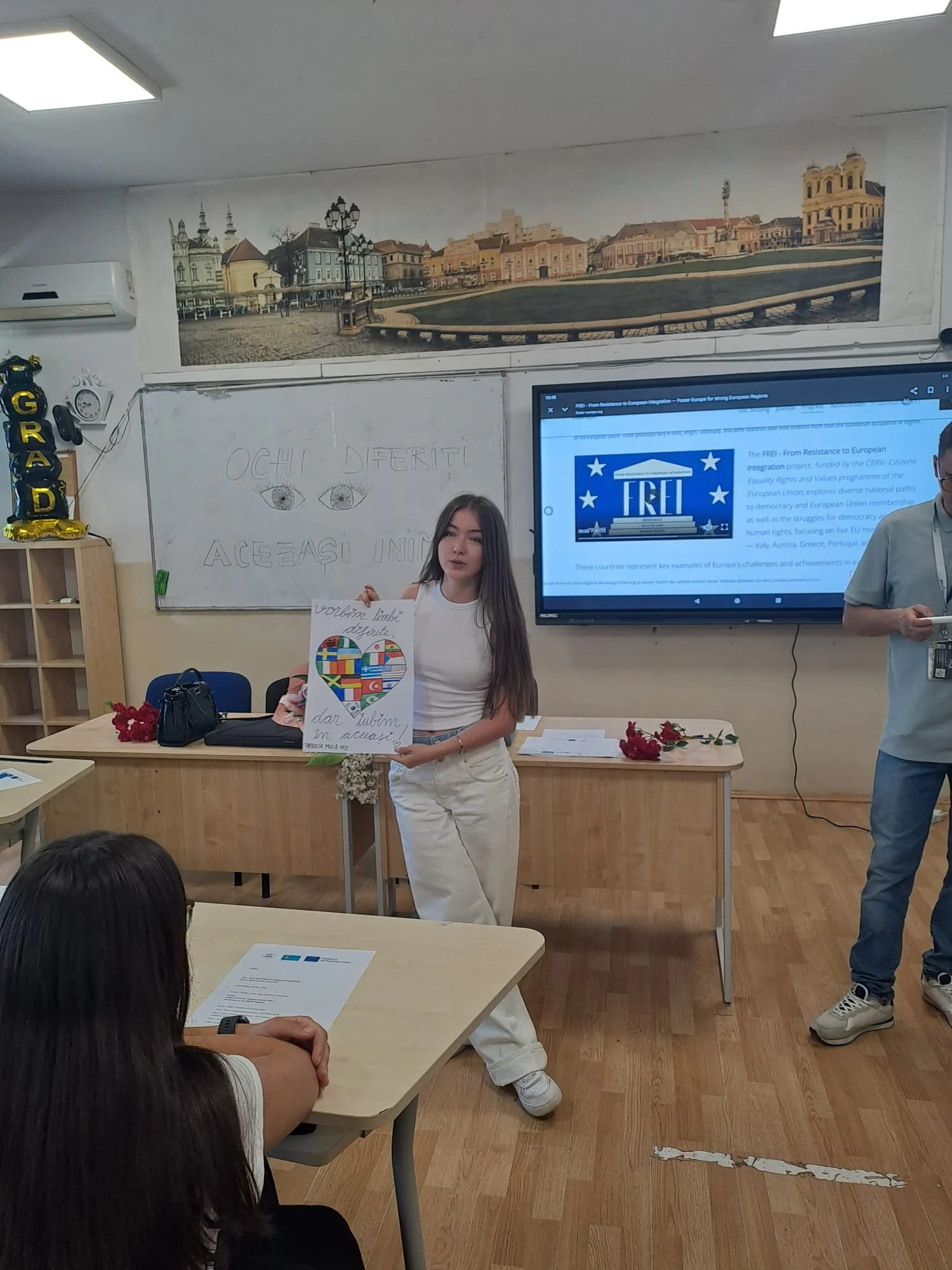
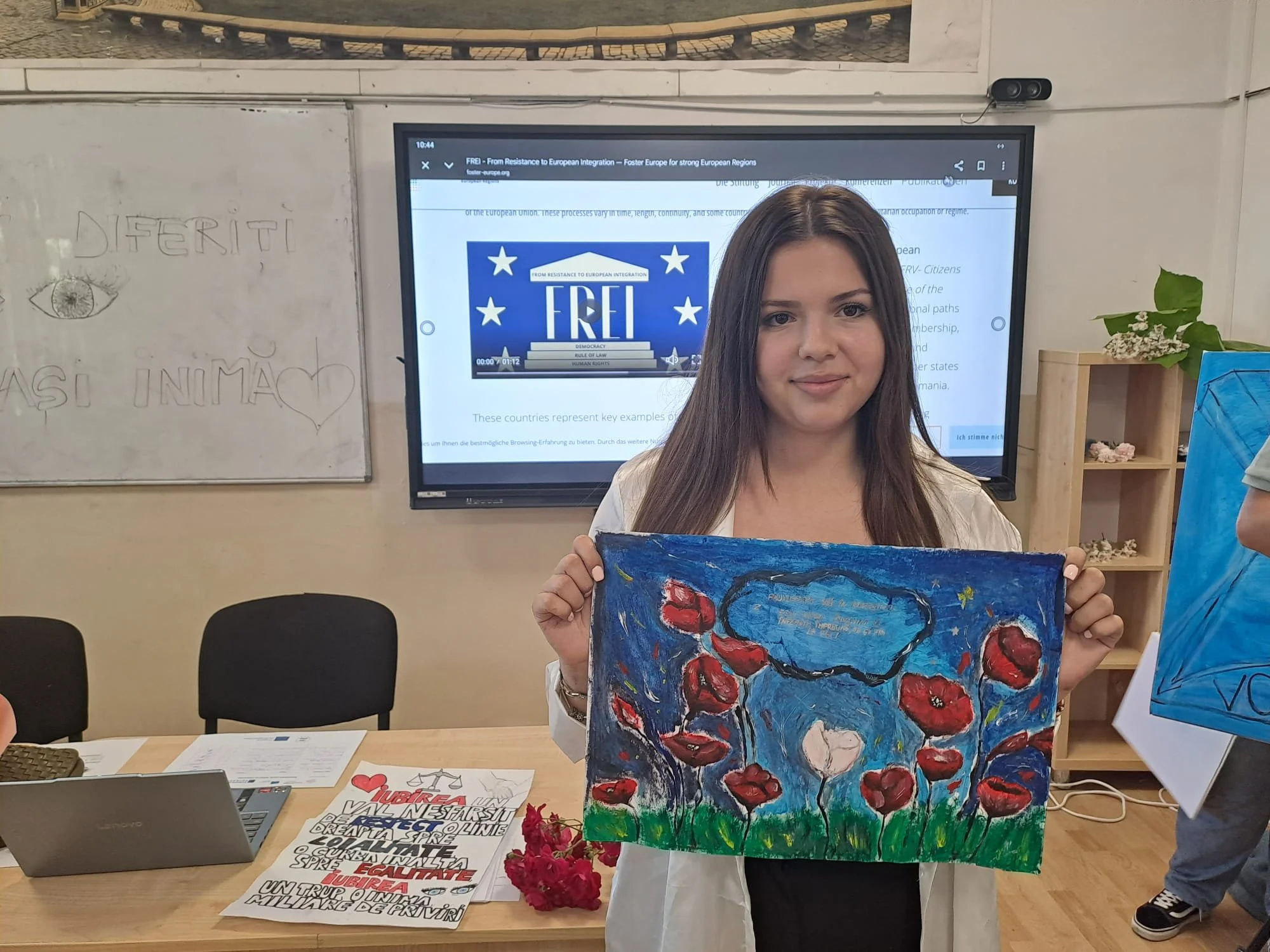
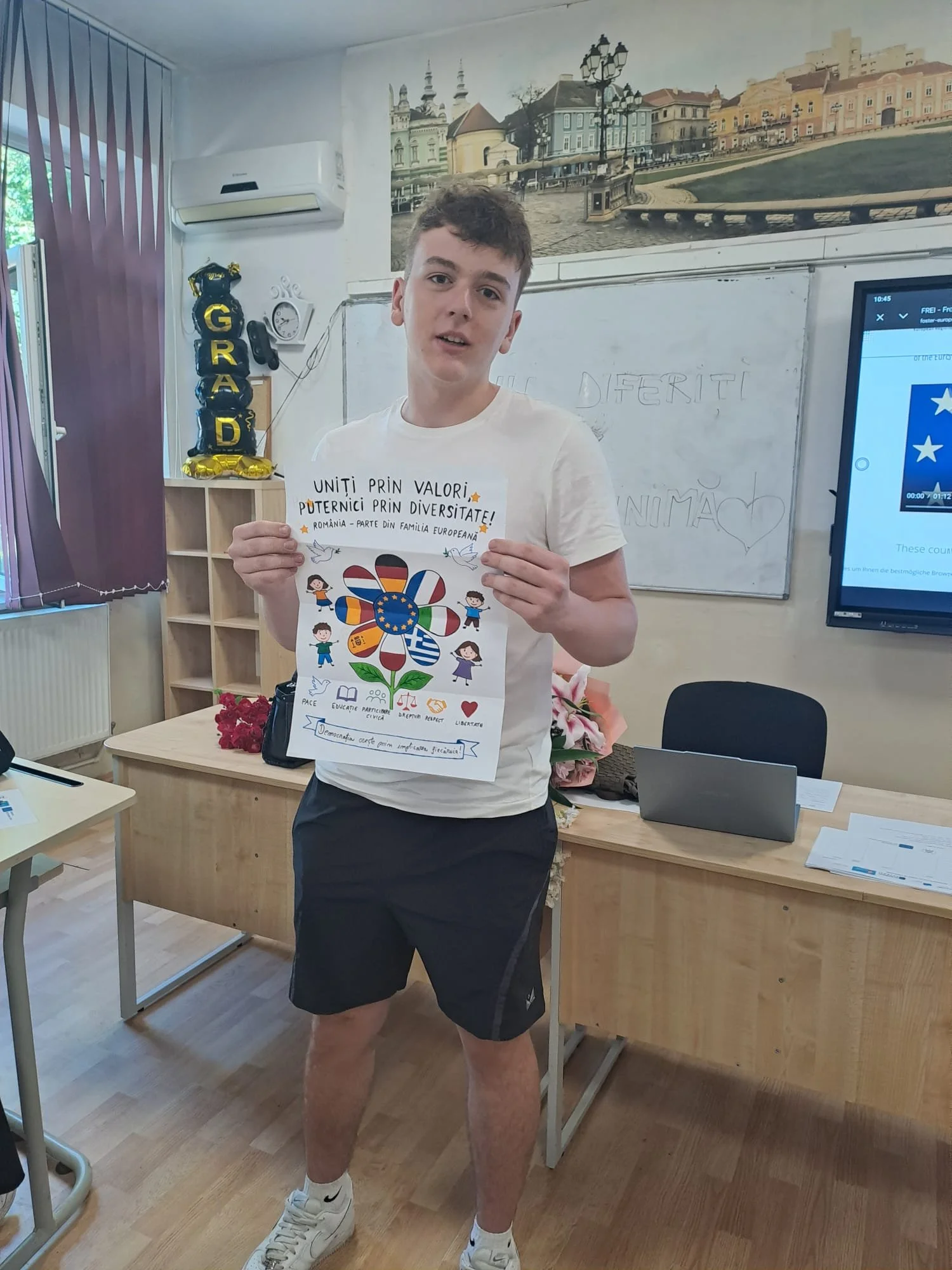
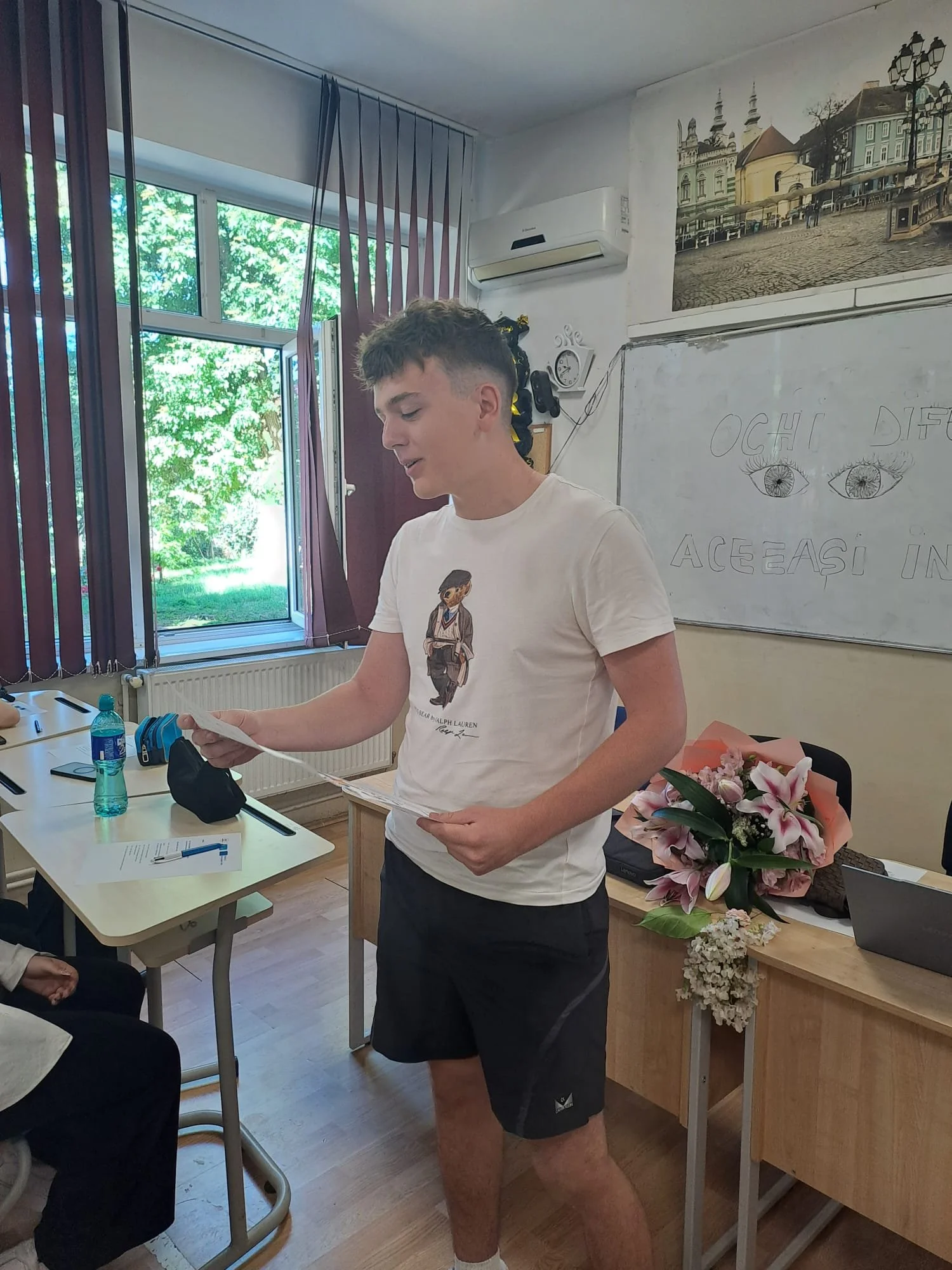
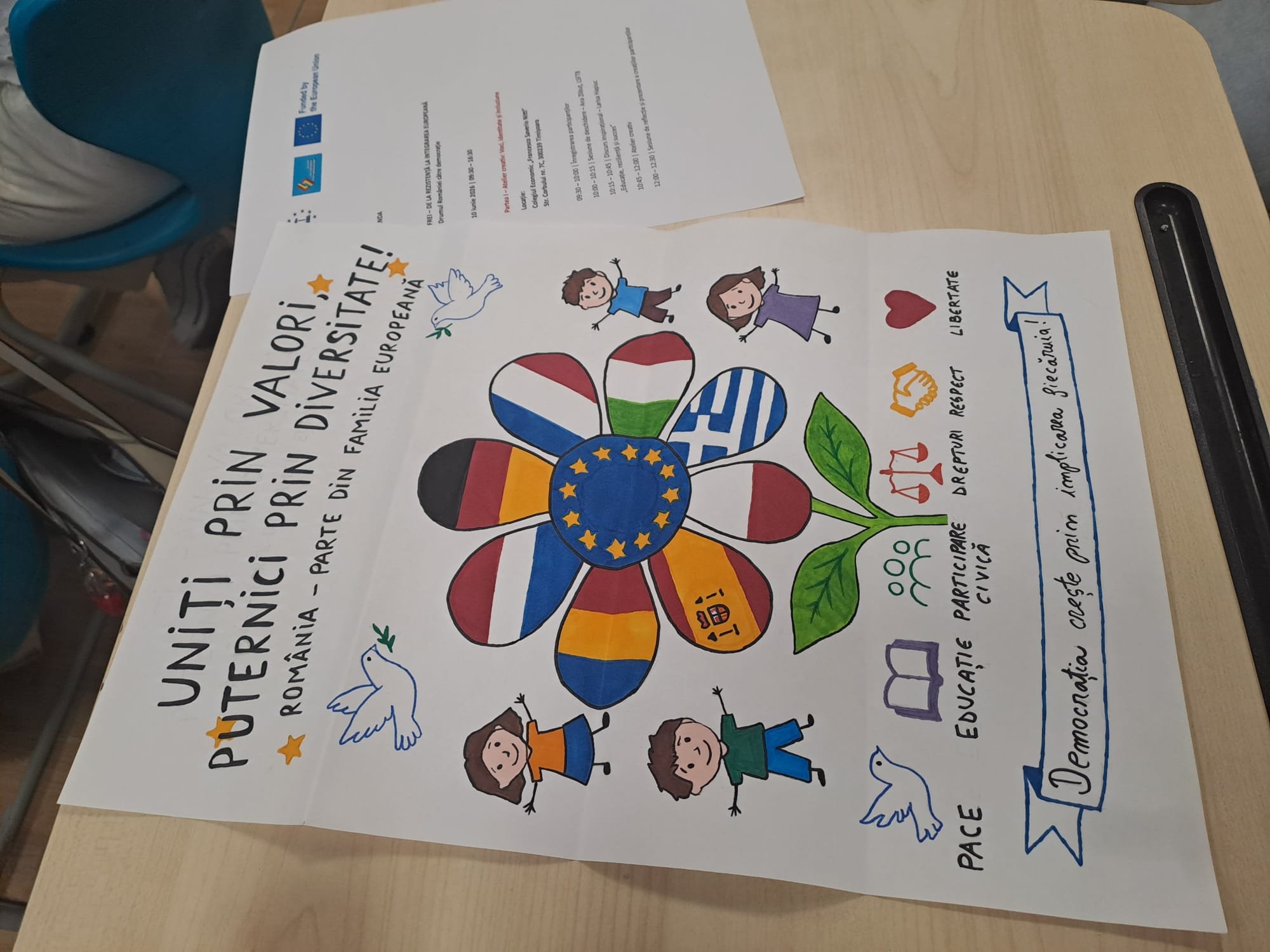
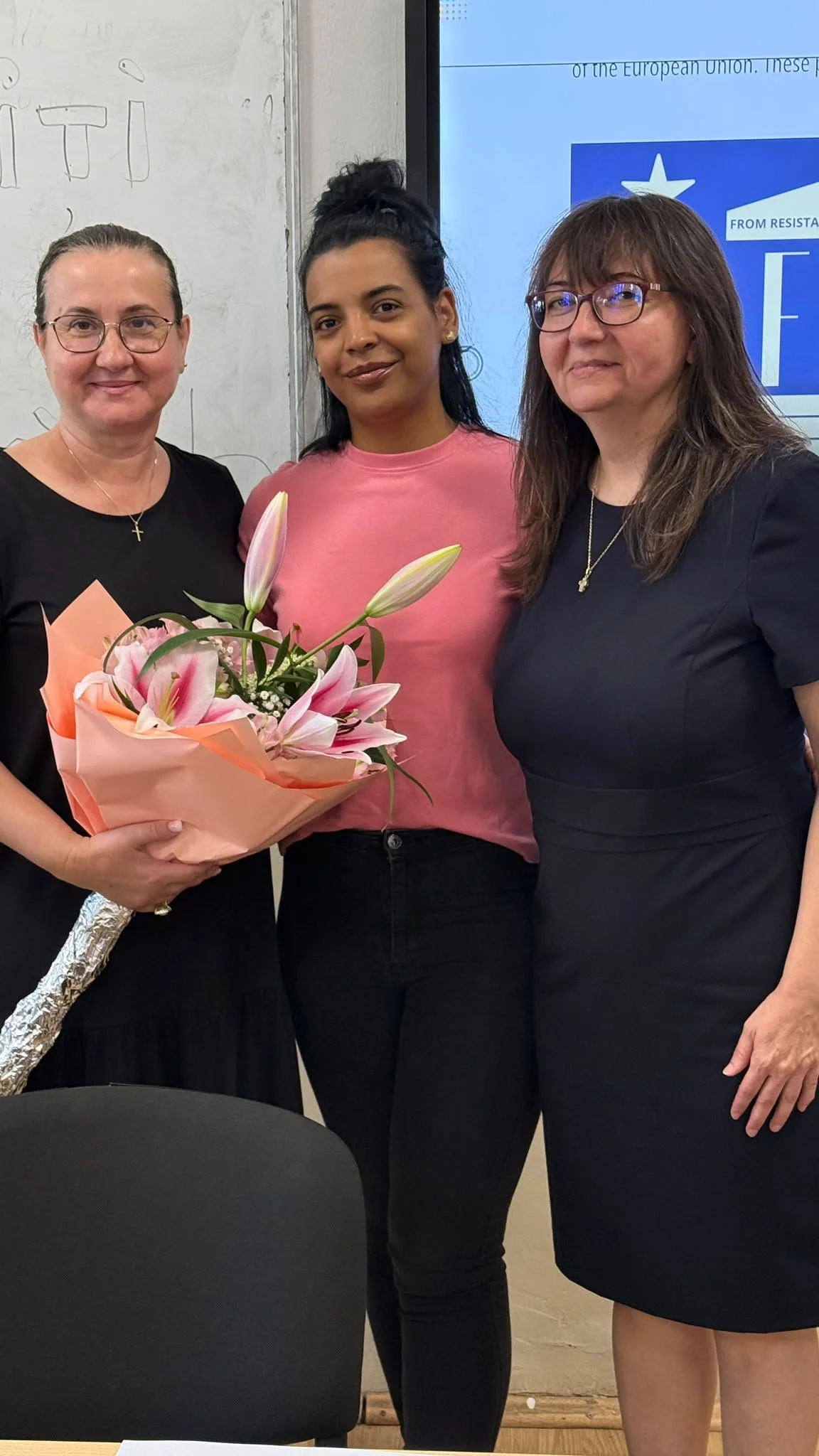
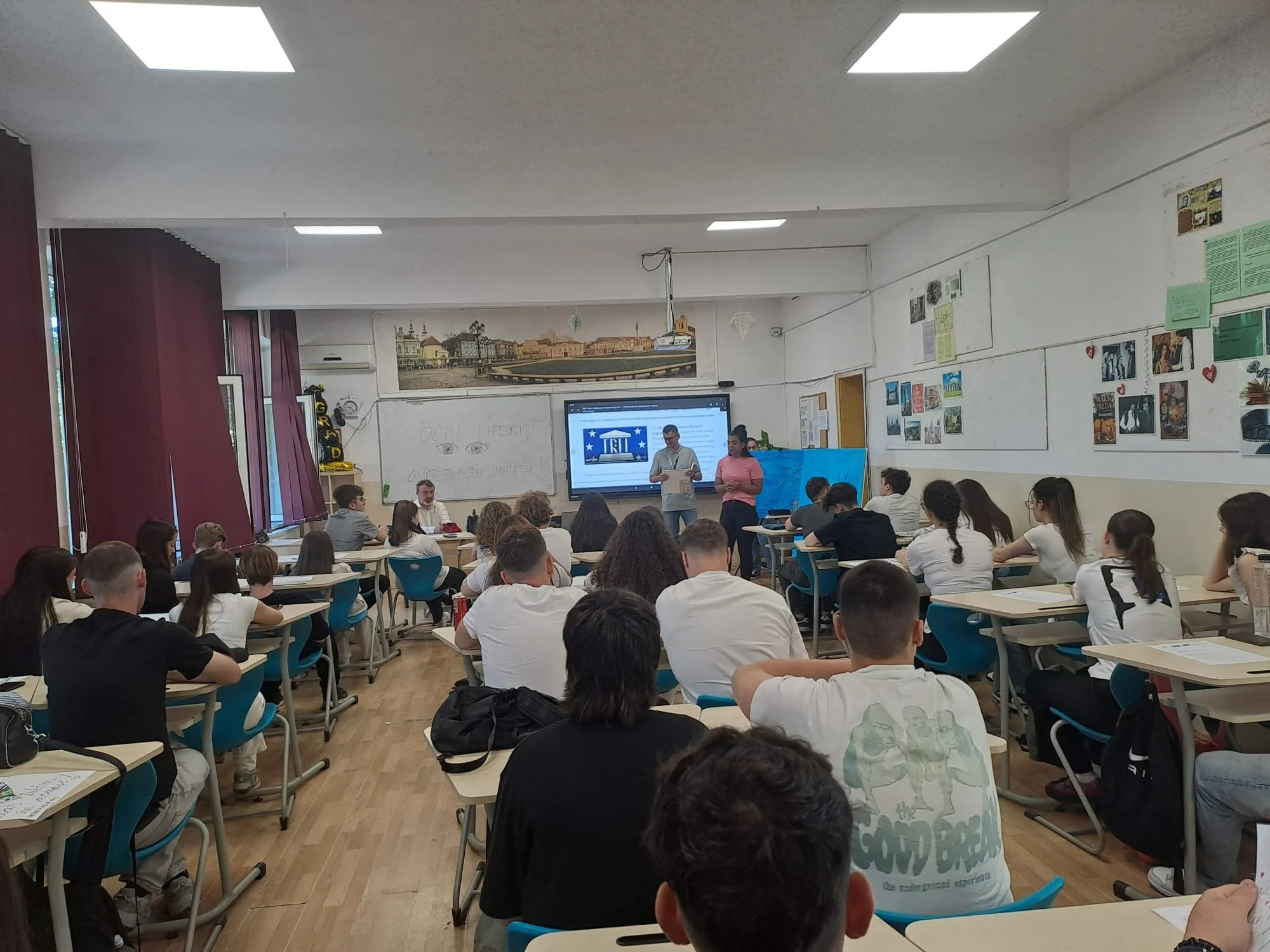
The day opened at the Francesco Saverio Nitti Economic College with a creative workshop exploring the educational experiences of Roma youth. Working in small groups, participants used poetry and drawing to reflect on equality, discrimination, identity, freedom, education and hope. The session's most powerful moment came from Larisa Hapiuc, a young Roma woman who shared her personal journey — the barriers she faced, and how she overcame them to complete her studies and build her professional future. The workshop closed with participants presenting their own poems and drawings, opening a space for dialogue, empathy and mutual understanding.
Democracy, Memory and European Values
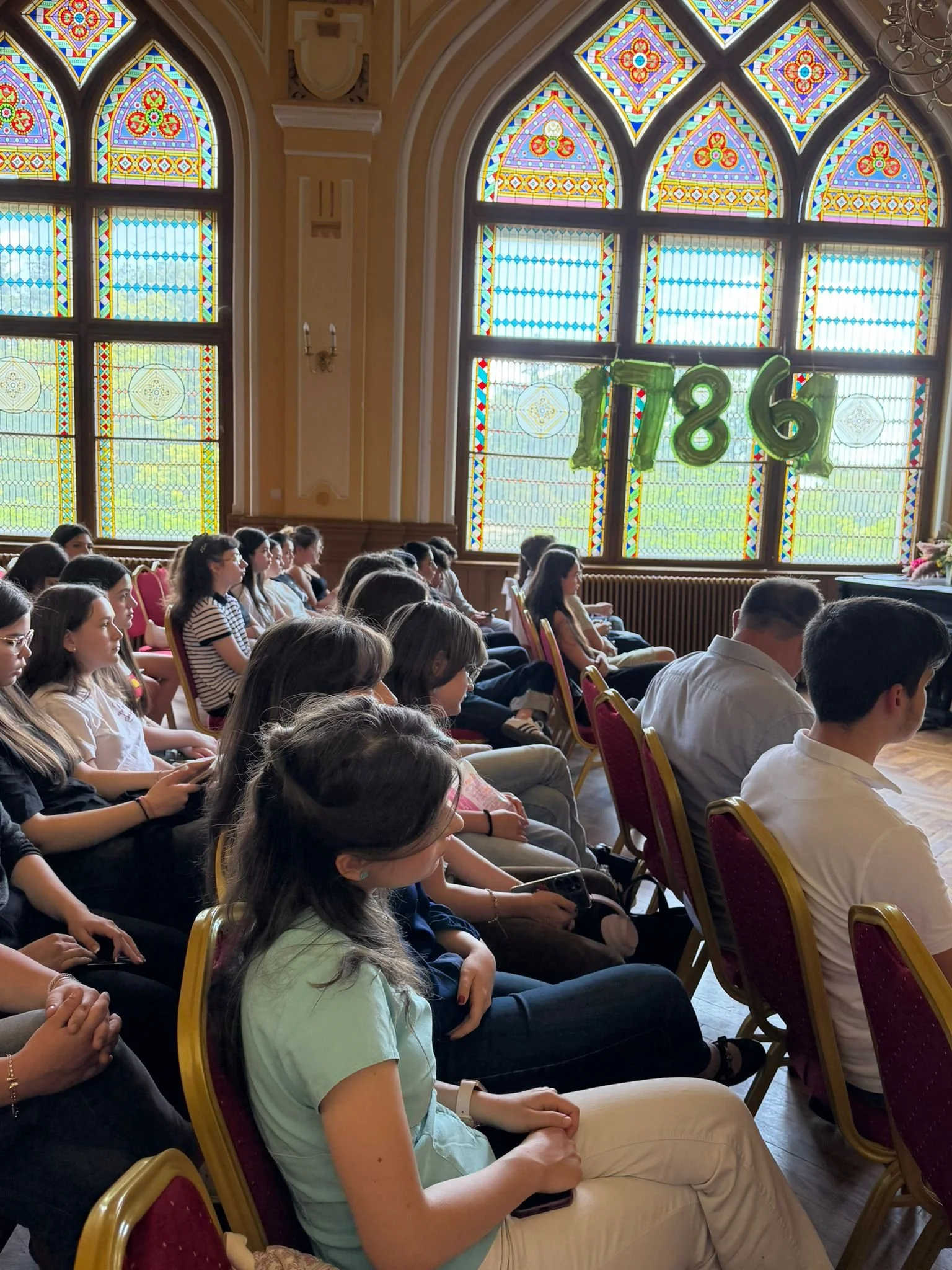
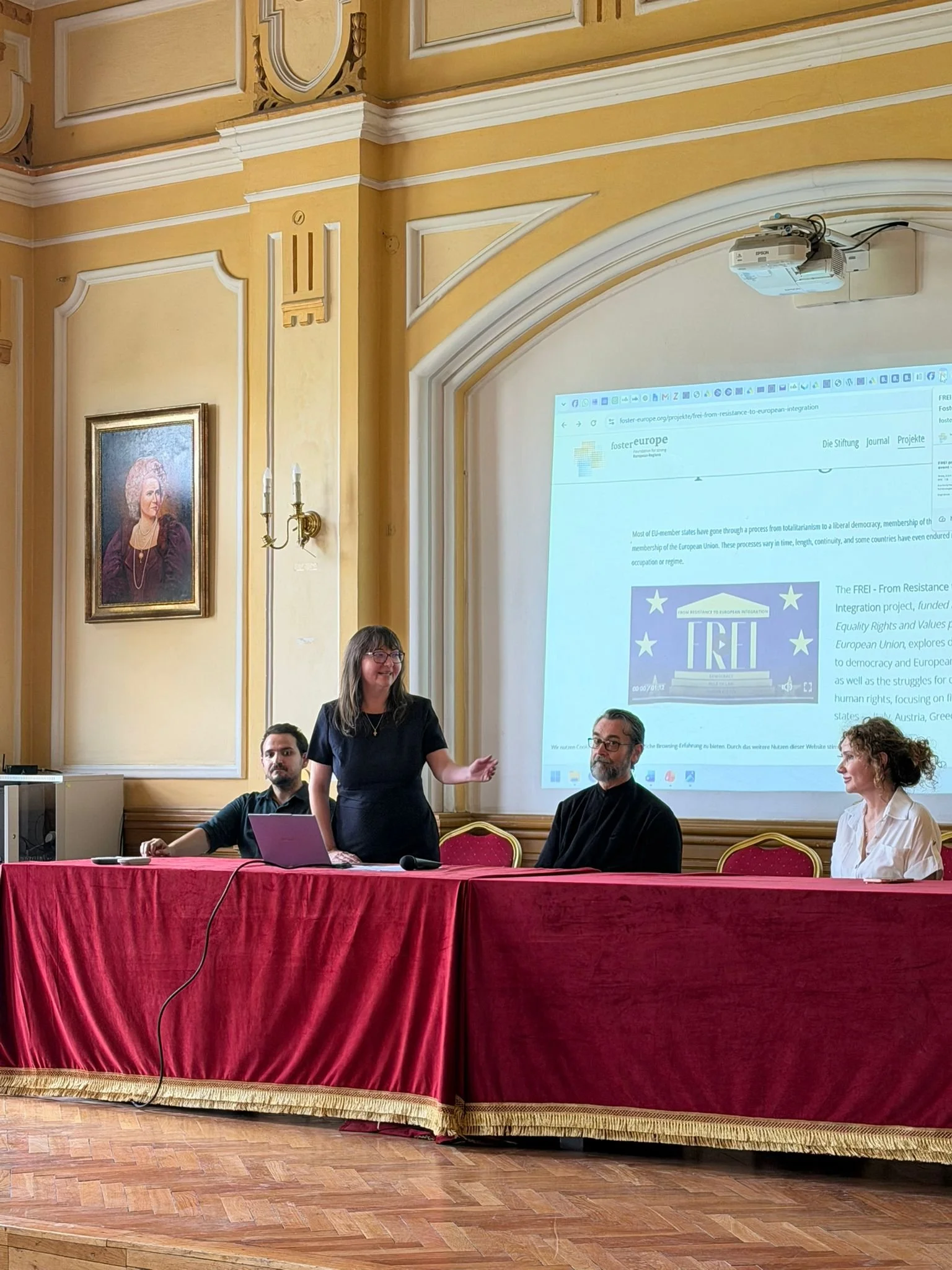
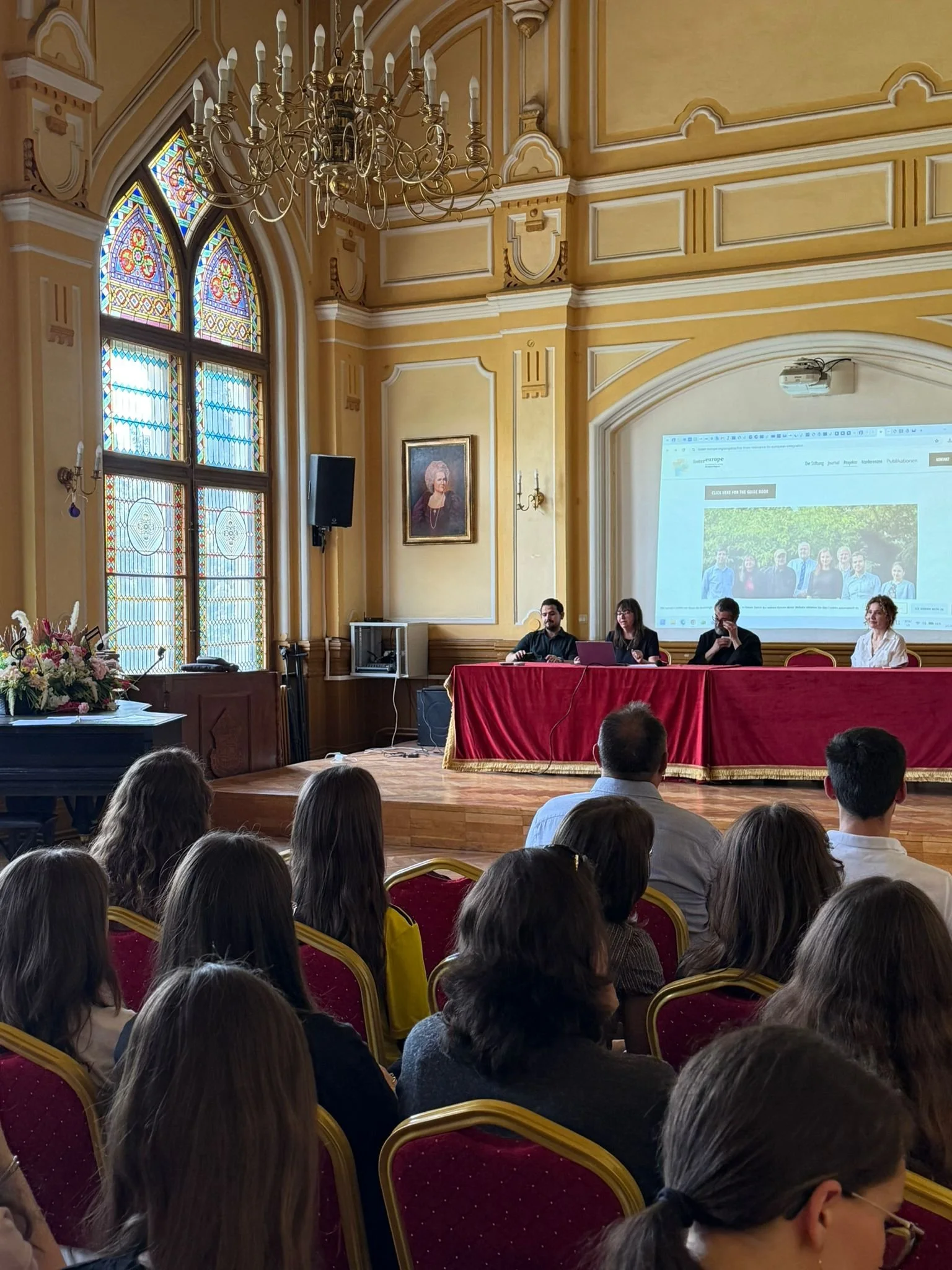
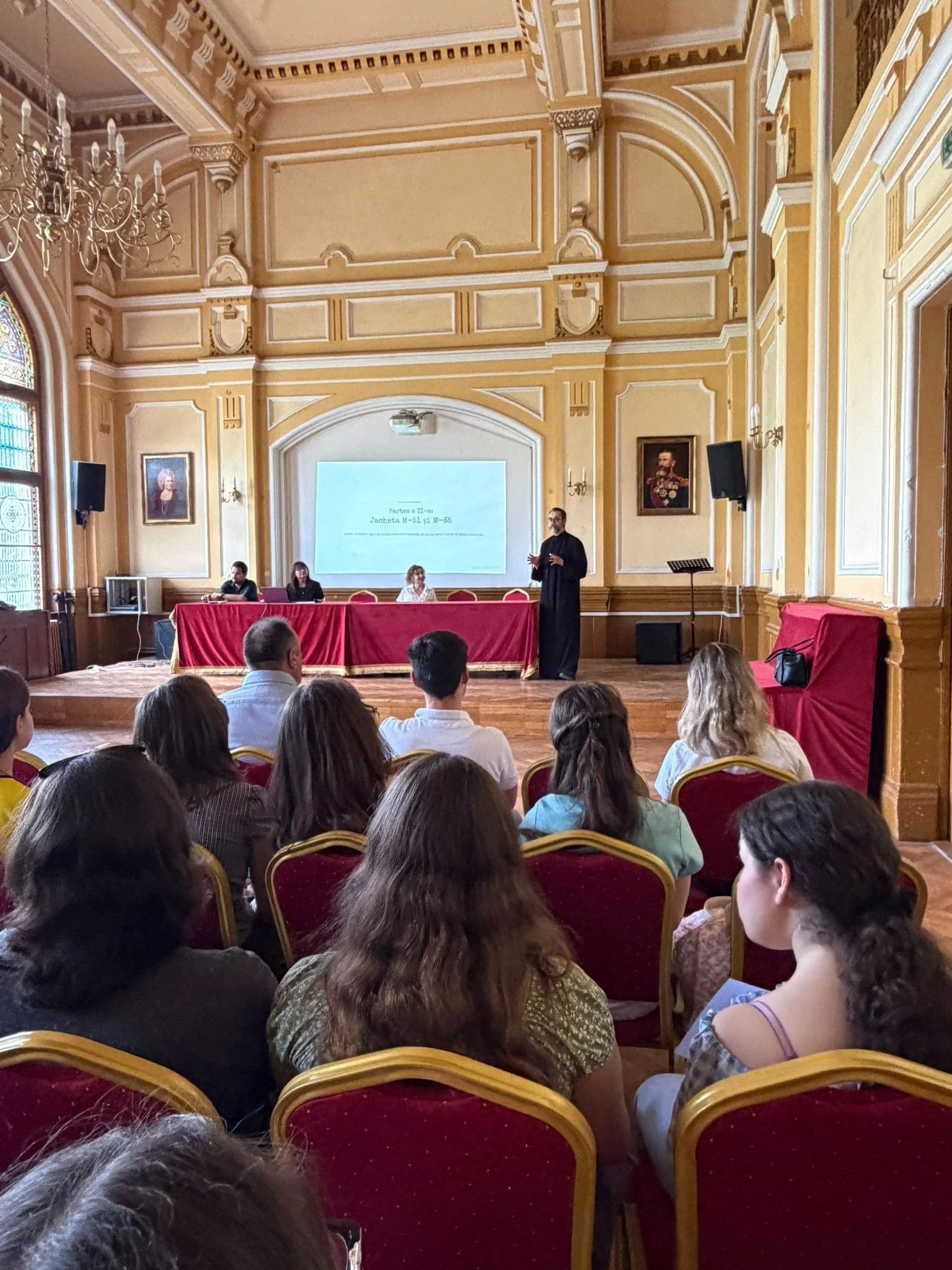
In the afternoon, the National Pedagogical College “Carmen Sylva” hosted a debate that brought recent history vividly to life. Fr. Assoc. Prof. Constantin Jinga, PhD, a participant in the Romanian Revolution of December 1989, presented “How We Escaped from a Totalitarian Regime,” exploring how something as ordinary as the way young people dressed became a quiet act of resistance under communist rule — a theme he framed as “How Clothes Became Silent Weapons of Resistance for Young People in Communist Romania.” In the event's most moving moment, Professor Jinga showed participants the jacket he was wearing when he was shot during the 1989 revolution — still bearing the bullet hole — turning a history lesson into a direct, tangible encounter with the cost of freedom.
History teacher Sebastian Stoi followed with “Romania’s European Integration: Democracy, Rights, and Inclusion,” tracing the country’s democratic transformation after 1989 and the European Union’s role in advancing democracy, human rights, equality and the inclusion of vulnerable communities. Both presentations were followed by an open discussion, with participants asking questions and exchanging views on historical memory, civic responsibility and the importance of protecting European values.
A Day of Reflection and Engagement
By combining creative expression, first-hand testimony and historical reflection with interactive debate, the event helped participants better understand the legacy of communism, the lived experience of Roma communities, and the ongoing importance of inclusion, equality and active citizenship in Europe today. It also raised awareness of the European Union’s role in supporting democratic values, equal opportunities and the inclusion of Roma communities across the continent. Engagement throughout the day was high, with participants actively contributing to discussions, creative activities and reflection sessions — a strong local contribution to the wider goals of the FREI project.