Austria's path to the European Union
Guide book >> Austrian PathVienna's relationship to its own history offers a demanding but essential vantage point for understanding how democracy was rebuilt in Europe after dictatorship. It was this premise that shaped the Austrian National Path event of the FREI project, held on 23 June 2026, which wove together remembrance education, expert dialogue, and generational exchange into a single, coherent programme.
The day began at the Vienna Chamber of Labour (AK Wien), at a newly established site of remembrance dedicated to the history of the former National Socialist "Central Office for Jewish Emigration." Set within the Rothschild Palace, the building once served, under Adolf Eichmann, as the administrative hub through which more than 49,000 Austrian Jews were forced into emigration and later deportation. The permanent exhibition Schaltstelle des Terrors (Hub of Terror) approaches this history from an unusual and pointed angle: rather than centring victims, it presents thirty biographies of perpetrators, asking visitors to sit with uncomfortable questions of responsibility, complicity, and the bureaucratic machinery that made persecution possible.
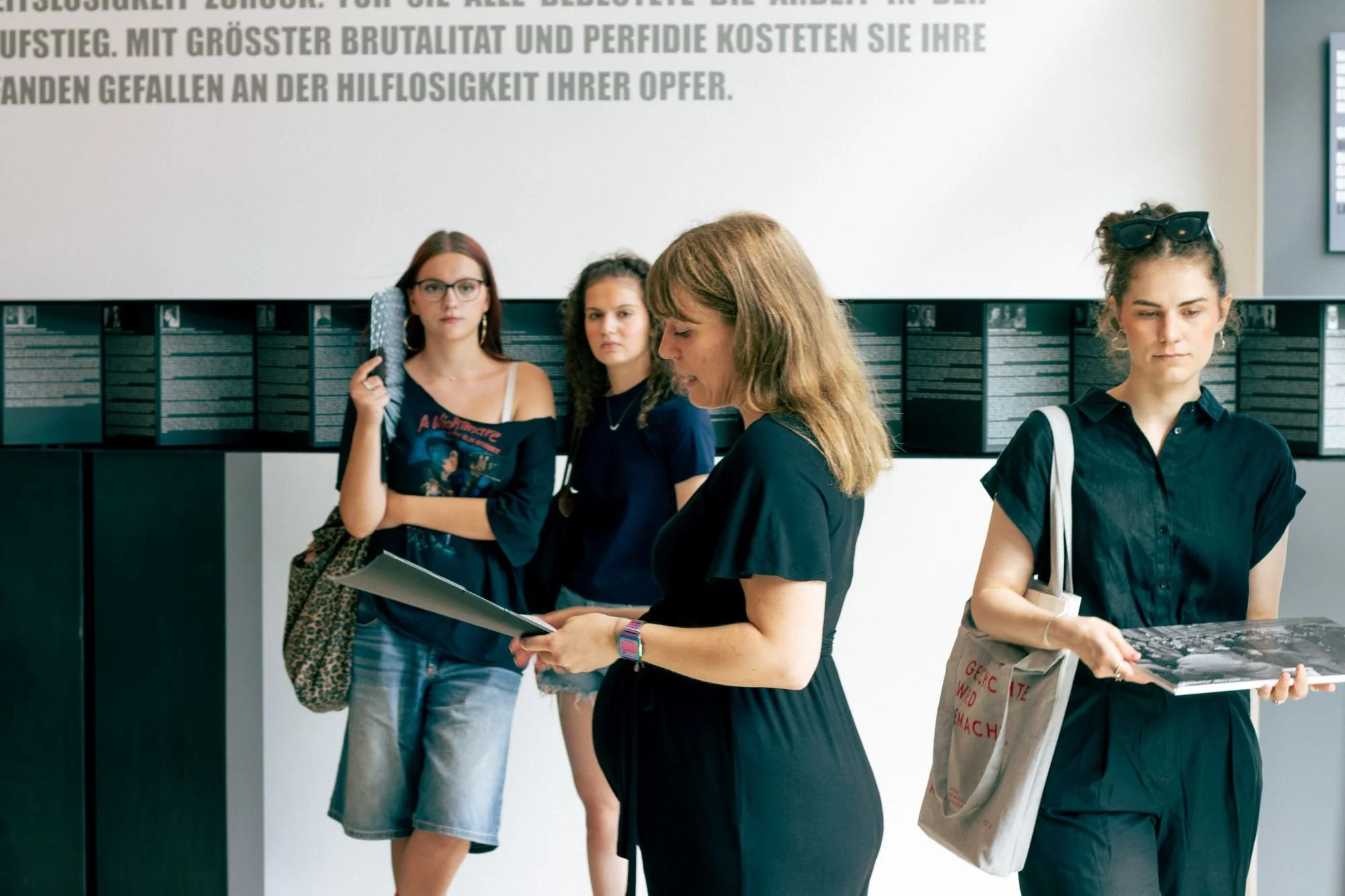
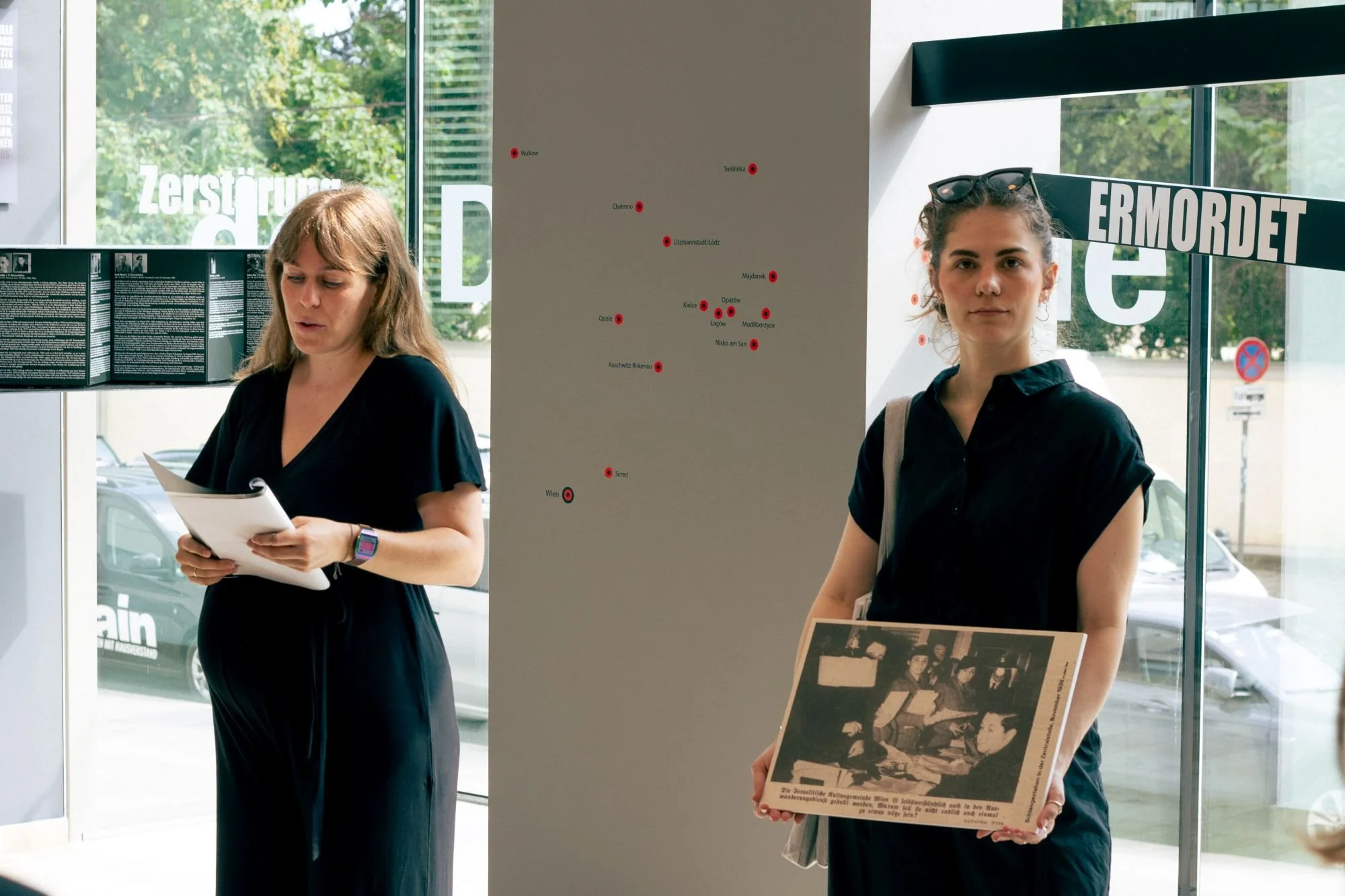
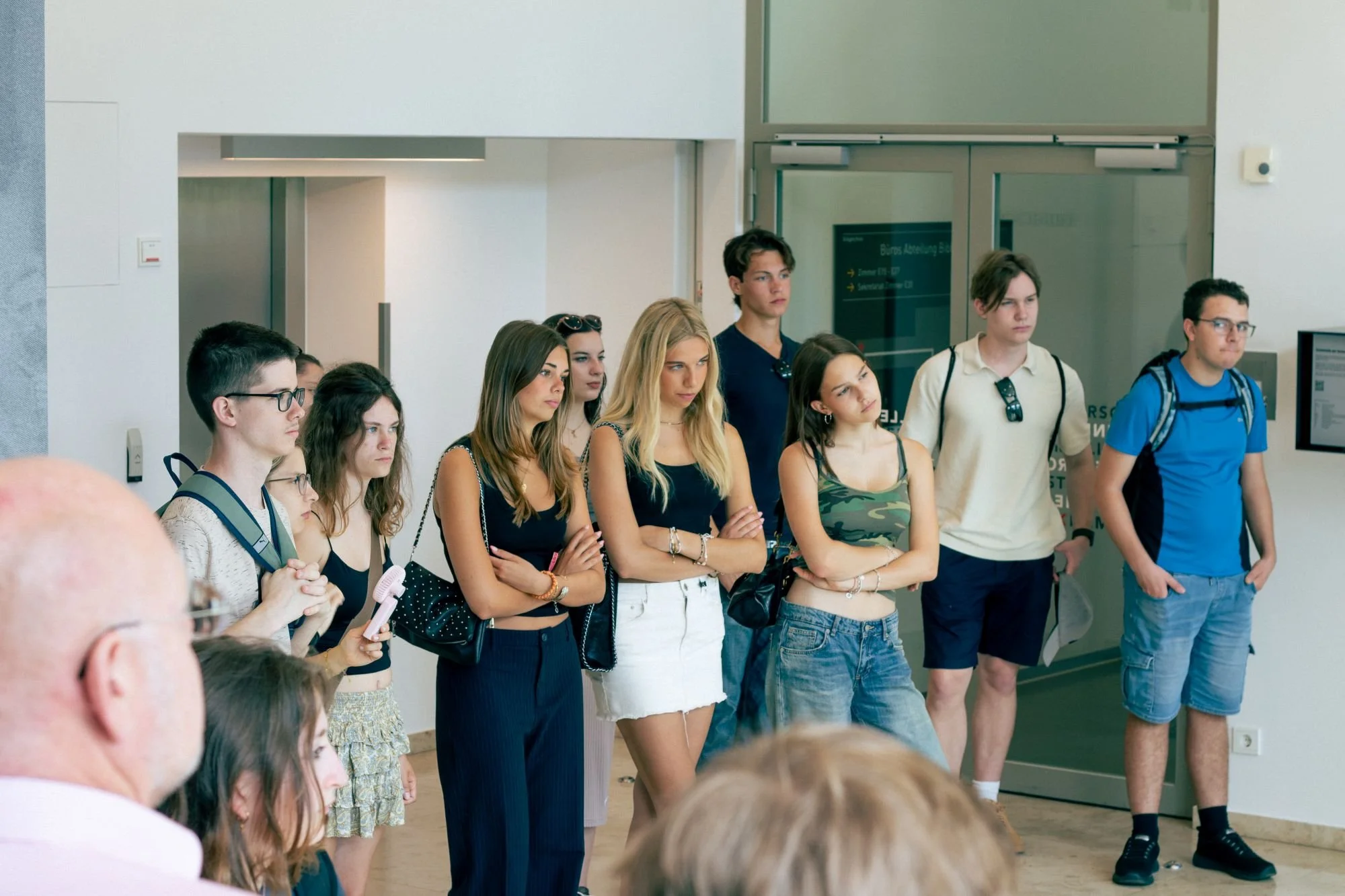
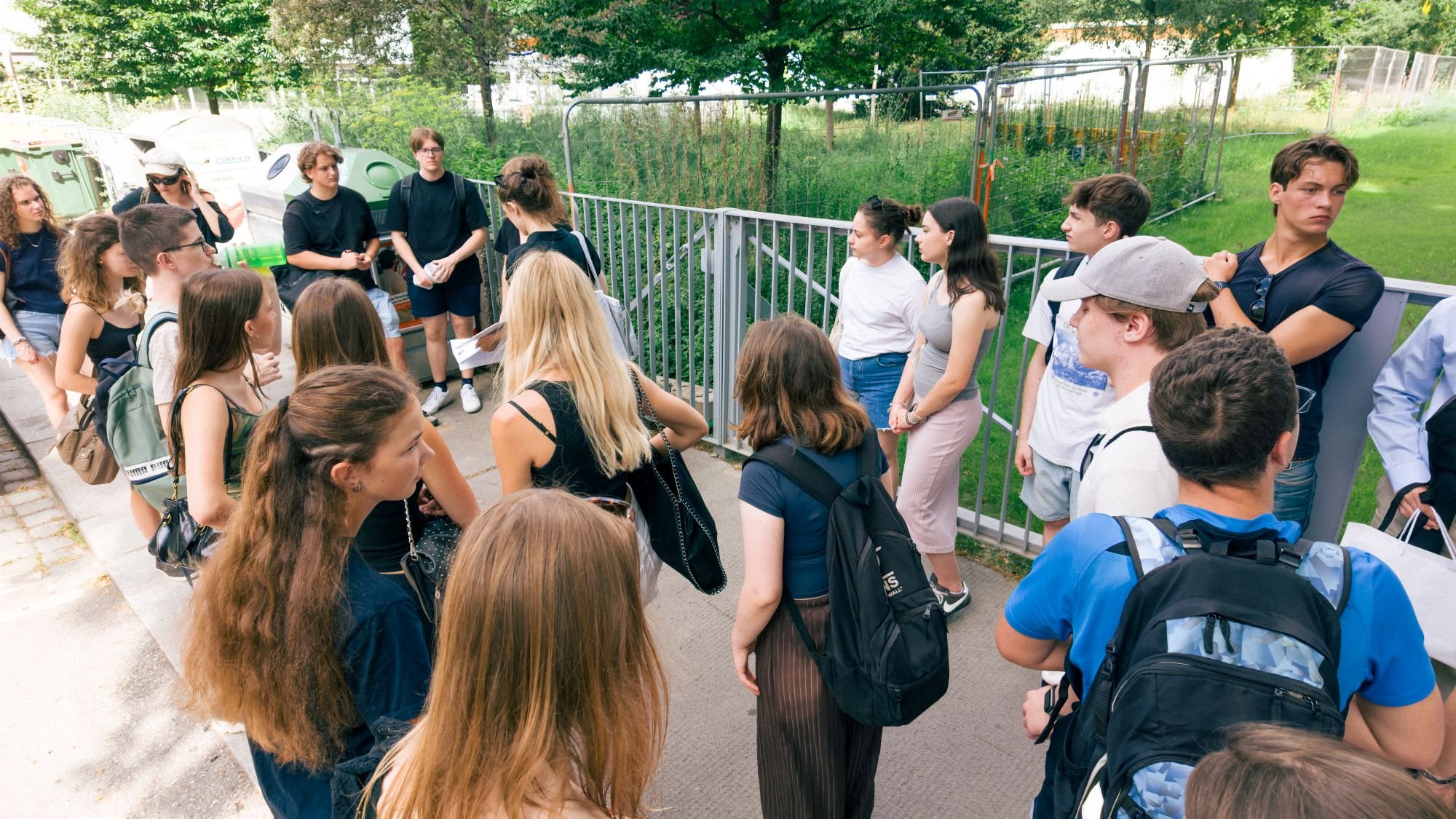
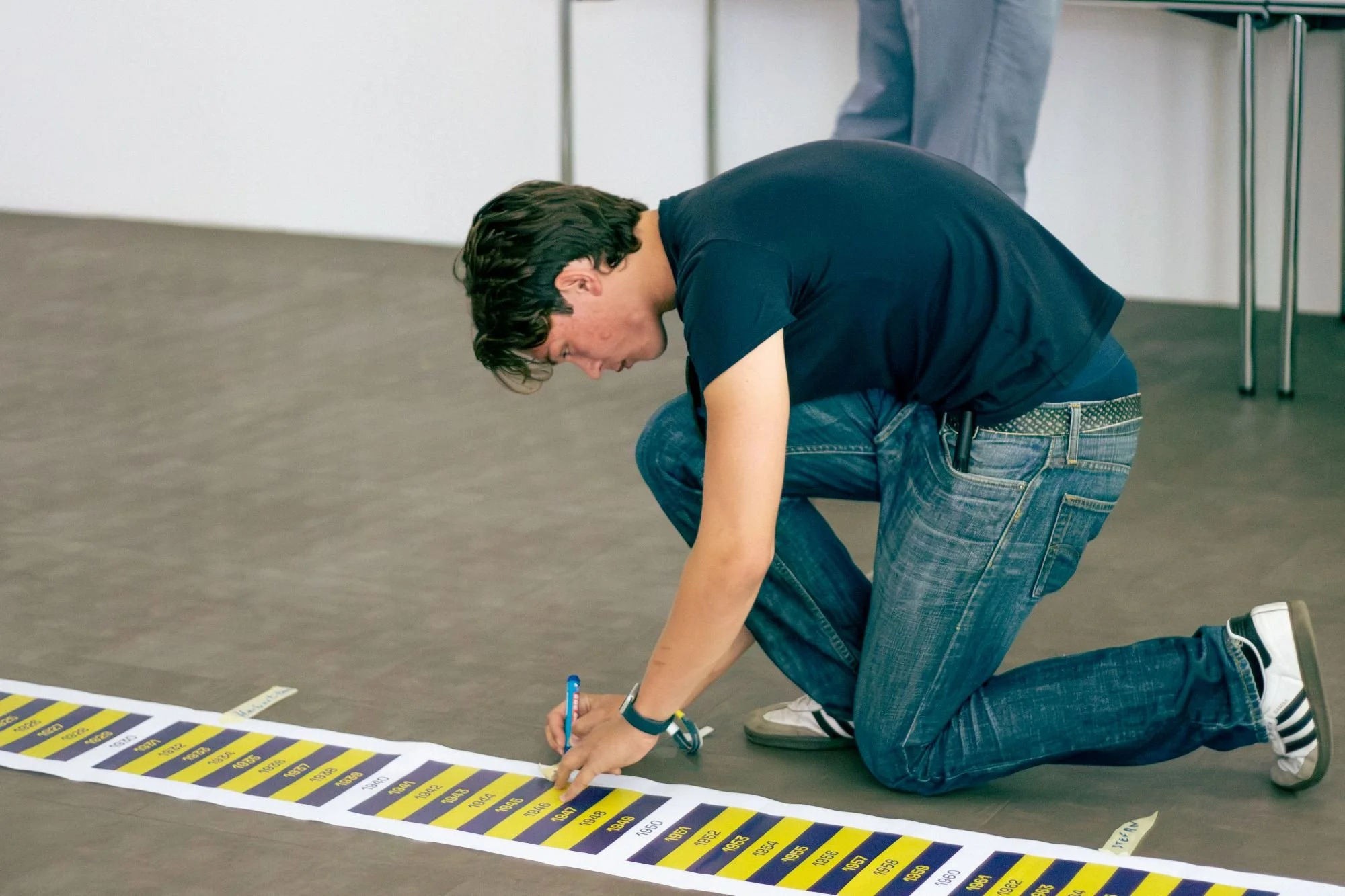
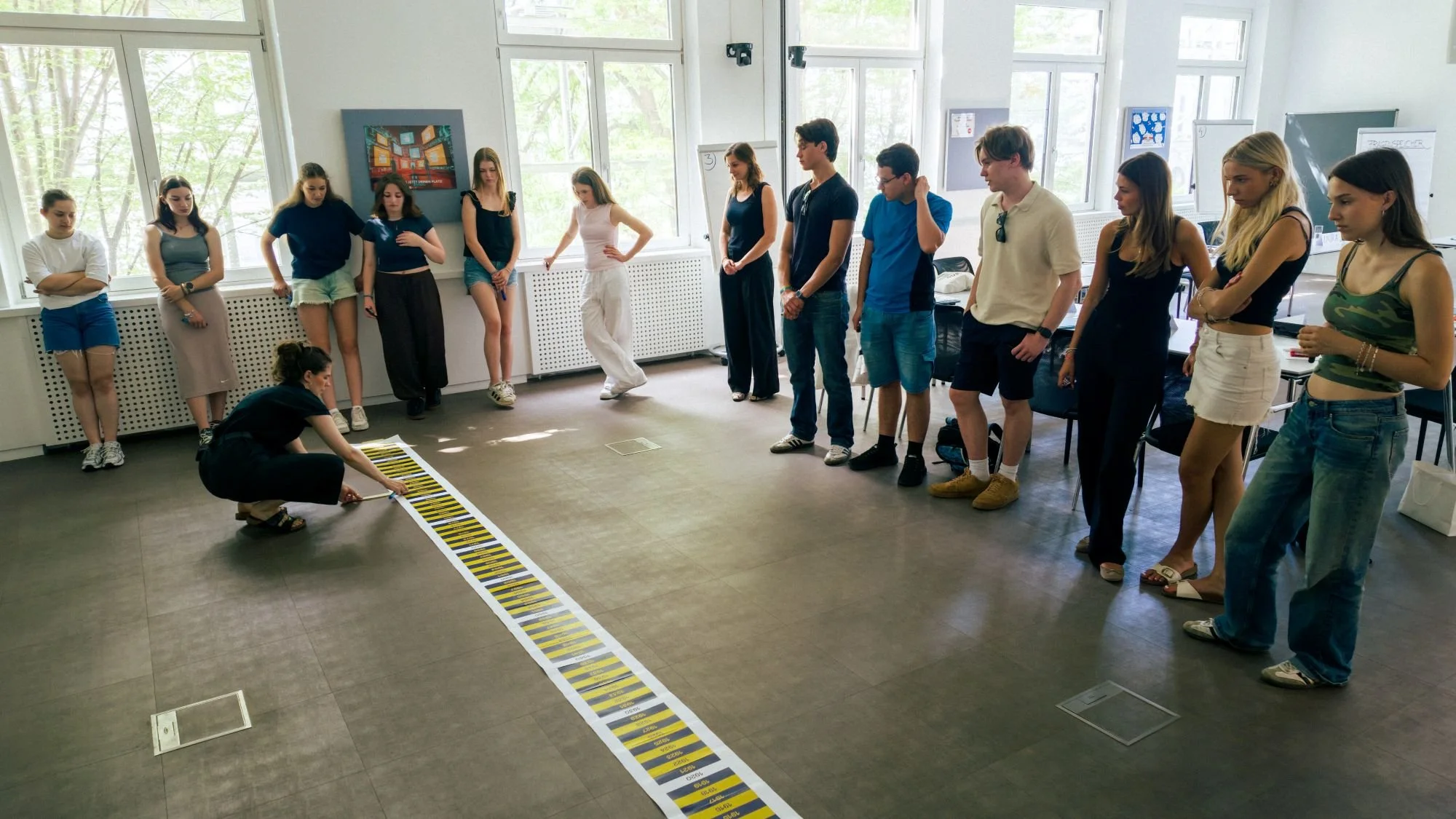
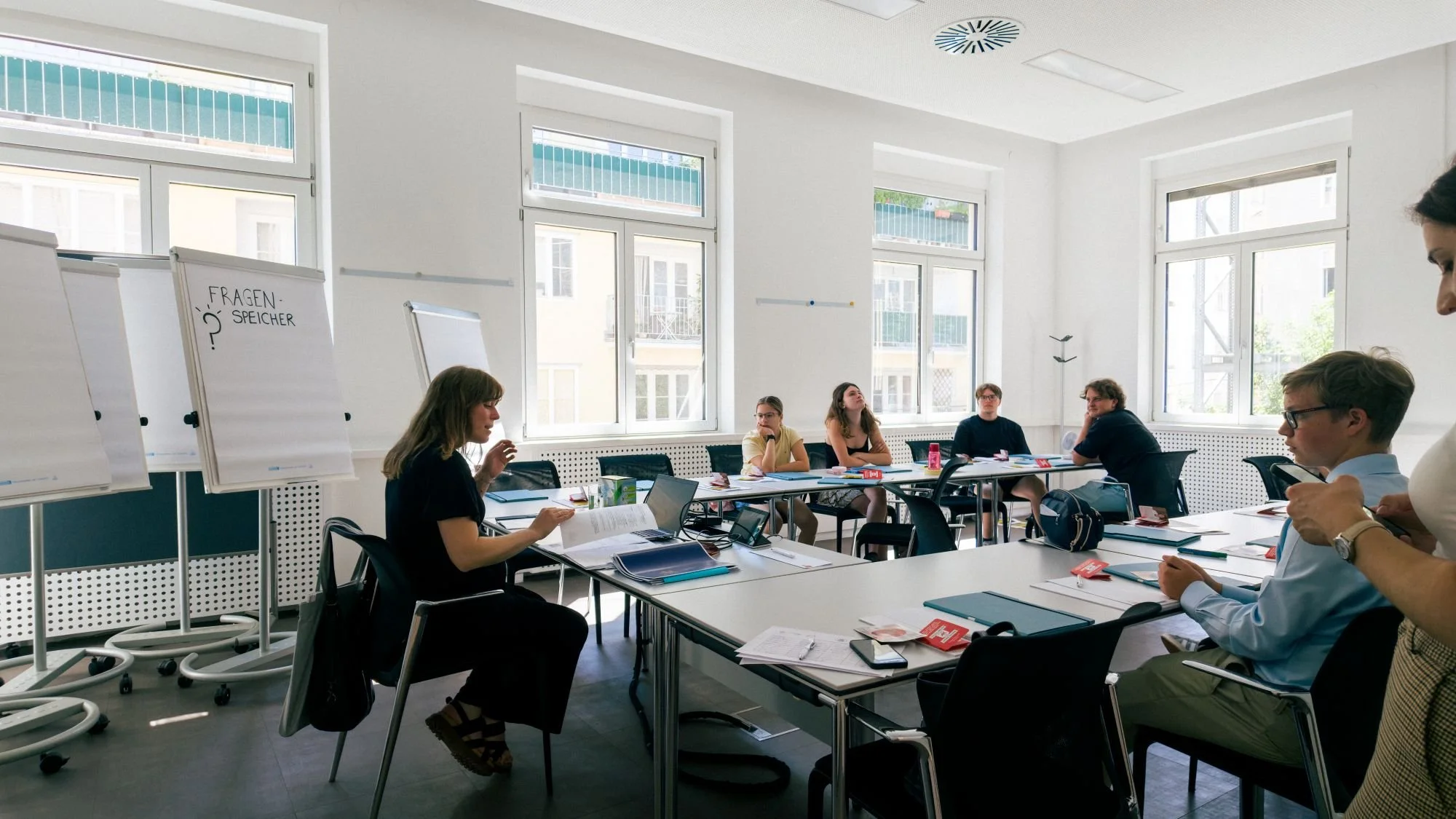
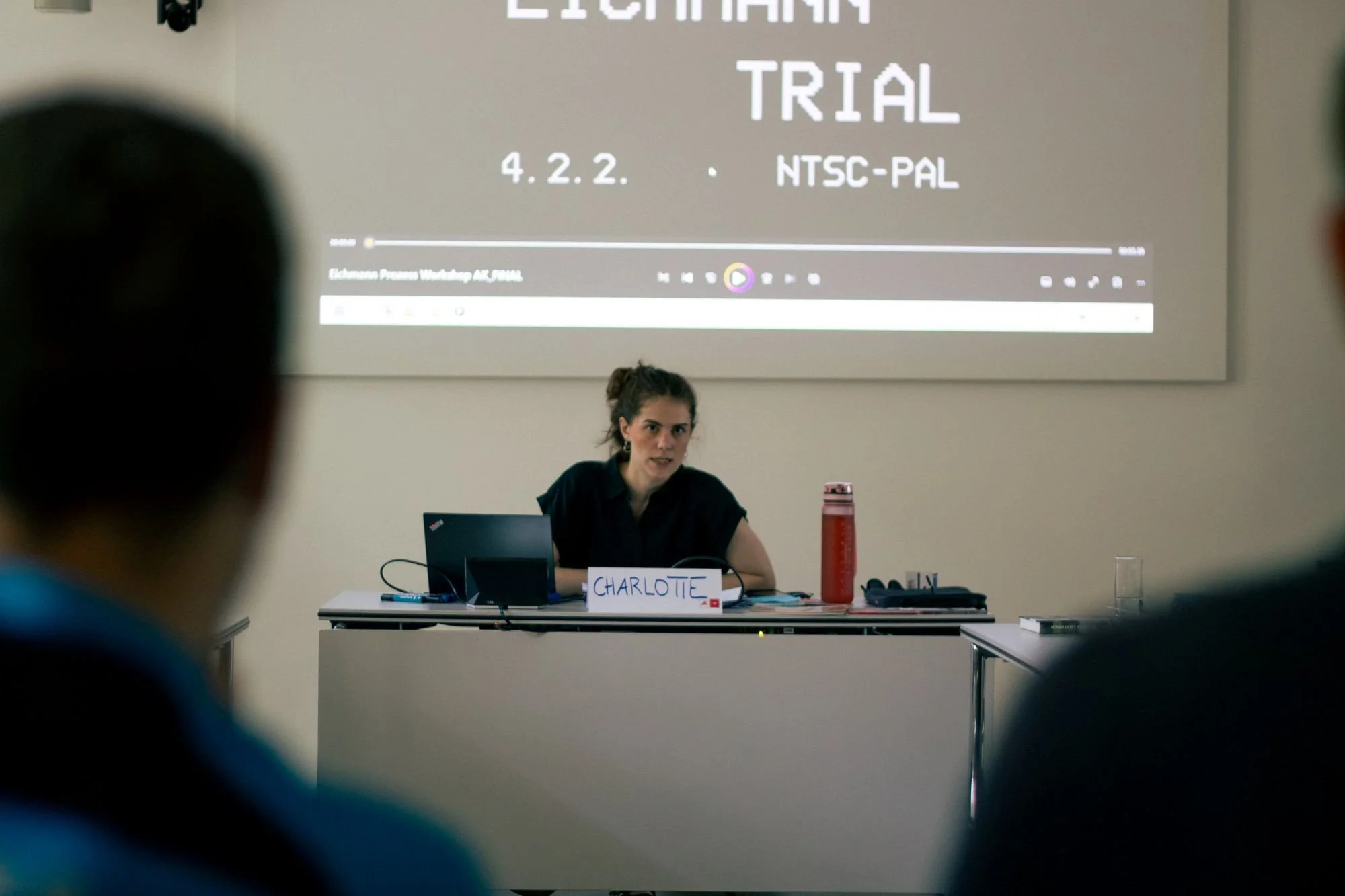
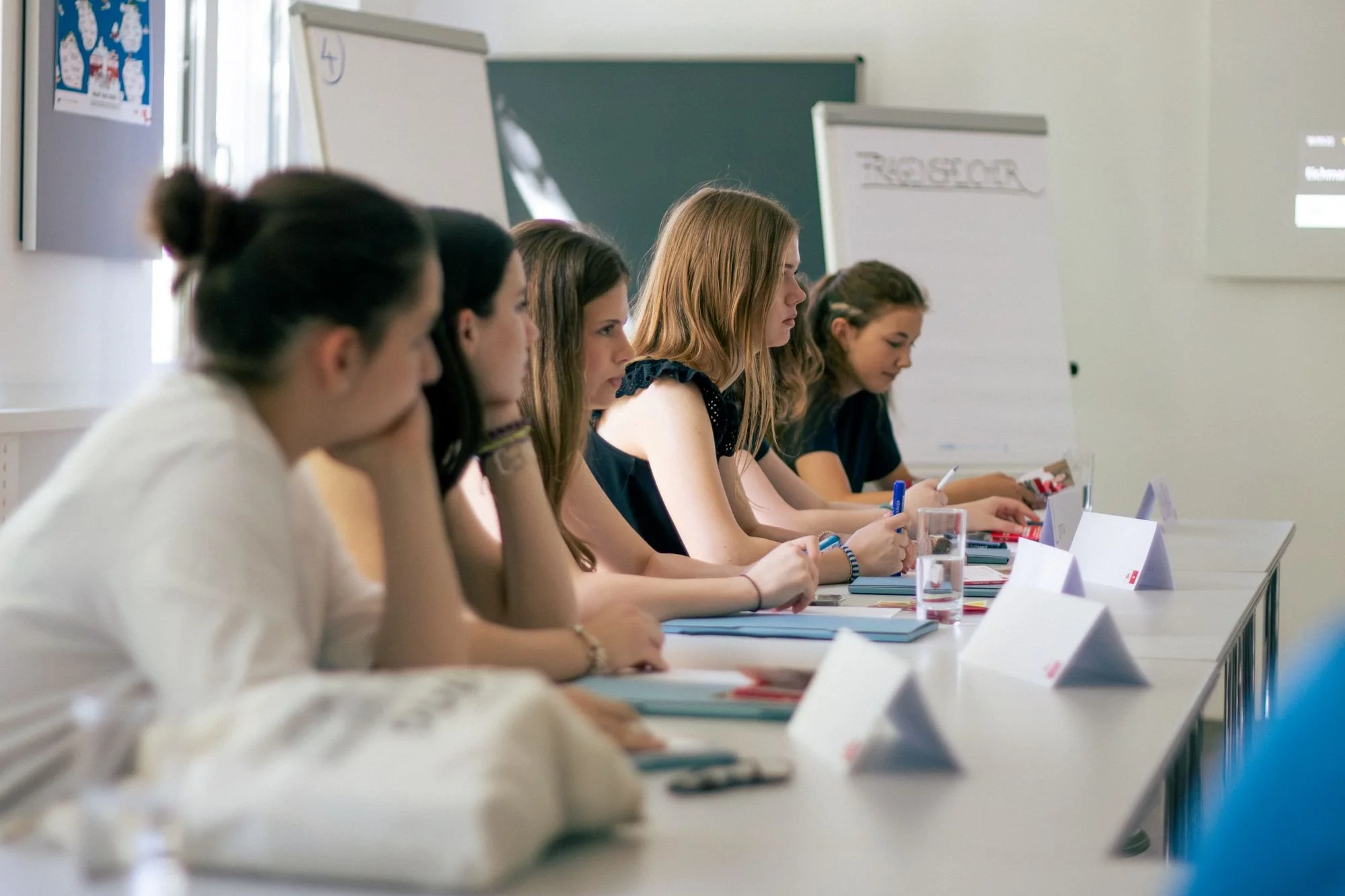
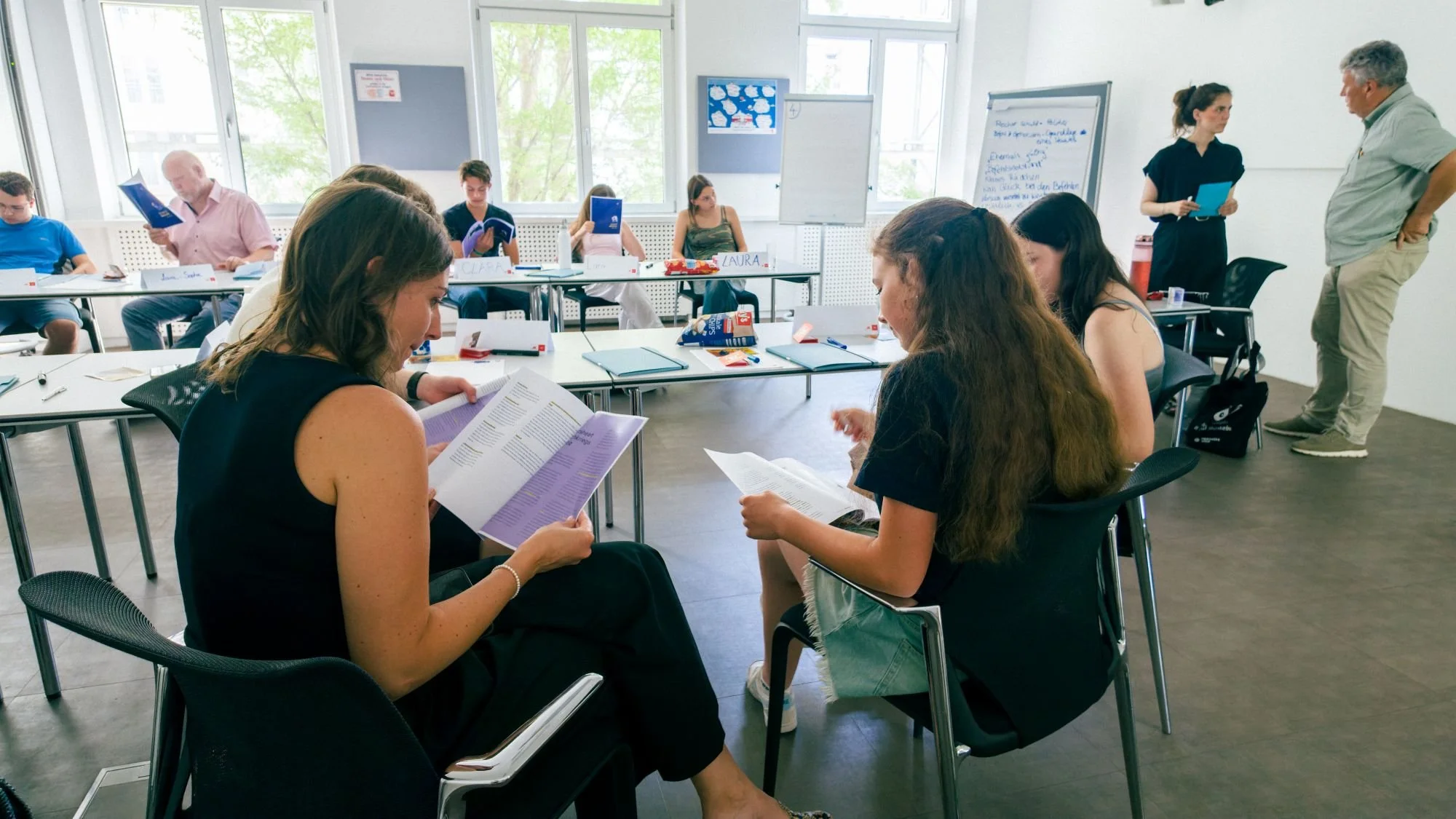
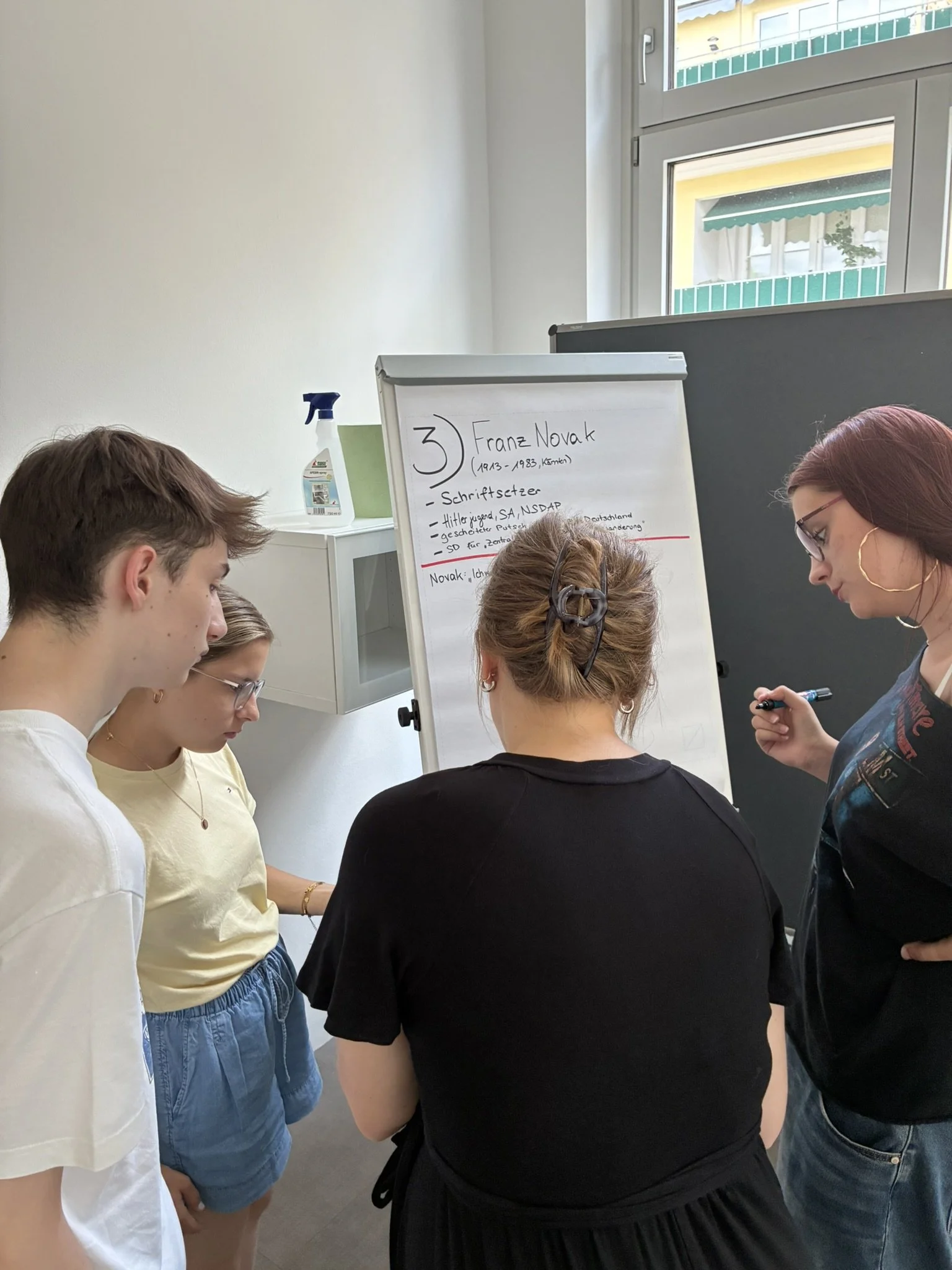
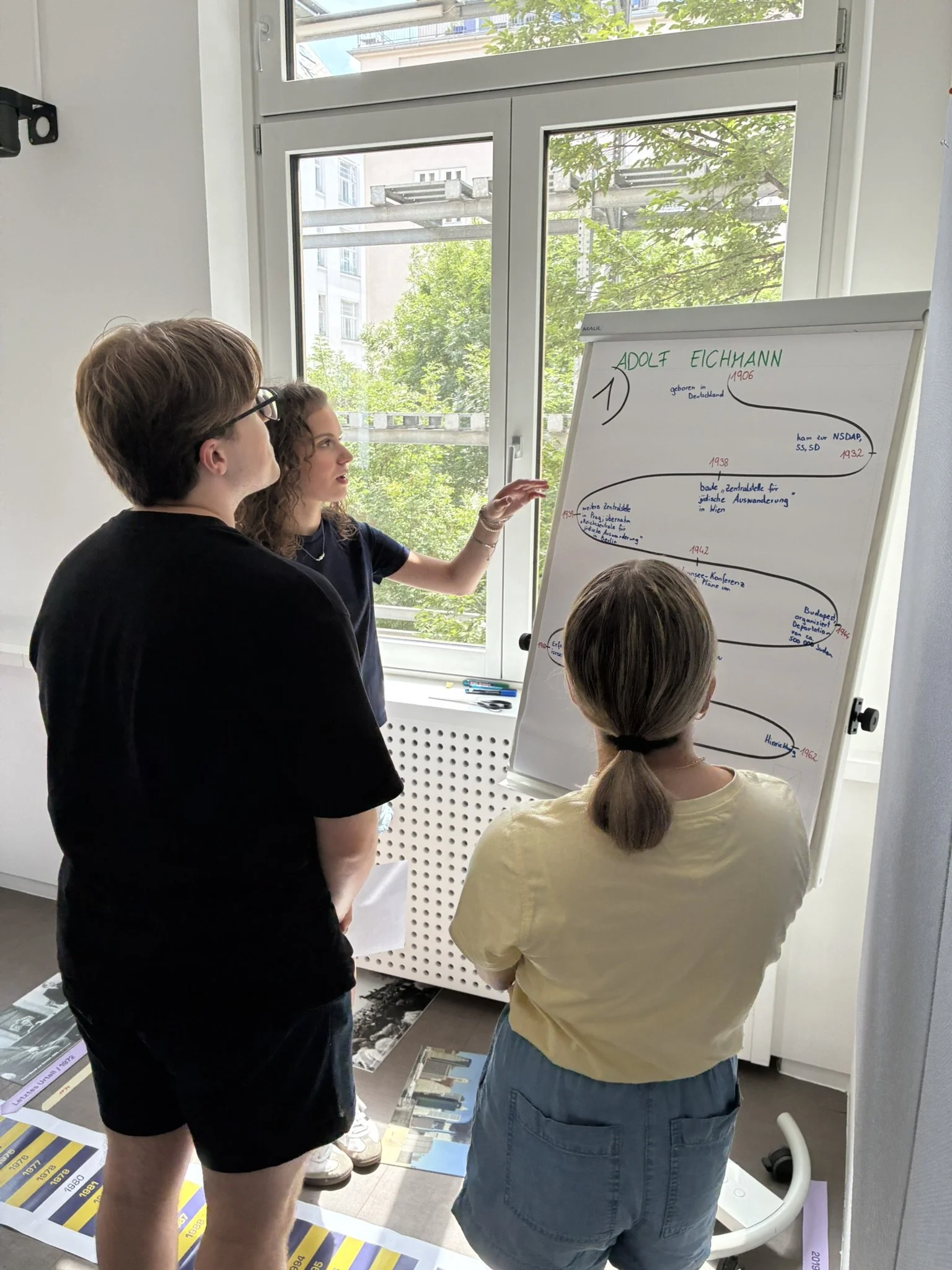
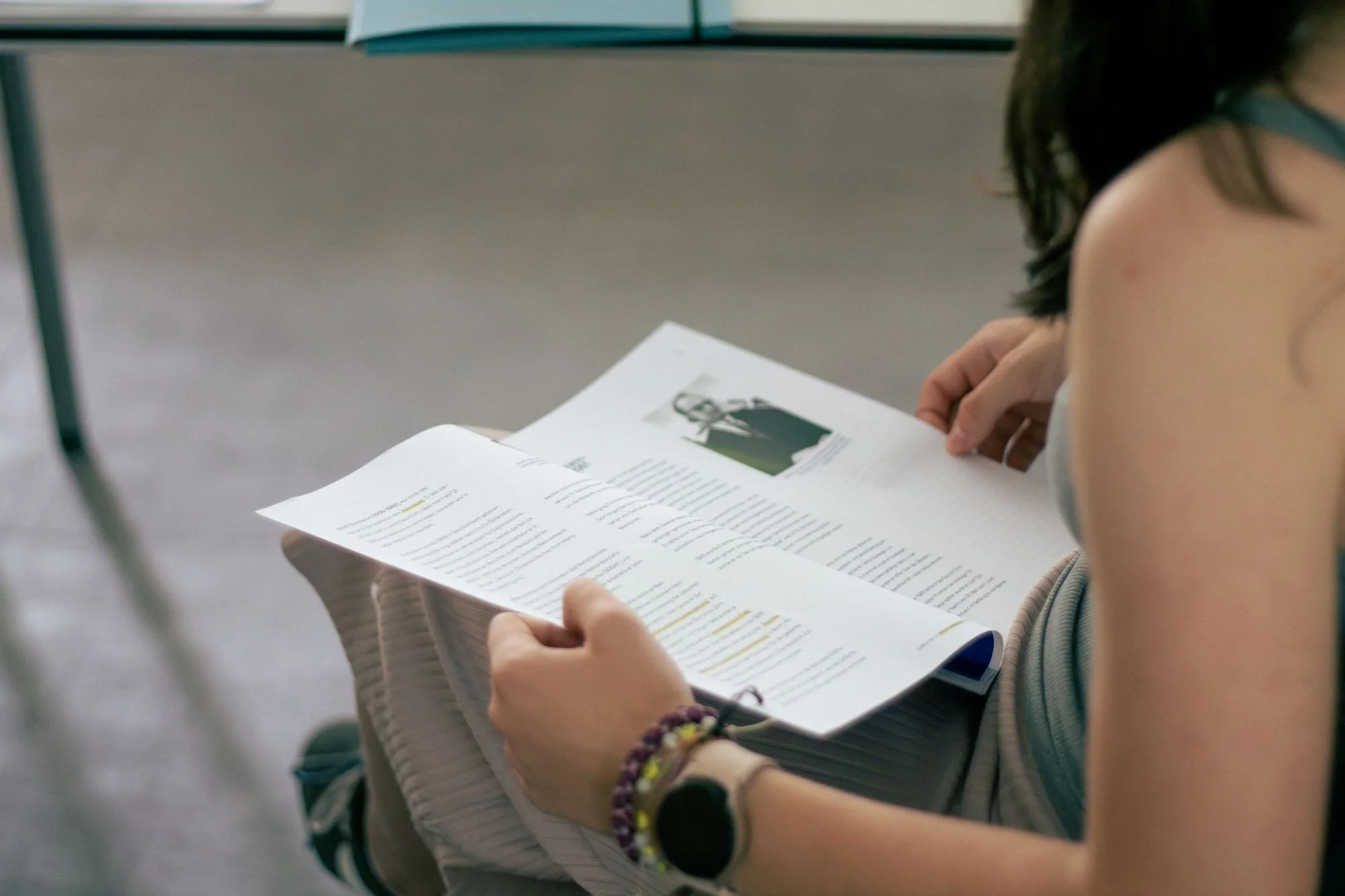
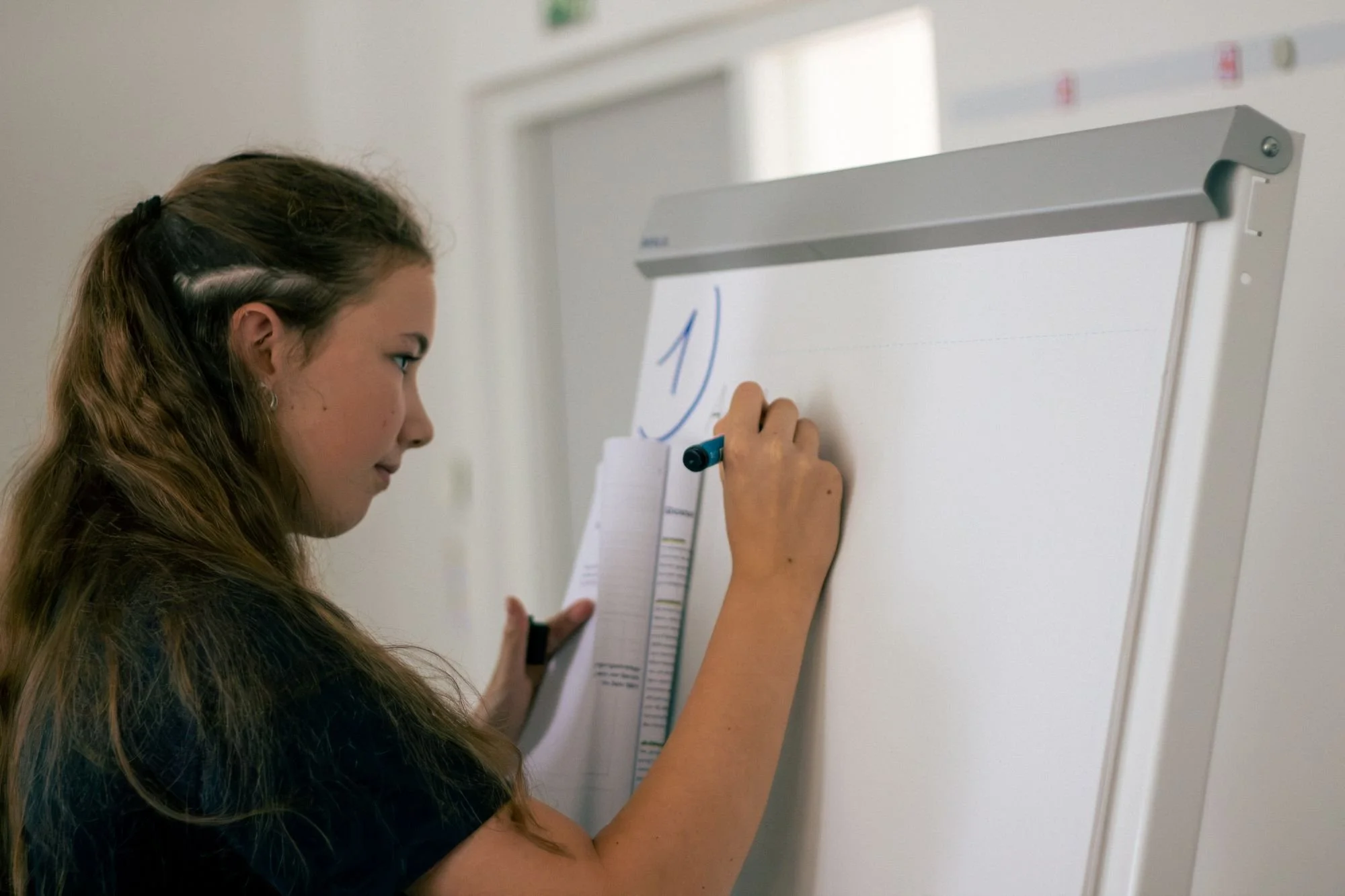
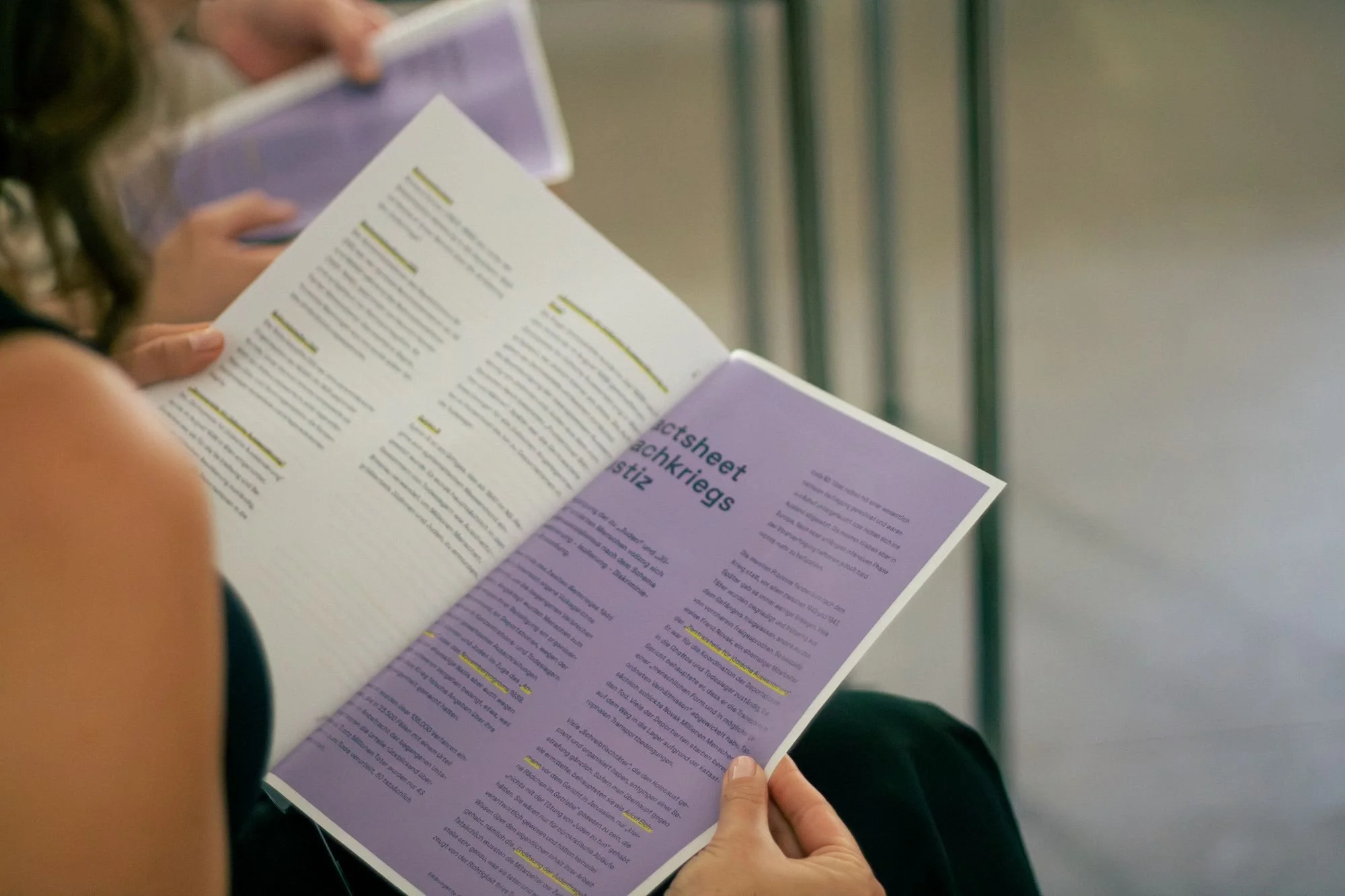
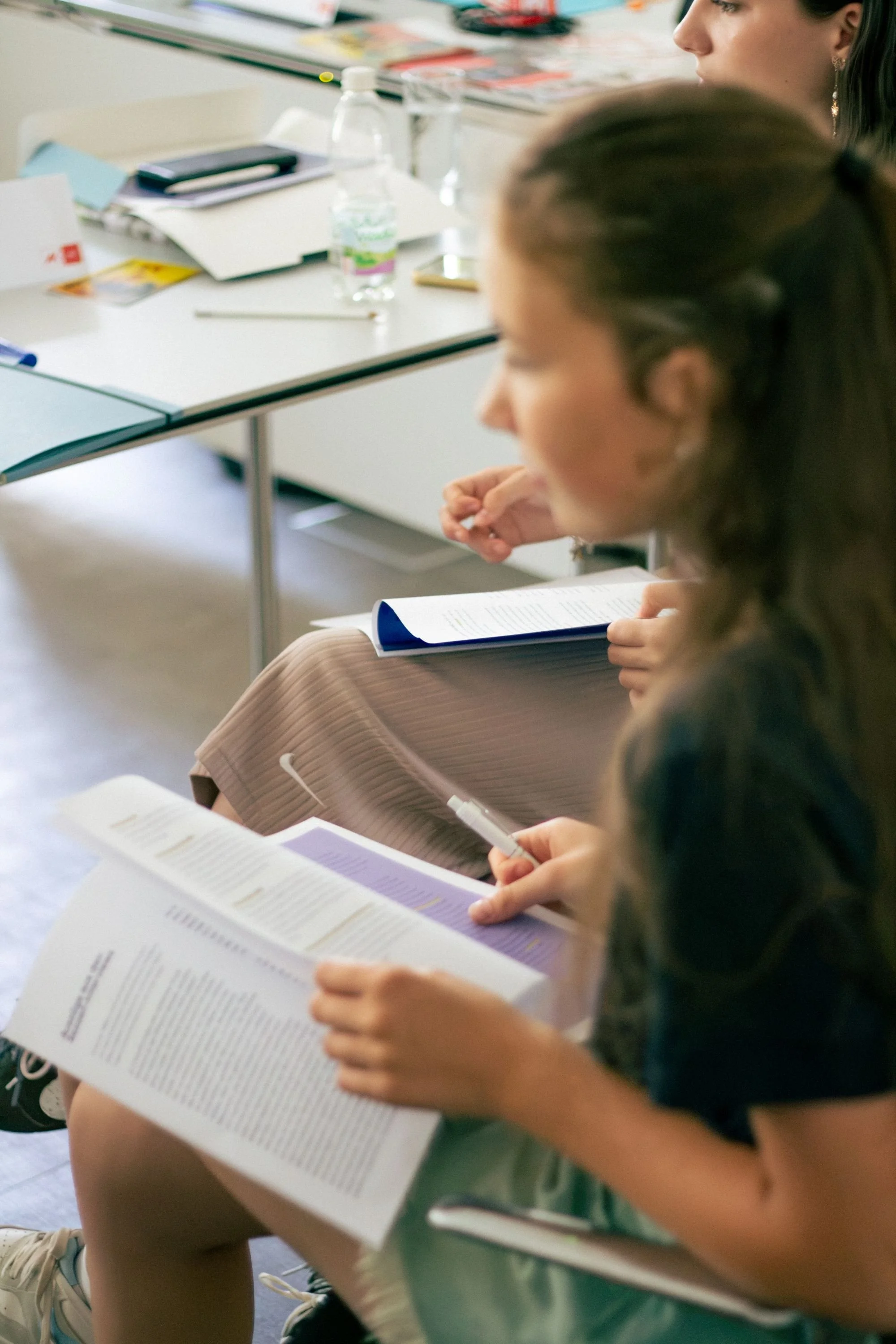
Students from Gymnasium Neusiedl am See, guided by their history teacher, moved from this exhibition into a three-hour workshop, "Coming to Terms with the Past?" (Vergangenheit bewältigen?). Their engagement went well beyond passive listening: they worked directly with historical sources and biographies, and the reflections they produced will feed into the project's digital exhibition.
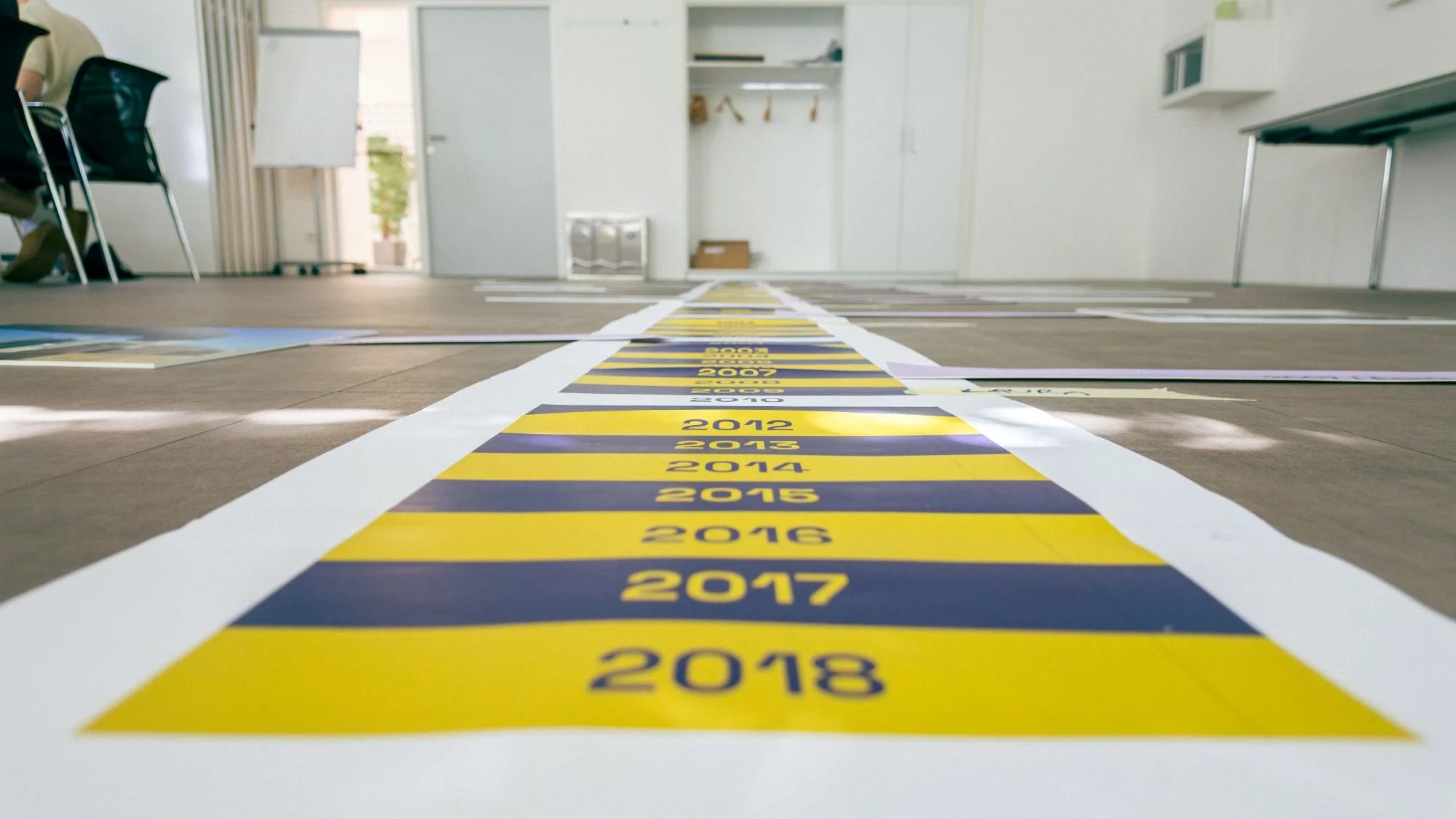
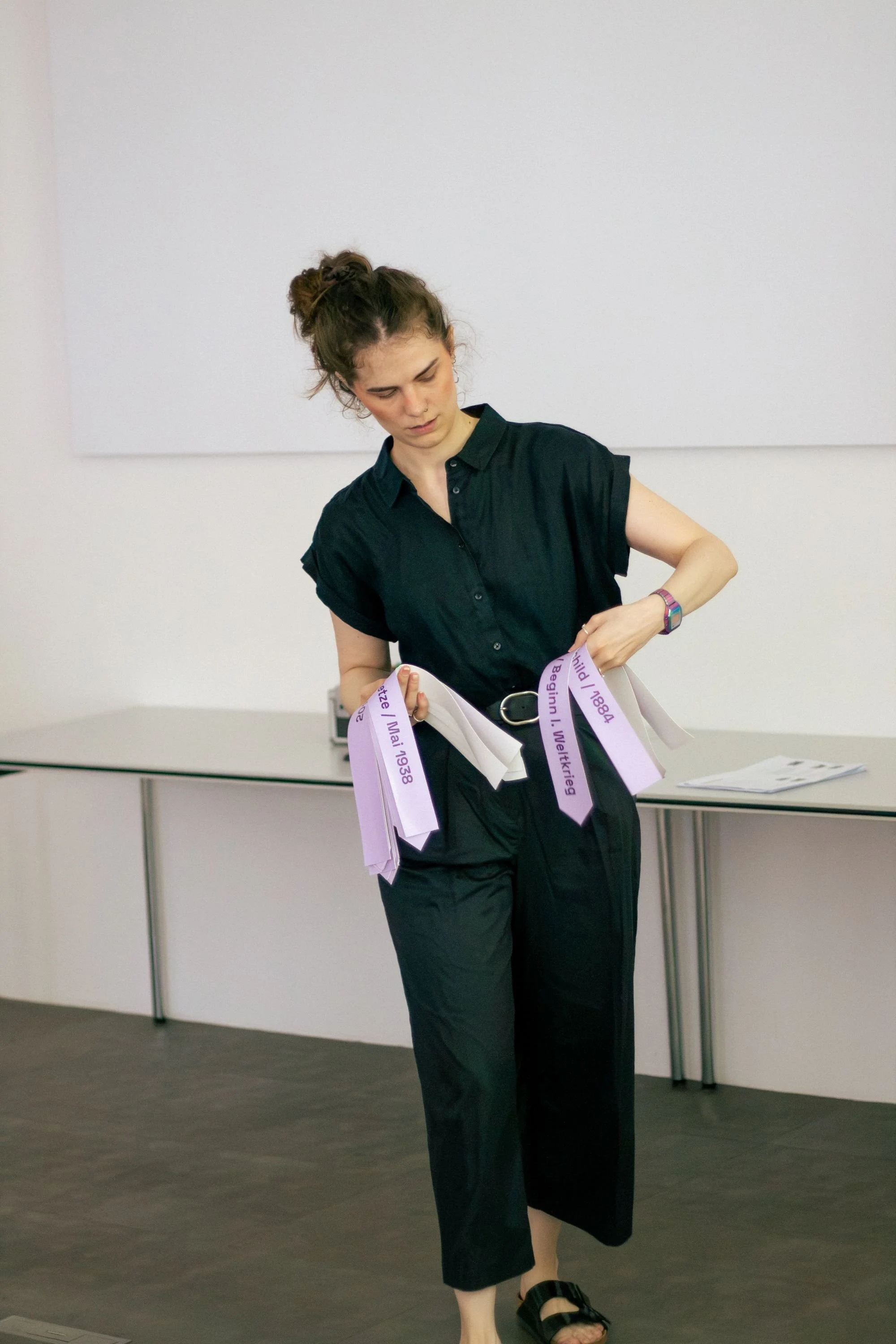
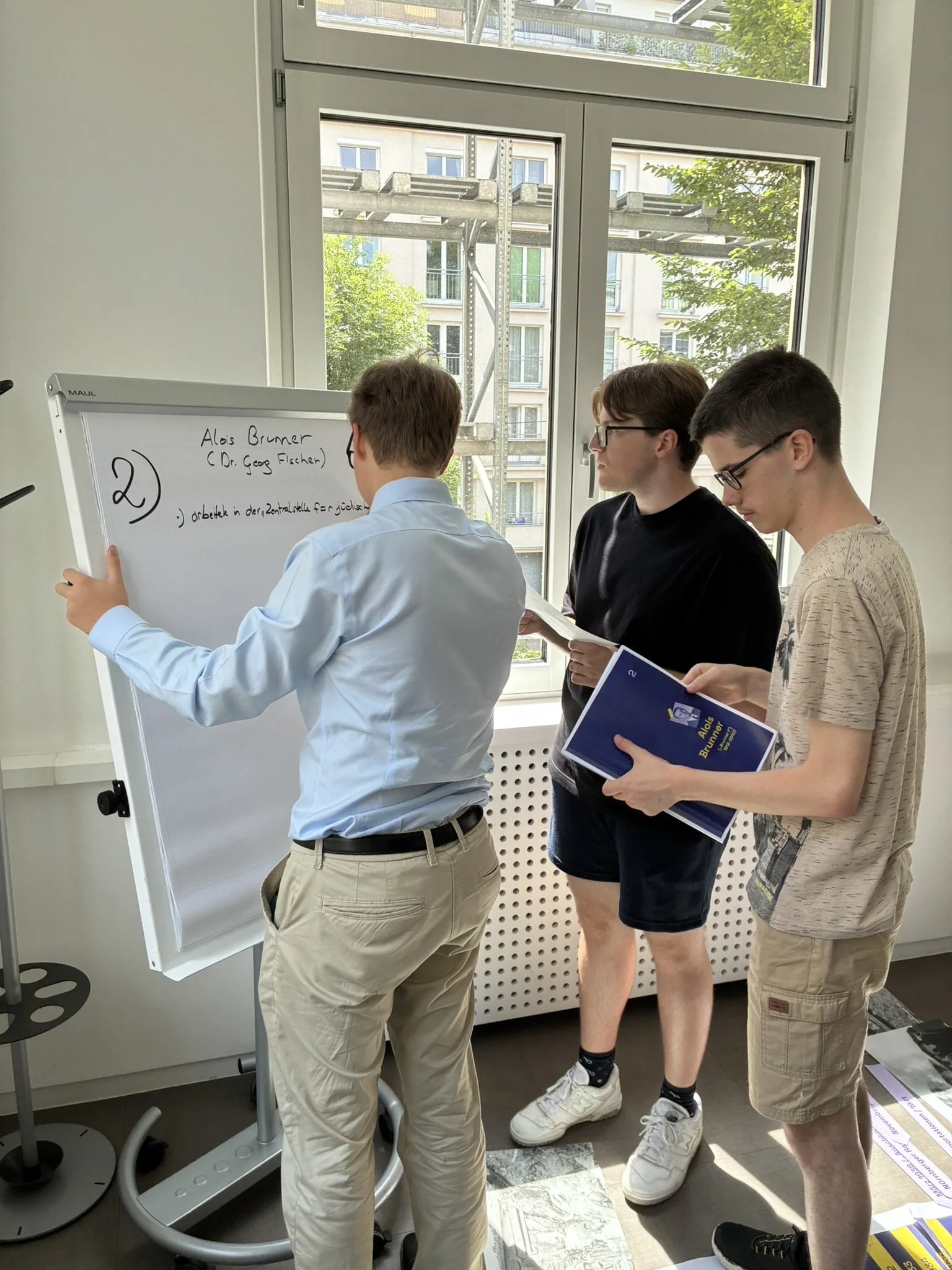
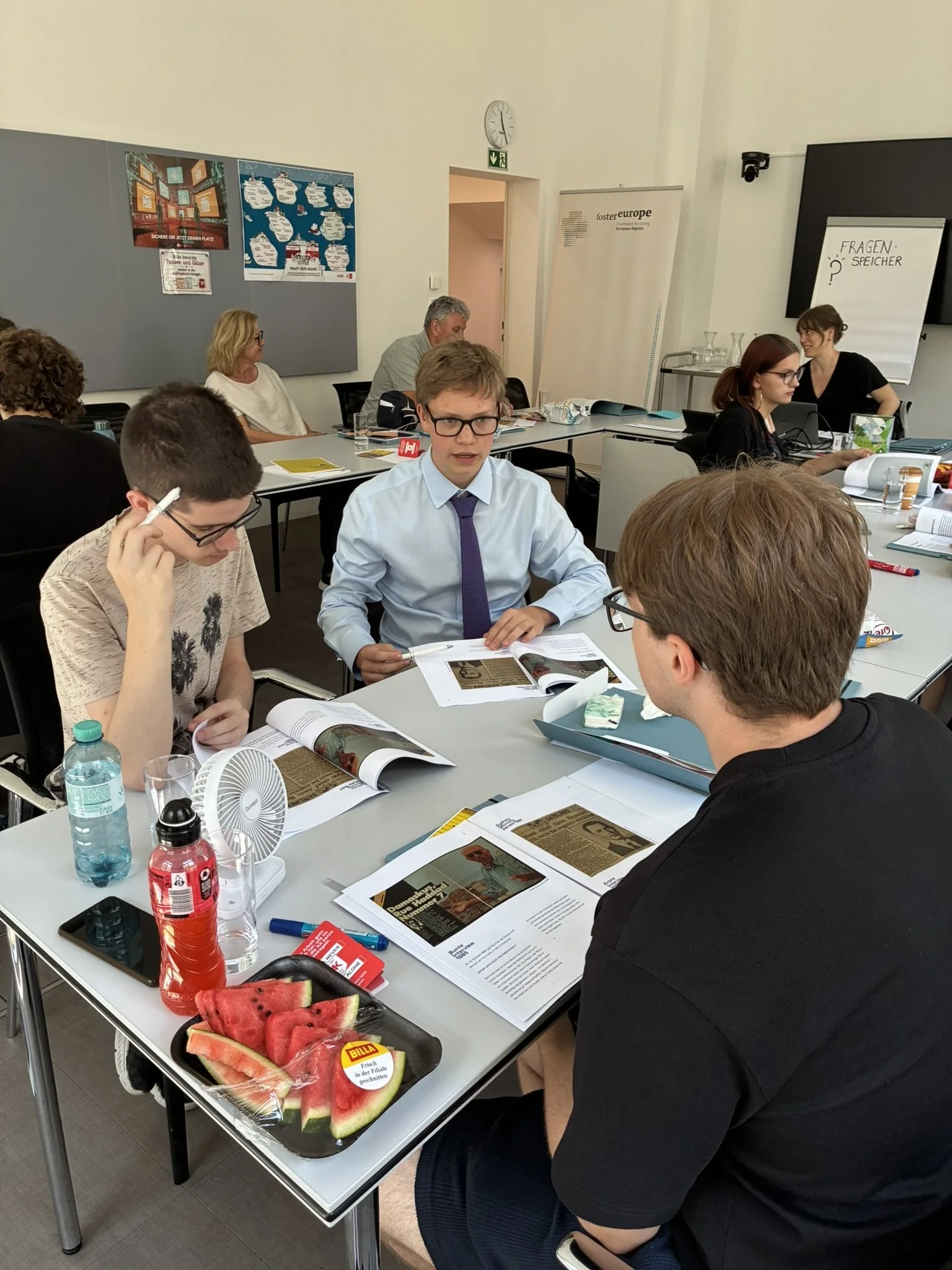
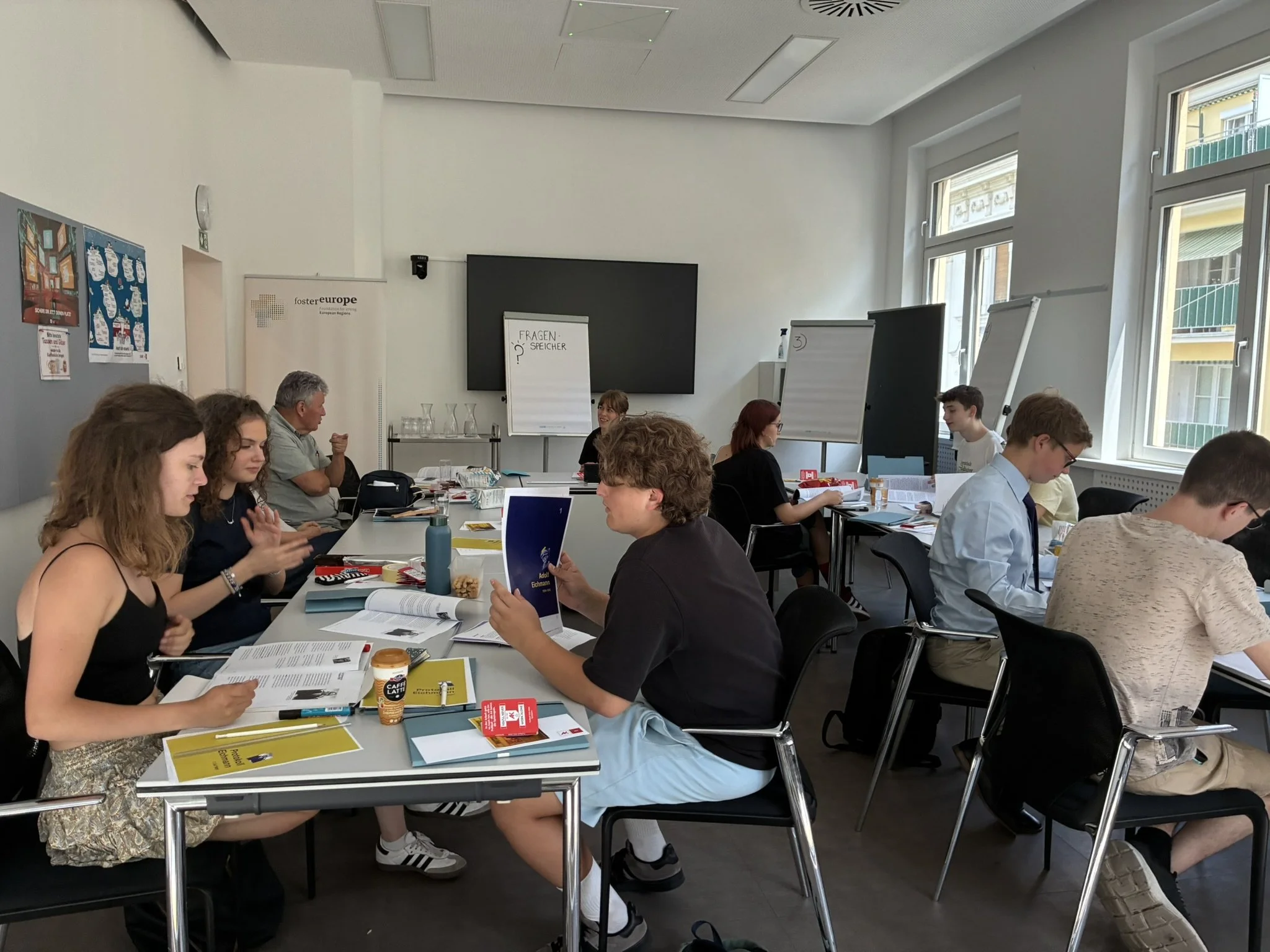
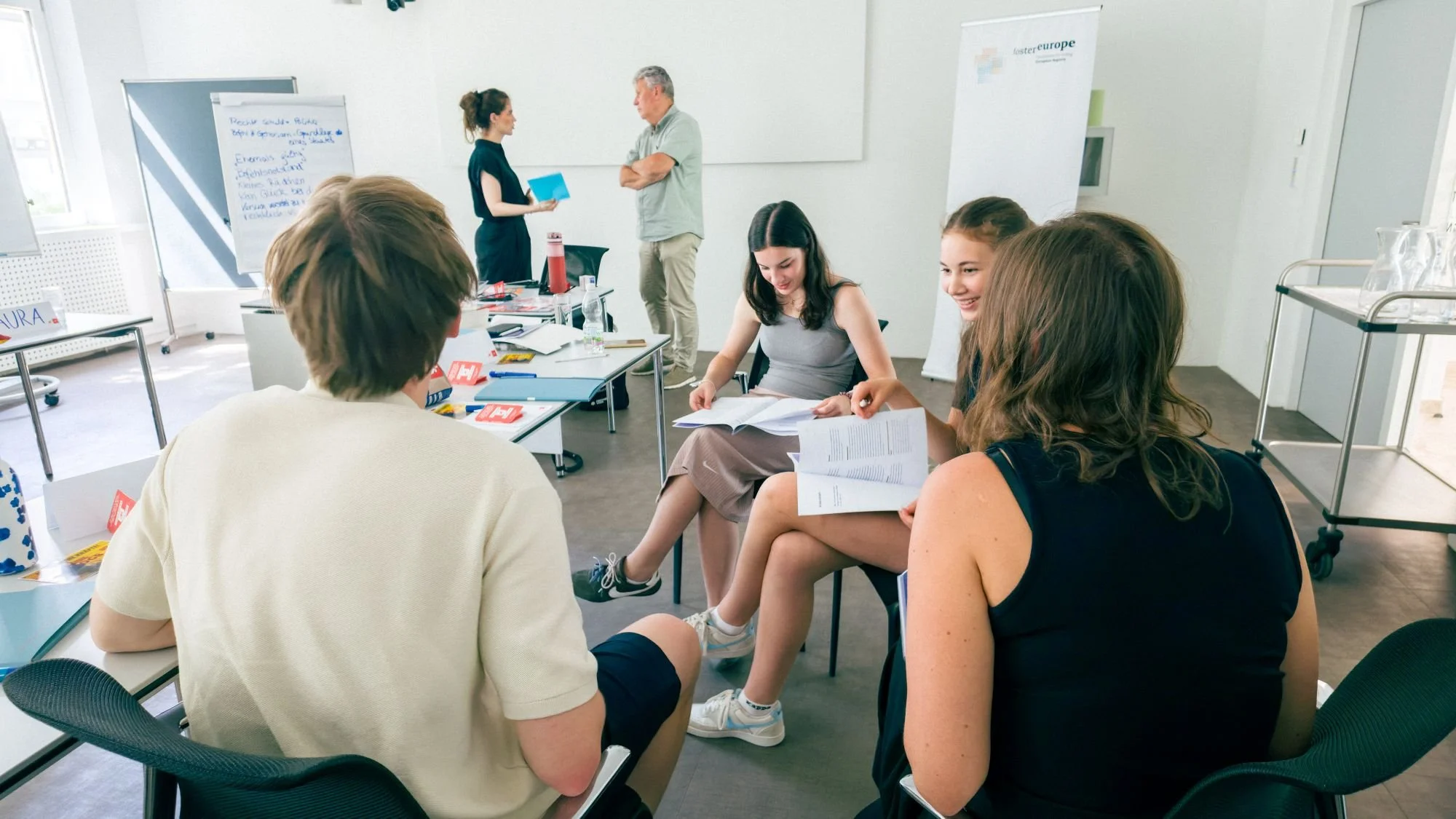
An interview with Austrian historian and teacher Dr. Herbert Brettl added further depth to the workshop's themes.
Notably, the students had already prepared for the day through peer interviews conducted beforehand on EU membership and European citizenship — a preparatory exercise that gave their later questions and contributions real grounding.
The second half of the programme shifted register, moving from historical confrontation to public discussion at the Bruno Kreisky Forum for International Dialogue. Former MEP Christian Sagartz joined Dr. Brettl for the discussion, with historian Stefan August Lütgenau moderating. Their exchange traced Austria's path into the European Union and what that accession has meant for peace, stability, and cooperation on the continent — themes that took on added weight coming directly after the morning's encounter with authoritarian history.
A further conversation with the Ambassador of Spain to Austria, H.E. Aurora Mejía Errasquín, turned attention to a different but related transition: women's experiences moving from the Franco dictatorship into democracy and EU membership. The discussion traced real gains in rights and education alongside inequalities that persist today, and opened into a broader reflection on what remains to be done for gender equality across Europe in the coming decade.
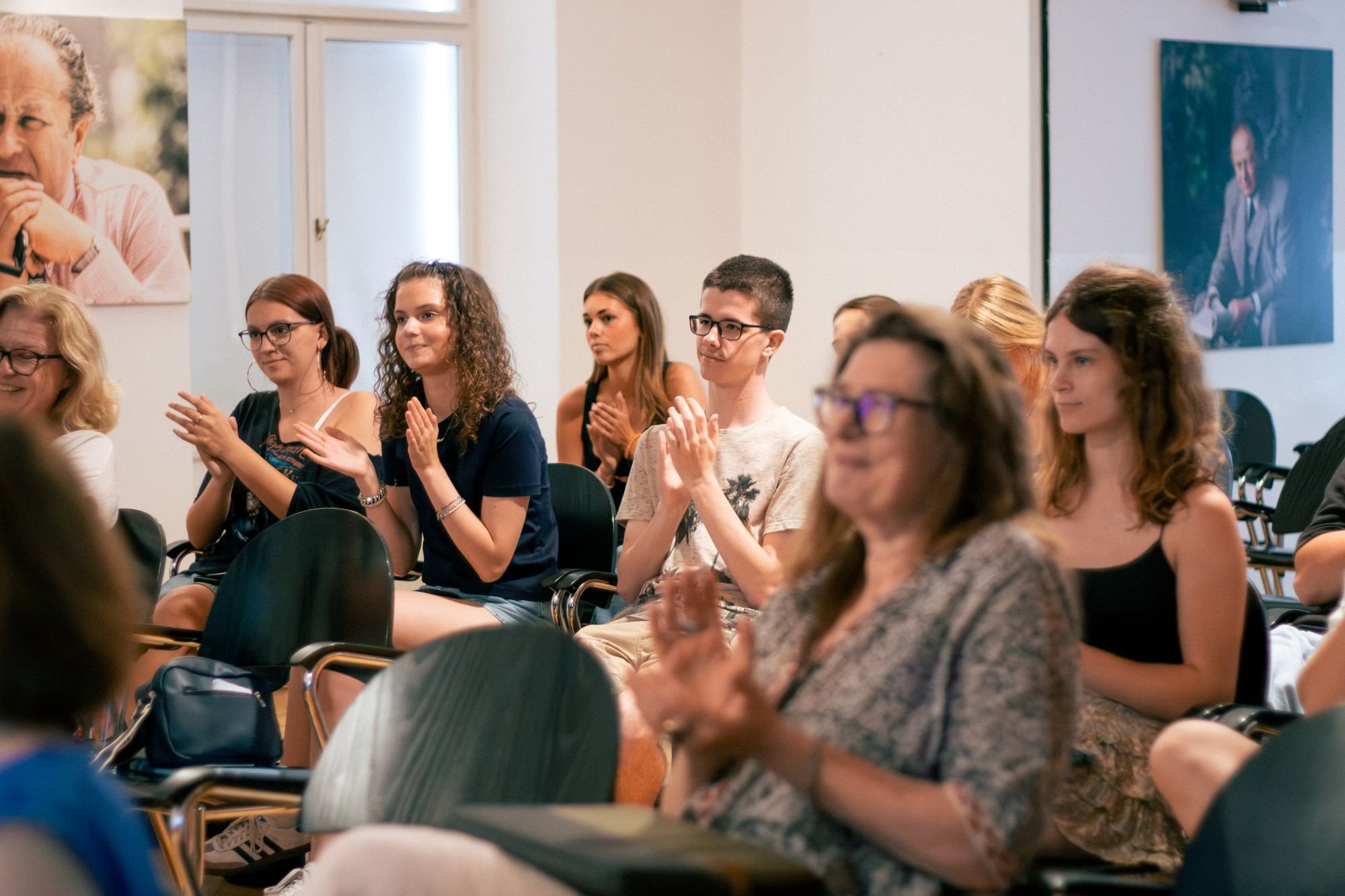
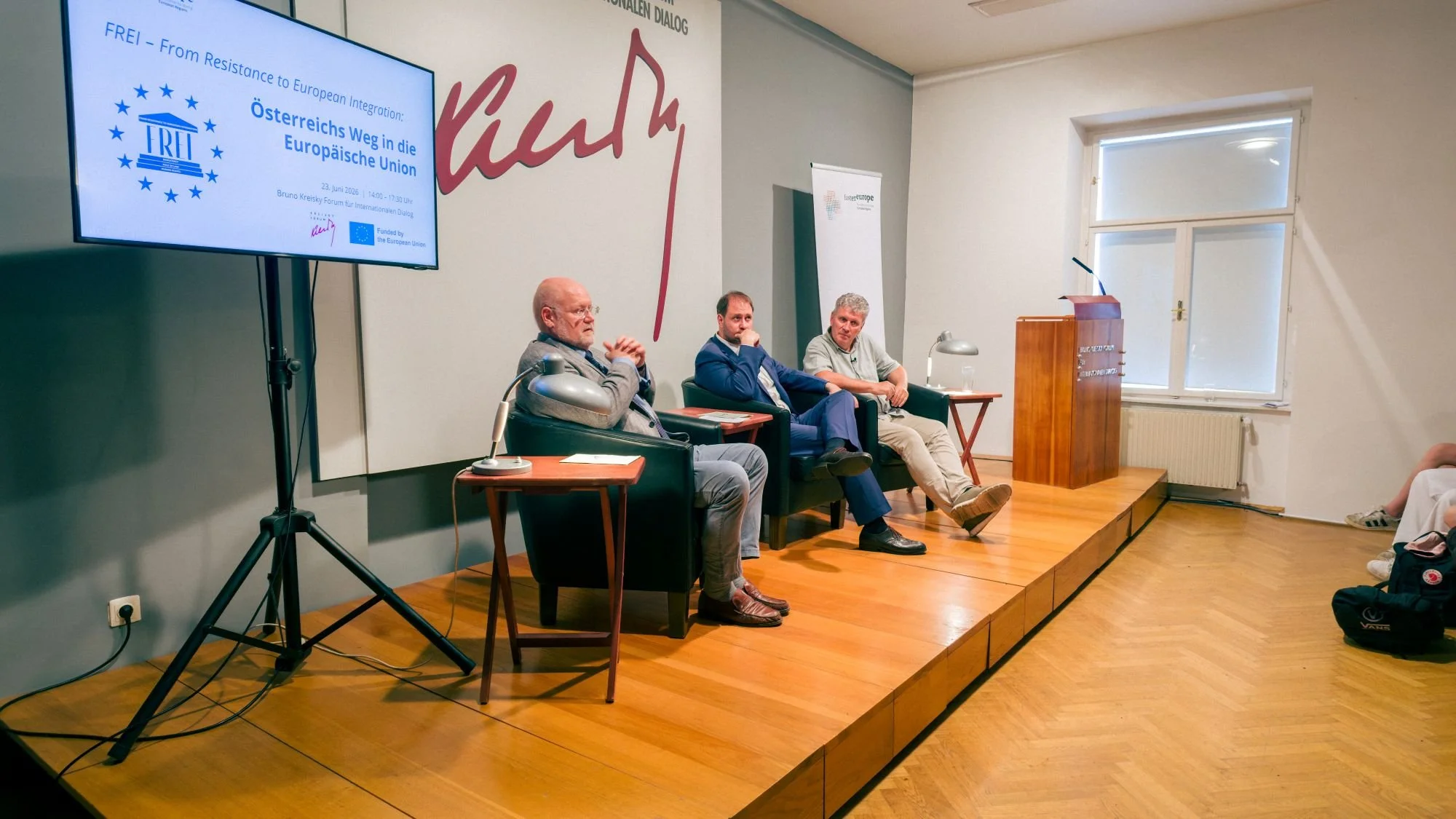
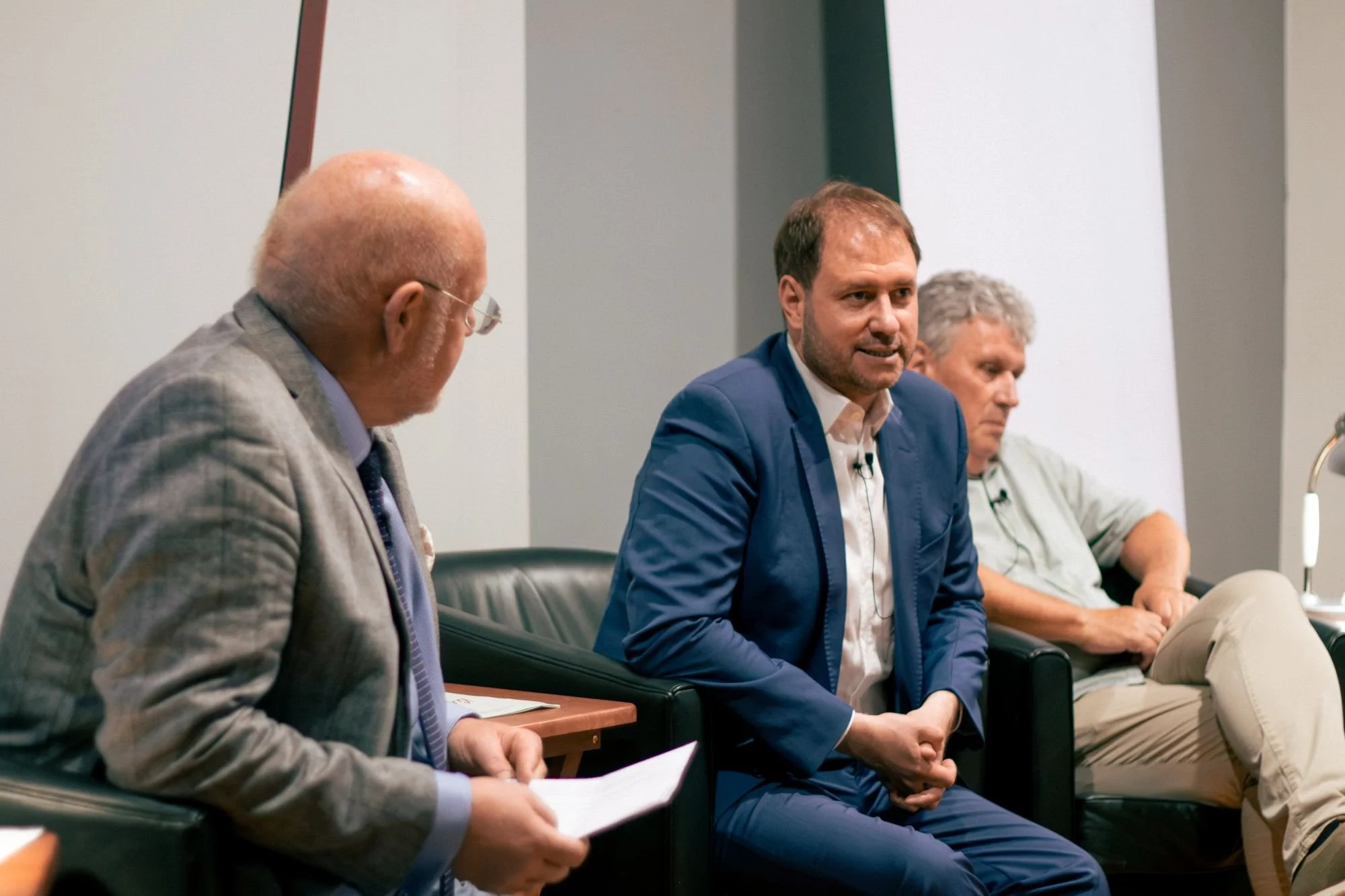
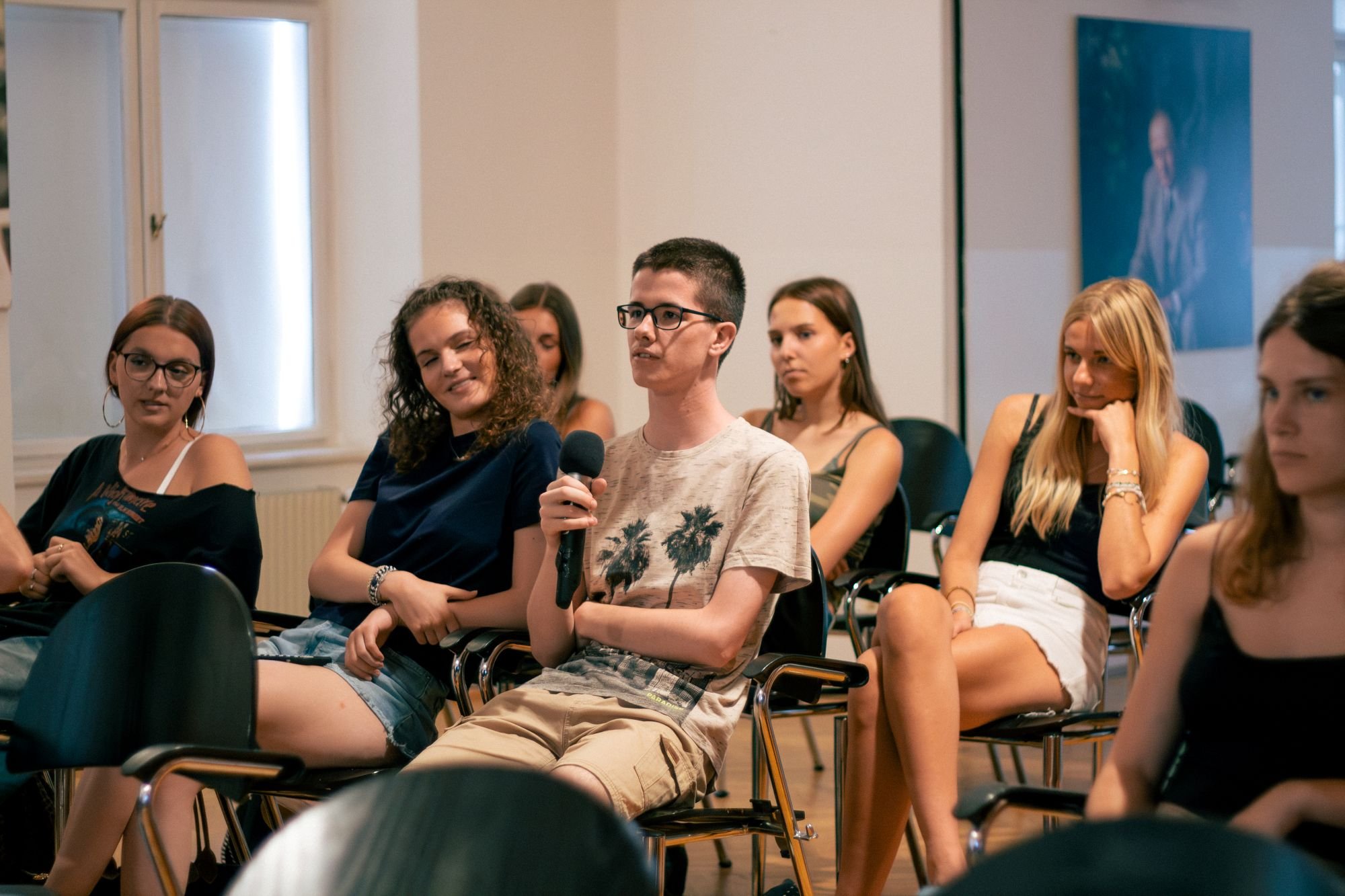
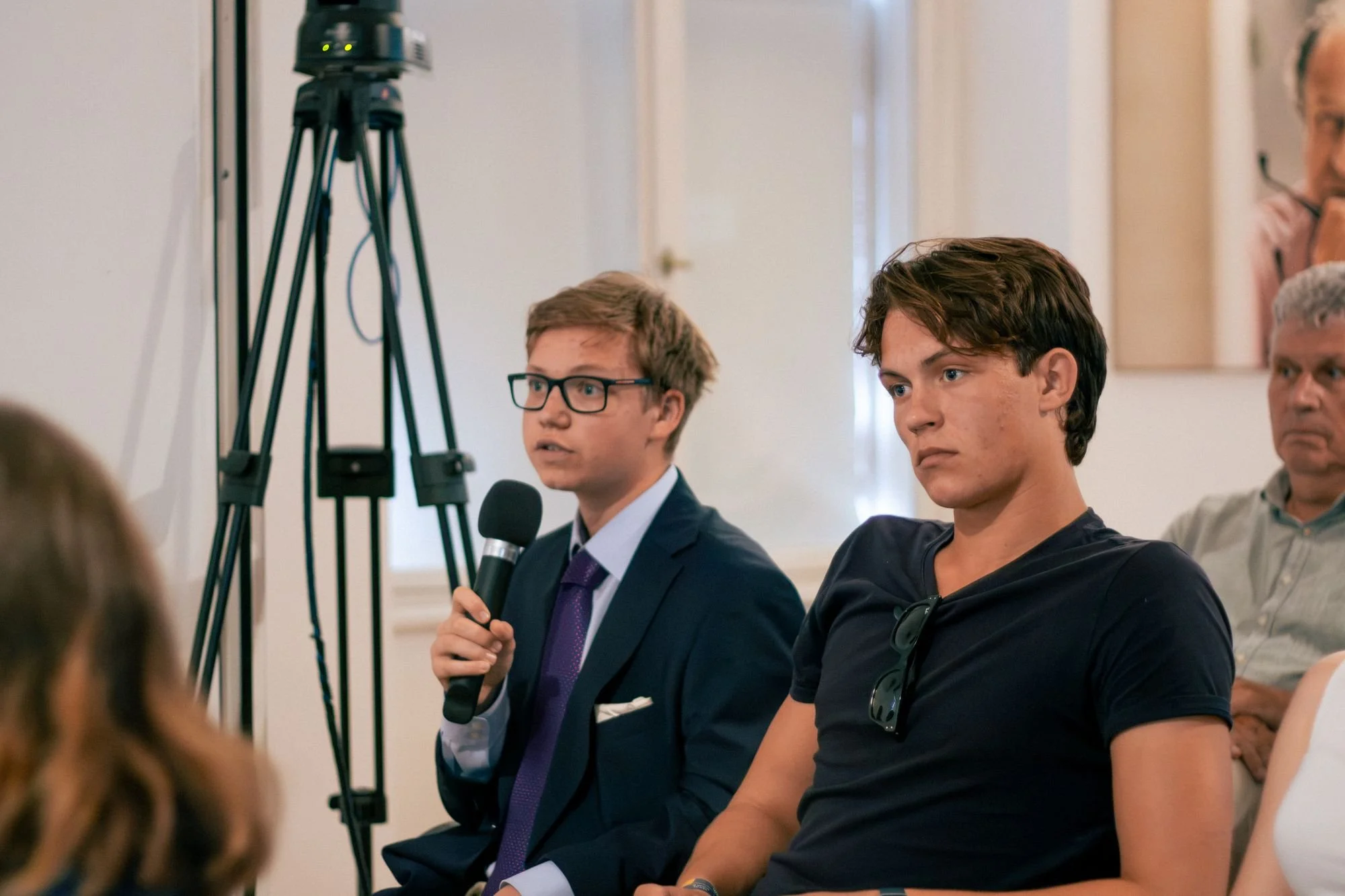
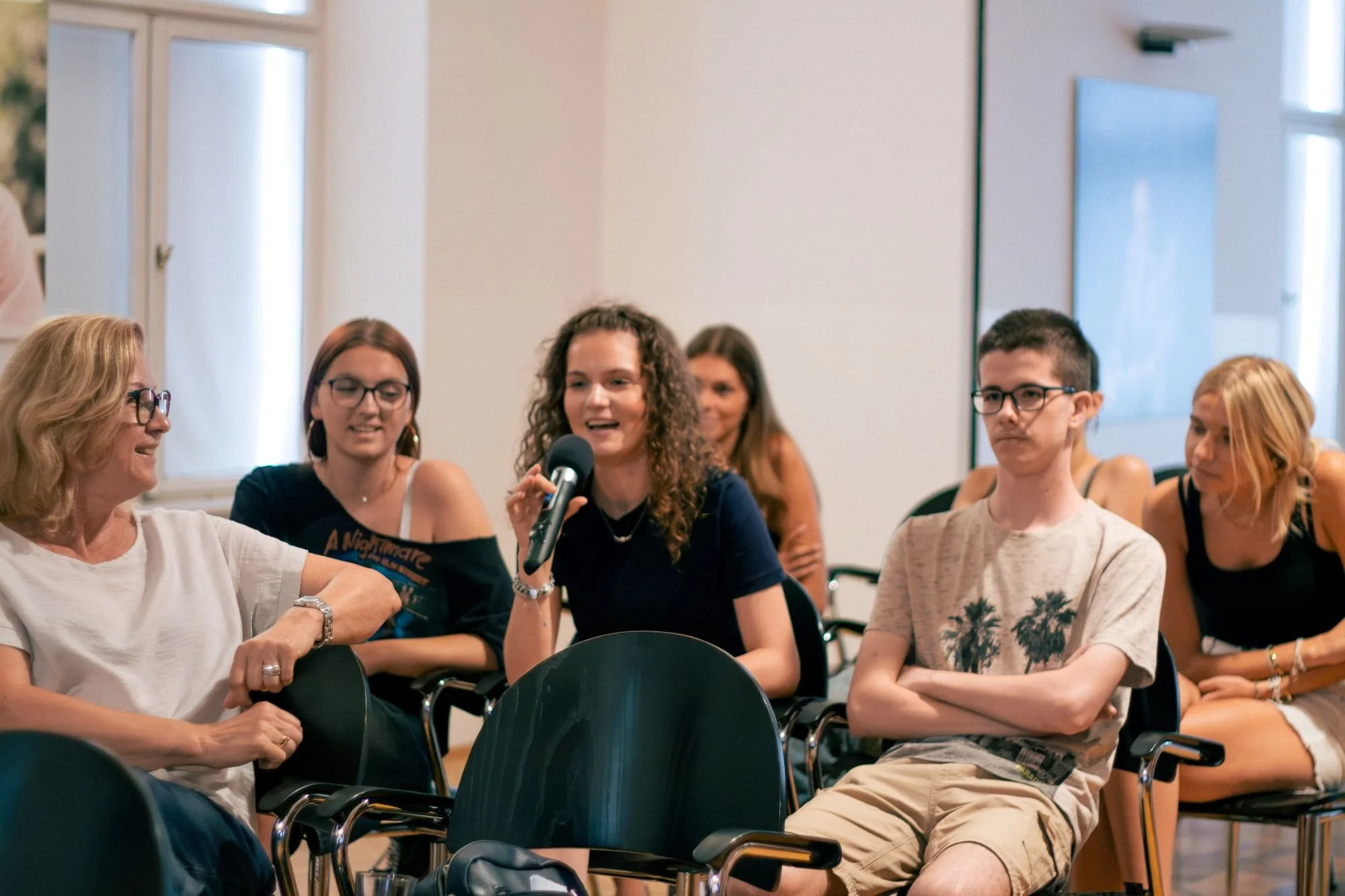
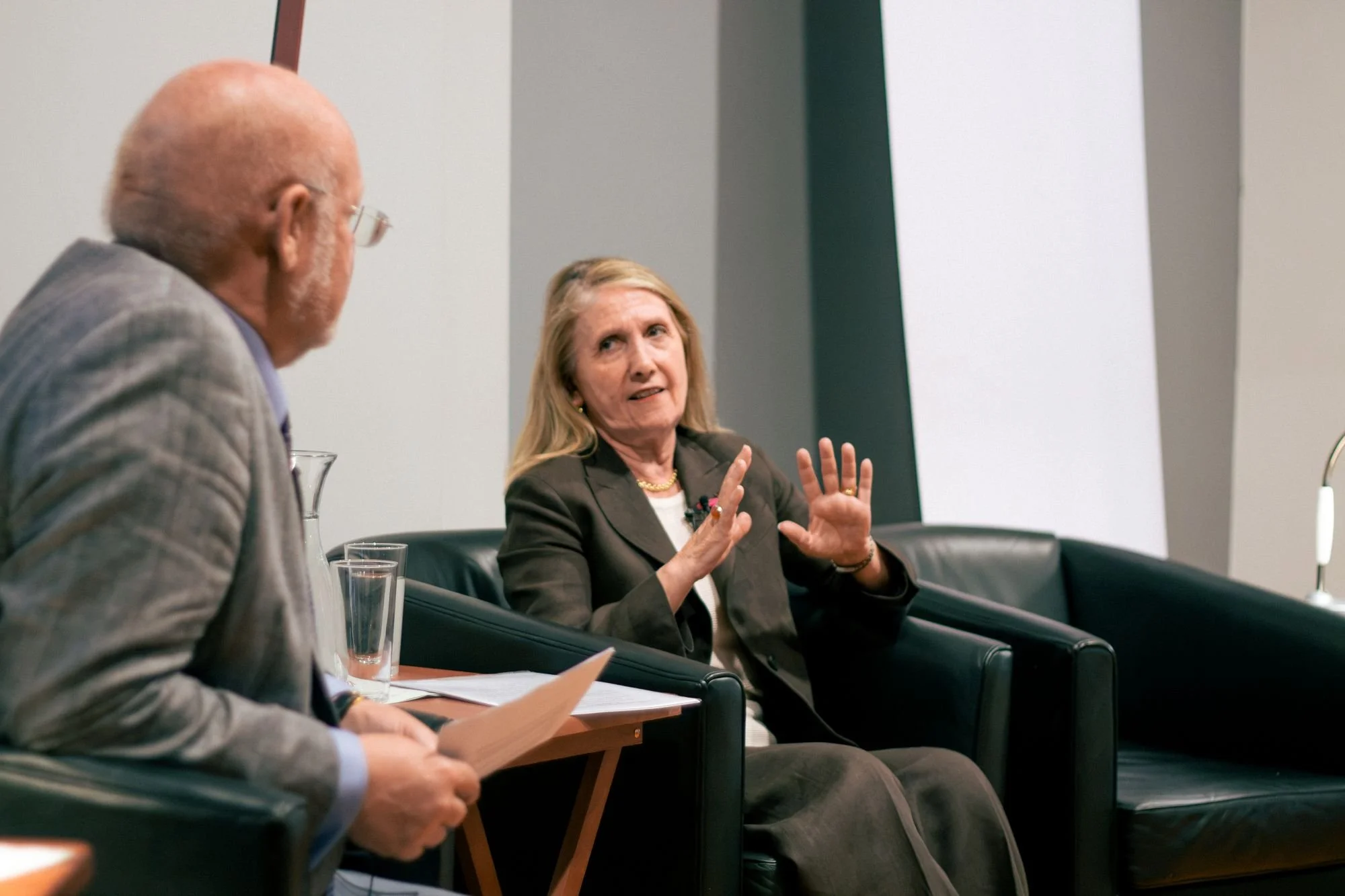
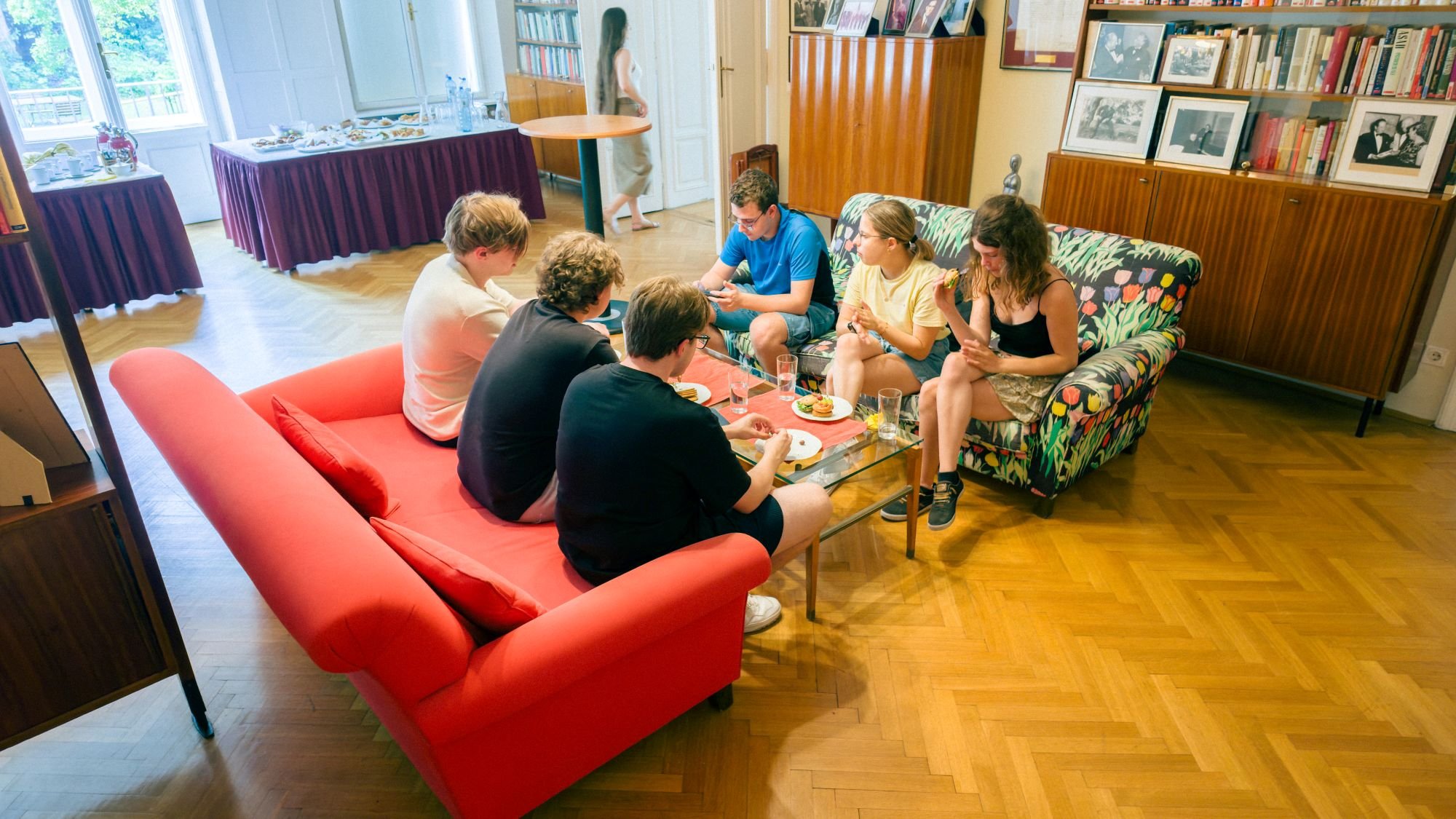
Throughout the afternoon, the students from Neusiedl am See were not observers but participants — asking questions, challenging speakers, and bringing the day's themes of memory, democracy, and citizenship into direct conversation with the historical actors and experts in the room.
Taken together, the two parts of the event modelled something the FREI project returns to repeatedly: that understanding European integration requires understanding what came before it — the resistance, the reckoning, and the deliberate, often difficult work of building democratic societies out of dictatorship. For the 32 participants who gathered in Vienna from Austria, Germany, Slovakia, and Spain, that work was made tangible in a single day that moved from a site of historical terror to a forum of contemporary dialogue.