Unarchiving Democracy: Exploring Archives in the Fight Against Racism
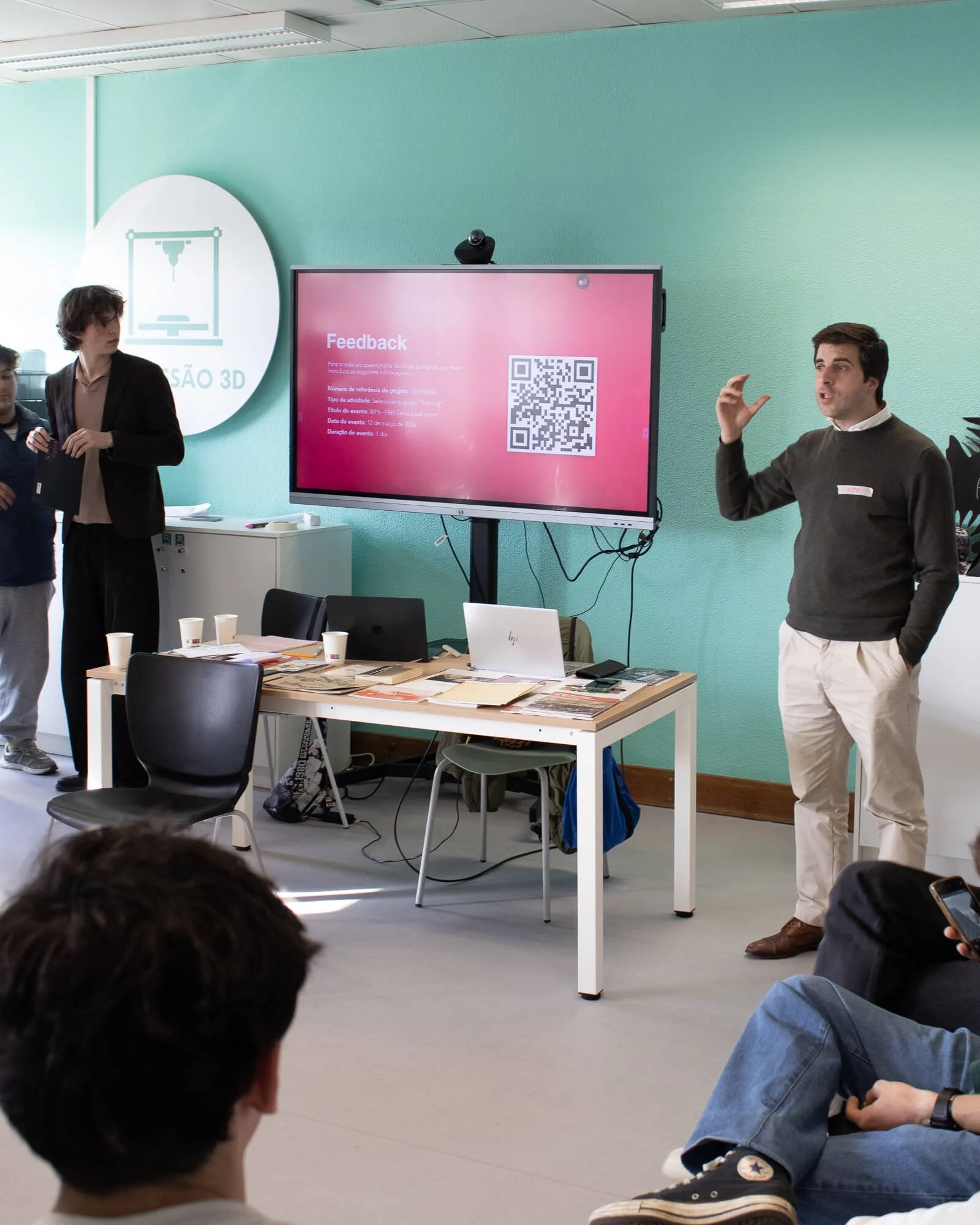
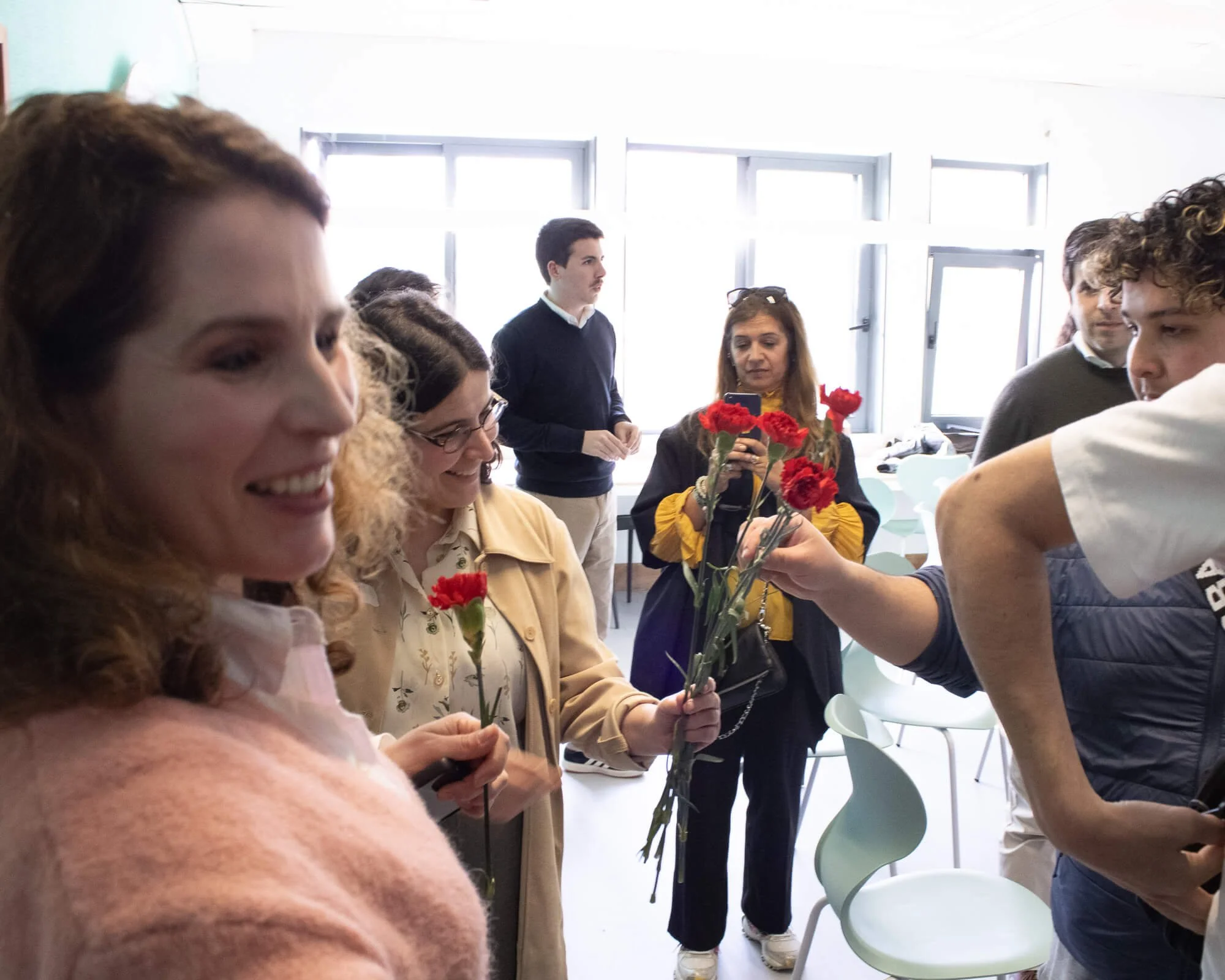
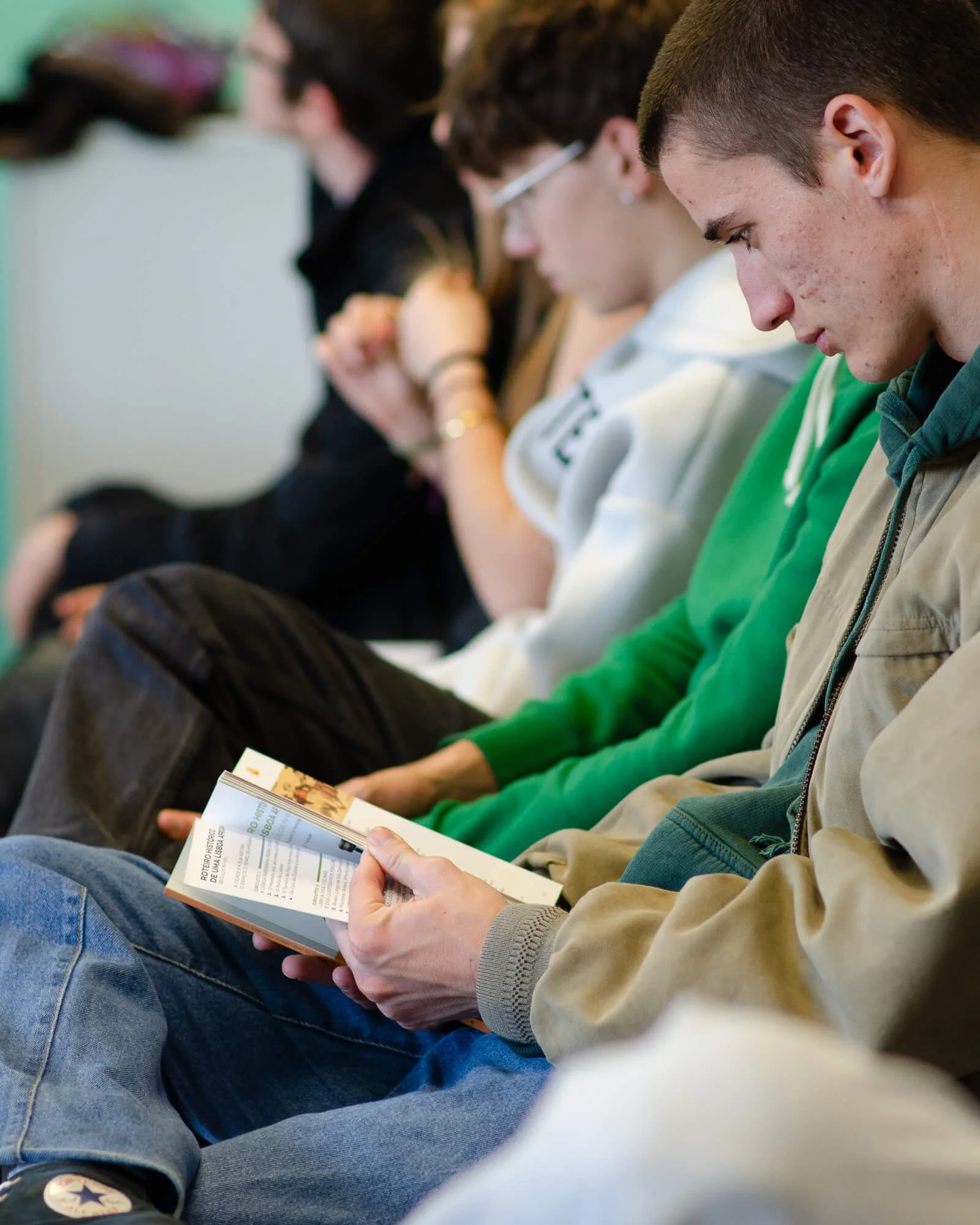
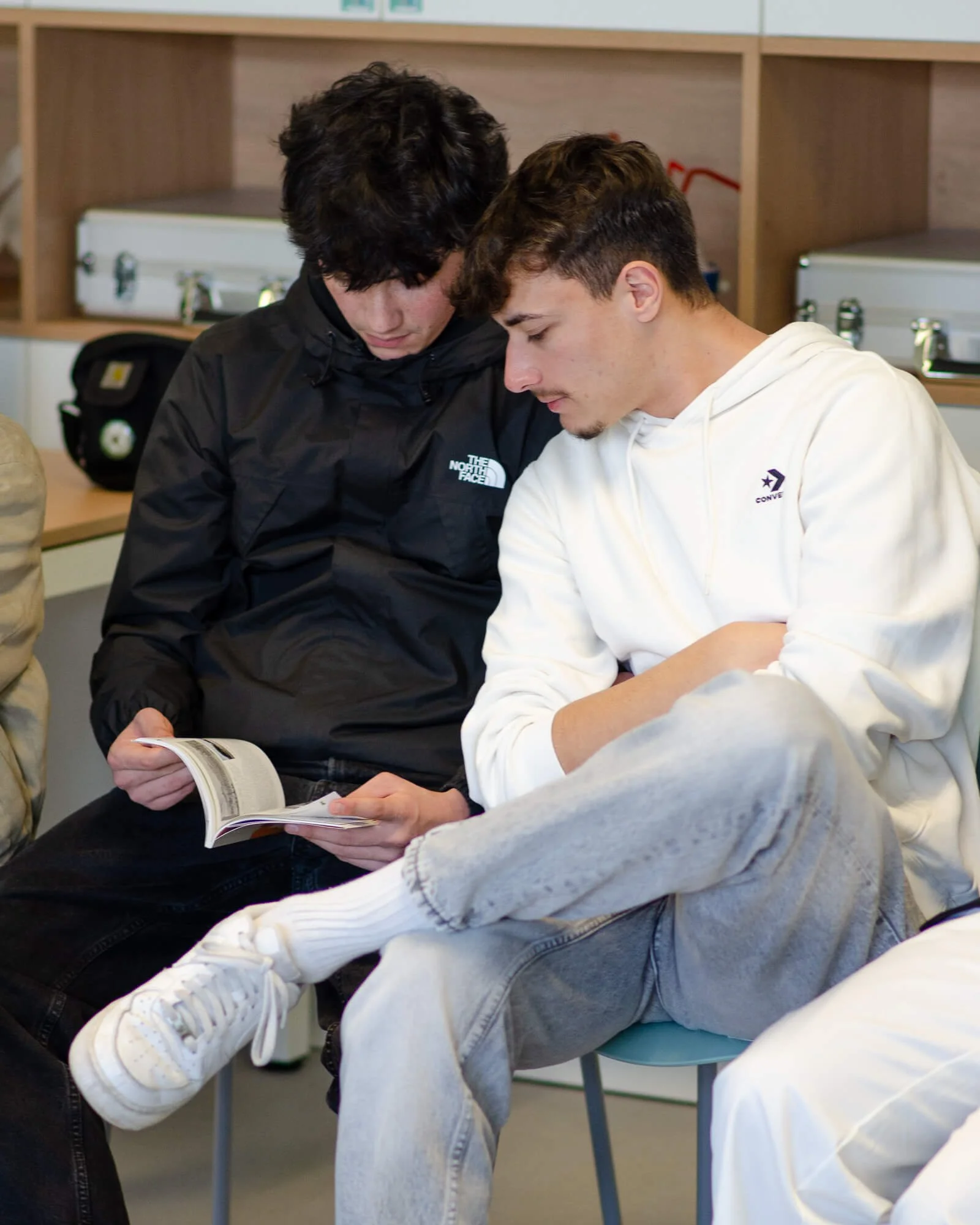
On March 12, 2026, a thought-provoking workshop titled “Unarchiving Democracy: Using Archives in the Fight Against Racism” took place in Leiria, Portugal, as part of the FREI project. The event brought together students, educators, and international participants to reflect on how historical archives can inform present-day struggles against racism.
Rethinking Archives as Tools for Change
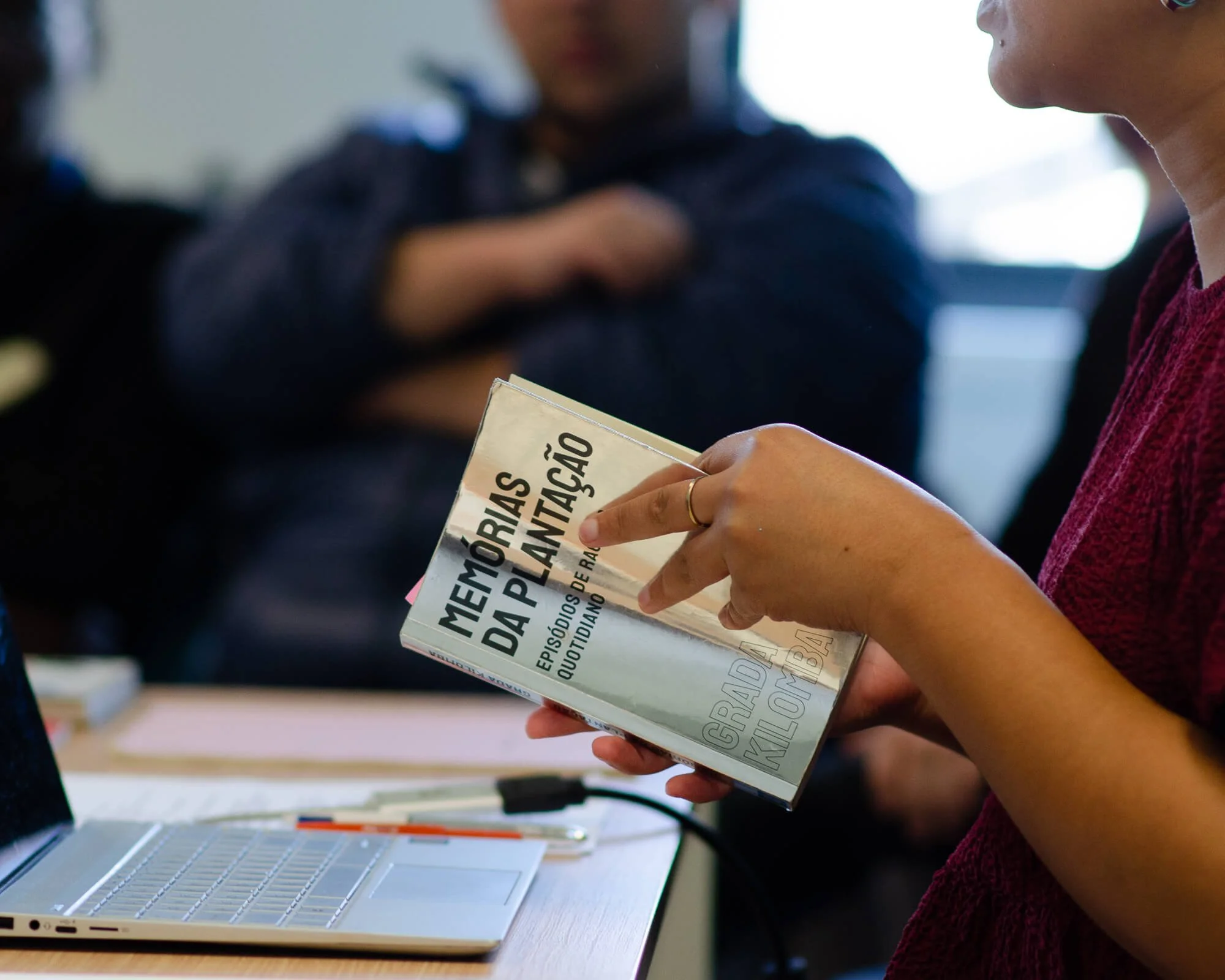
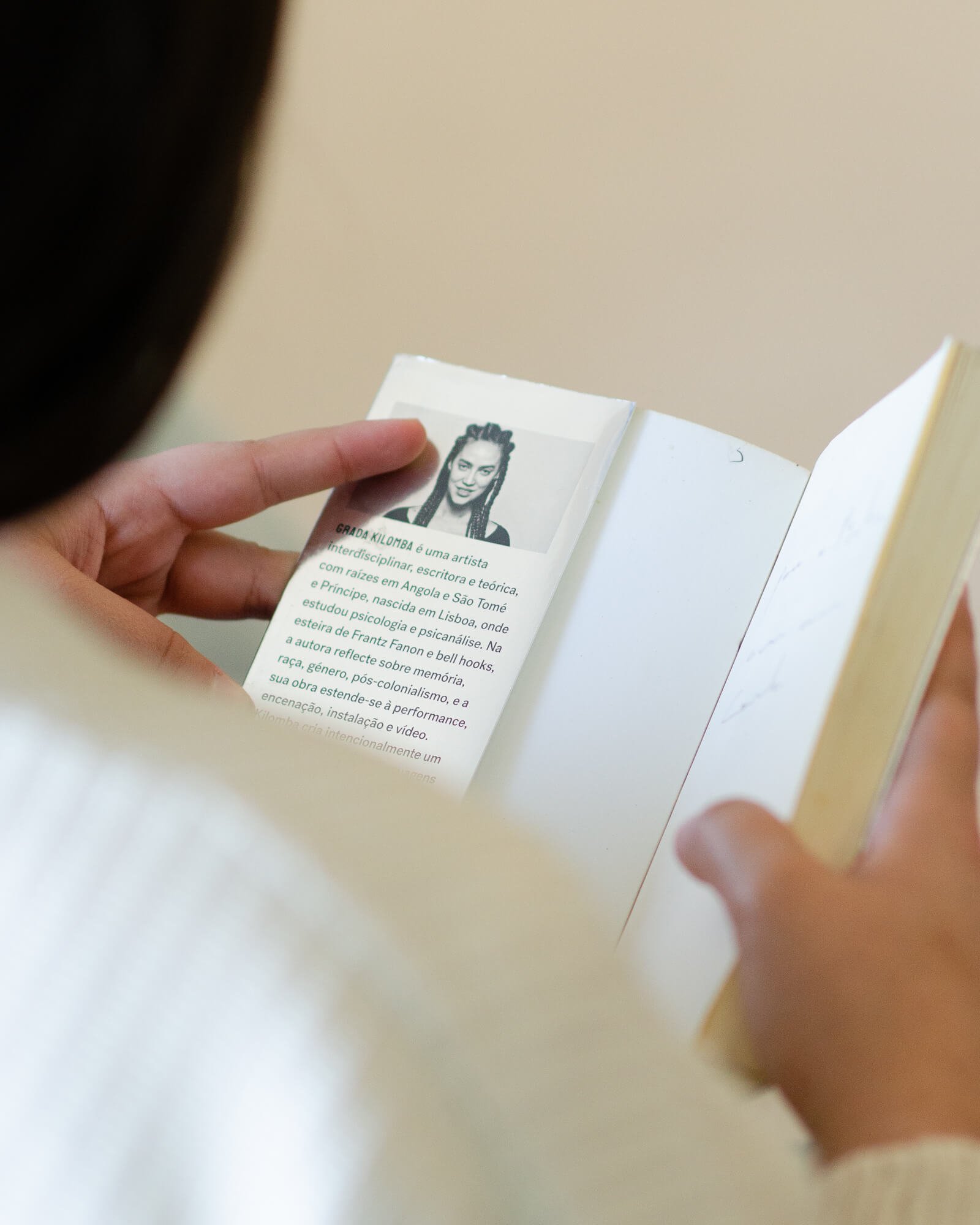
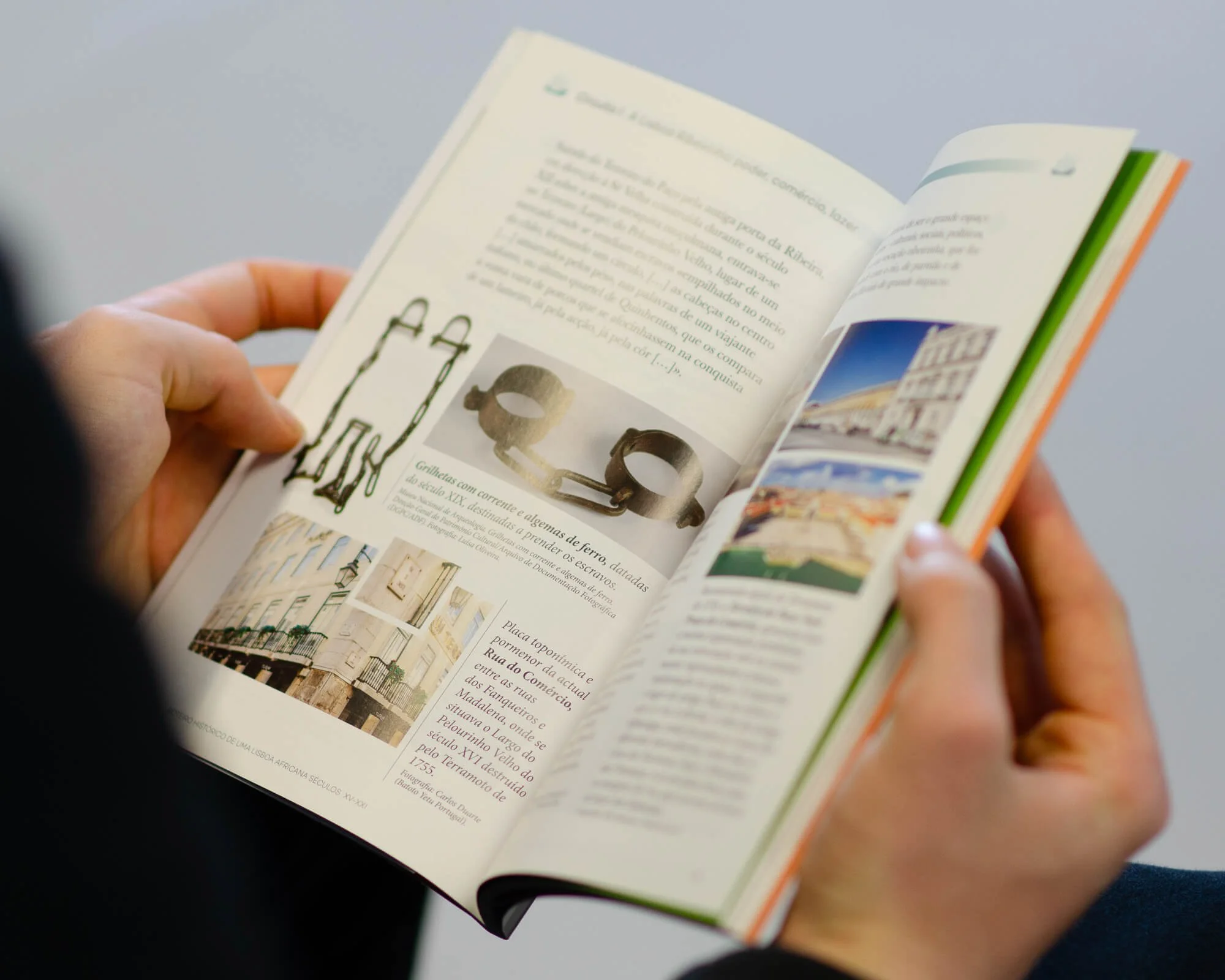
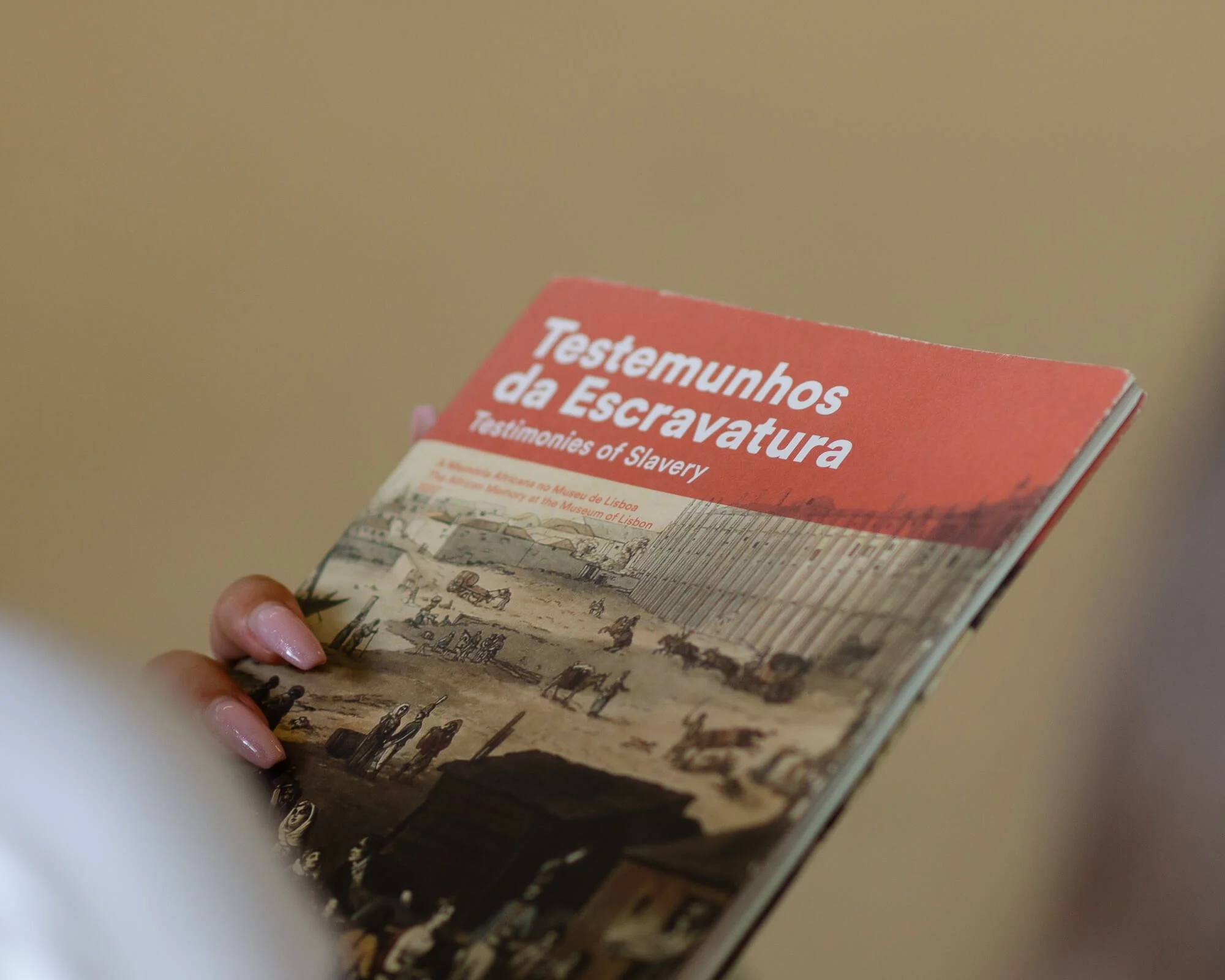
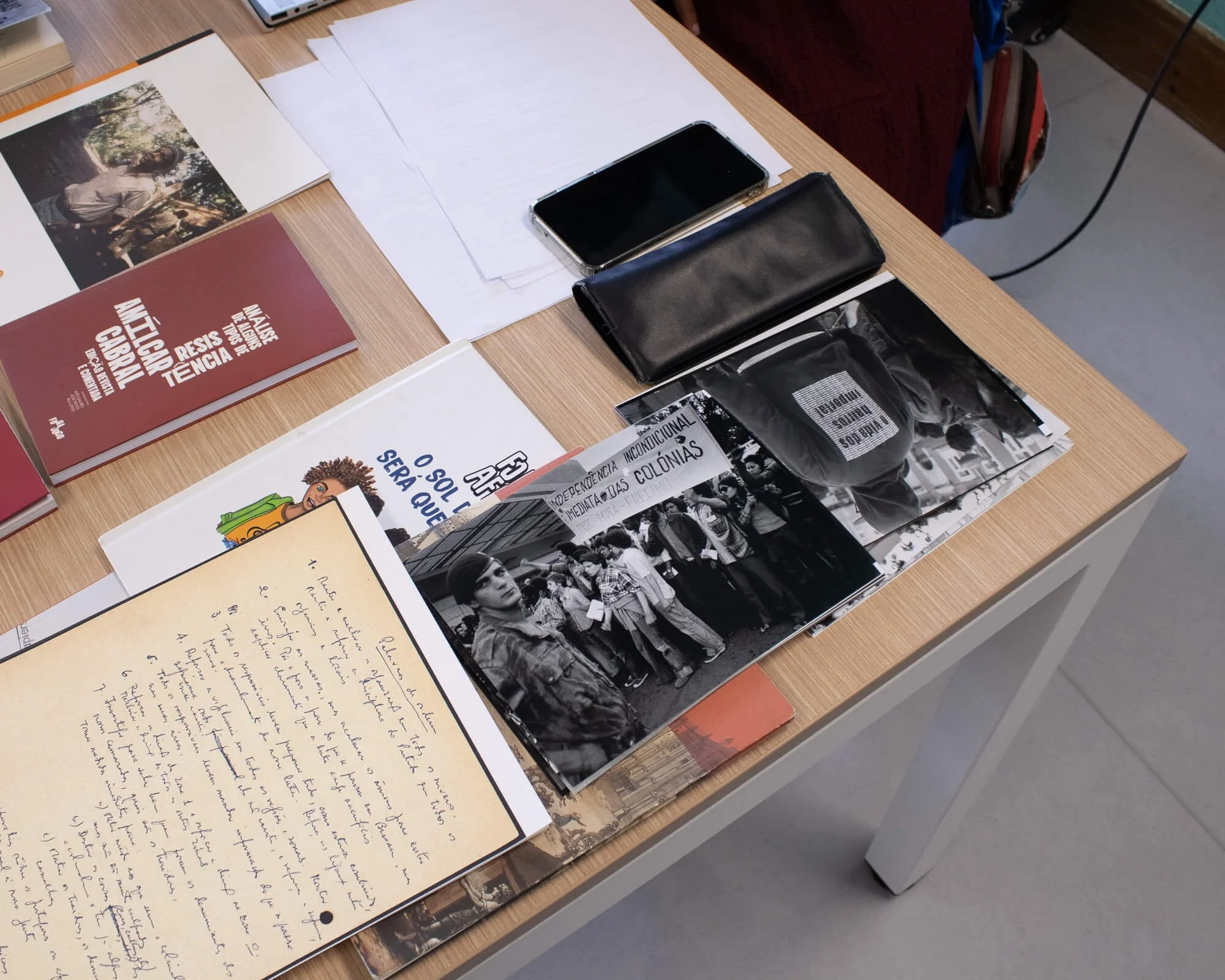
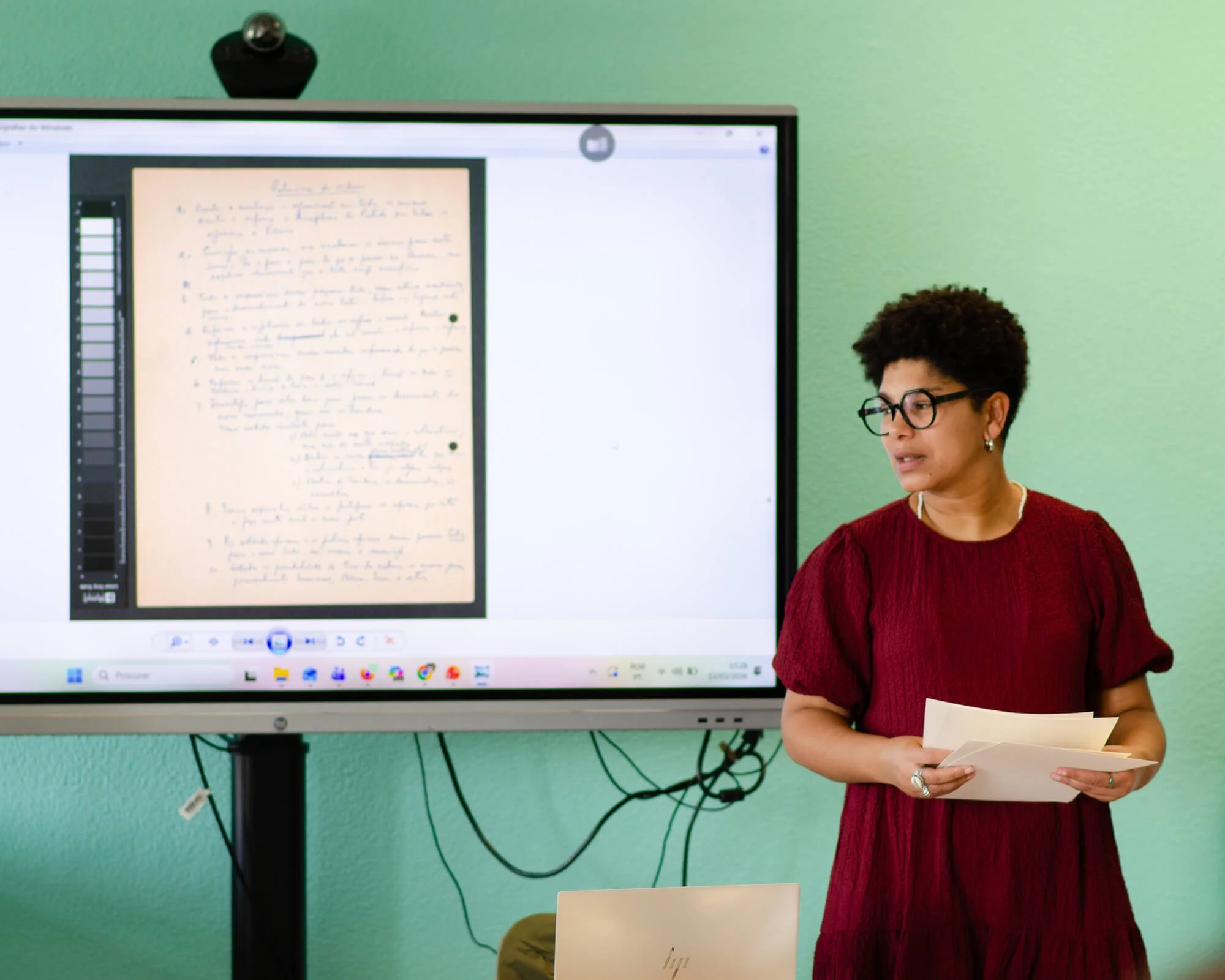
Hosted at the School of Education and Social Sciences of the Polytechnic University of Leiria, the workshop centered on materials from the Fundação Mário Soares e Maria Barroso archive. Participants were invited to critically engage with documents related to Portugal’s colonial past and explore how these historical sources can be reinterpreted to challenge contemporary forms of discrimination.
Rather than treating archives as static repositories of the past, the event encouraged a dynamic and critical approach—seeing them as active tools that can support social awareness and civic engagement today.
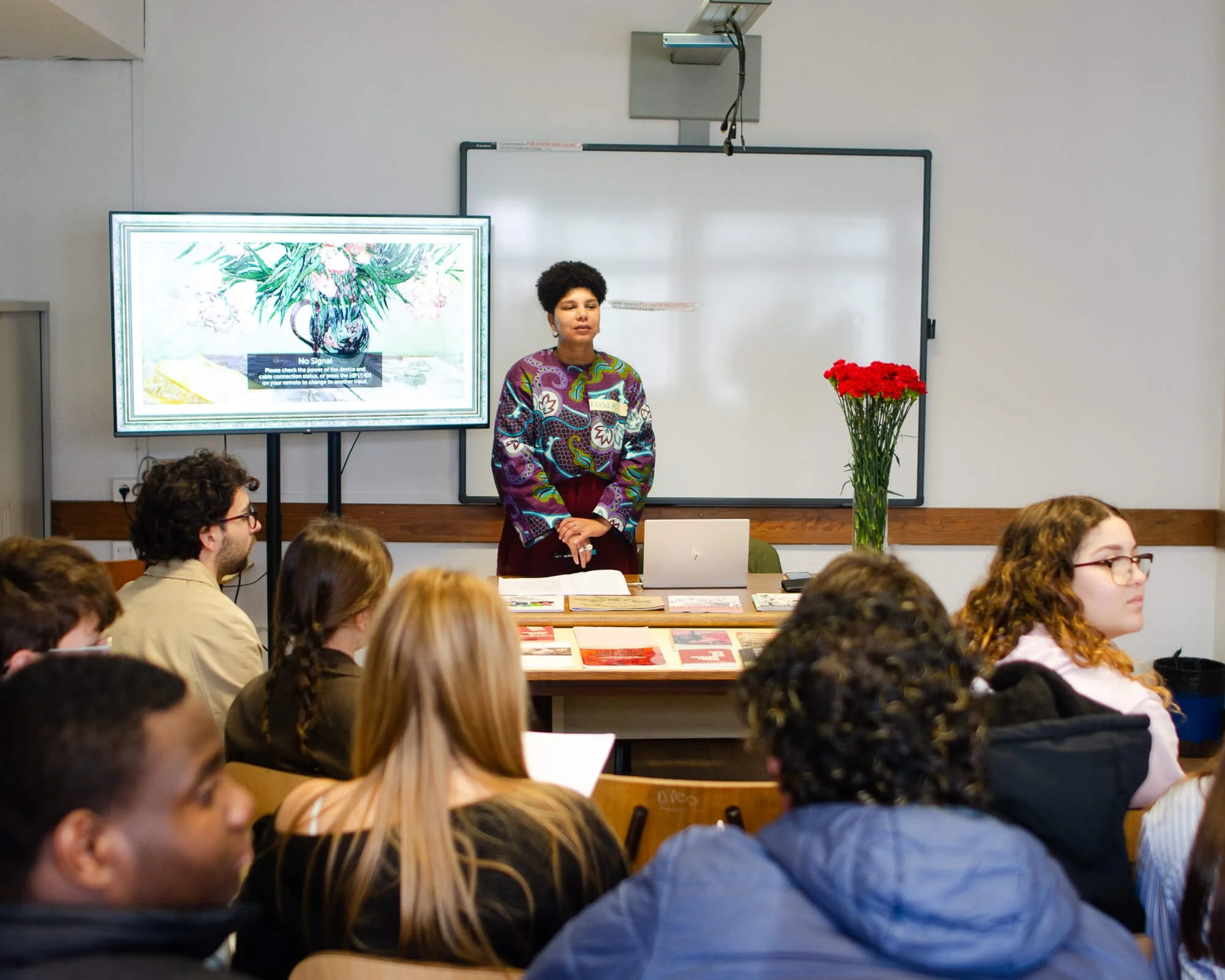
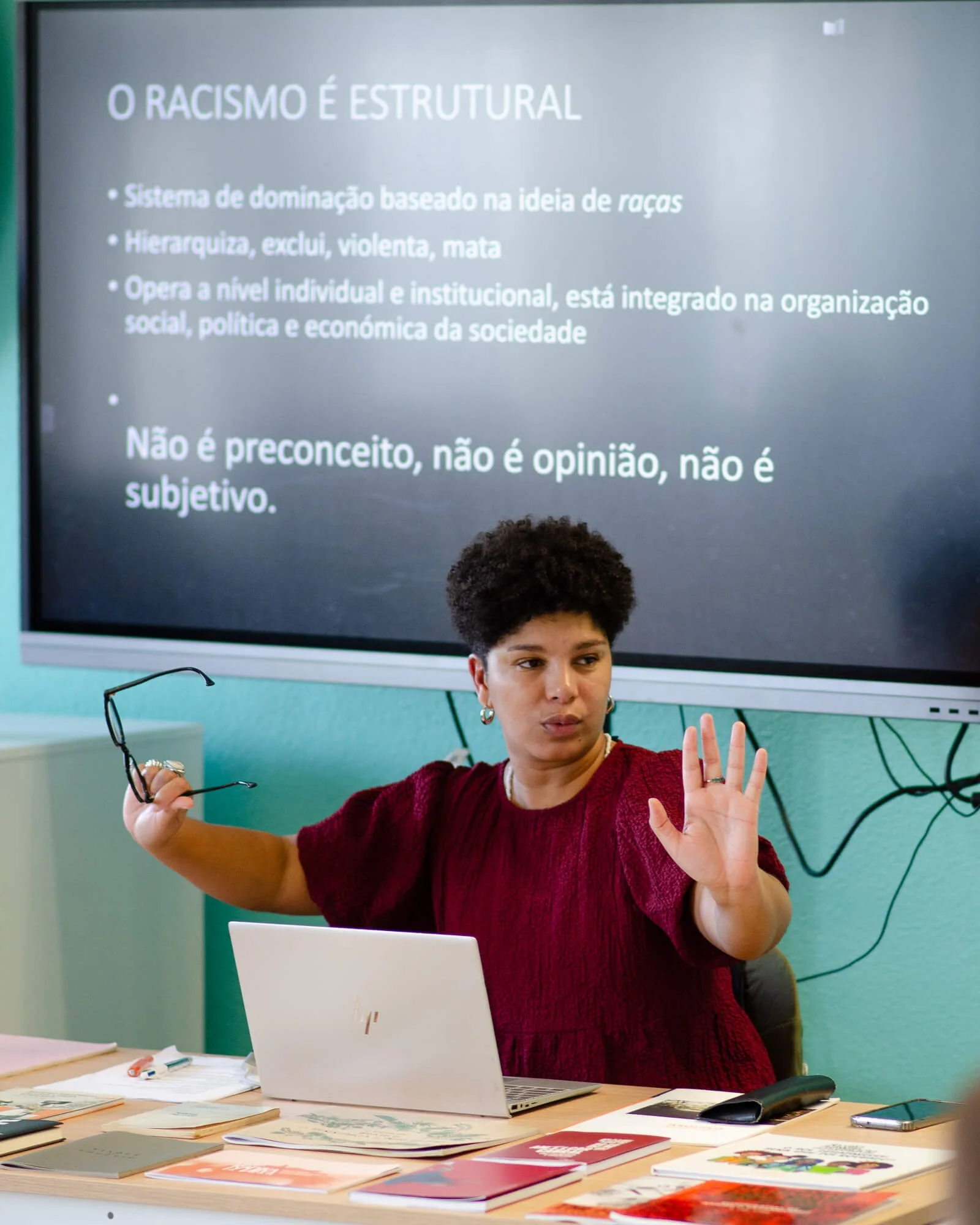
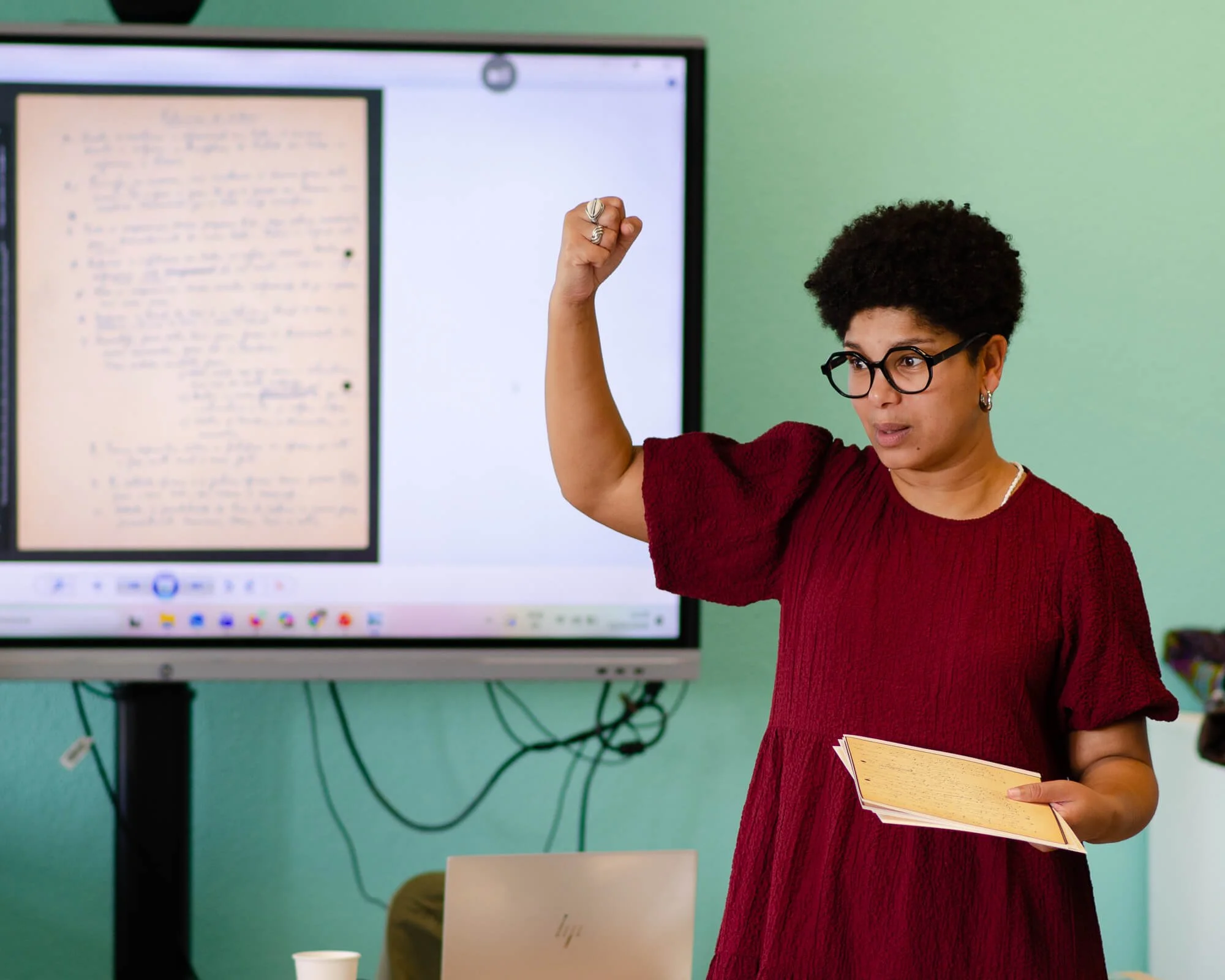
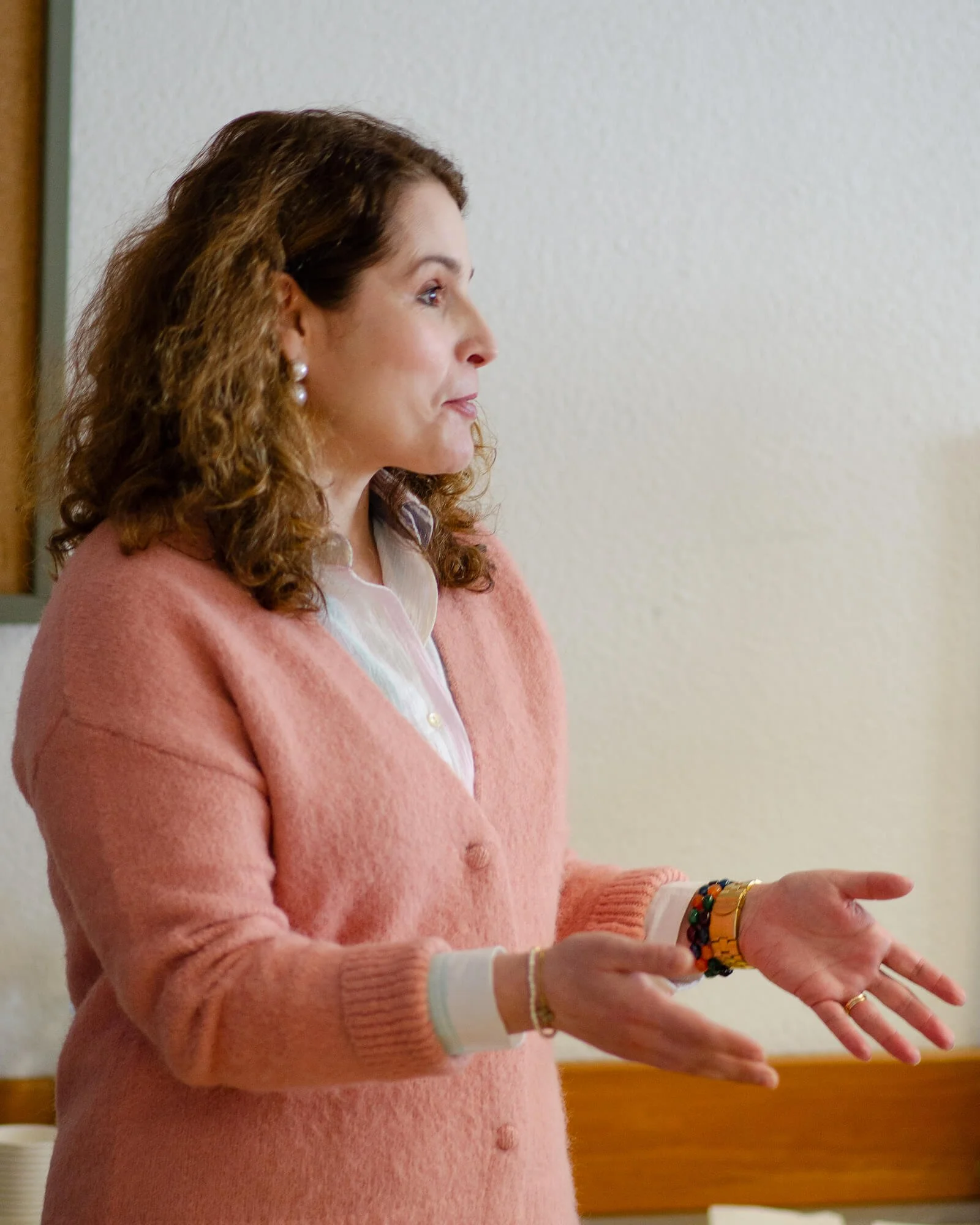
The session was led by visual artist, curator, and art educator Melissa Rodrigues, who guided participants through both analytical discussions and creative exercises. Her interdisciplinary approach highlighted the connections between art, memory, and anti-racist practices.
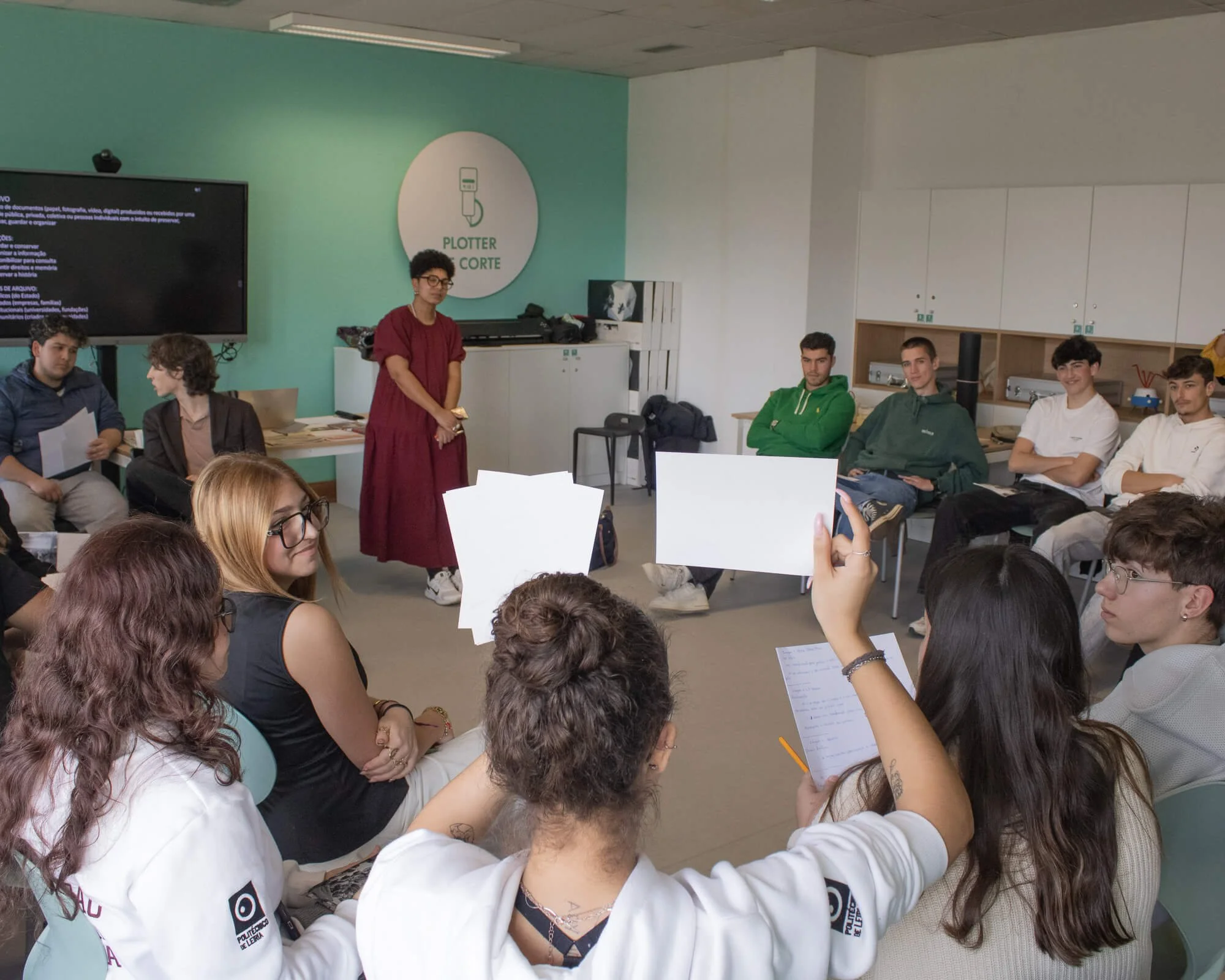
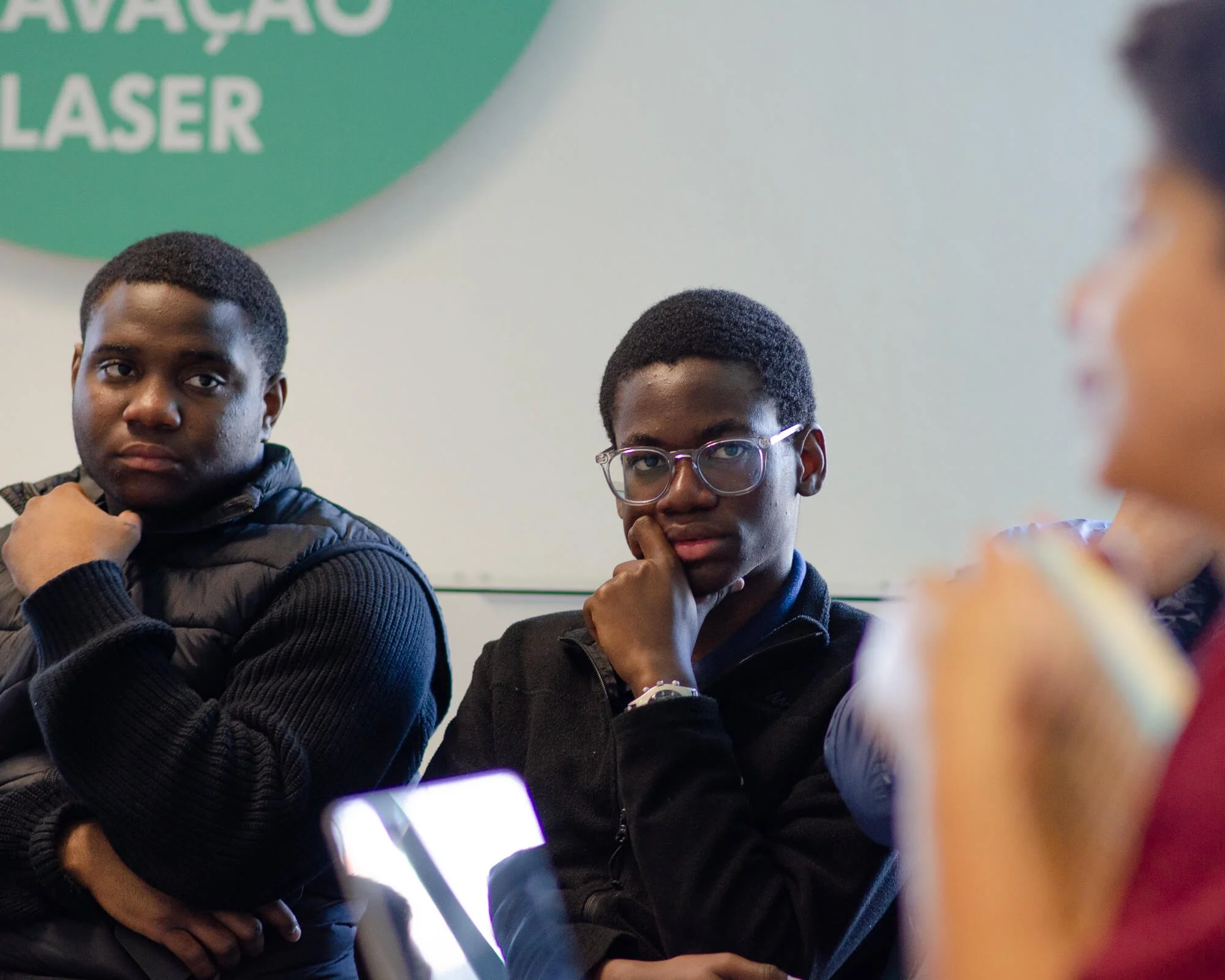
The workshop gathered 39 participants, including 34 individuals. The international composition of the group added significant depth to the discussions. Attendees came from countries such as Portugal, Spain, France, Ukraine, Moldova, Brazil, Cape Verde, and Uzbekistan, creating a rich environment for exchanging perspectives and experiences.
Dialogue, Reflection, and Co-Creation
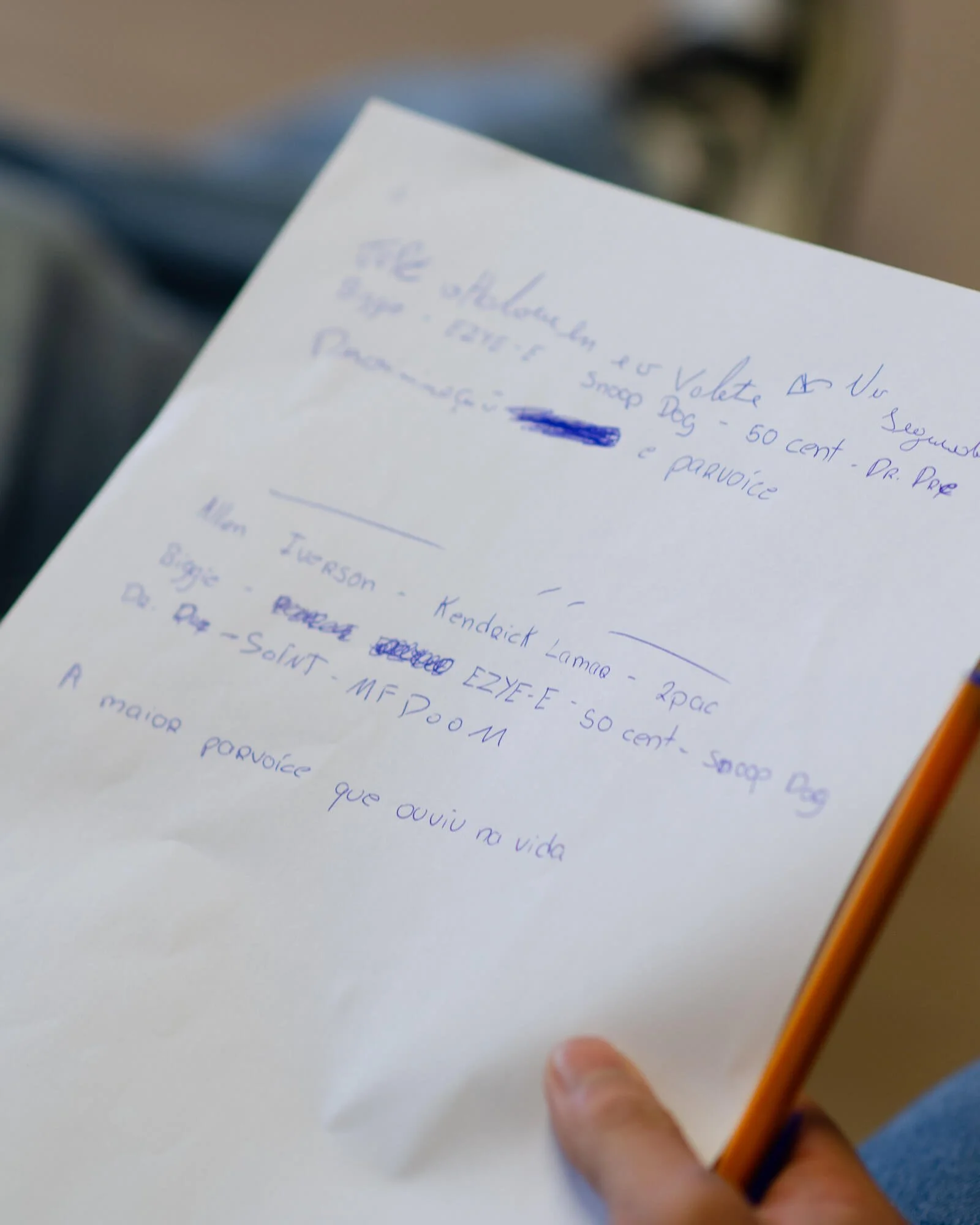
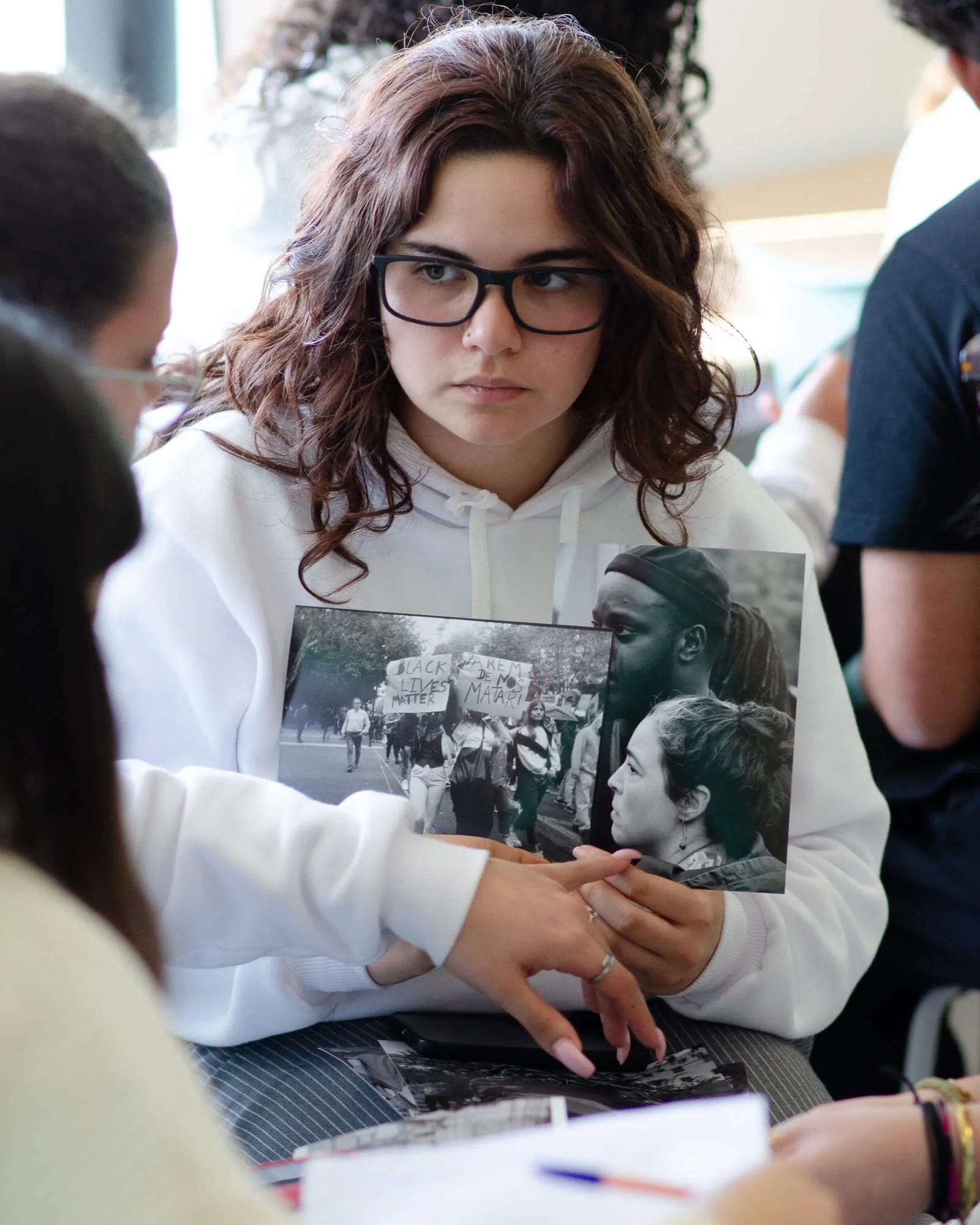
The program began with an interactive exercise in which participants interviewed each other, sharing insights about their academic backgrounds, their engagement with Black artists and cultural works, and their personal perceptions of racism. This activity helped establish an open and reflective atmosphere from the outset.
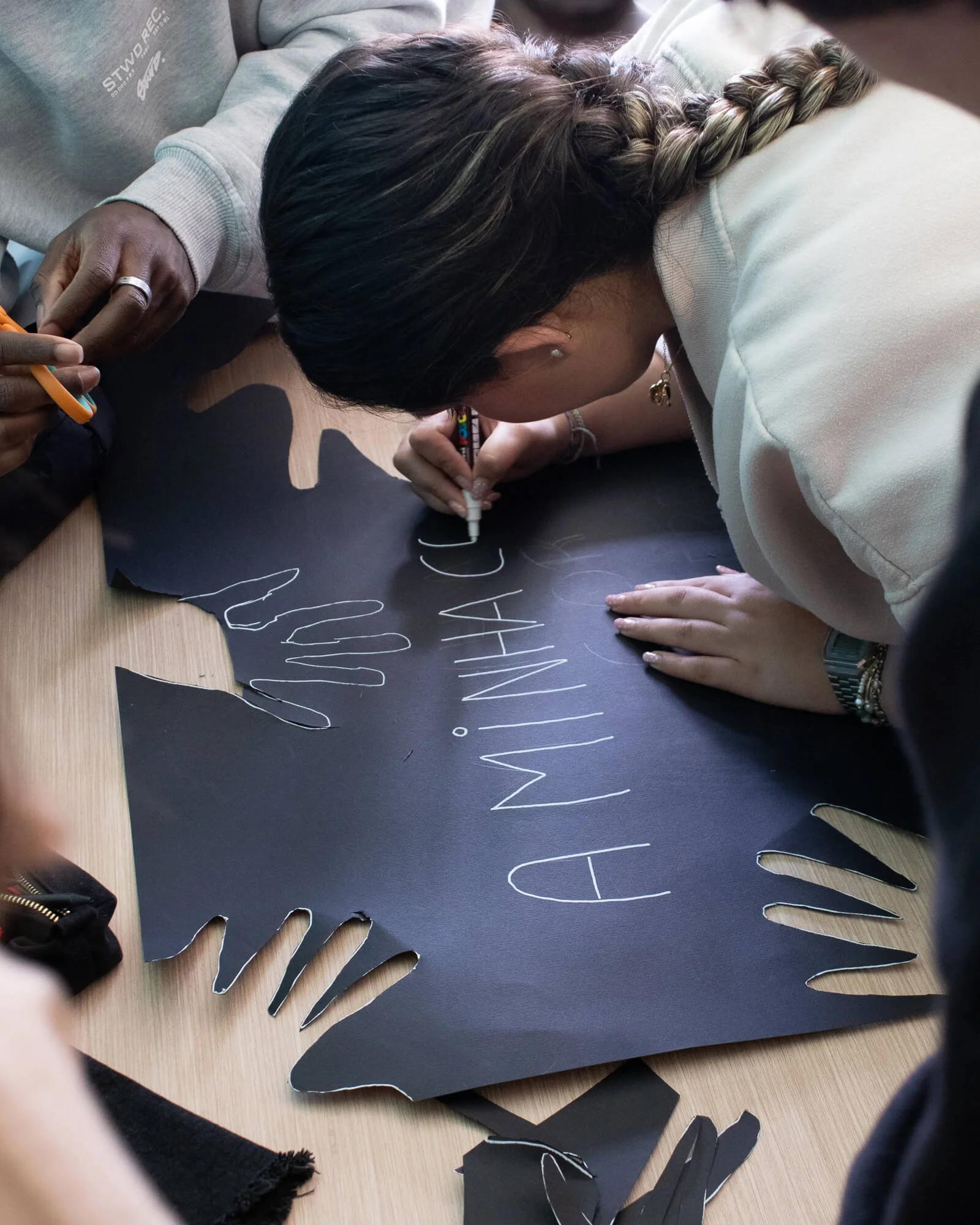
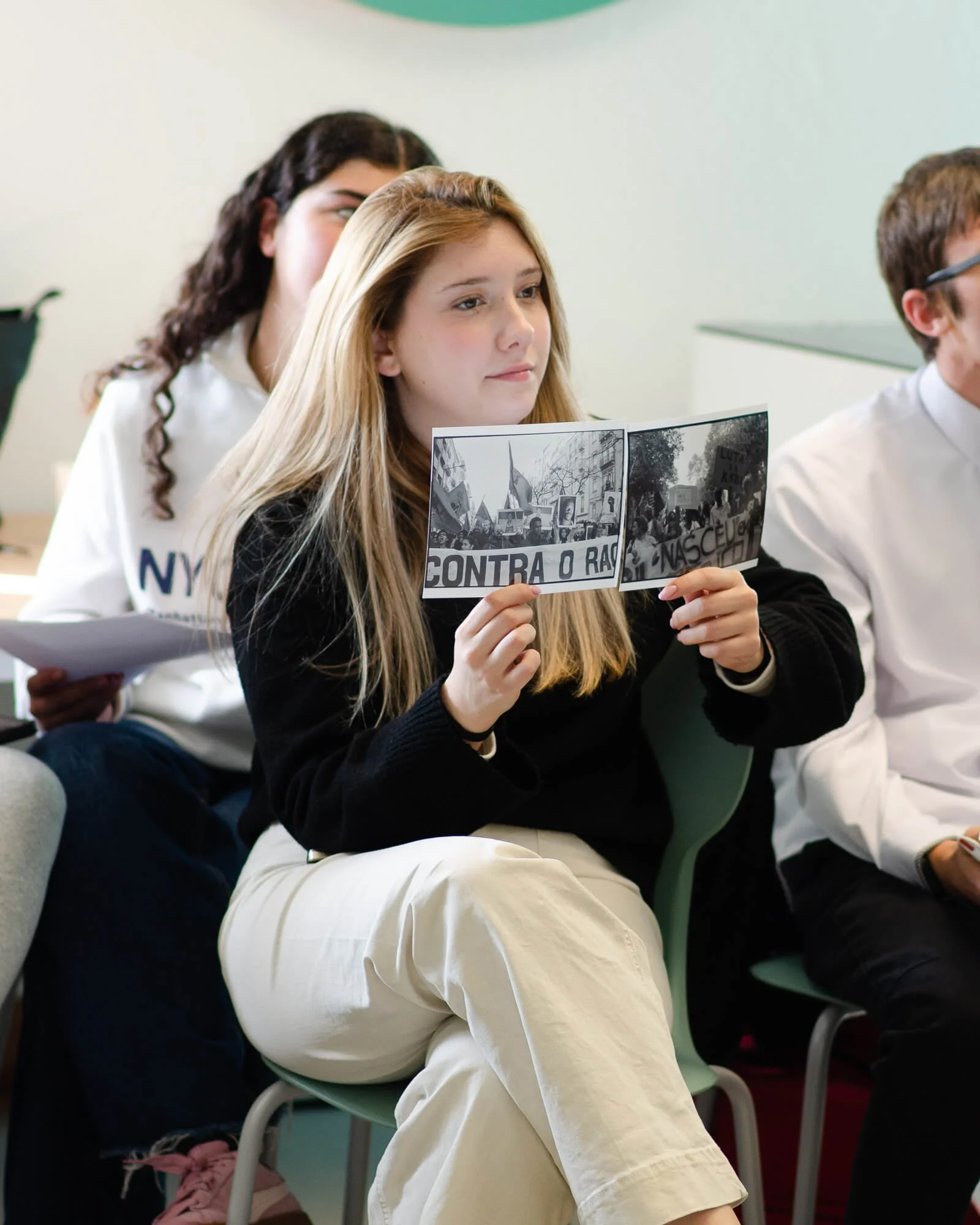
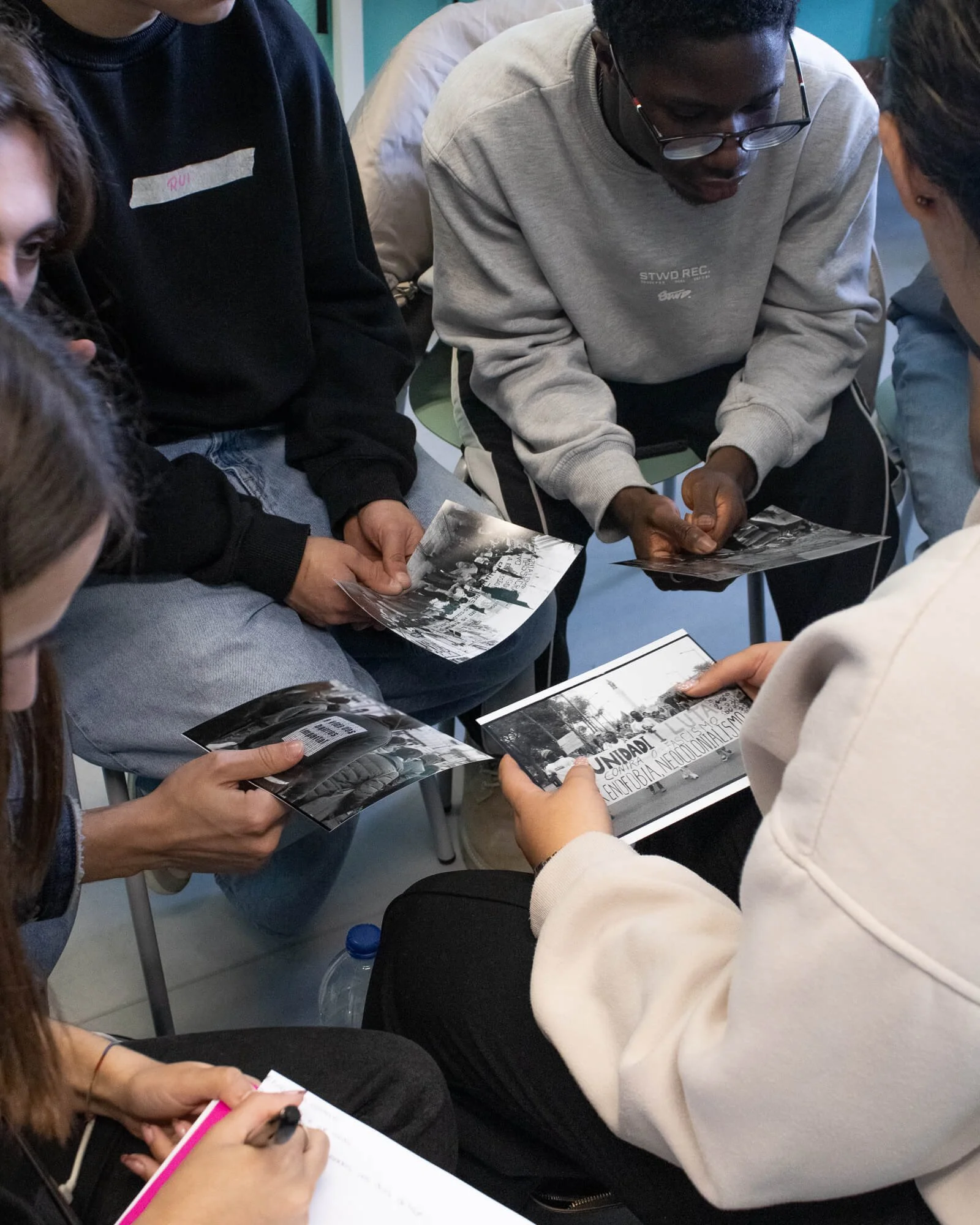
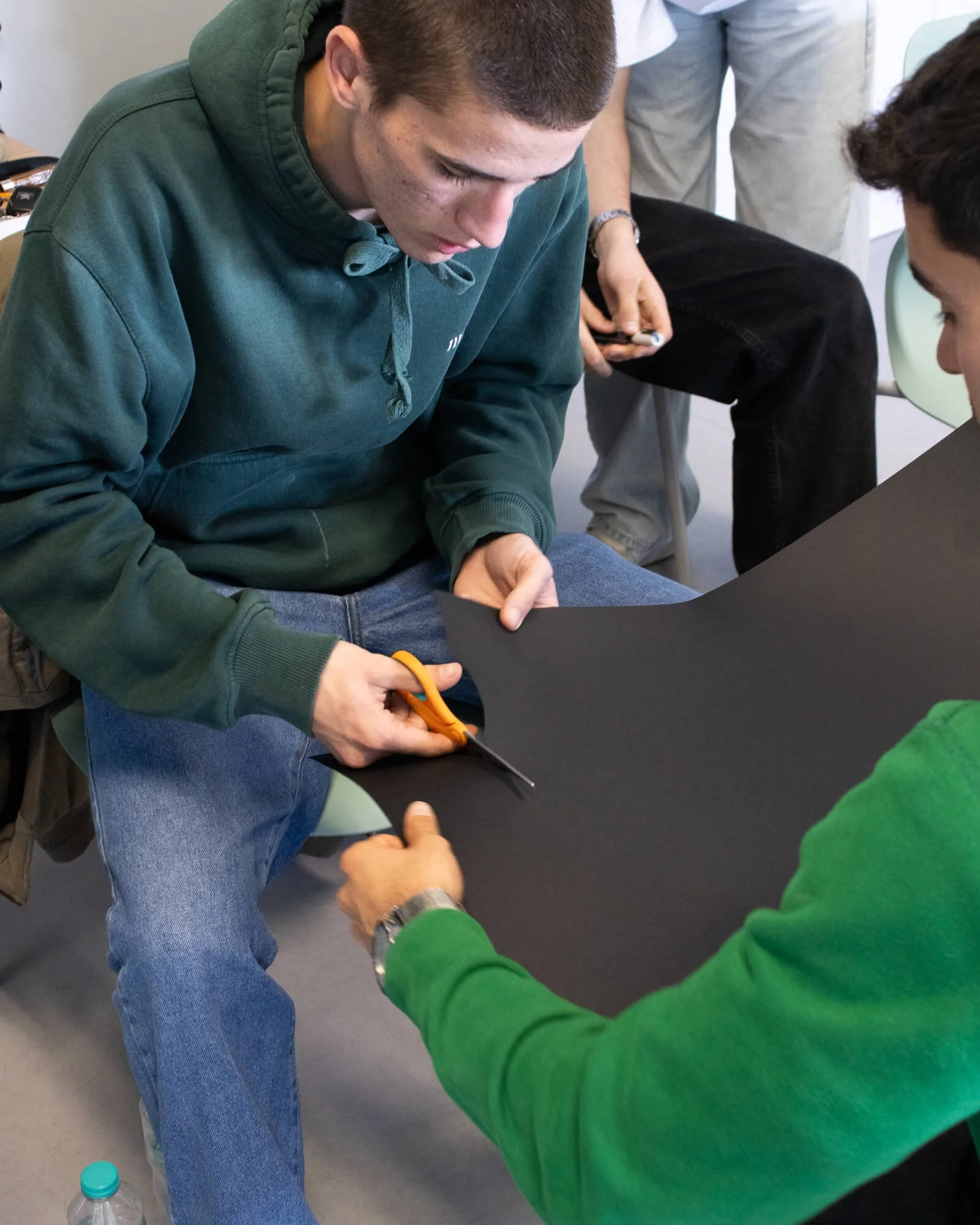
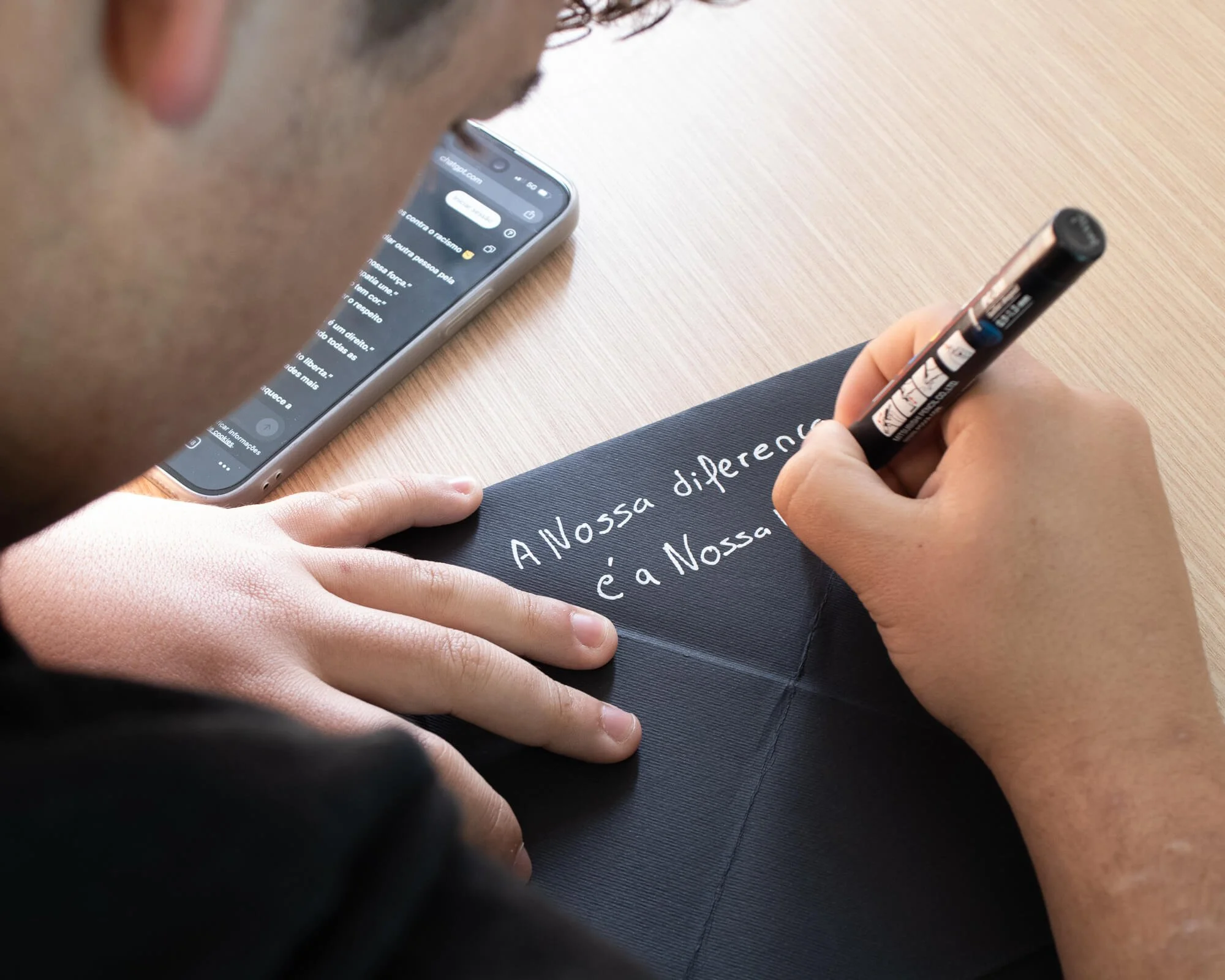
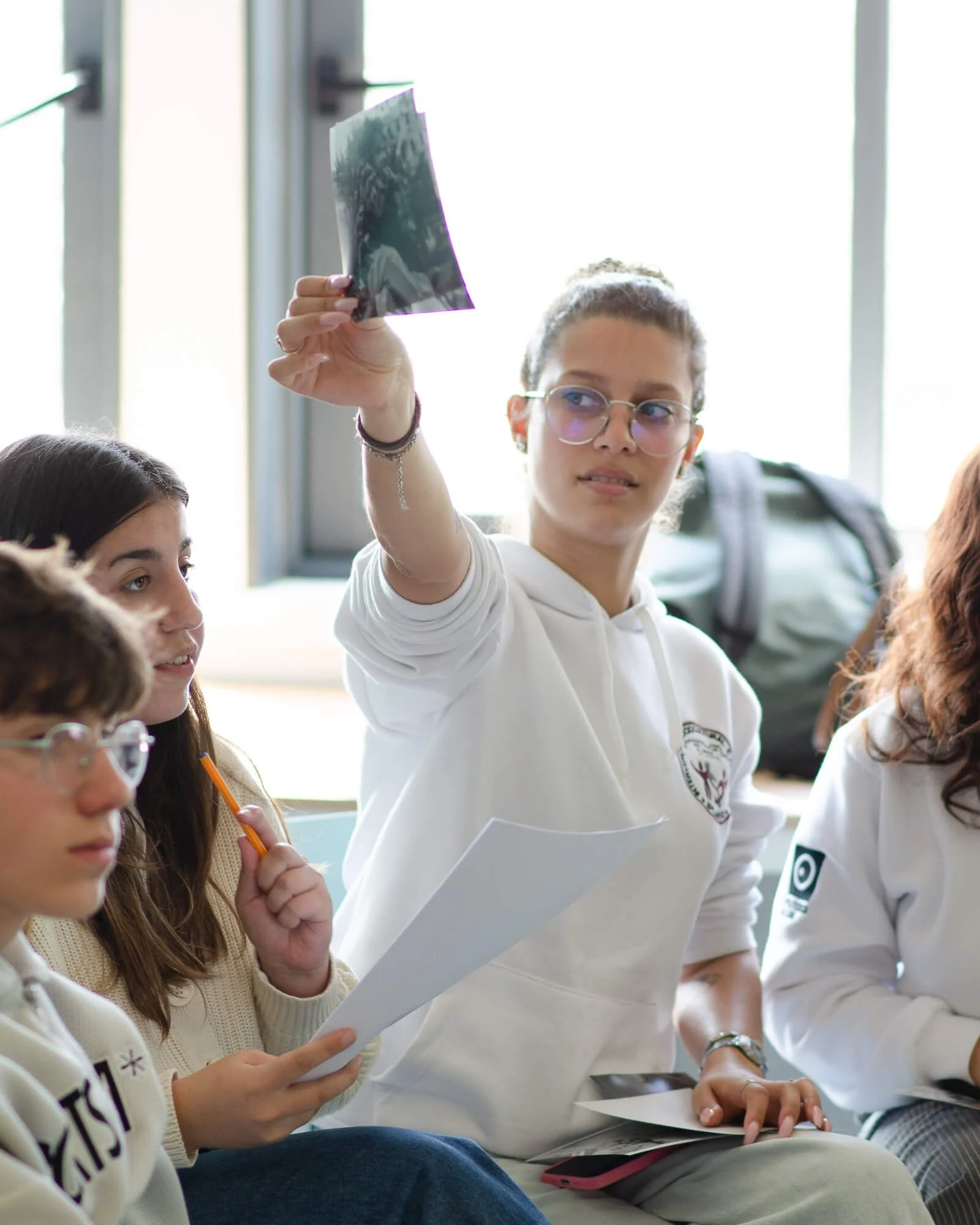
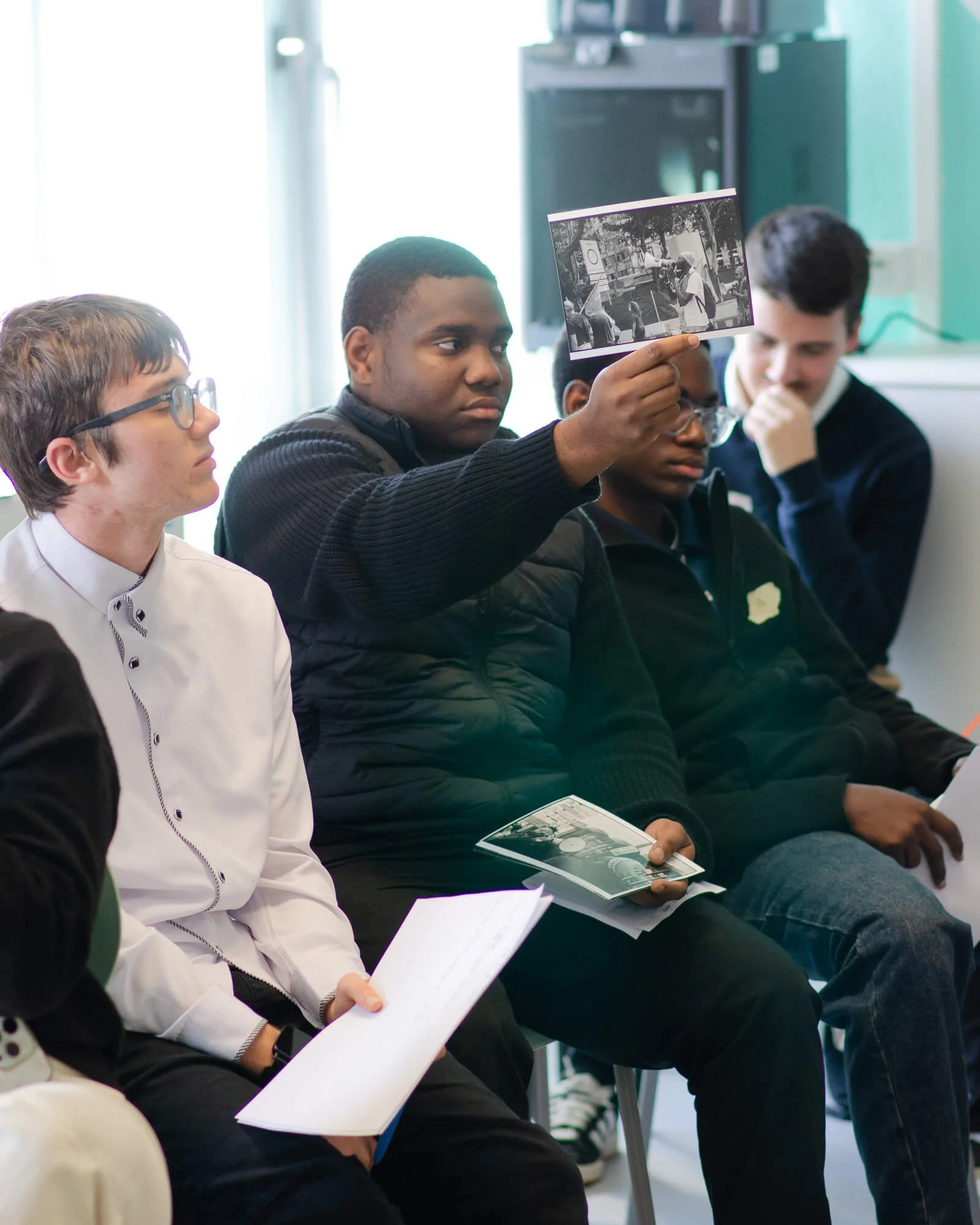
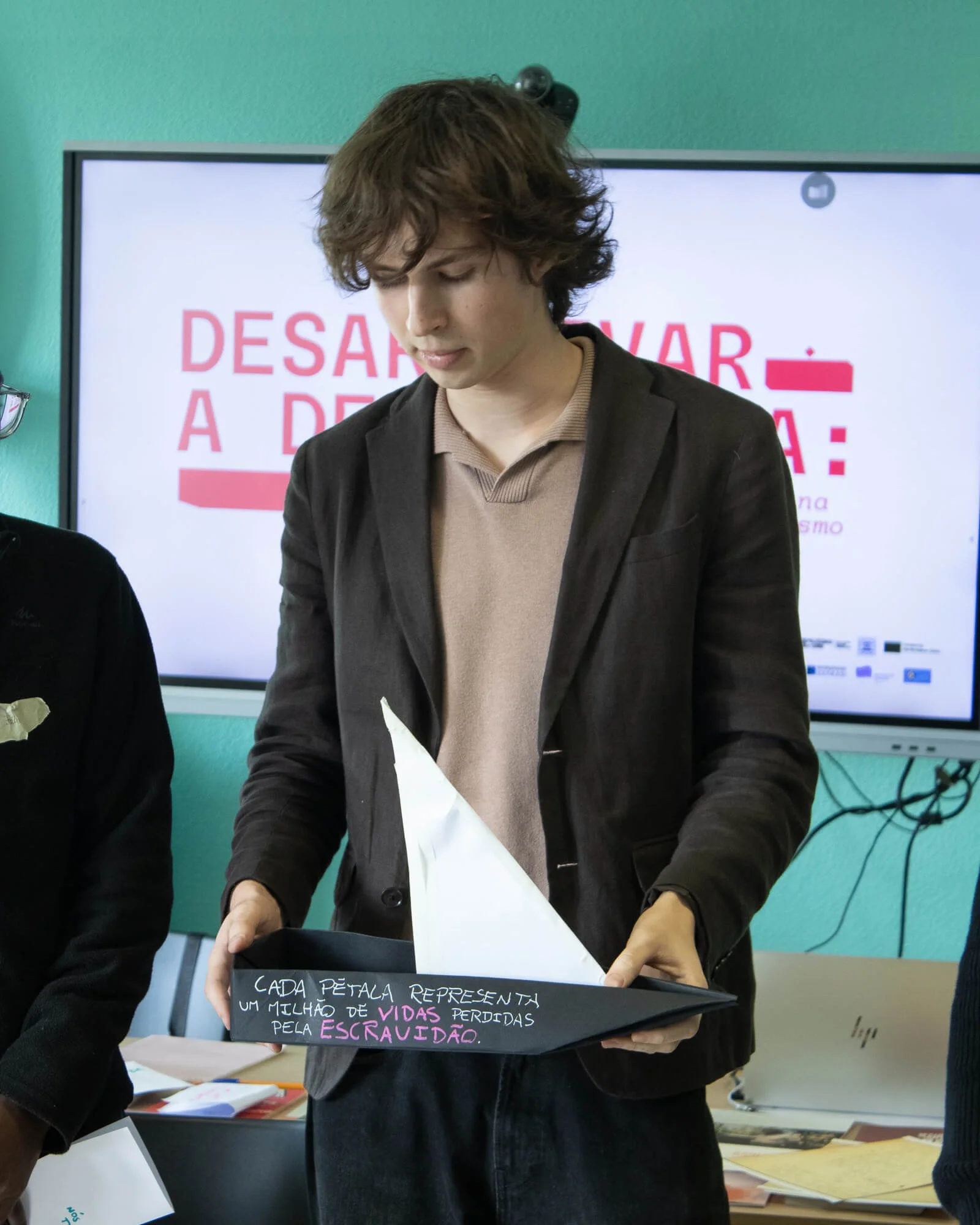
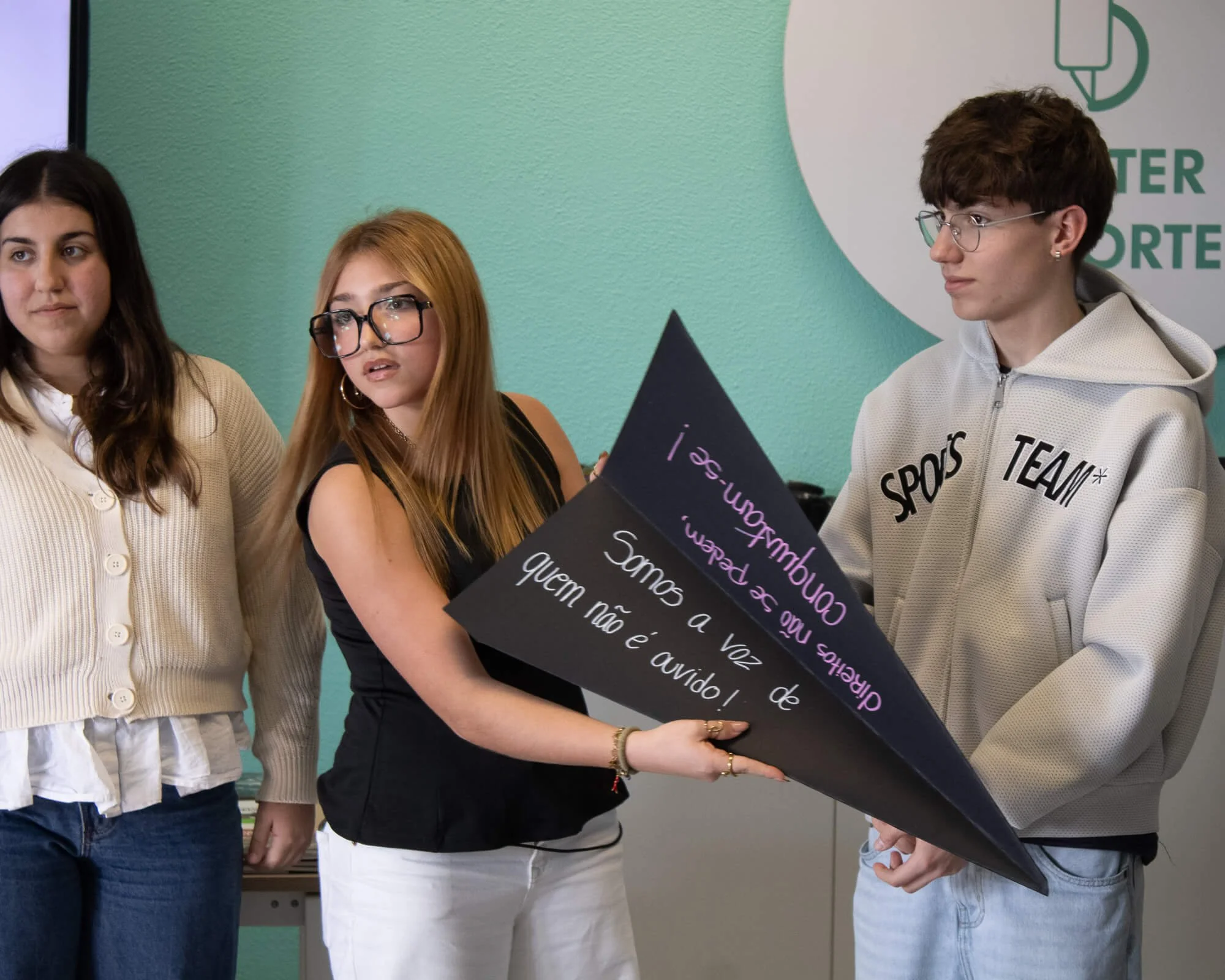
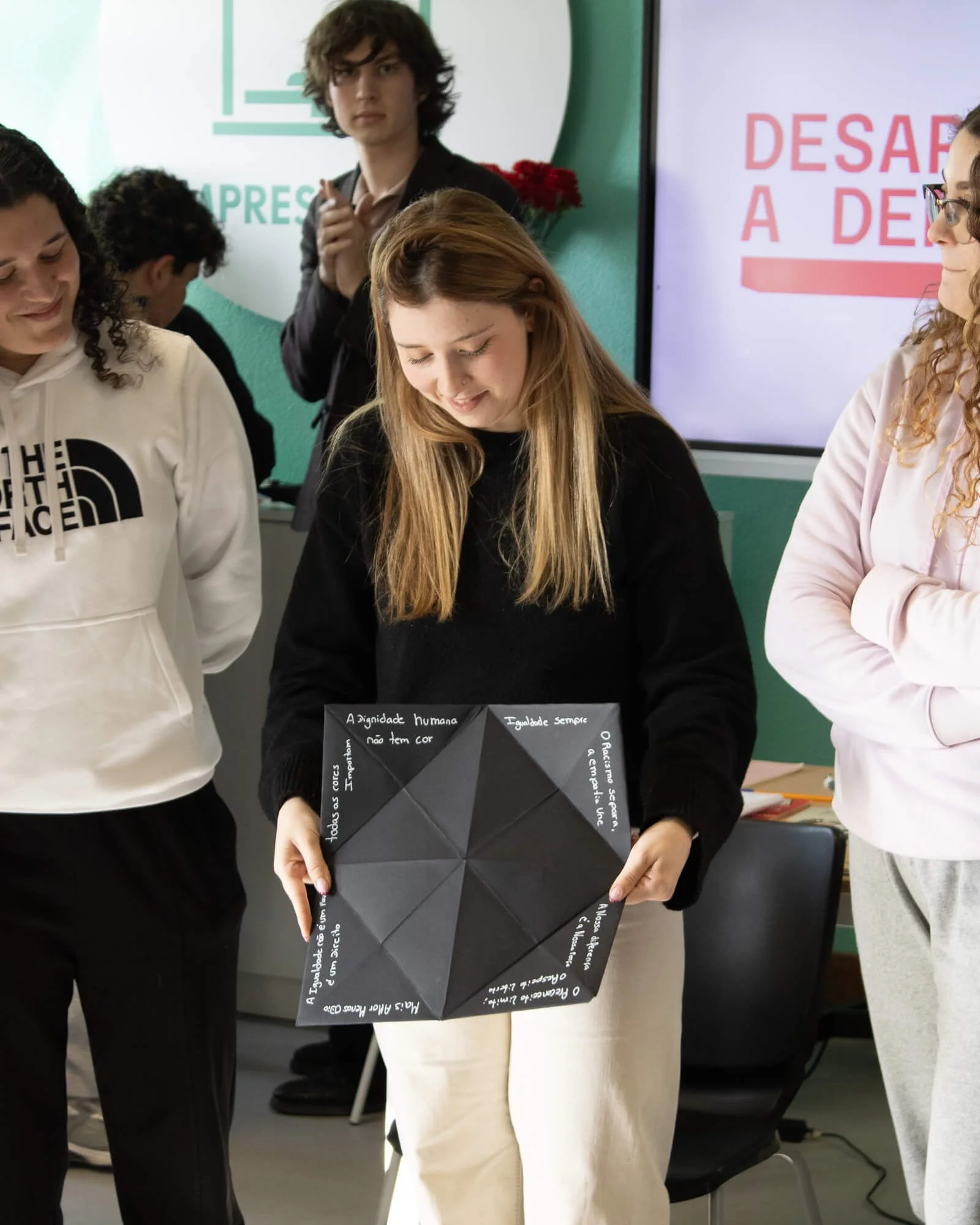
Throughout the workshop, participants engaged in collective analysis of archival materials, discussing how historical narratives are constructed and whose voices are represented—or missing. The session also included collaborative creative work, allowing participants to reinterpret archival content through their own perspectives.
Building Bridges Between Past and Present
“Unarchiving Democracy” demonstrated the powerful role that archives can play beyond historical preservation. By activating these materials in participatory and critical ways, the workshop fostered deeper awareness of systemic inequalities and encouraged participants to become more engaged citizens.
The event highlighted the importance of revisiting history not as a closed chapter, but as an ongoing dialogue—one that can inform more inclusive and equitable futures.