Unarchiving Democracy in Lisbon: Encounters with Memory, Voices from the Past
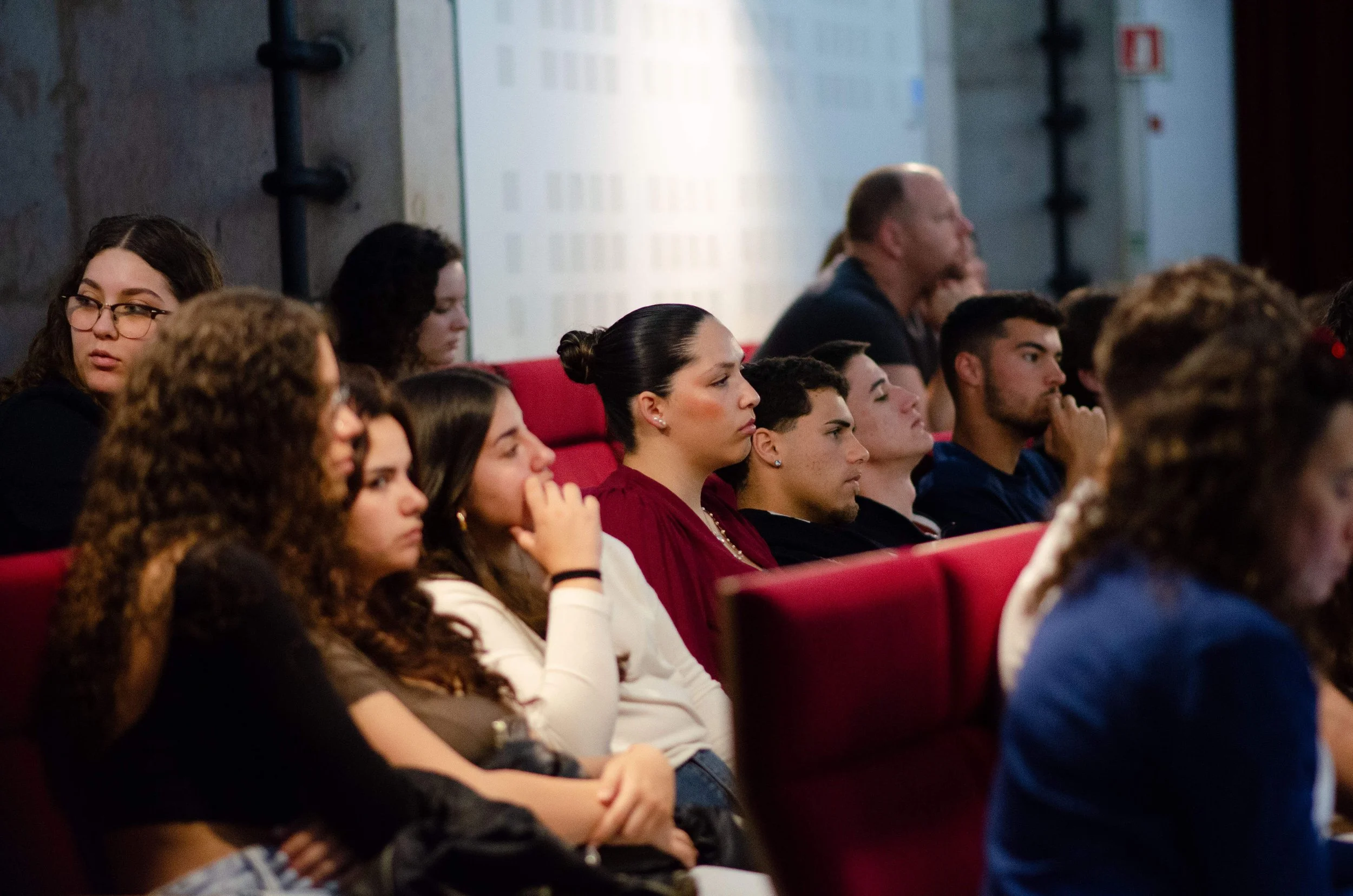
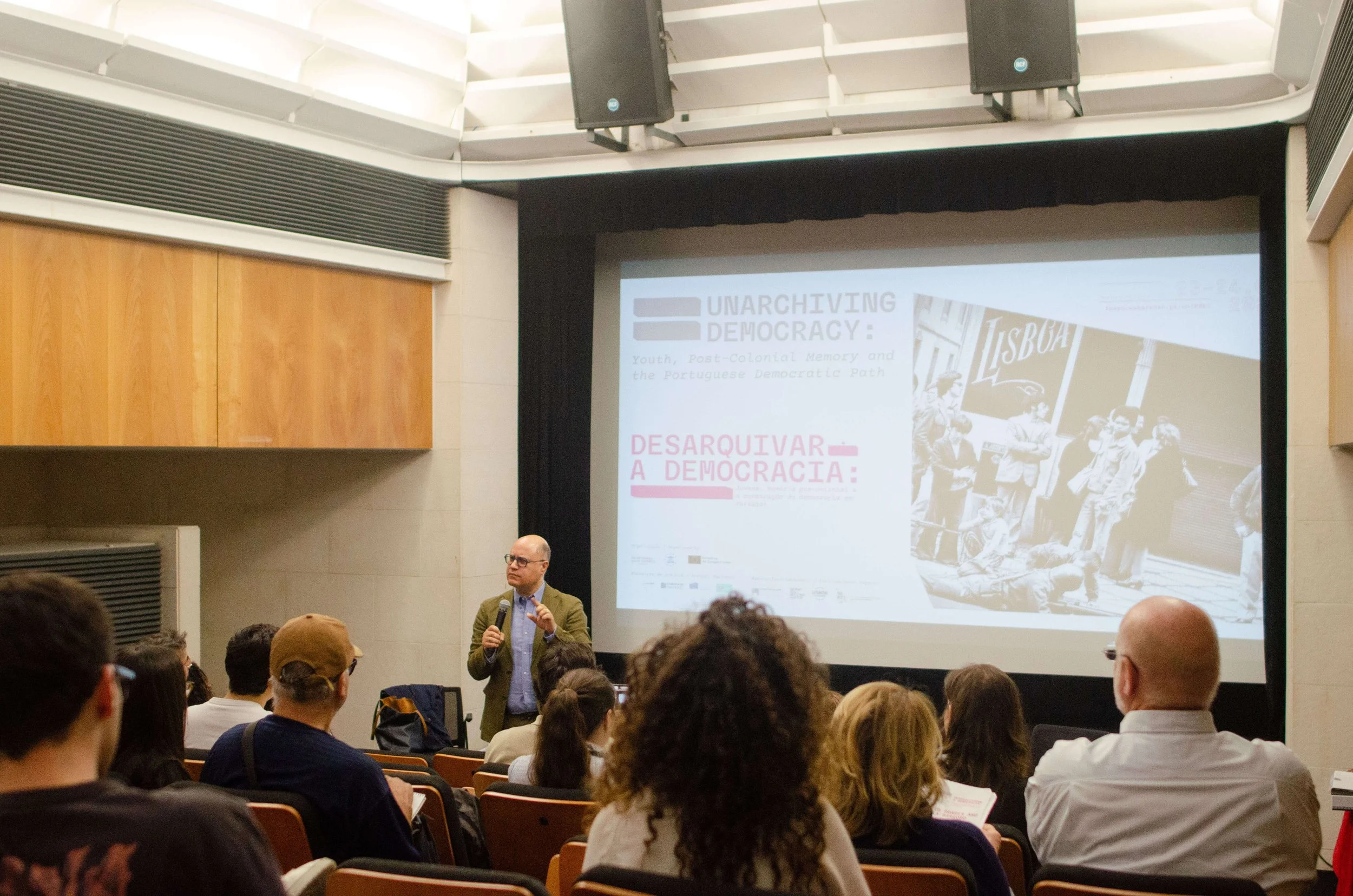
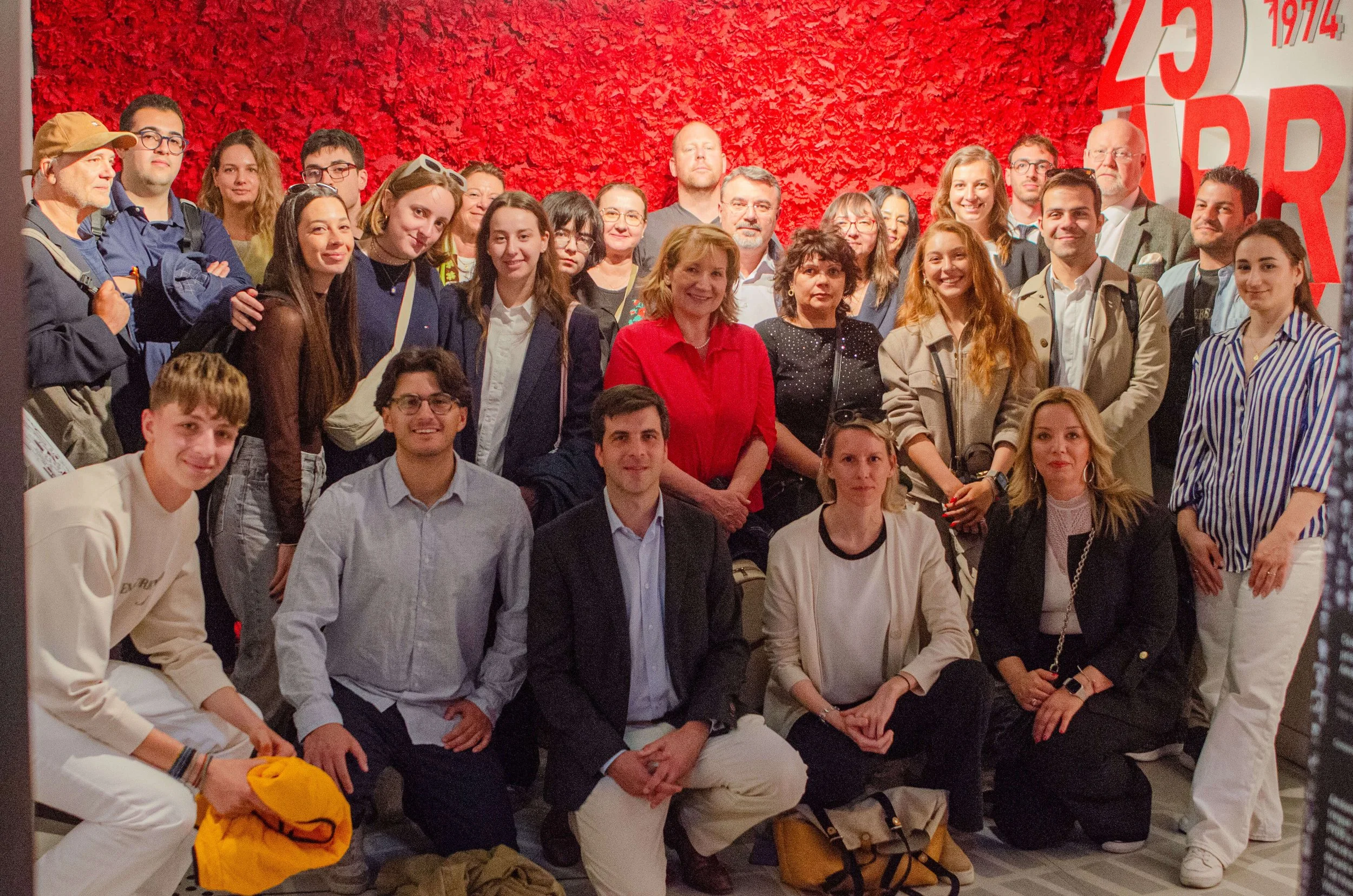
Guide book >> Portuguese PathOn 23–24 April 2026, Lisbon became a meeting point for stories, memories and questions that continue to shape Europe today. The international event “Unarchiving Democracy: Youth, Post-Colonial Memory and the Portuguese Democratic Path” brought together young people, researchers and practitioners to explore how the past lives on in the present—and how it can be engaged with more critically and inclusively.
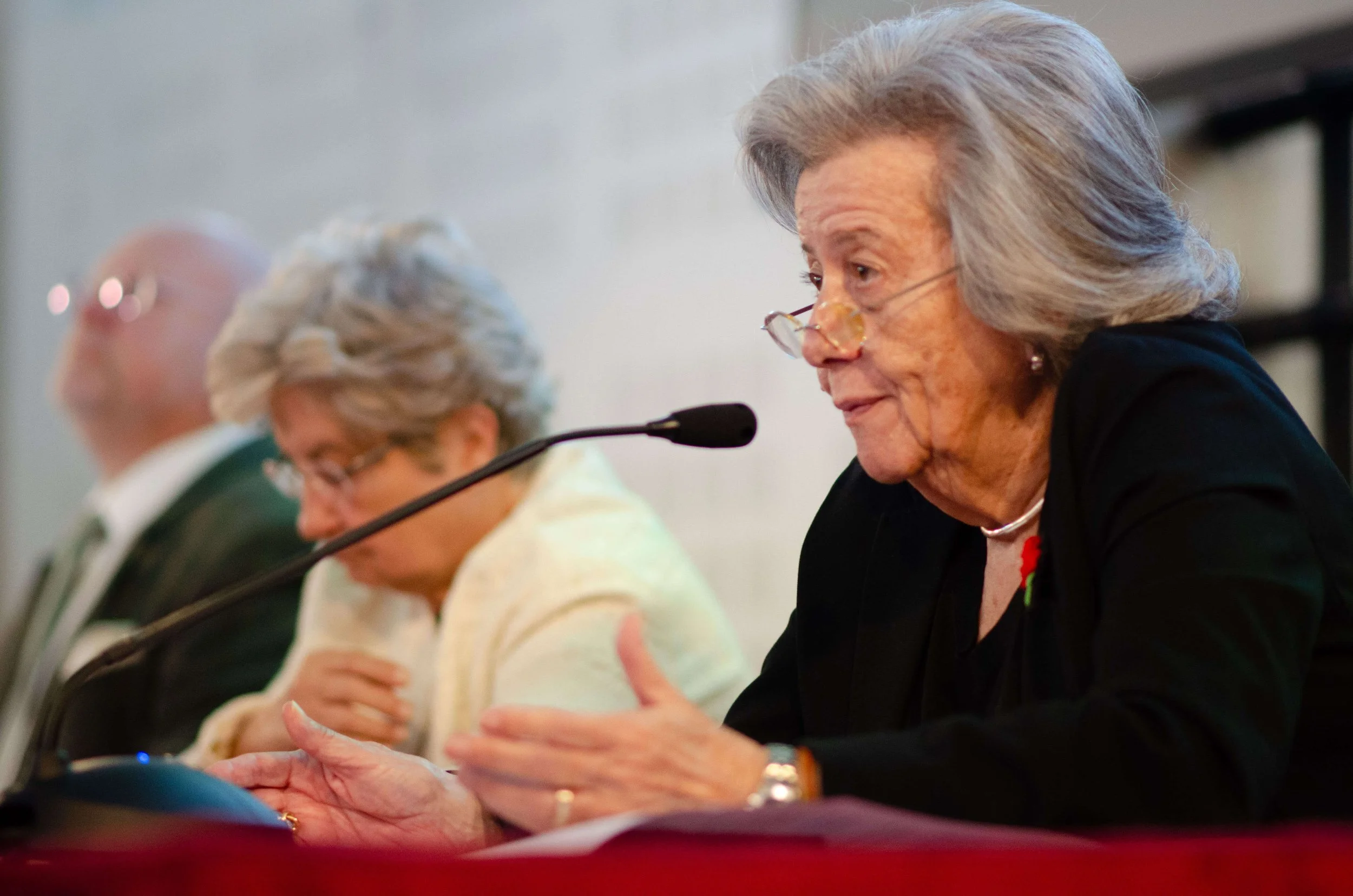
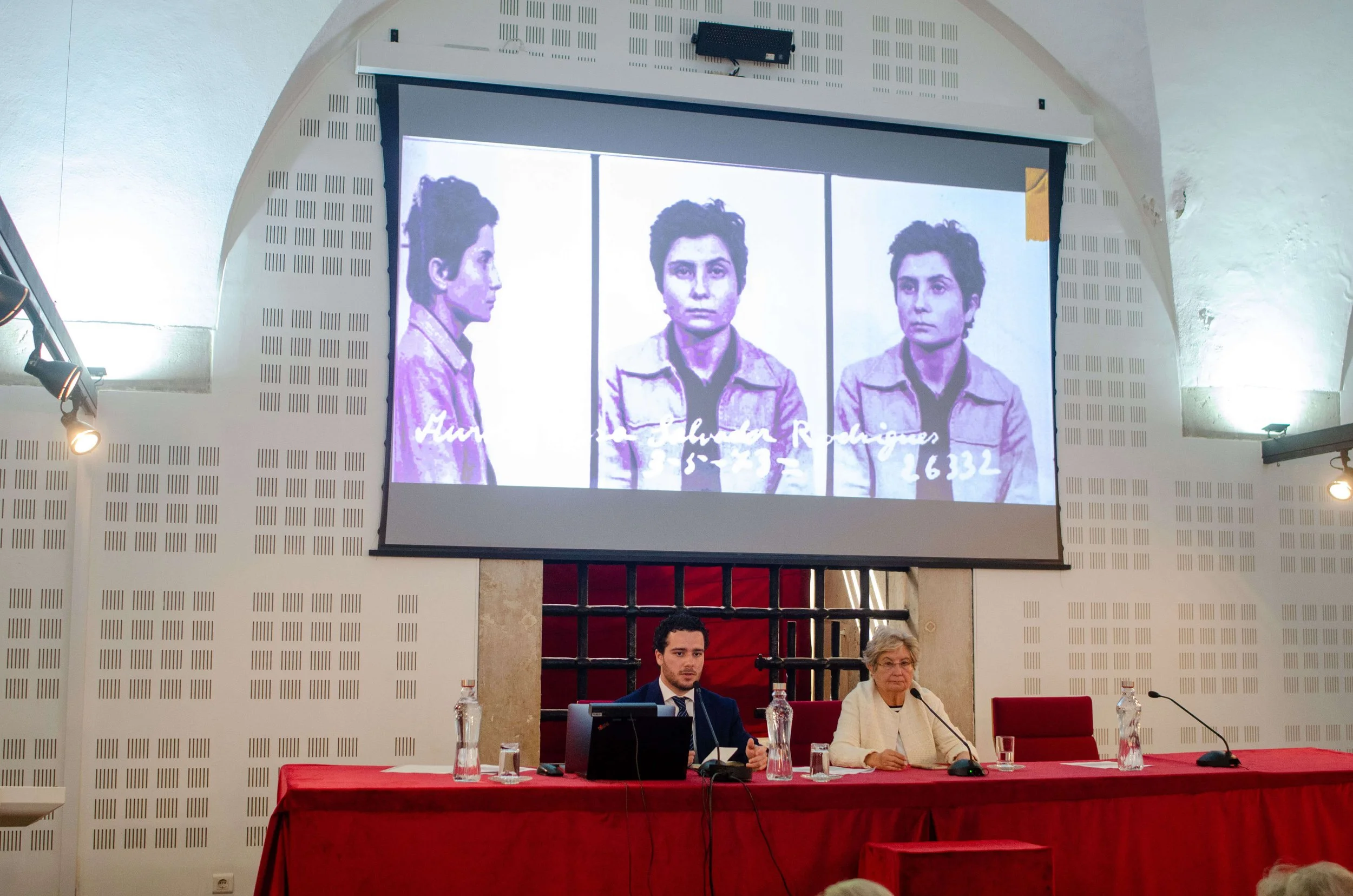
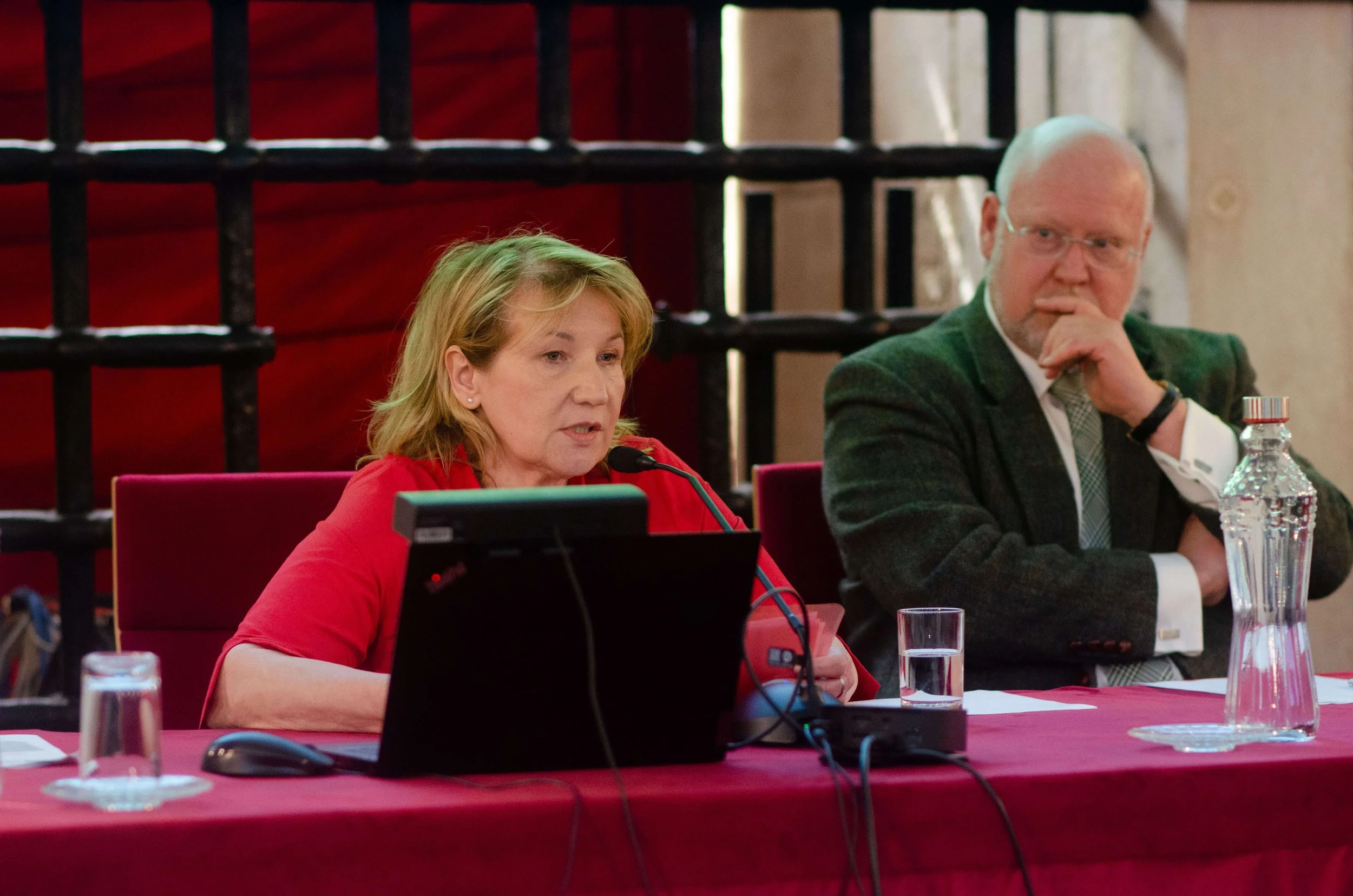
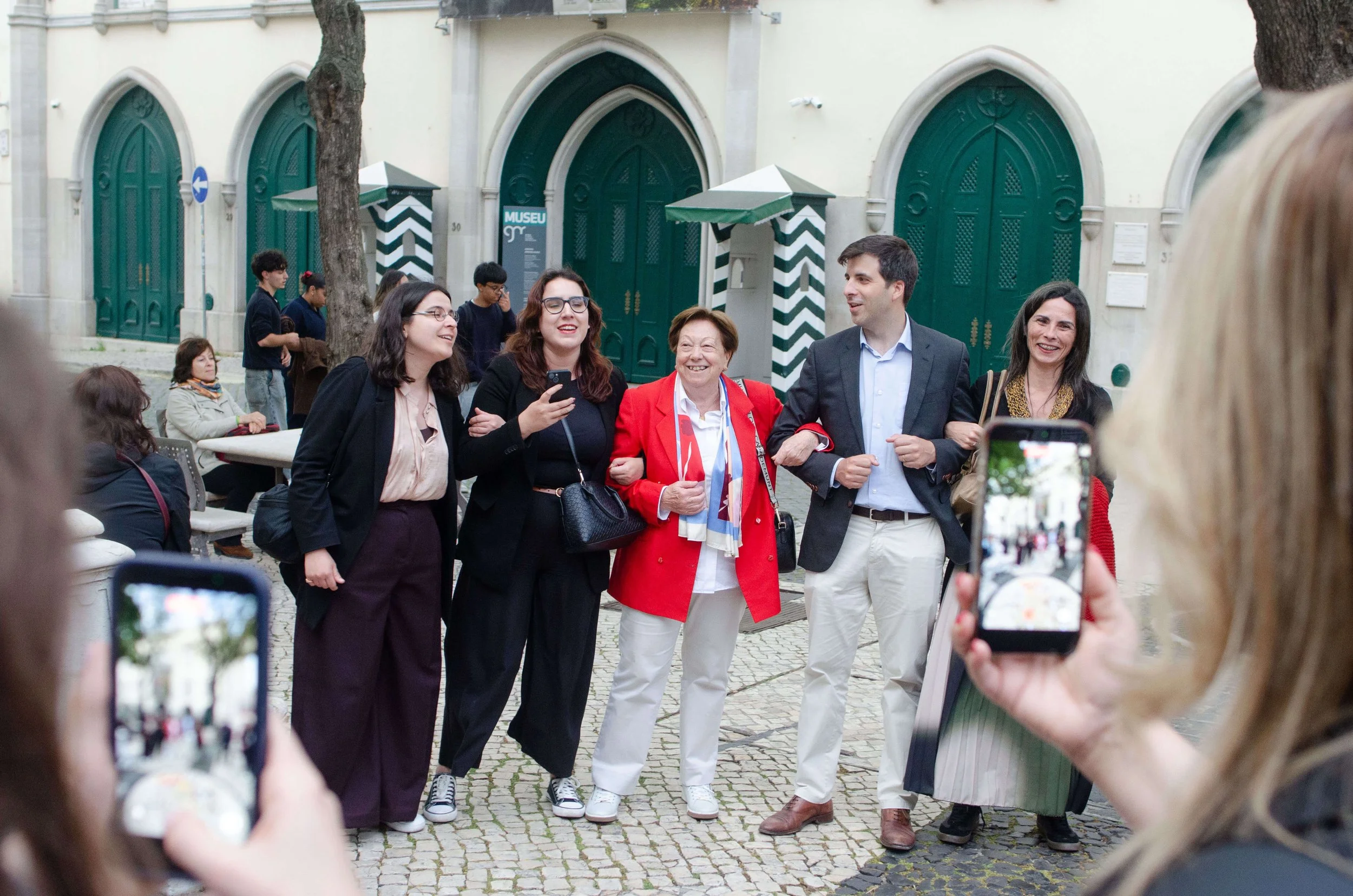
From the very first morning, the tone was set by voices that carried lived experience. Aurora Rodrigues, a former political prisoner, spoke about repression under the Estado Novo dictatorship. Her testimony gave a human face to historical narratives and grounded the discussions in personal memory. This was followed by Susanne Sellnar, who reflected on responsibility and ethical decision-making under pressure, connecting past experiences with dilemmas that remain relevant today.
The setting itself played an essential role. At the Museum of Aljube—once a prison for political dissidents—participants walked through spaces where history is still tangible. The visit did not simply illustrate what had been discussed earlier; it deepened it, allowing participants to connect emotionally and intellectually with Portugal’s authoritarian past.
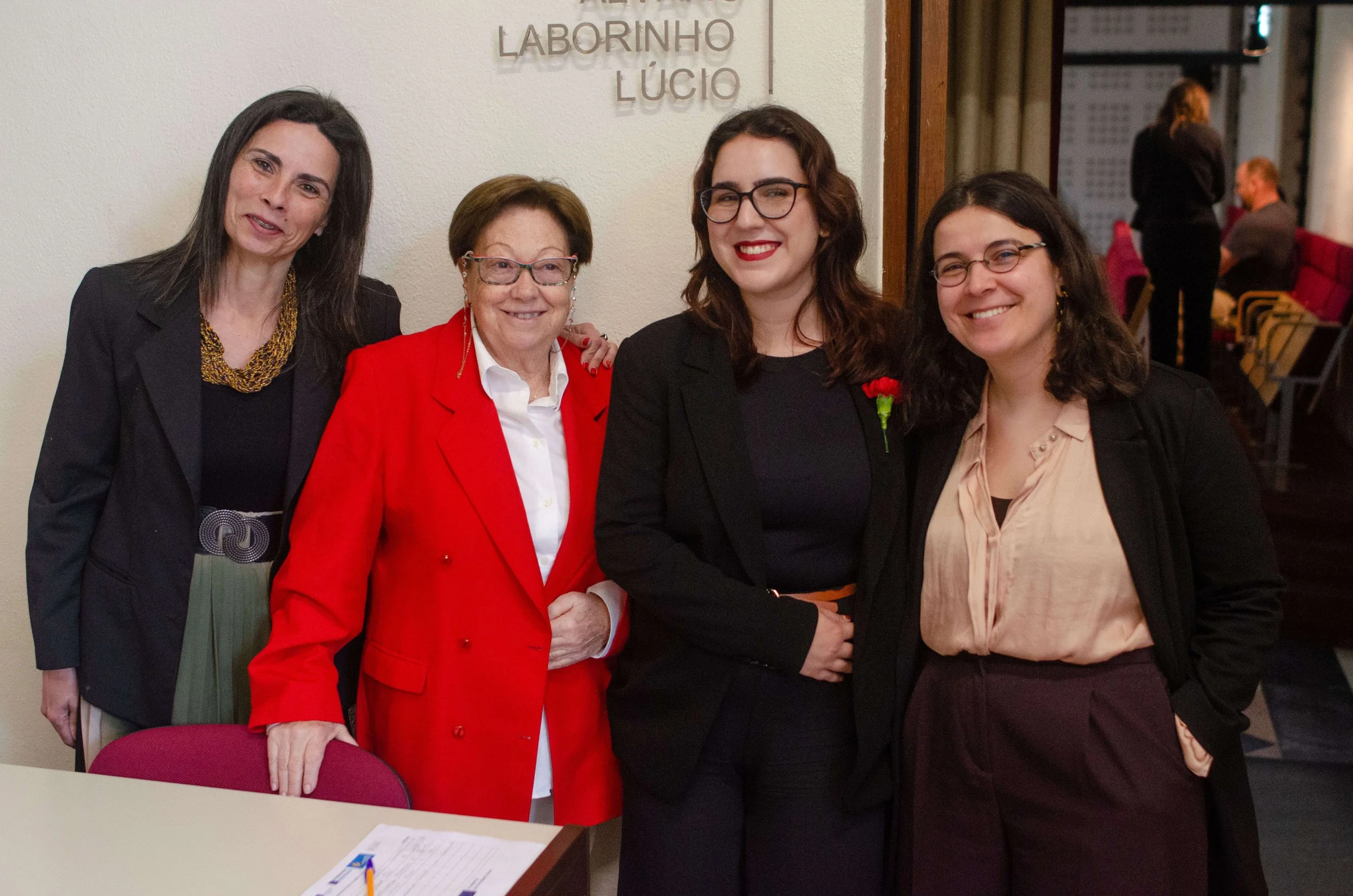
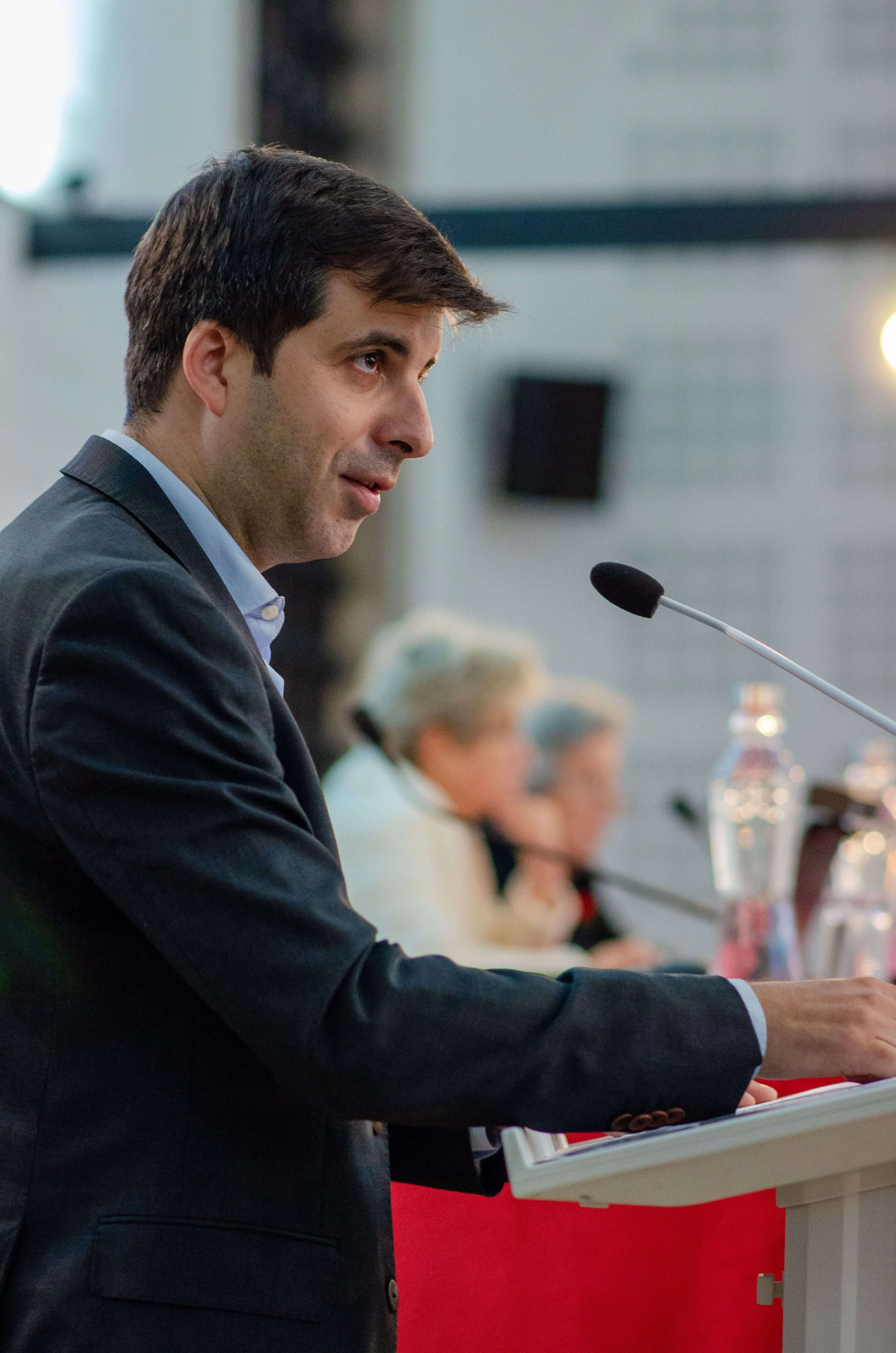
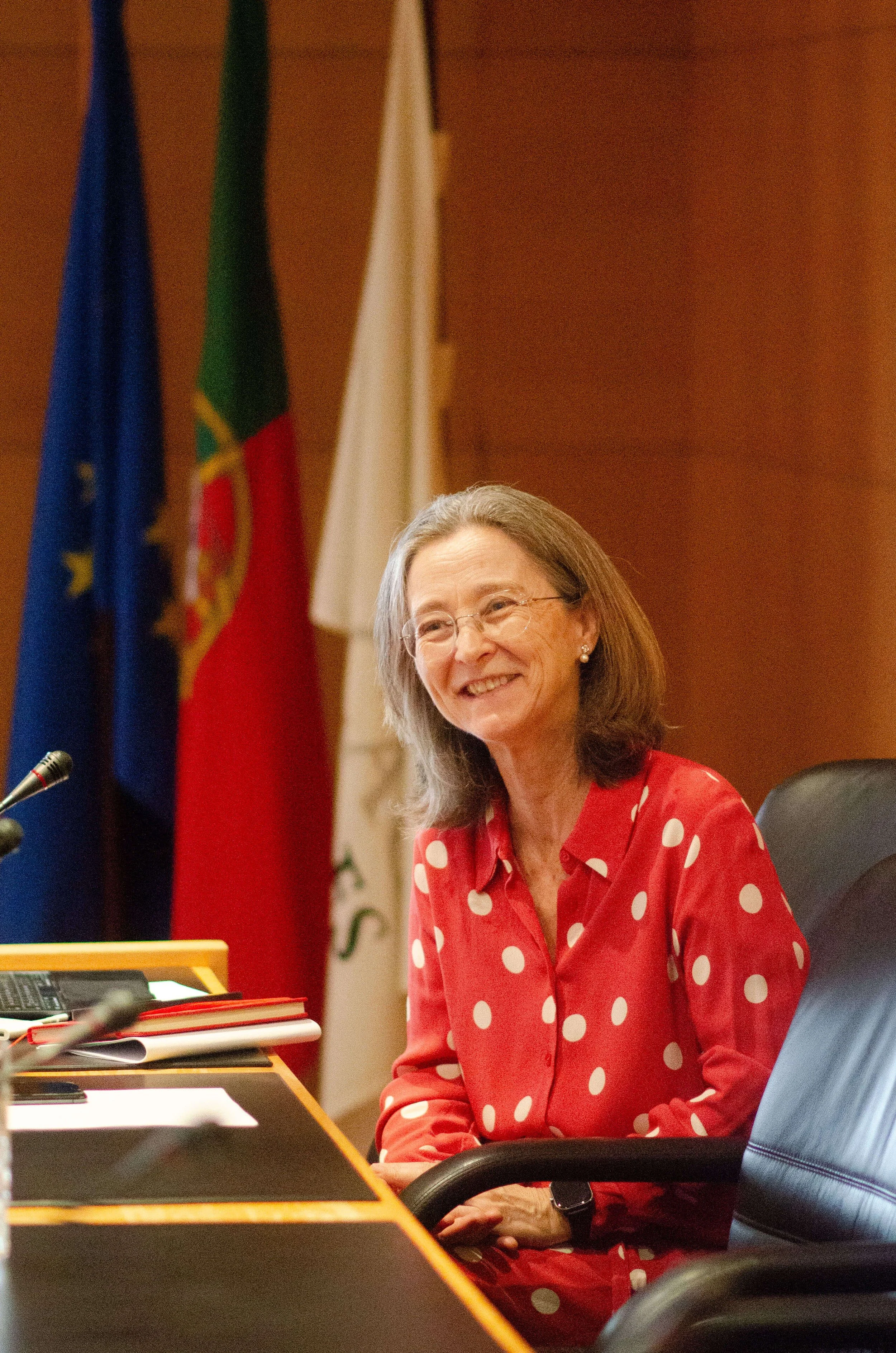
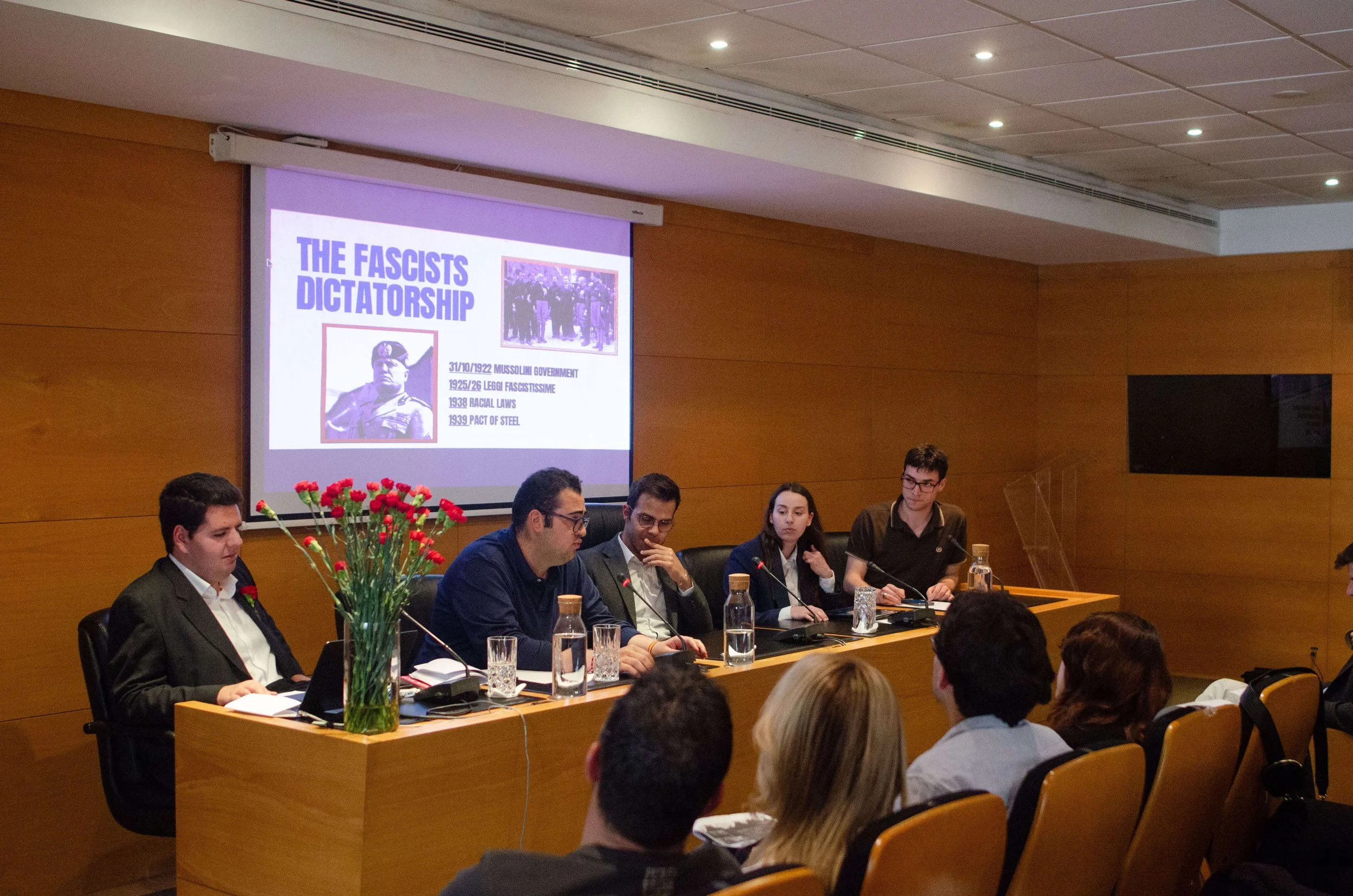
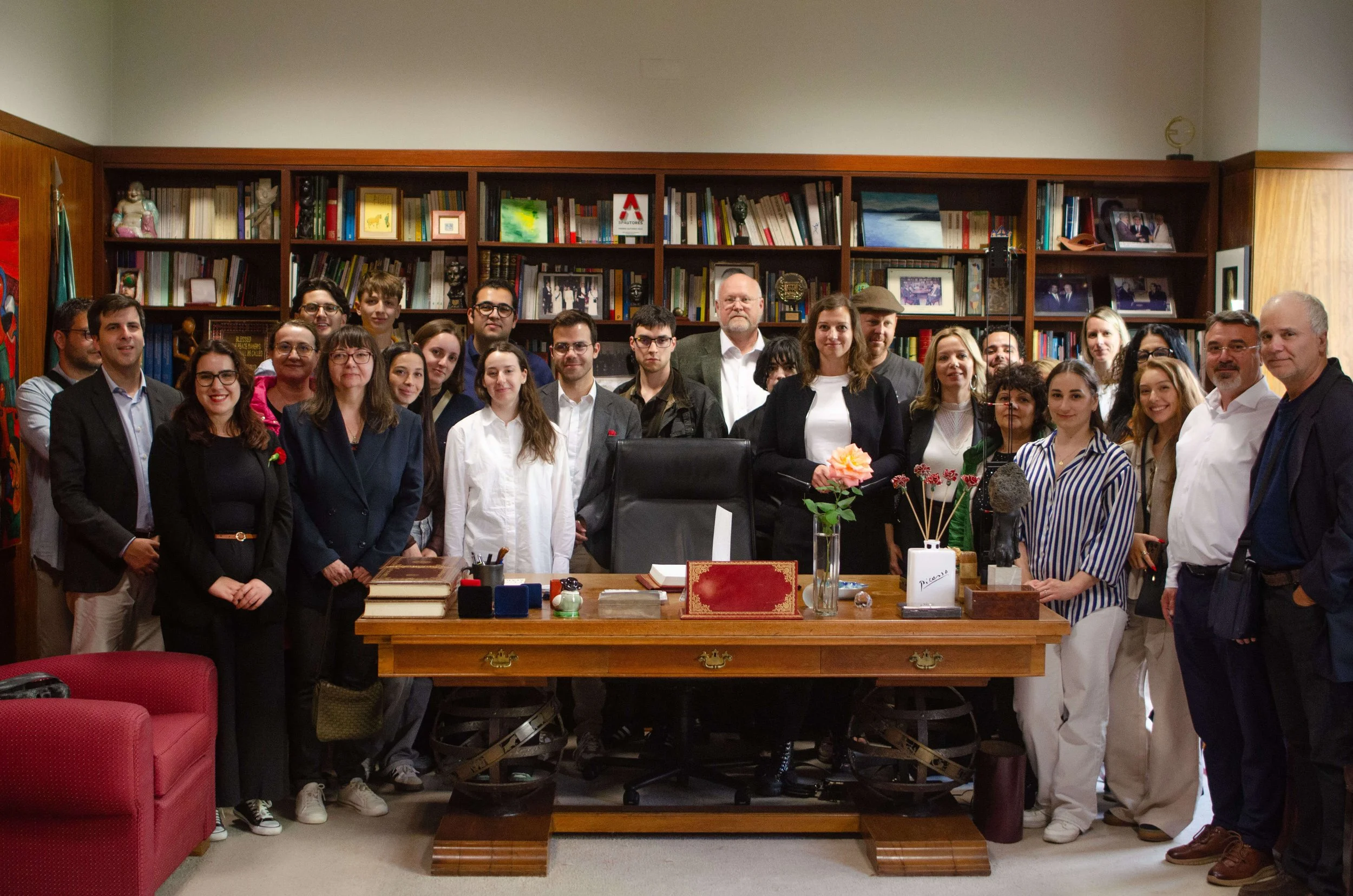
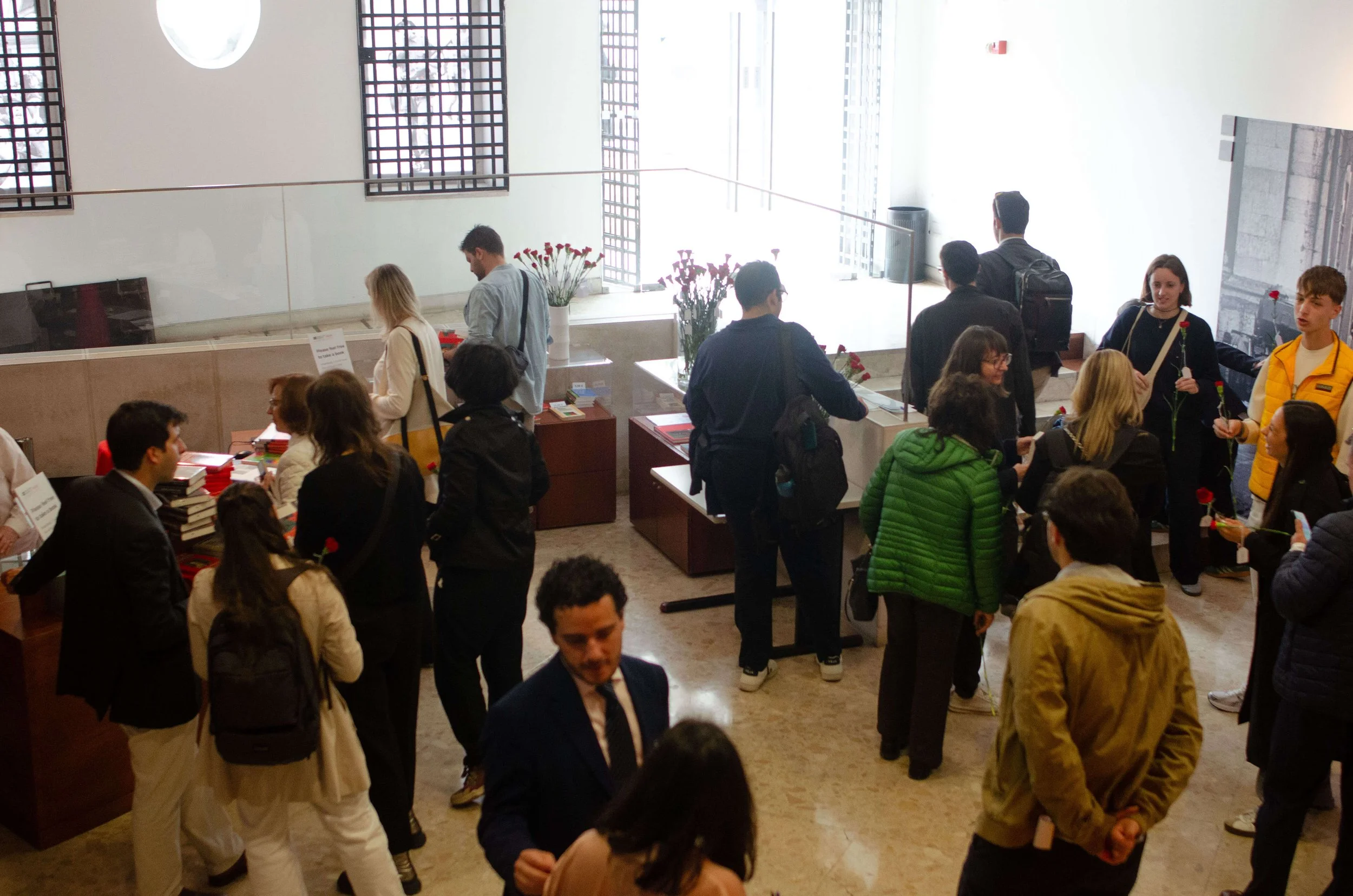
In the afternoon, the programme shifted toward collective reflection and participation at the Fundação Mário Soares e Maria Barroso. Contributions from organisations such as Foster Europe, Movomenti Europeo, European Expression and Asociatia 'Liga Scriitorilor' Filiala Timisoara Banat (Romania) opened up different national perspectives on commemorating democracy. Maria Inácia Rezola added further depth by linking these discussions to the official commemorations of the 50th anniversary of the 25 April Revolution, situating the event within a broader national and historical context.
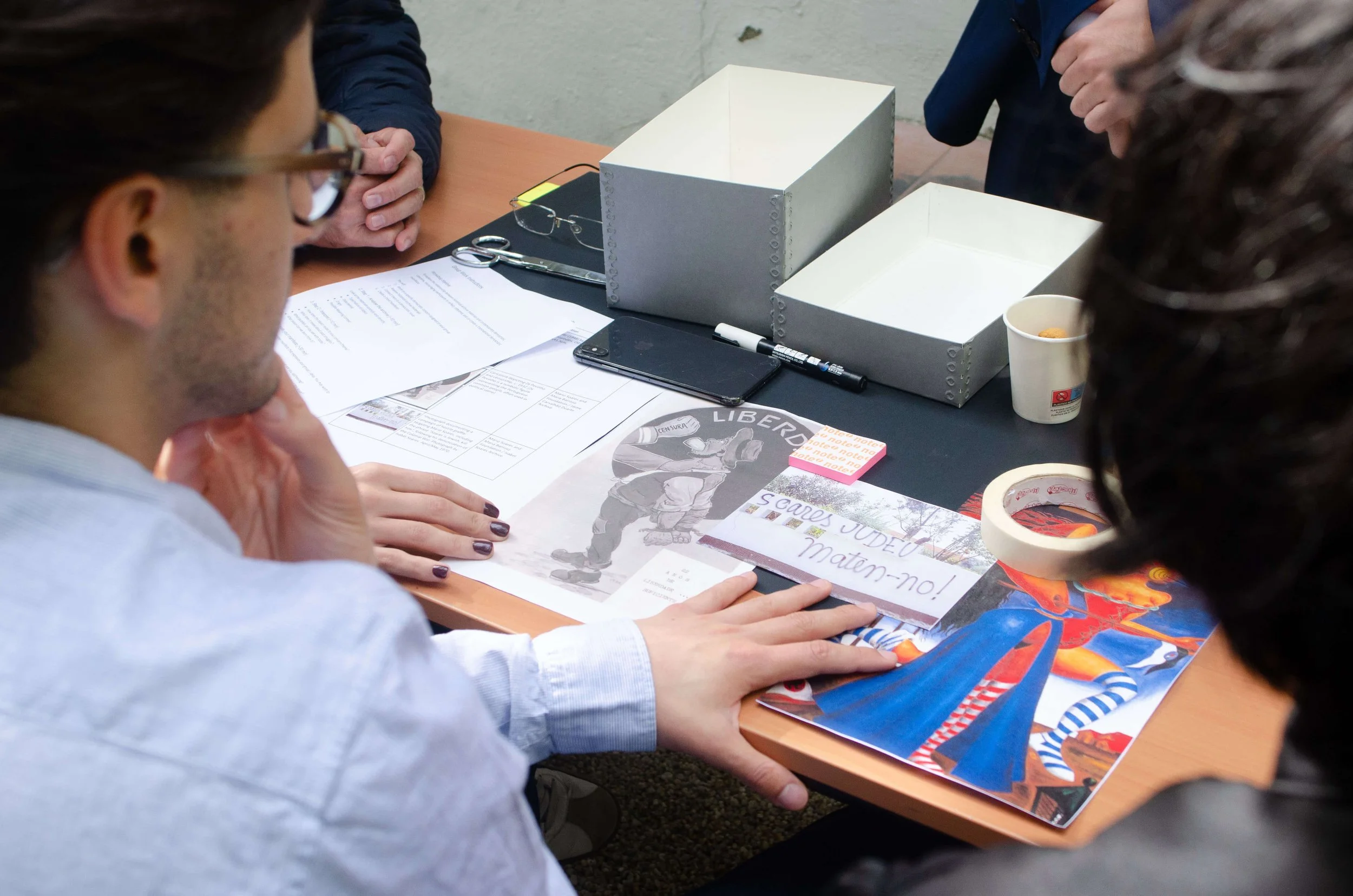
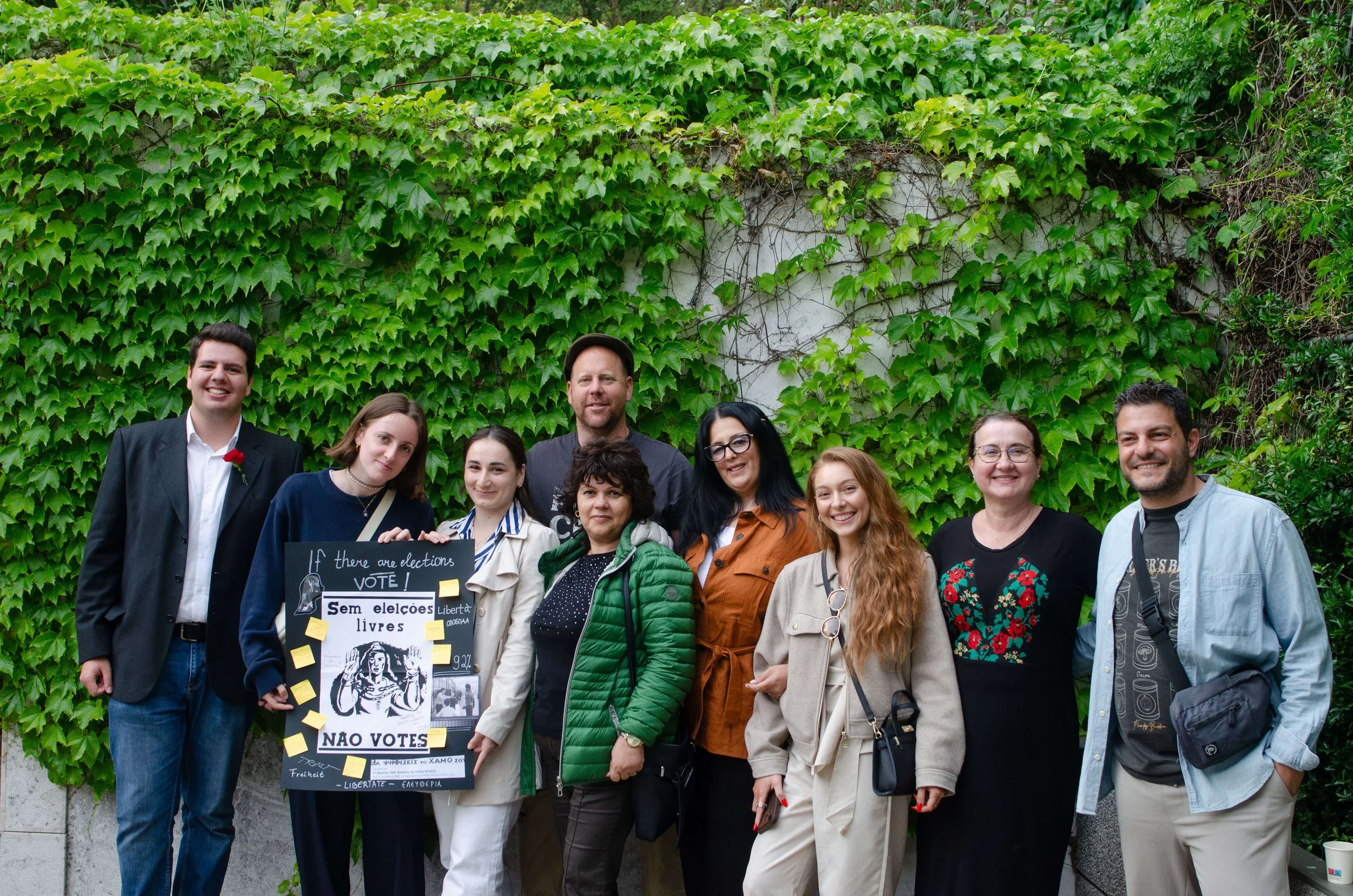
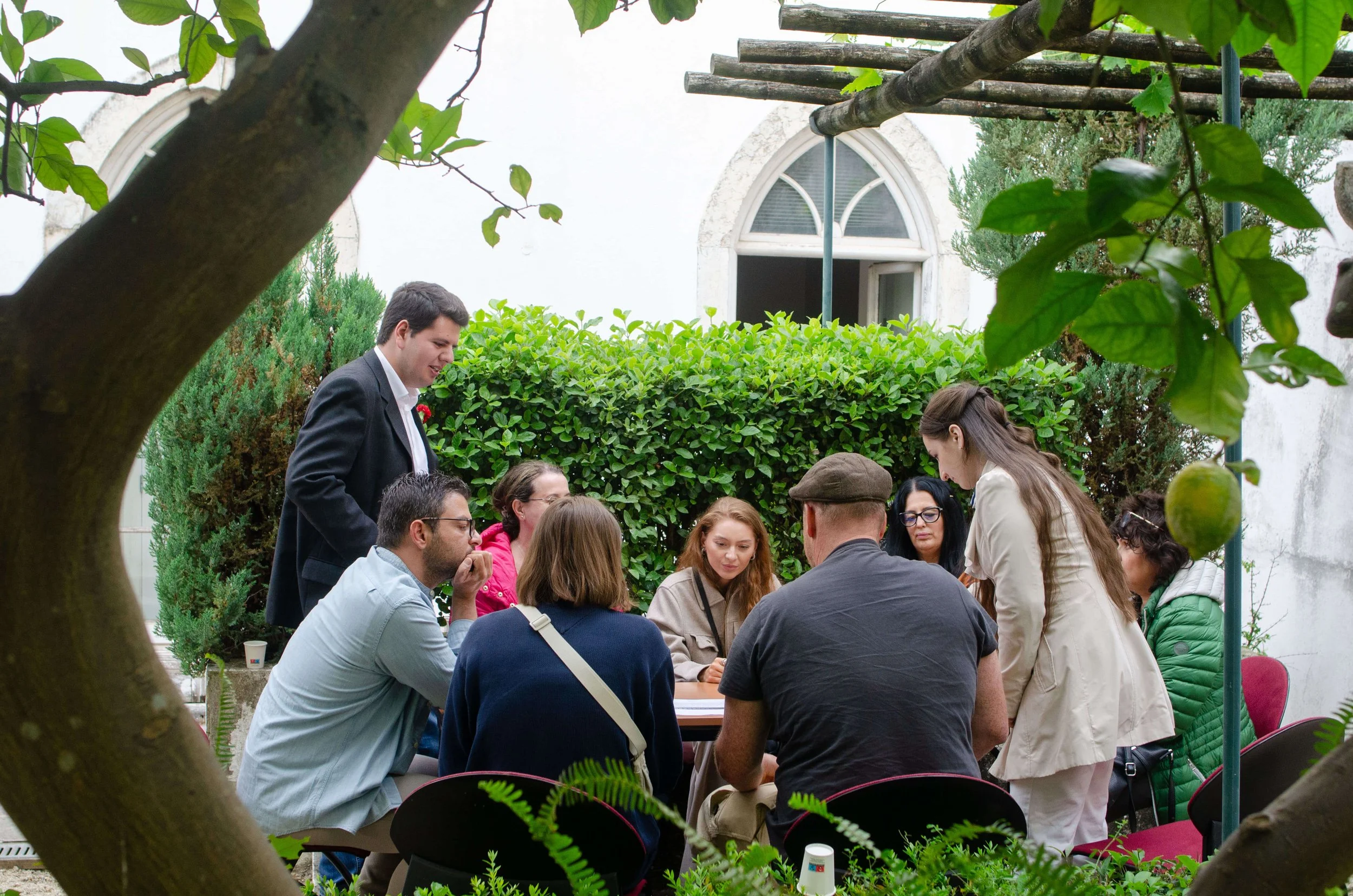
The “Unarchiving Democracy” workshop invited participants to work directly with archival materials. Here, history became something to question, reinterpret and share. The idea of “unarchiving” took shape through practice: opening up established narratives, making space for multiple perspectives, and recognising archives as active tools for democratic engagement.
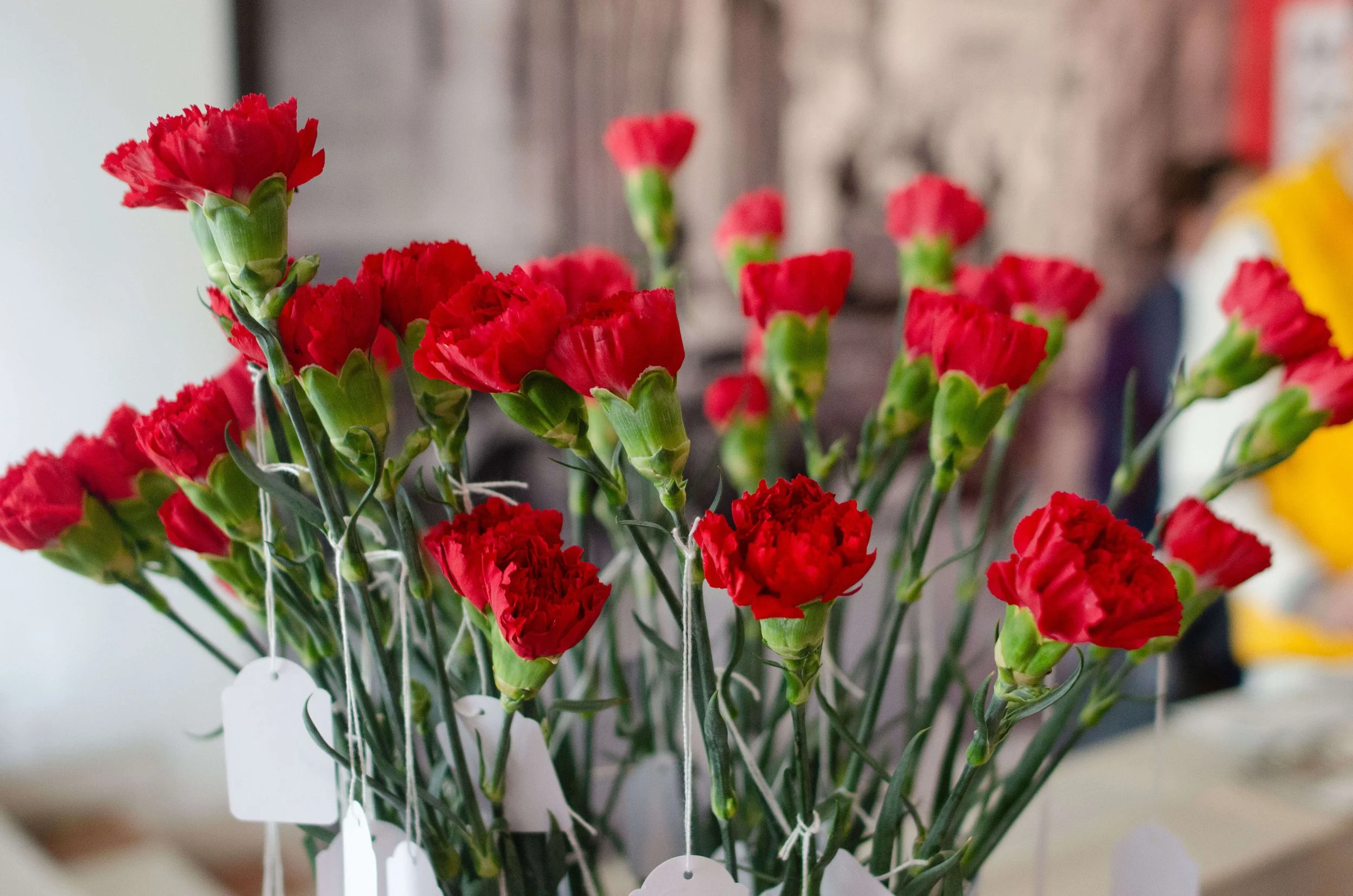
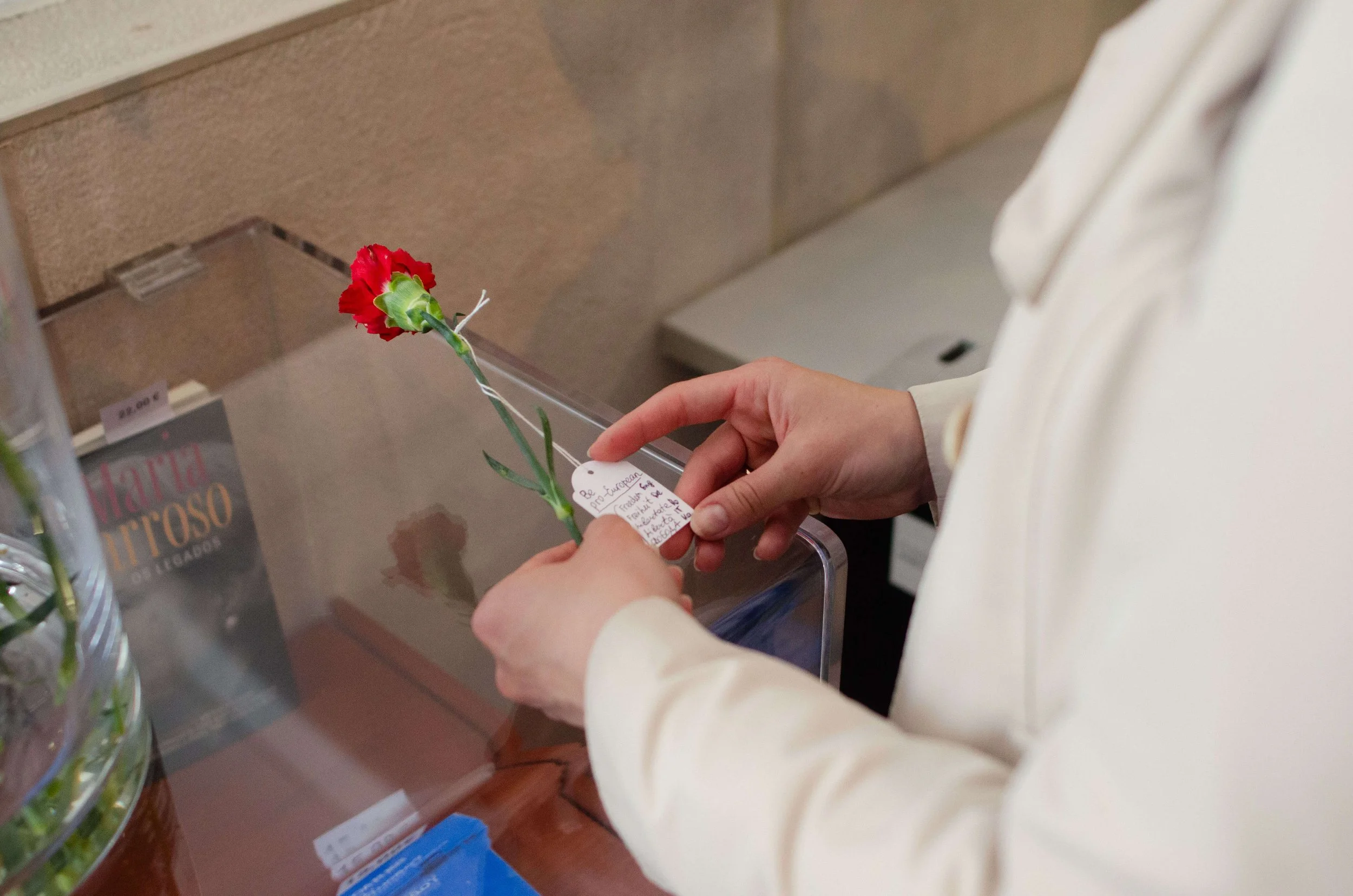
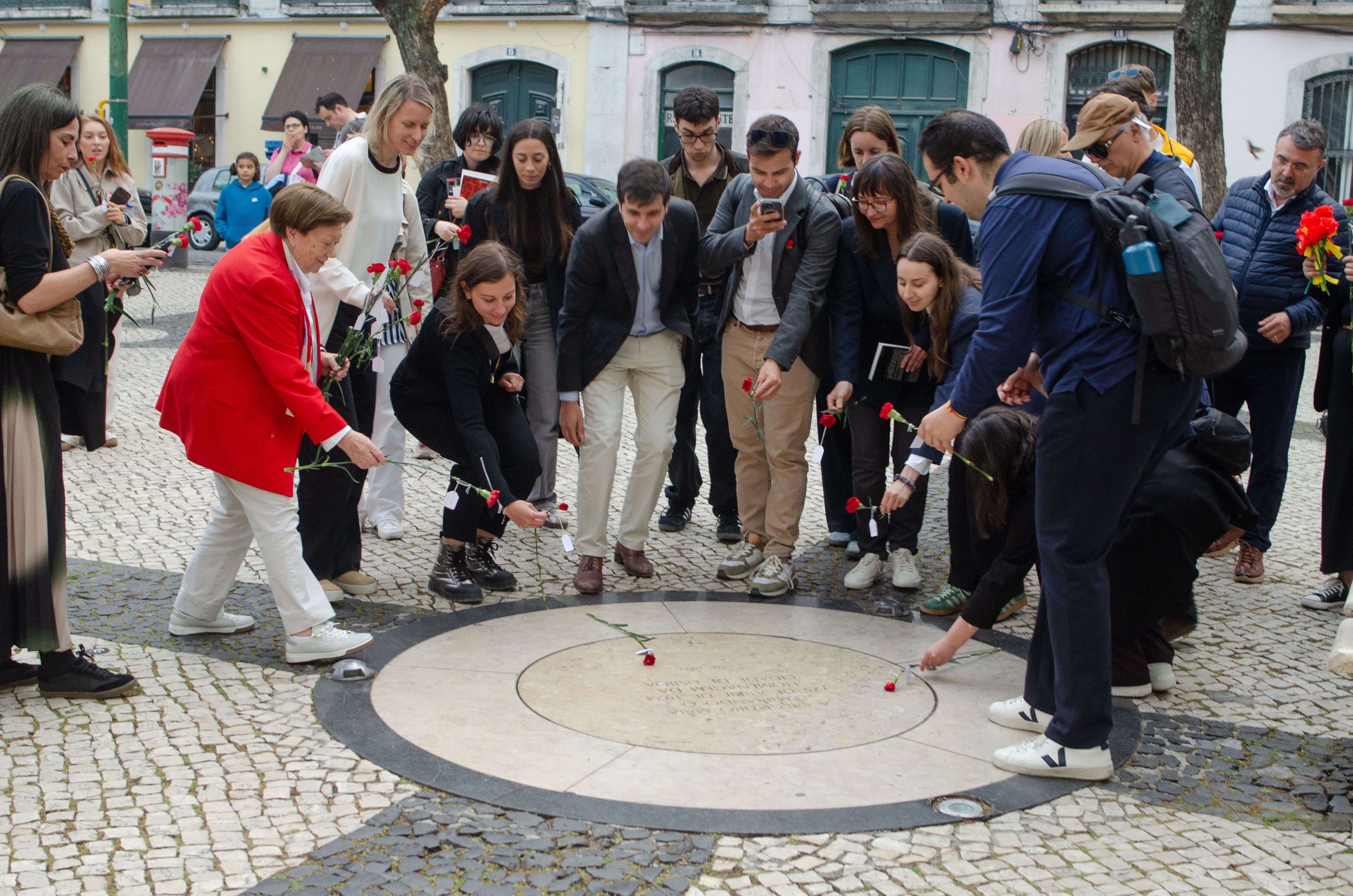
As the day moved into the evening, participants gathered at Largo do Carmo. The act of placing carnations—echoing the revolution of 1974—created a quiet but powerful connection between past and present. It was a moment shaped less by formal structure and more by shared awareness.
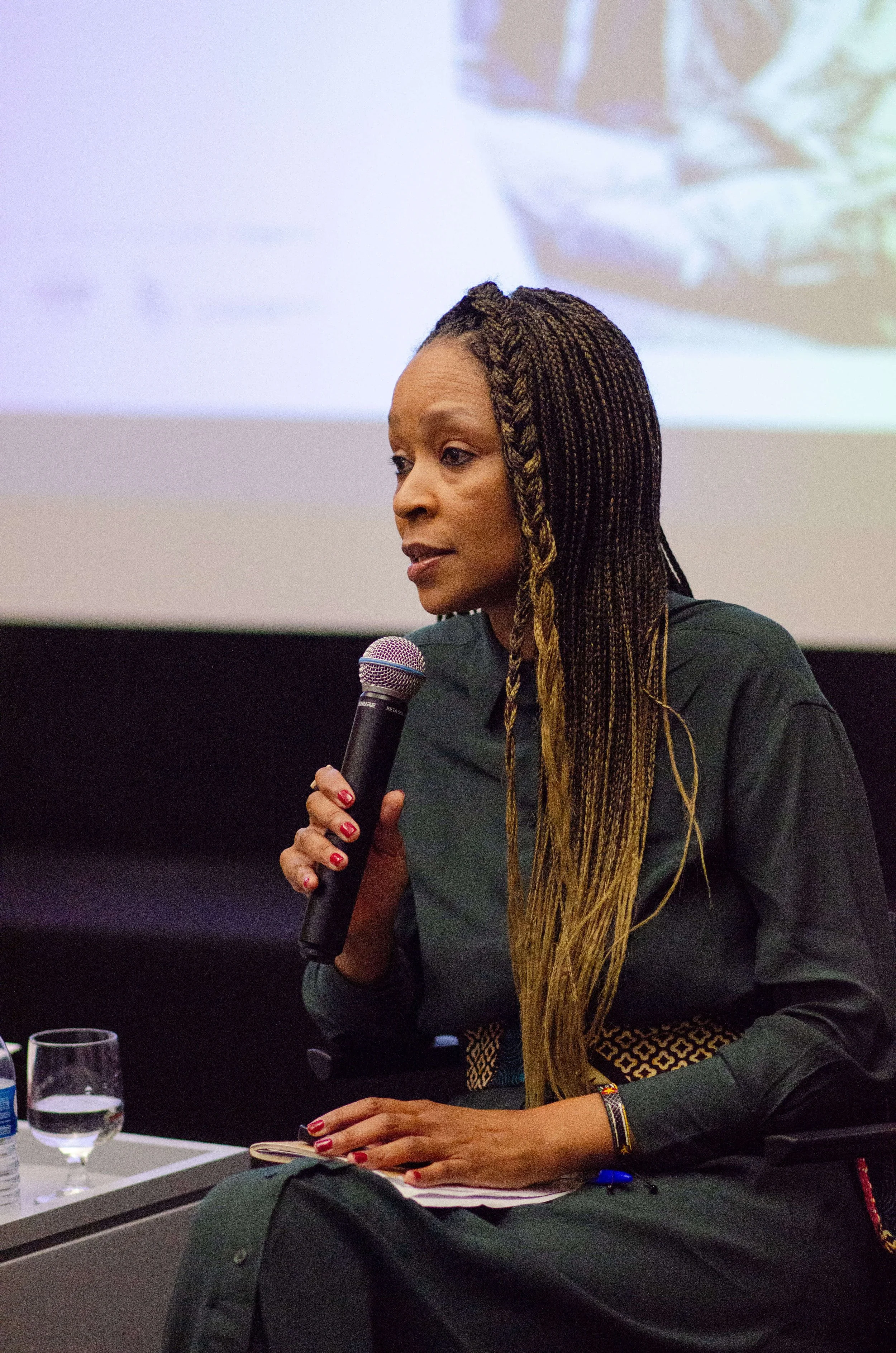
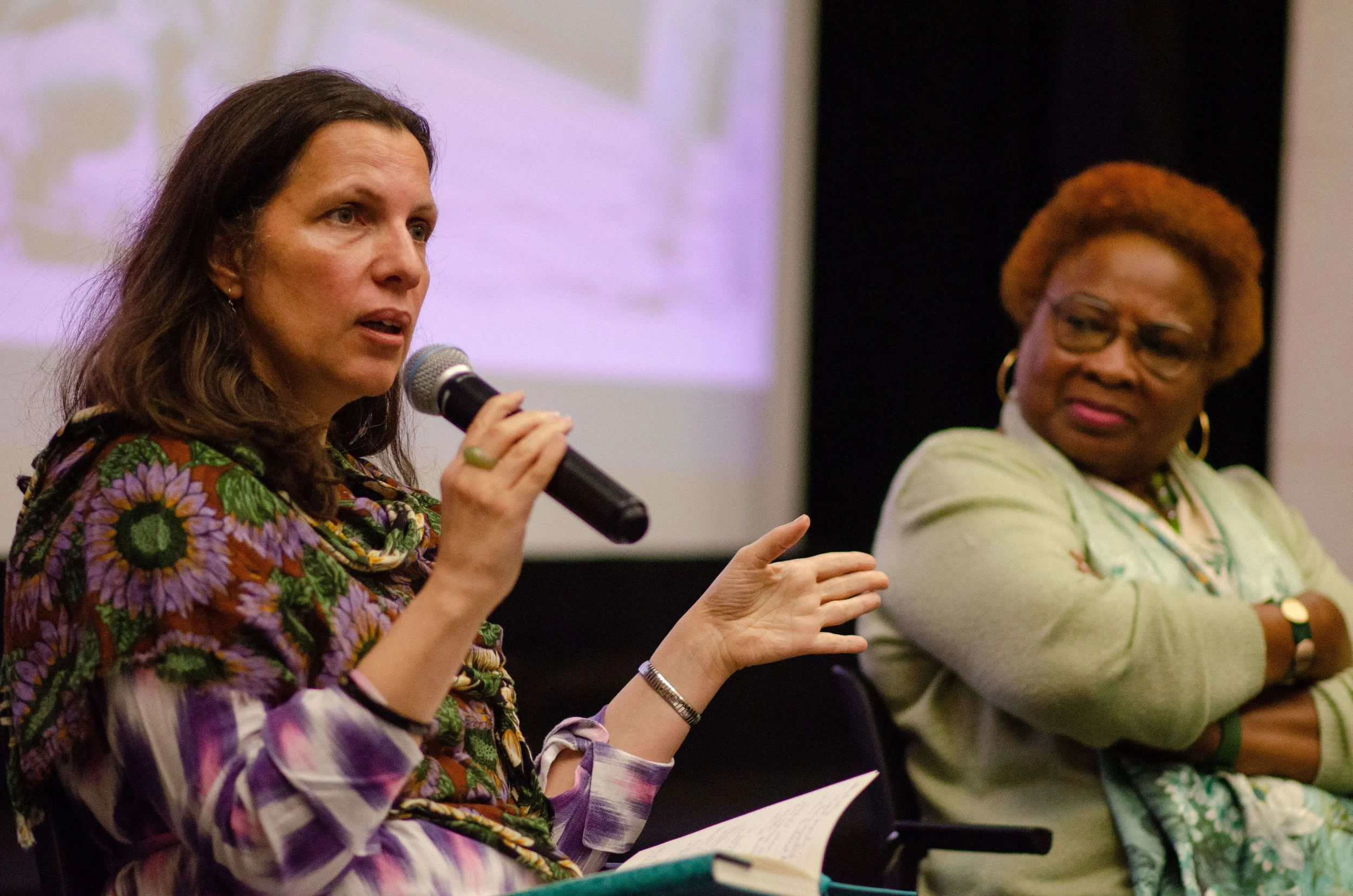
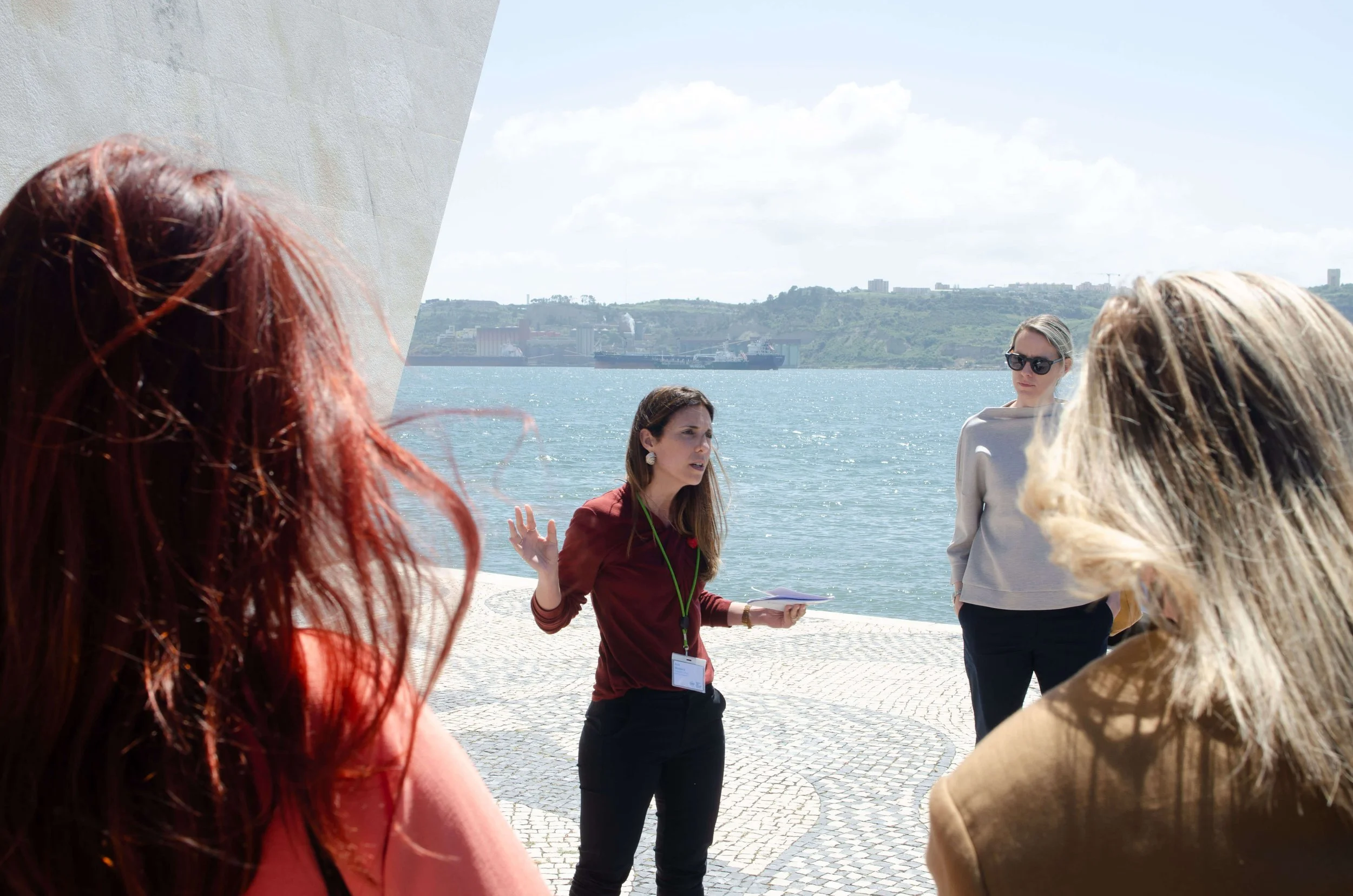
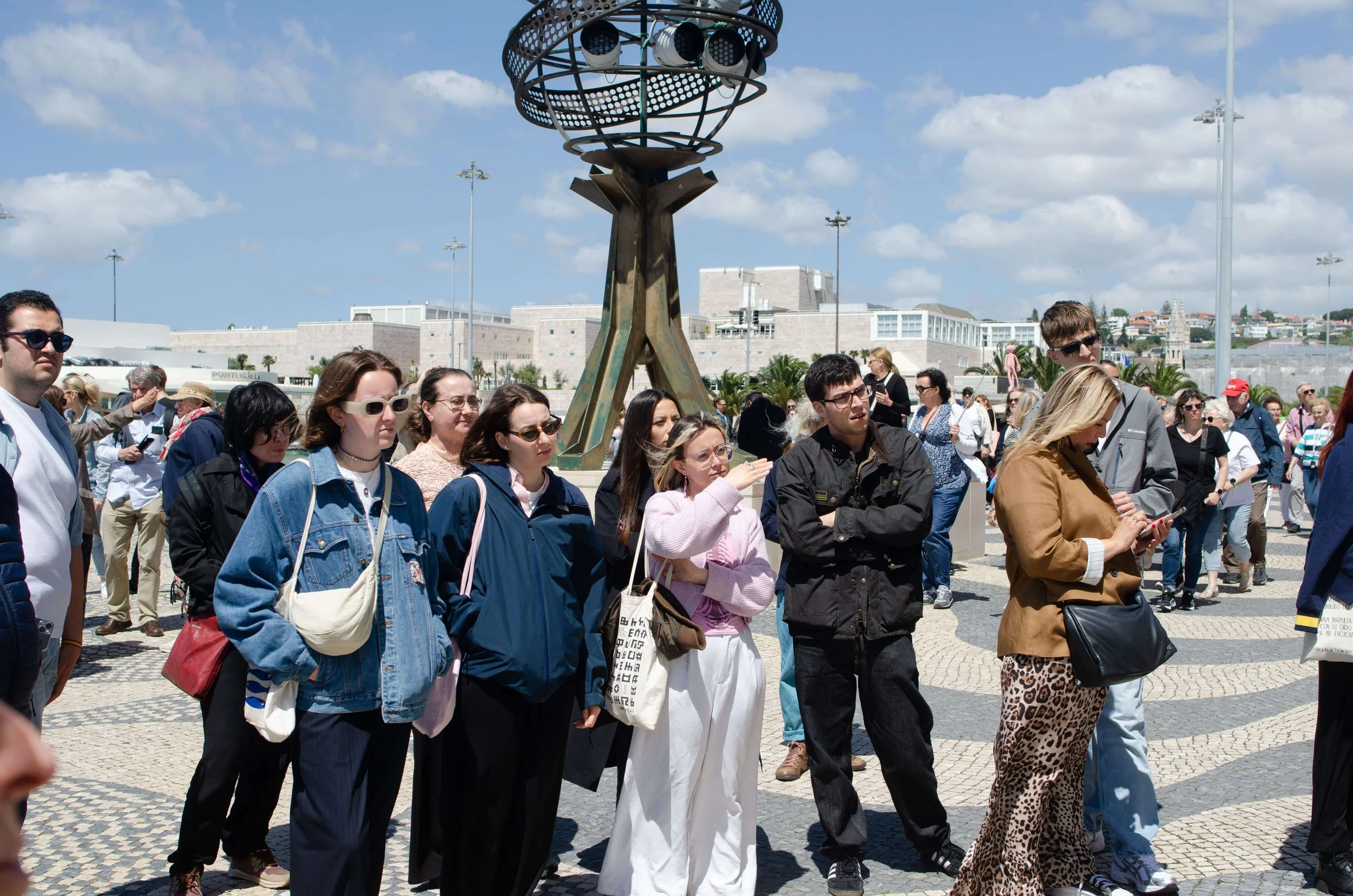
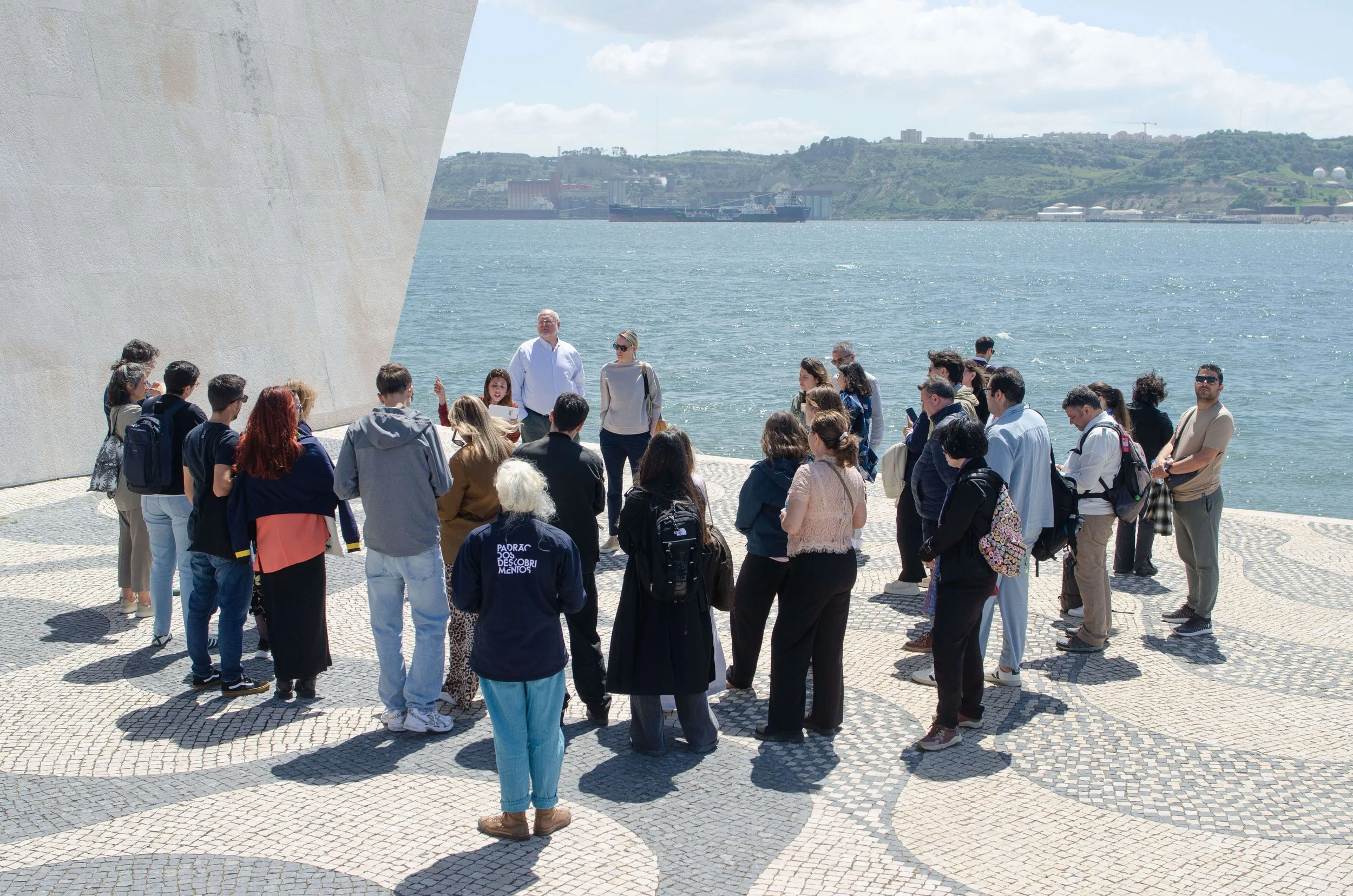
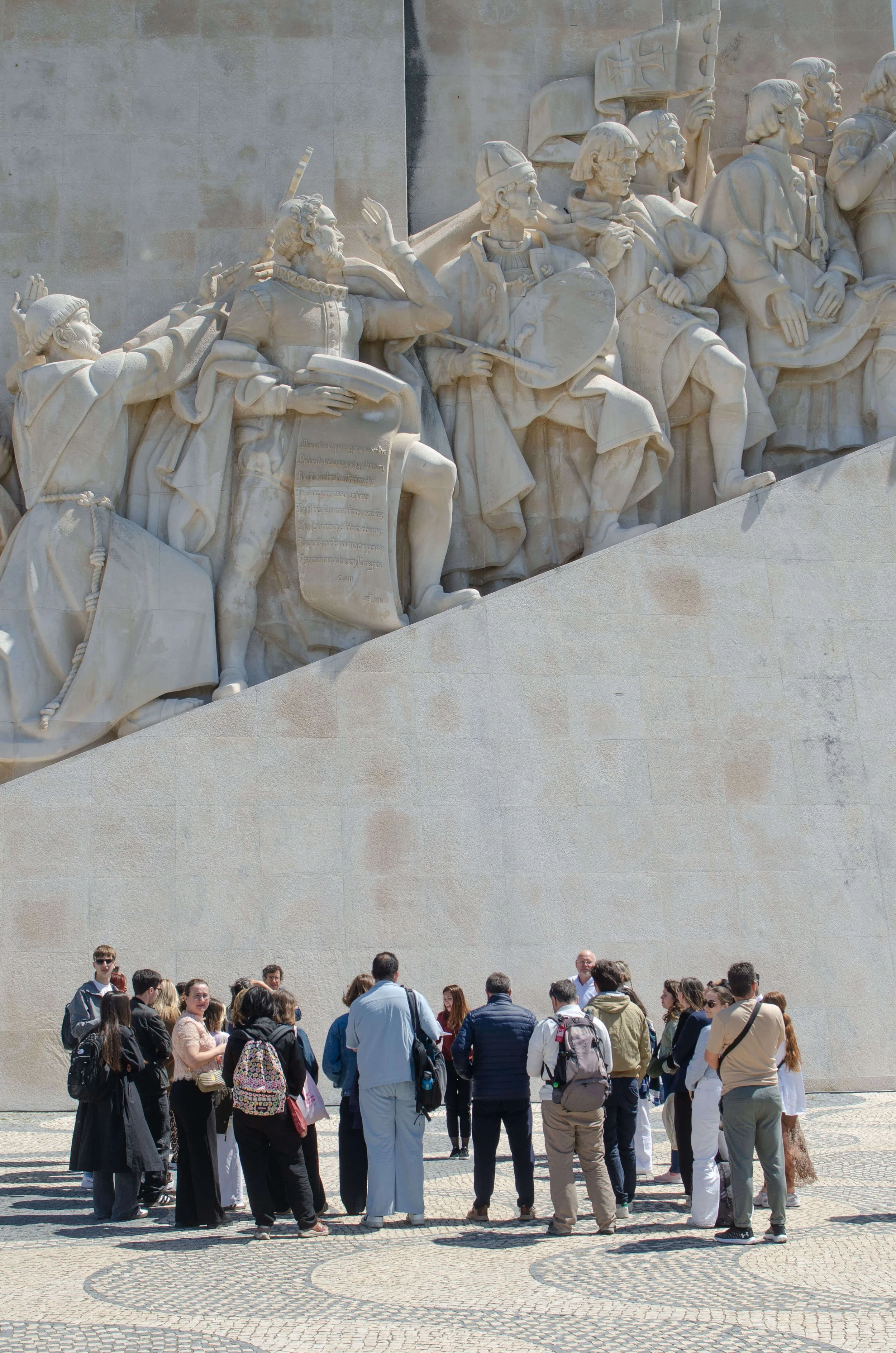
The second day turned toward another layer of history that continues to influence European societies: colonial legacies. At the Monument to the Discoveries, Luís Loureiro de Amorim, Evalina Gomes Dias, Inocência Mata and Sónia Pereira engaged in a conversation moderated by Paula Cardoso. Together, they addressed how colonial histories are represented, debated and often contested in public space today.
These discussions brought forward tensions, different viewpoints and open questions. Participants reflected on how memory is shaped by power, whose stories are told, and how historical narratives can either reinforce or challenge exclusion.
Across the two days, certain insights gradually emerged:
Democratic memory requires continuous engagement and openness to multiple perspectives.
Personal testimonies and site-based learning create deeper understanding than abstract discussion alone.
Archives can serve as bridges between generations when they are approached as dynamic and accessible resources.
The Portuguese context added a particular resonance throughout the event. The legacy of the Carnation Revolution continues to offer a strong reference point for peaceful democratic transformation. At the same time, the conversations on colonial history highlighted the need to address more complex and less visible layers of the past.
What remained most tangible at the end of the event was the sense of connection—between participants, between histories, and between different ways of understanding democracy. Lisbon provided the setting, but the experience was shaped by the people, the stories they shared, and the questions they carried forward.