Seven Local Pathways, One Conversation: The FOSTER Closing Conference in Vienna
During the oil crisis of the 1970s, Austrian Chancellor Bruno Kreisky made a suggestion that caused quite a stir: men could save energy by shaving by hand instead of with an electric razor. It was hardly a policy solution, and his opponents were furious. The anecdote has survived because it made a point that still stands: energy and climate are not only questions for governments, they are also about how each of us lives.
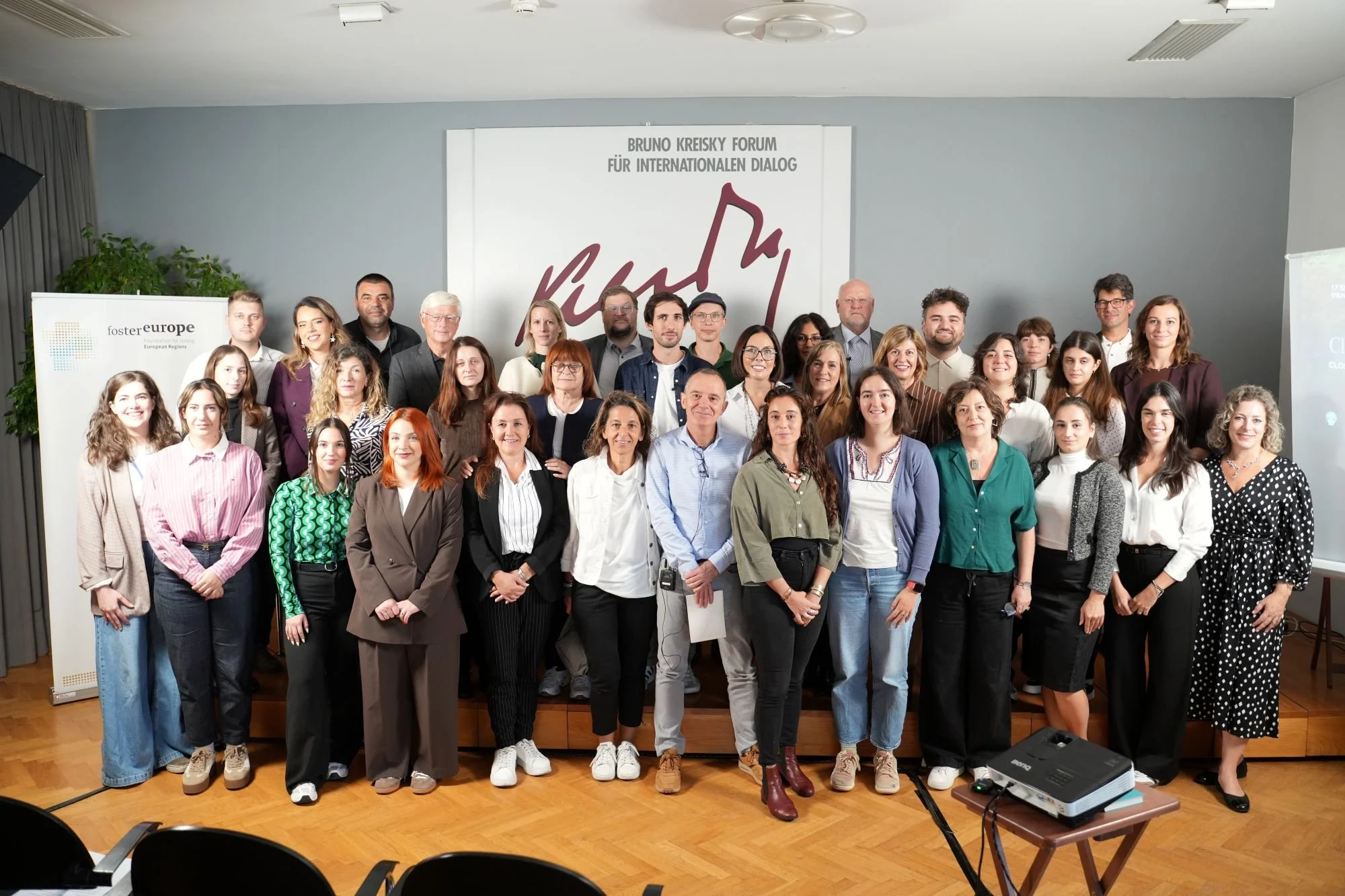
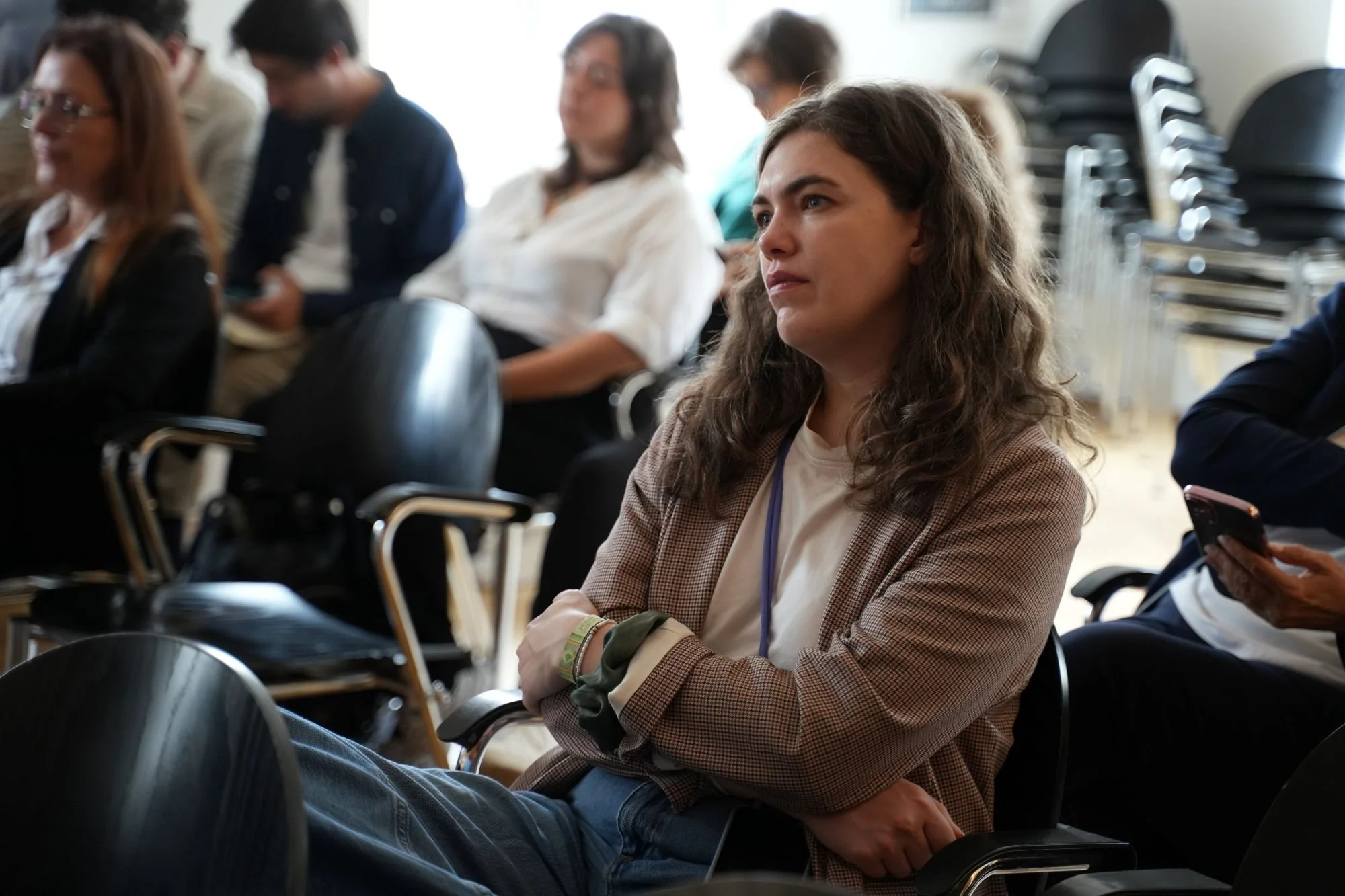
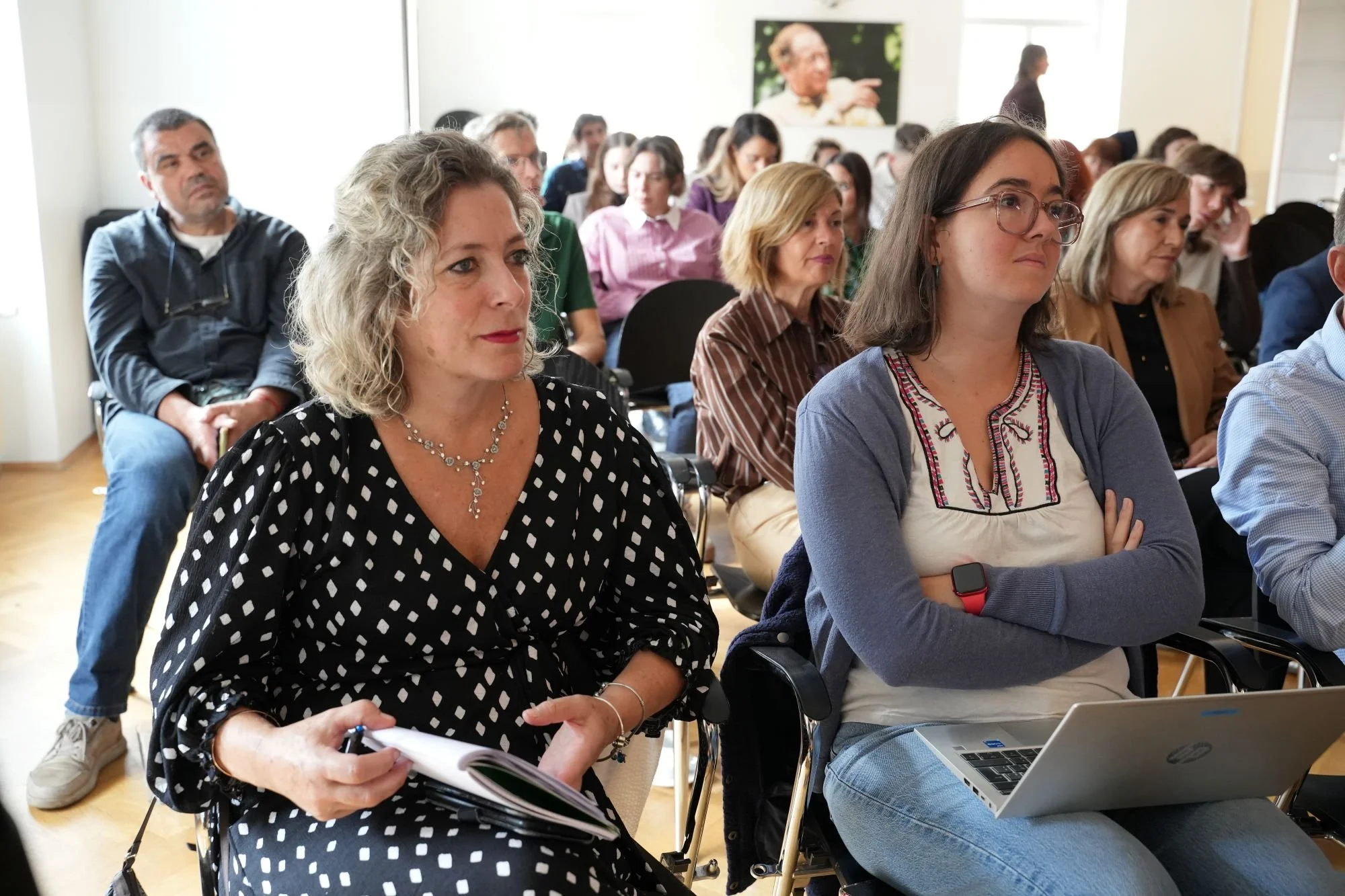
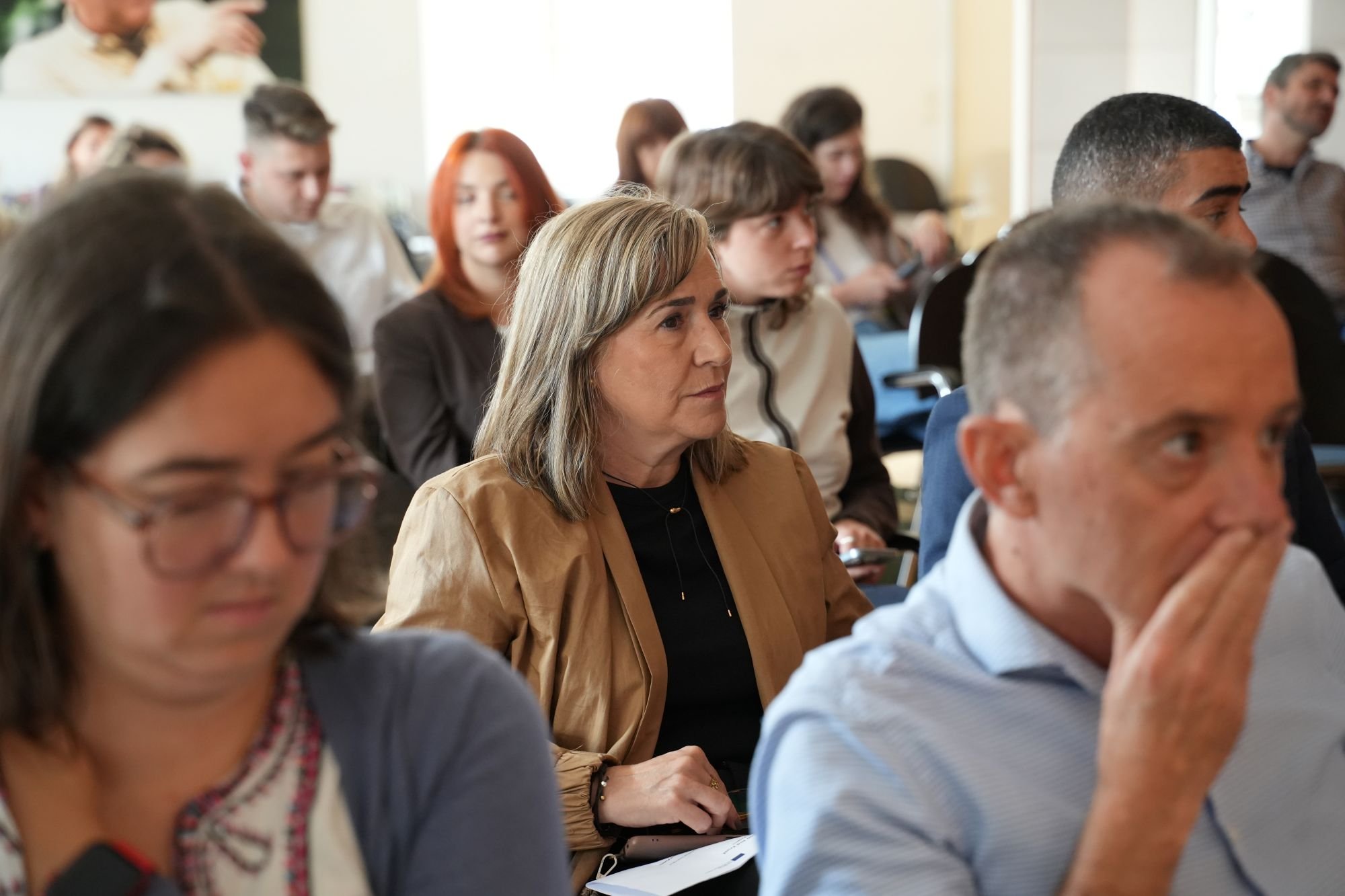
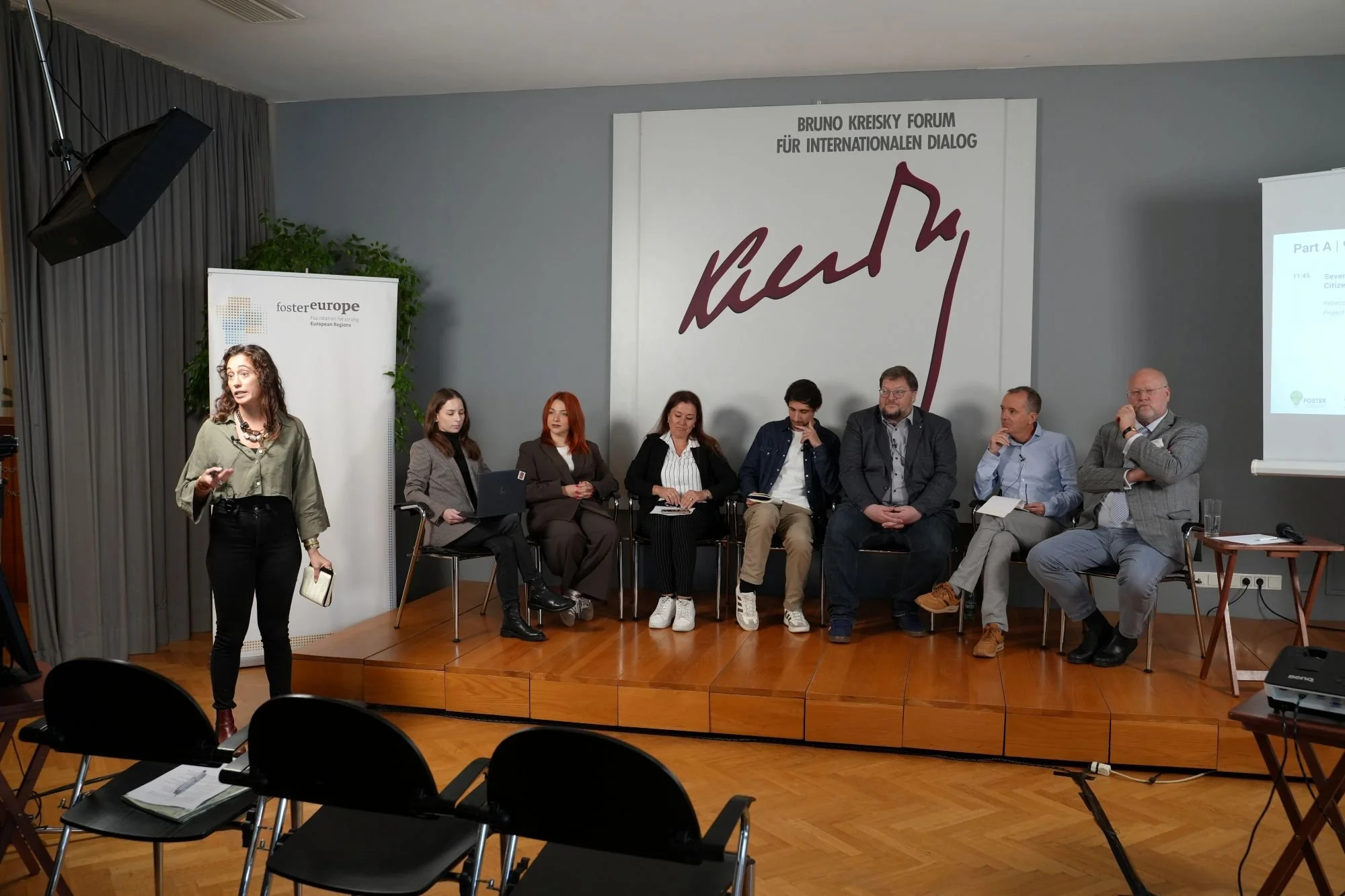
On 17 September 2026, more than 50 people from ten countries gathered in Kreisky's former home, now the Bruno Kreisky Forum for International Dialogue, for the closing conference of the FOSTER- Future oriented Solutions Toward Environmental Resilience project. As Sabine Kroissenbrunner of the Forum reminded everyone in her welcome, the house has long been a place for dialogue across different perspectives. It was a fitting setting for a day about climate change, participation and trust.
"Participation needs something to participate in"
The keynote came from Anja Haider-Wallner, Deputy Governor of Burgenland. She shared how her region is developing its Climate Strategy 2040, a process that runs alongside FOSTER rather than being part of it.
The strategy starts from a clear legal framework. Burgenland's Climate Protection Act, adopted in November 2025, sets the goal of climate neutrality by 2040. It also comes with binding sector targets, regular monitoring and climate checks for legislation and major construction projects. "Participation needs something to participate in," she said. "If we ask people to change, we also need to provide a reliable framework for change."
What followed was participation built in stages. First came an expert advisory board led by climate scientist Helga Kromp-Kolb. Then a full-day stakeholder dialogue at Burg Schlaining, where more than 100 people worked in world café format. Crucially, the tables were moderated by the civil servants who would later turn the ideas into measures. Next, more than 500 students will review the draft, and from early 2027 it will be open to comments from everyone in Burgenland.
"Communication means telling people what we are doing," she said. "Participation means asking people what they think we should do and being prepared to listen to the answer." She did not pretend it had been easy. There had been disagreements and conflicting interests along the way, but for her that was part of the process rather than a sign of its failure. Her advice to the room was simple: do not try to do it alone.
Stefan A. Lütgenau of Foster Europe followed with a more sobering view. Participation is in fashion, he noted, and there are powerful examples of its impact, from Ireland's citizens' assembly to Iceland's constitutional process. FOSTER's own experience was mixed. Mobilising citizens, experts and civil society worked well. Bringing decision-makers on board was far harder, and the question they asked was often the same: Where do you derive the legitimacy to launch such a project? Who are you to dare to do this?
For him, this shows two ideas of the state colliding: a hierarchical one, and one that sees institutions as service providers to their citizens. The bridge between the two is trust, which he described as "a credit we give to each other", flowing both ways. What the project taught him is that both sides need capacity building: learning how to communicate, reach out and understand each other's language.
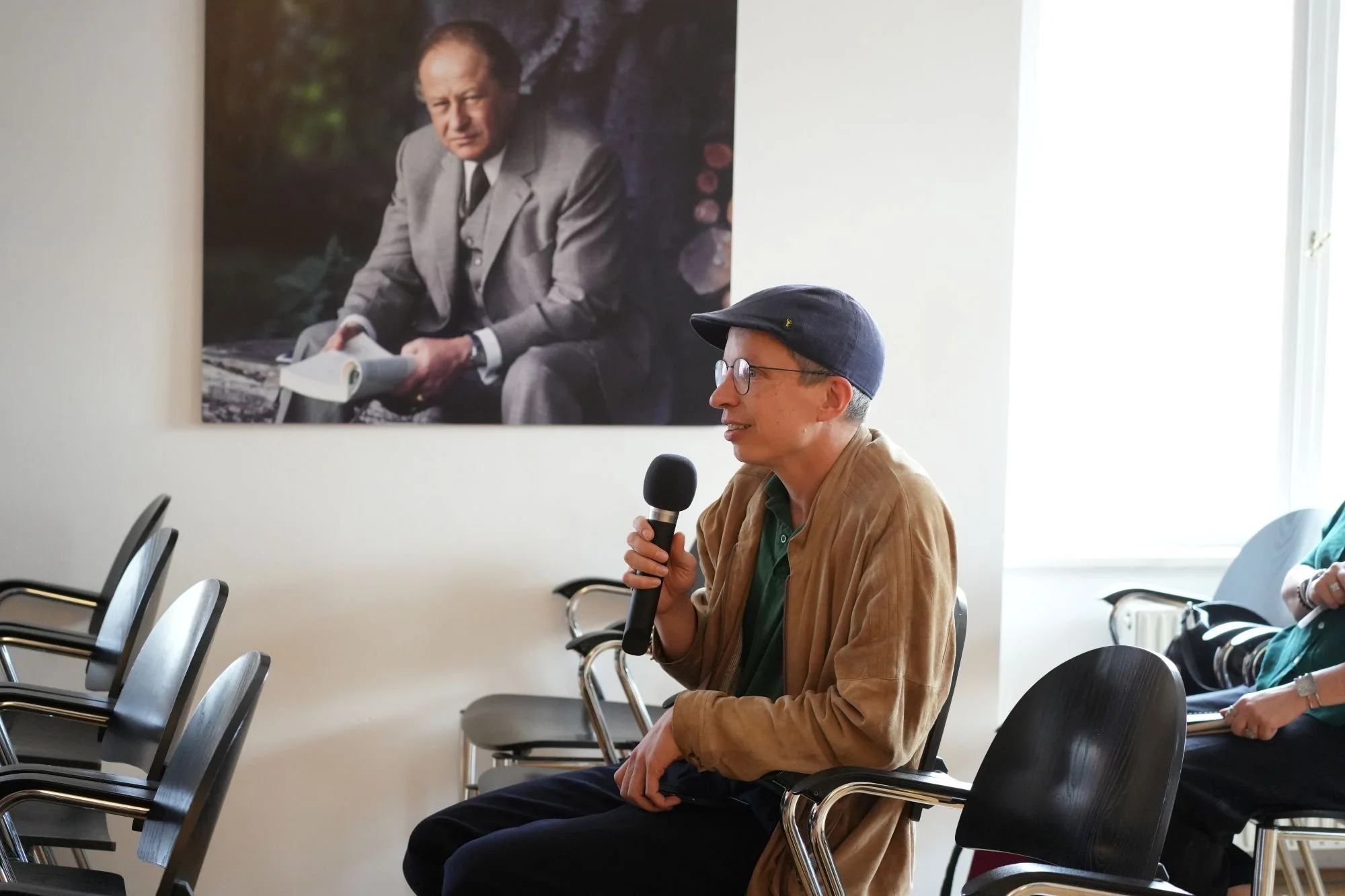
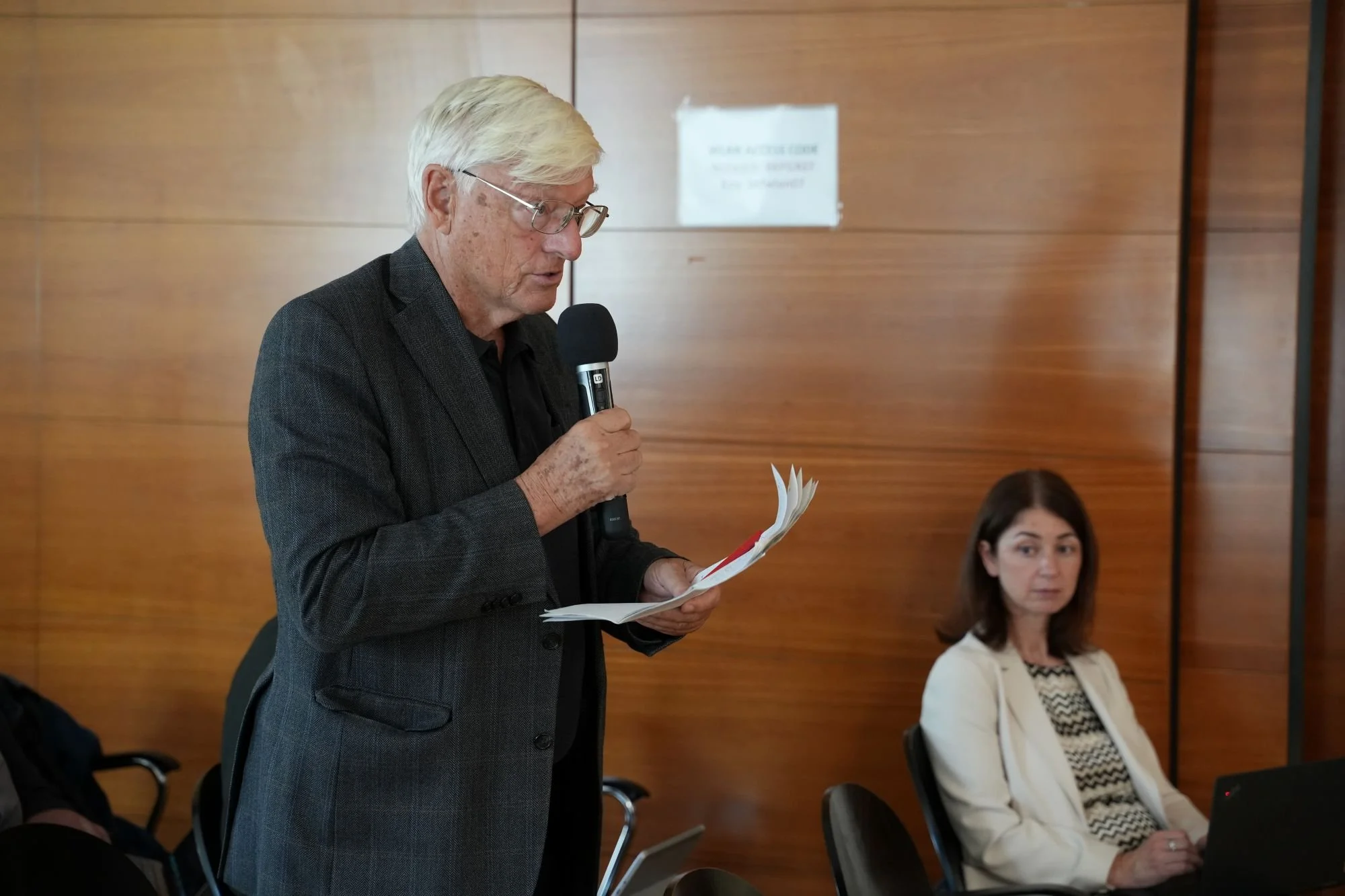
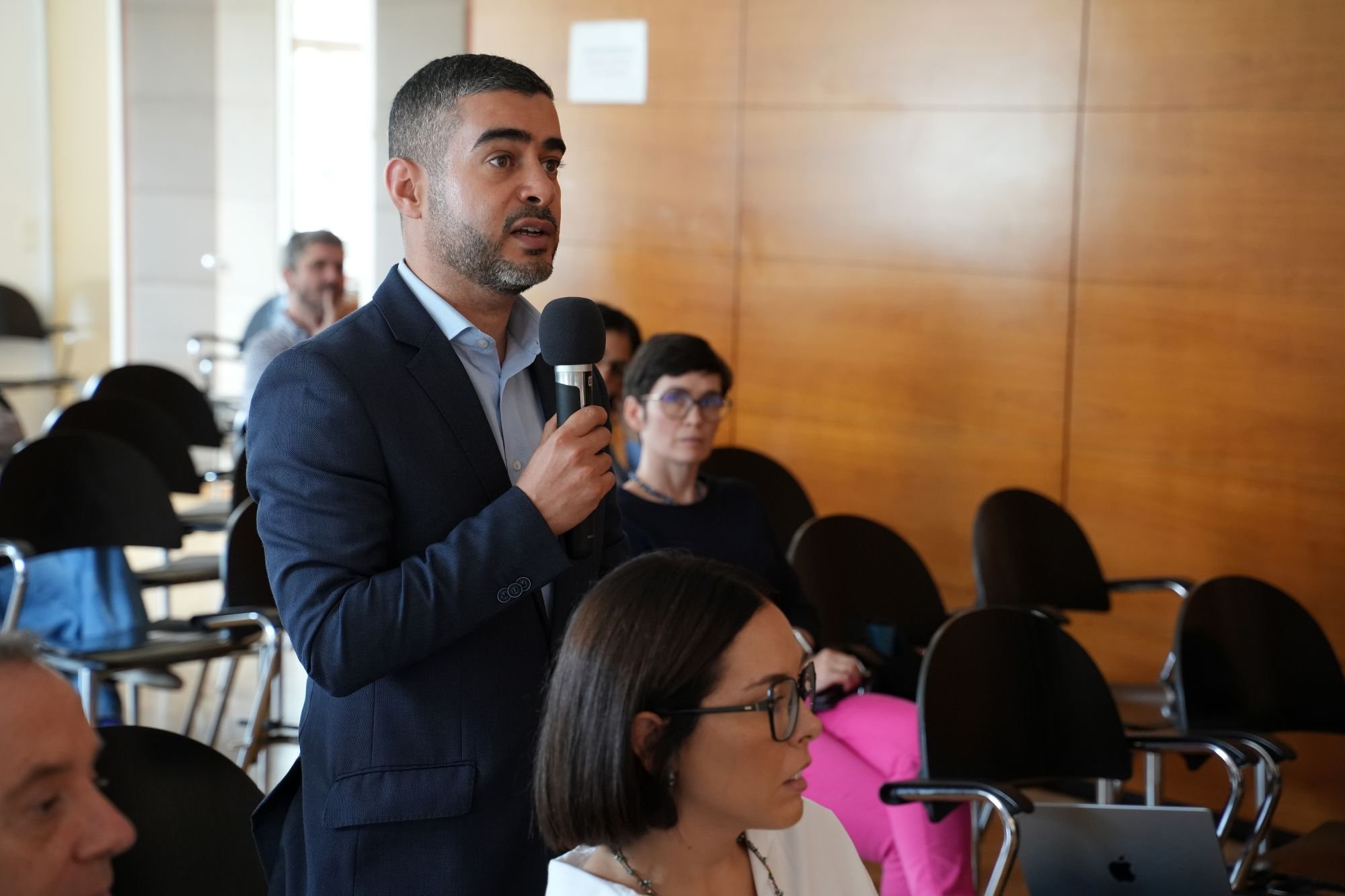
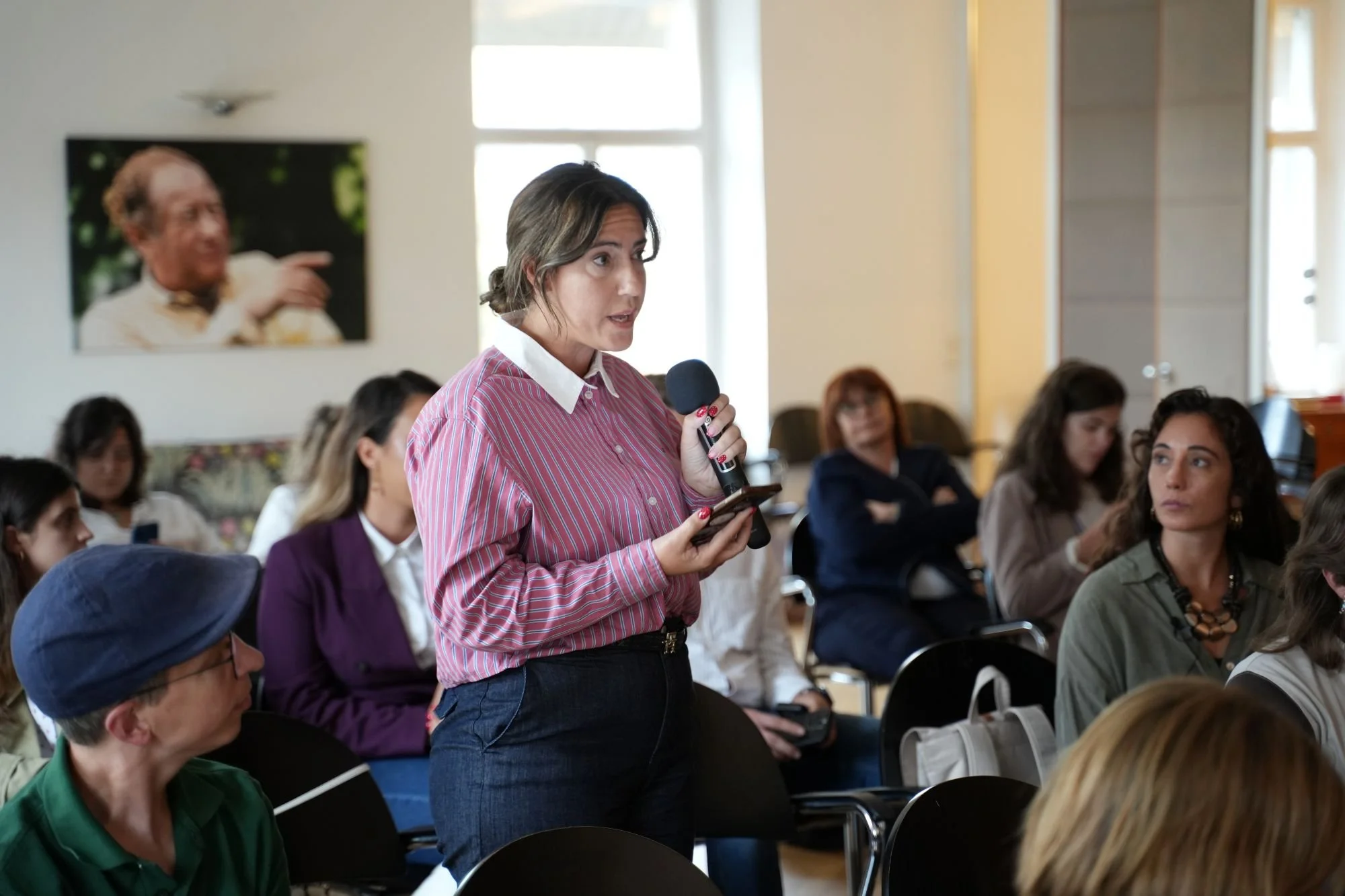
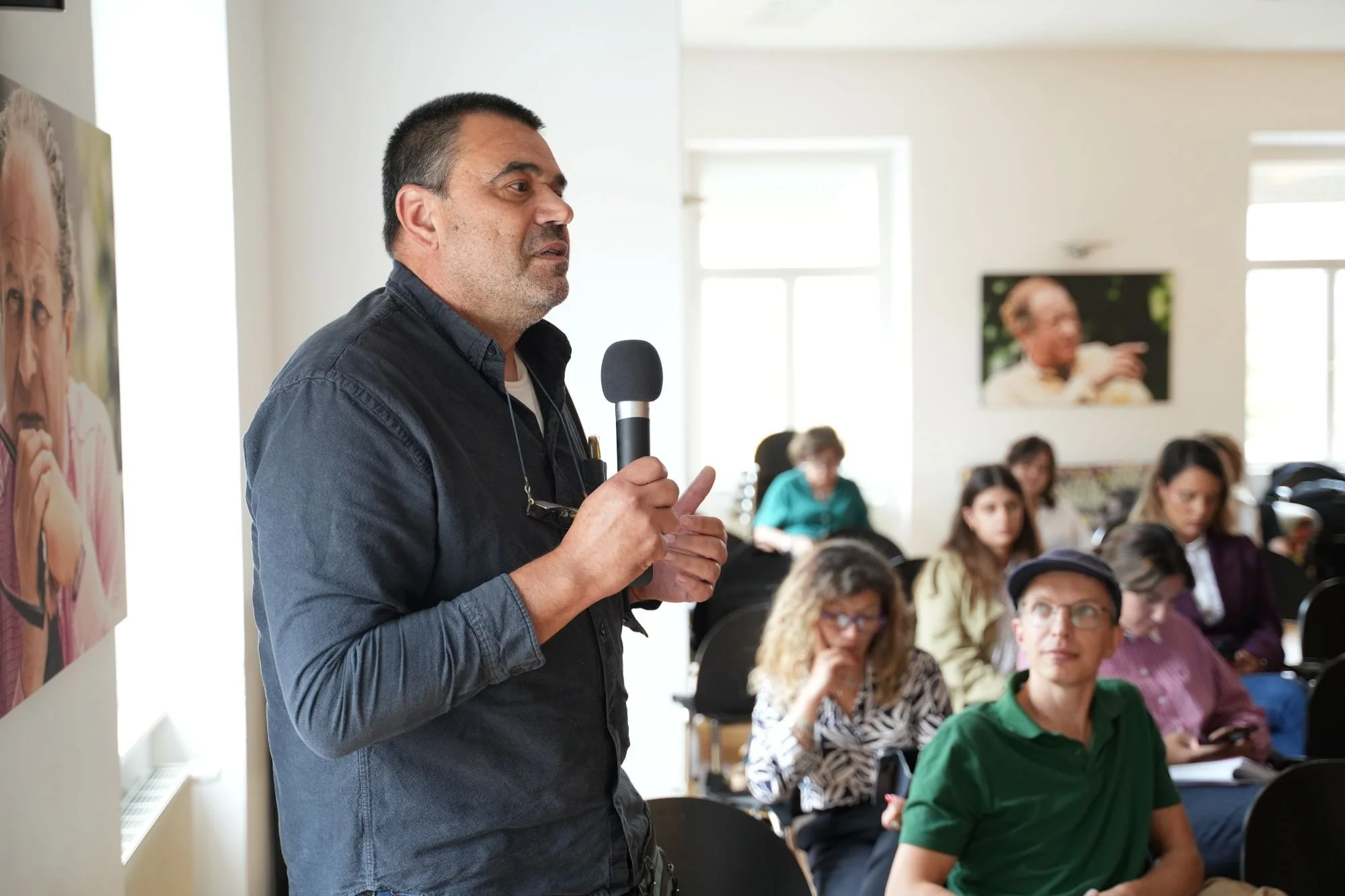
The questions from the audience went straight to the hard parts: how climate change connects Europe to the rest of the world, whether trust means trusting each other or trusting the process, and how participation can reach people whose voices are quieter than the loudest in the room.
Seven places, seven ways in
At the heart of the morning were the seven local pathways, presented by partners and moderated by project coordinator Rebecca Marconi (ALDA). Each place found its own way into the conversation, and each ran into the same tension. Marc Caballero of NOTUS summed it up: ask people to imagine their community in 2035, and they will reply, "That's nice, but what are we going to do next summer?"
In Bologna, residents met at Salus Space, a community hub born from urban regeneration. They built four scenarios for the city's future around land consumption and soil sealing, one of the most pressing concerns after two floods in two years. Chiara from Salus Space was struck by one thing: "People kept coming."
In Berlin-Mitte, the Comparative Research Network took the conversation straight onto a neglected square. The idea, as Martin put it, was that "we should not just imagine the future, but we should already taste it." Around 200 postcards went out and more than 75 came back with ideas. A whole primary school joined in, and within eight weeks residents and the district administration had built wooden benches as a prototype. Heritage protection rules eventually stopped the benches from staying on the square. Still, the WhatsApp group that now connects local seniors with the head of climate management is very much alive.
In Varna, high school students imagined what their neighbourhoods could look like. The discussion soon turned to a very concrete question: why can't people with reduced mobility easily reach the Sea Garden? Convincing the city council is still a work in progress. In the meantime, one district mayor has invited the new community committee to help plant 300 trees.
In Nea Filadelfeia–Nea Chalkidona, near Athens, IASIS NGO and the municipality sat down together to test ideas against reality. They built on the initiative of 1,300 students who had collected signatures for safer bike lanes, and they trained municipal field staff, the people who meet the consequences of extreme weather first.
Around Lake Neusiedl, Foster Europe brought together people who all depend on the same water but rarely talk to each other: farmers, winemakers, tourism, water suppliers, national parks, municipalities, scientists and landowners on both sides of the Austrian–Hungarian border. Many said it was the first time they had seen each other as partners rather than opponents.
In Romania, the Association of Municipalities of Romania worked with representatives of municipalities from across the country. Over five sessions, they explored how foresight tools could become part of everyday local governance.
And in Alto Palancia, NOTUS teamed up with the Mancomunidad, the local association of 27 small municipalities, and a "motor group" of local organisations. Together they wrote a regional climate adaptation plan, which is already the basis of a funding application to the Spanish ministry.
So did it work?
The conversation that followed was refreshingly honest. Partners spoke openly about participation fatigue, about how hard it is to bring decision-makers on board, and about the gap between a great workshop and a real policy change.
Johannes Tolk of Resilient Cities asked the question that stayed with the room. The benches in Berlin never got their permit, so by the book the project failed. Yet the district has since hired his team twice to make participation possible on other squares. "When do you put the final line that you say, 'Now we judge it?'"
For Jessica from the Mancomunidad del Alto Palancia, the answer was clear: "Foster does not end today. It leaves us with knowledge, with tools, with networks, and above all, the capacity to keep moving forward."
Between the monsters
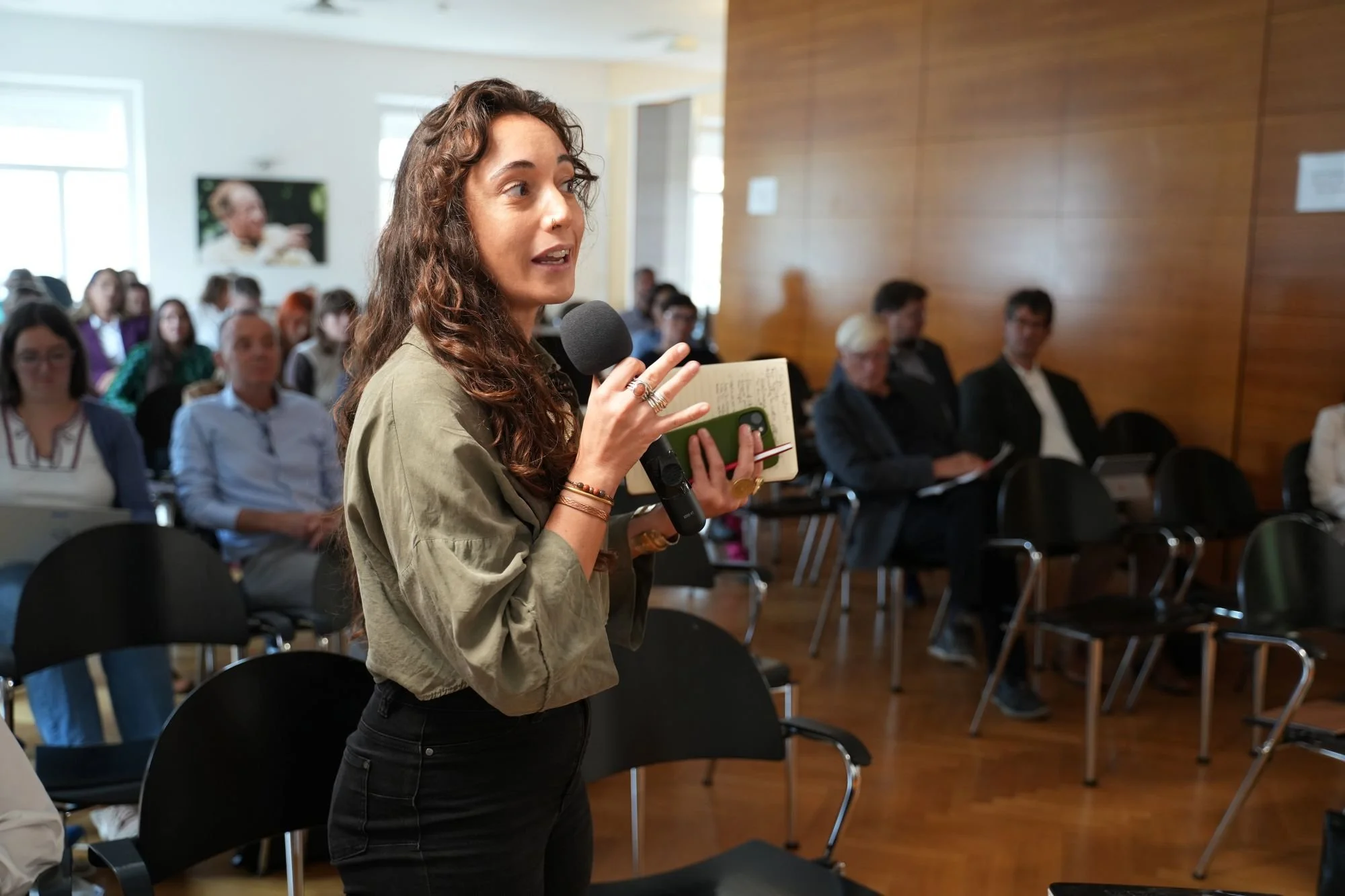
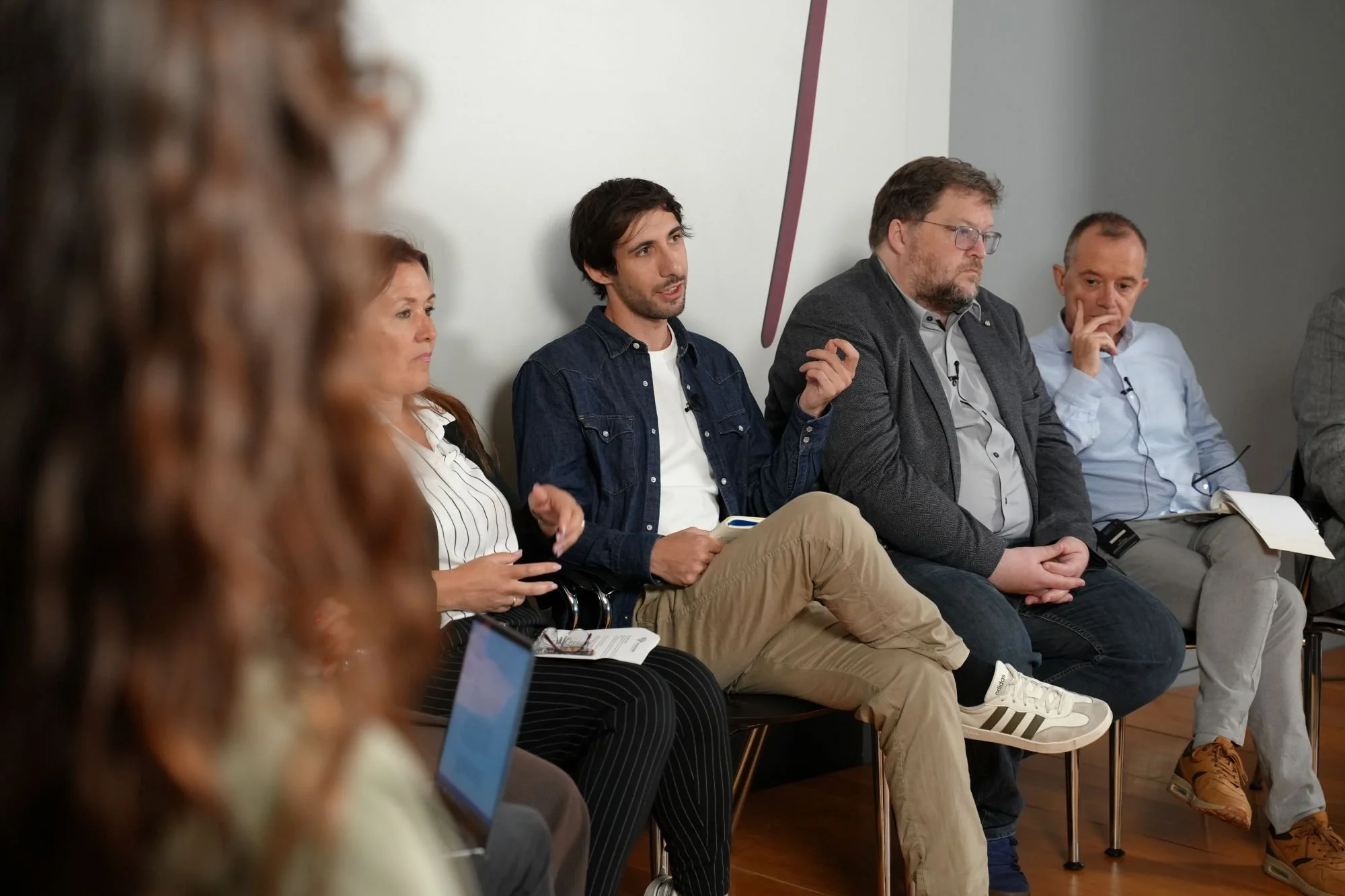
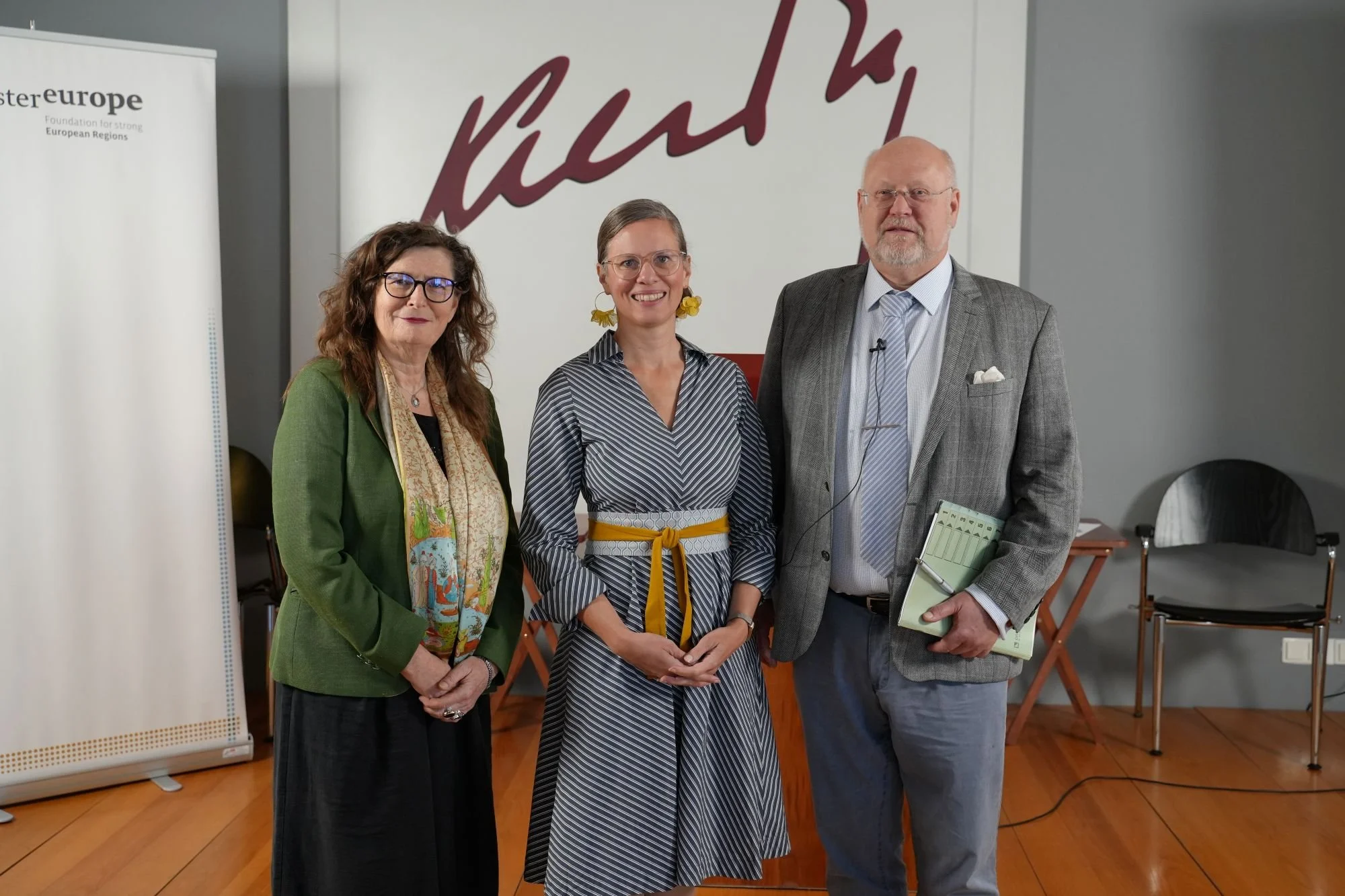
In the afternoon the conversation widened. The panel, moderated by Stefan A. Lütgenau, took its title from the Odyssey: How to Navigate Between Scylla and Charybdis. On one side lies the risk that decision-makers greet a process and then leave the room. On the other lies the risk that citizens stop believing their voice will change anything.
Angelika Derfler of Südwind brought it back to the ground. Her examples ranged from village fire brigades making their festivals sustainable to a group of young people entering the European Parliament. As they walked in, one girl said, "Wow, I feel like I'm important," and her friend replied, "You are important."
Daniel Hausknost of WU Vienna took the long view. Our democracies and welfare states grew up with coal and oil. That, he argued, is why promises to protect the fossil way of life resonate so strongly, and why we urgently need new pictures of what a good life could look like.
Rebecca Marconi of ALDA called for participation to come with a plan for reaching decision-makers. Results need advocacy, and they need to arrive at the right moment.
Helfried Carl offered a new reading of the myth. Odysseus did not simply sail between the two monsters: he chose one of them, knowing what it would cost. That, he said, is what real leadership looks like, and participation helps leaders understand what their choices mean for people.
A question from the audience moved the conversation to climate justice and the responsibility of the Global North. There were no easy answers, but it was a conversation worth having. The panel ended on a thought that fits the whole day: As Stefan A. Lütgenau put it, the change will happen anyway. "The question is, are we willing to try to steer it?"
What stays
FOSTER project is coming to an end, but the networks, plans and conversations it started go on. The methods behind the local pathways are collected in the FOSTER toolkit: https://www.alda-europe.eu/foster-project/
Thank you to all partners, stakeholders, speakers and participants, and to the Bruno Kreisky Forum for hosting us.
FOSTER partners:
ALDA (coordinator)
CEMR
IRS
Union of Bulgarian Black Sea Local Authorities
NOTUS
Foster Europe
IASIS NGO
Association of Municipalities of Romania, Comparative Research Network.
Funded by the European Union under the CERV programme. Views and opinions expressed are however those of the author(s) only and do not necessarily reflect those of the European Union or the European Education and Culture Executive Agency (EACEA). Neither the European Union nor the granting authority can be held responsible for them.
This article was prepared with the assistance of AI and reviewed by the Foster Europe team.