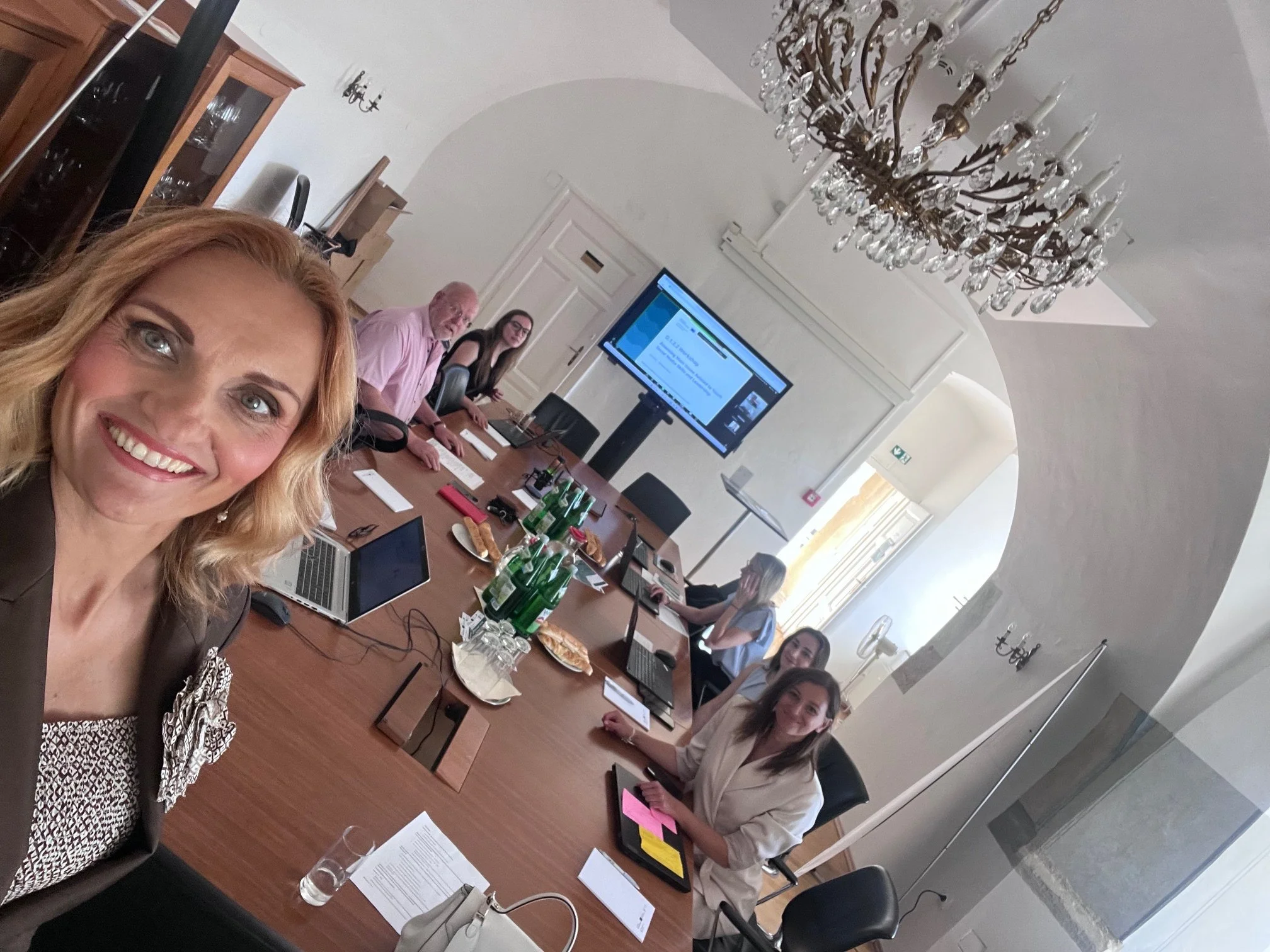
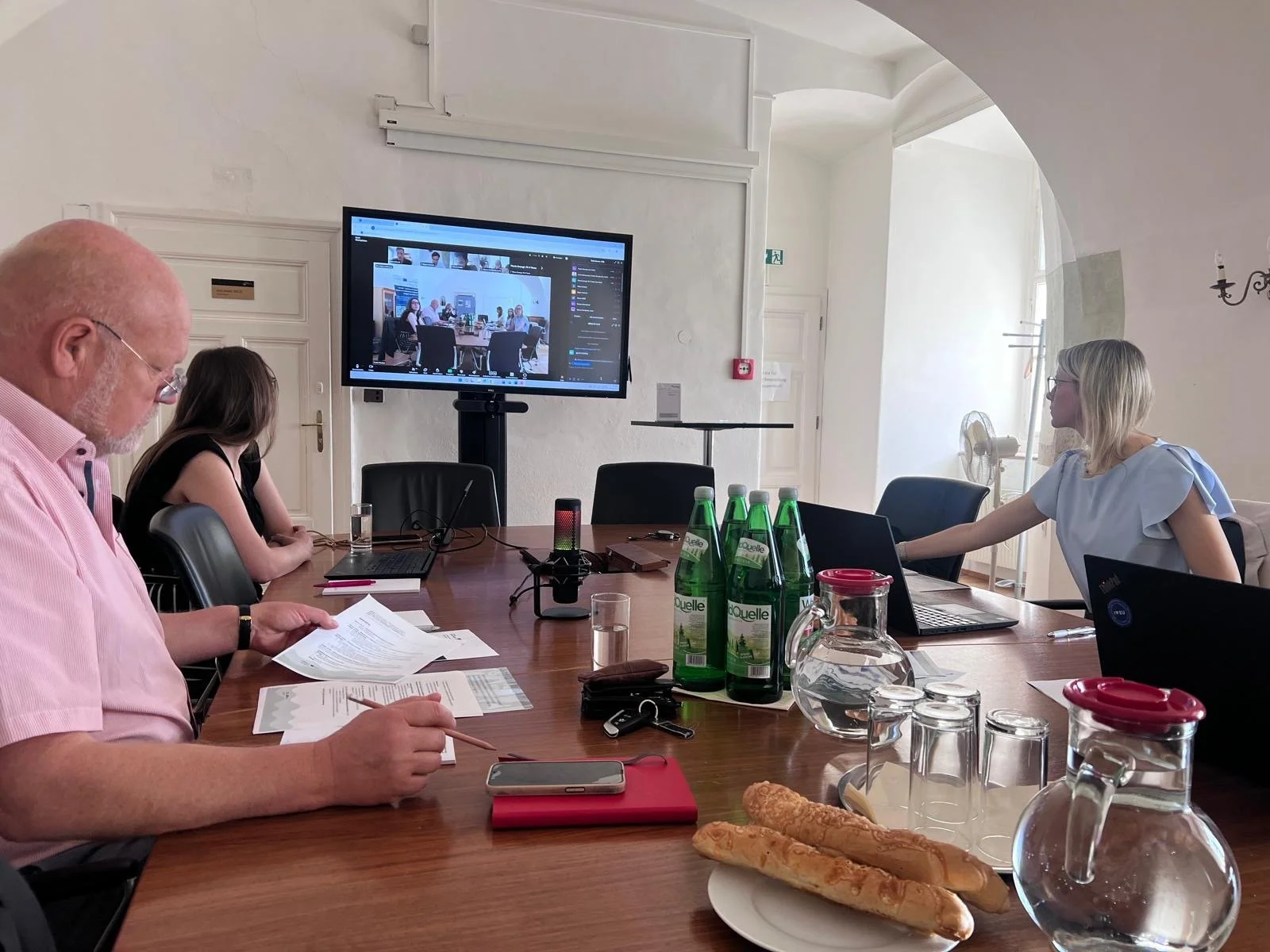
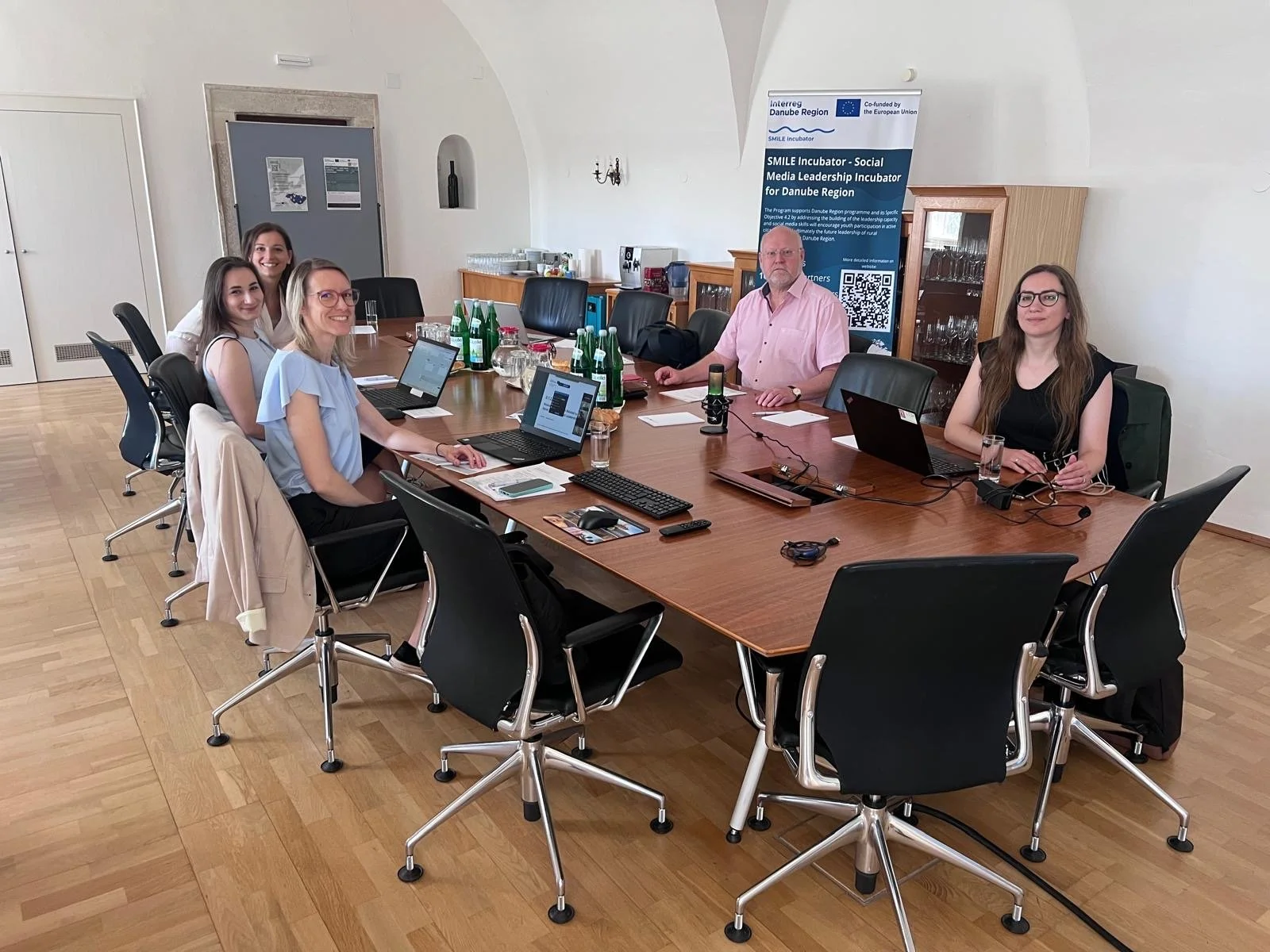
The “Assessing Main Issues Related to Youth Social Media Skills and Leadership” workshop, is organised by the Foster Europe Foundation, as part of theSMILE Incubator – Social Media Leadership Incubator for the Danube Region project which focuses on strengthening youth participation and leadership through social media and digital competences, particularly in rural and peripheral areas of the Danube Region.
The workshop aims to gather insights from experts and stakeholders to identify key challenges related to youth social media skills and leadership competences and to contribute to the development of policy recommendations and strategic guidelines within the project.
This is a closed workshop, primarily for project partners and invited stakeholders. However, if you are interested in the topic or would like to learn more about the outcomes, please do not hesitate to contact us.
Further information about the SMILE project can be found on the project’s official channels and social media platforms.
AGENDA:
09:30–09:45 | Arrival & technical check-in (hybrid)
On-site registration
Online participants join, audio/video check
09:45–10:05 | Welcome & Objective to establish a shared understanding of purpose and scope of the workshop
Welcome and introduction - FOSTER
Brief overview of the Activity A.1.2 - RIT
Purpose of the workshop - SEZ
assessing key challenges related to youth social media skills and leadership competences
collecting stakeholder input for policy guidelines and recommendations
10:05–10:45 | Context setting – short inputs to create a common knowledge base for discussion
Key findings from the audit and mapping Activity (A.1.1) - EUBA
Main trends and gaps in:
youth leadership development
social media skills for participation
rural and peripheral youth contexts
Key findings from the data base collection (D.1.2.1) - RIT
Recent Labour Market Policies for Young People and the General Approach - EUSDR PA9
10:45–11:10 | Interactive workshop session– assessing the outcomes so far to identify and structure the main policy-relevant issues.
Guiding questions (2/ group):
Group 1 - SEZ
What are the most pressing challenges in strengthening youth social media skills and leadership competences?
Where do current policies fall short of practical needs?
Group 2 - PA 9
What specific barriers affect rural youth to get active online?
Which competences are most urgently needed for meaningful participation?
11:10–11:30 | Policy Lab: From Identified Challenges to Policy Measures to translate key challenges into concrete policy-relevant elements
Guiding questions (2/ group):
Group 1 - SEZ
What type of policy action could address this challenge?
At which level (local / regional / national / EU) should these actions primarily be addressed in order to respond effectively to practical needs?
Group 2 - PA 9
Which actors should be involved to ensure that support measures for youth online participation are effective and inclusive?
When designing policies or support programmes for rural and peripheral youth, what approaches or mistakes should be avoided? (common pitfalls)
11:30–12:15 | Plenary feedback & prioritisation
Short reports from each group (on-site and online)
Joint prioritisation via Miro of main issues (e.g. voting, clustering)
Moderation – RIT
12:15–12:30 | Next steps to link workshop results to project deliverables - FOSTER
How workshop outputs feed into:
o Deliverable 1.2.3 – Policy Suggestions
o Deliverable 1.2.4 – Strategic guidelines for social media leadership
Role of partners & relevant stakeholders in the next phases (consultation, validation, dissemination)
12:30–13:30 | Light lunch & informal networking