Youth, Post-colonial memory and the portuguese democratic path
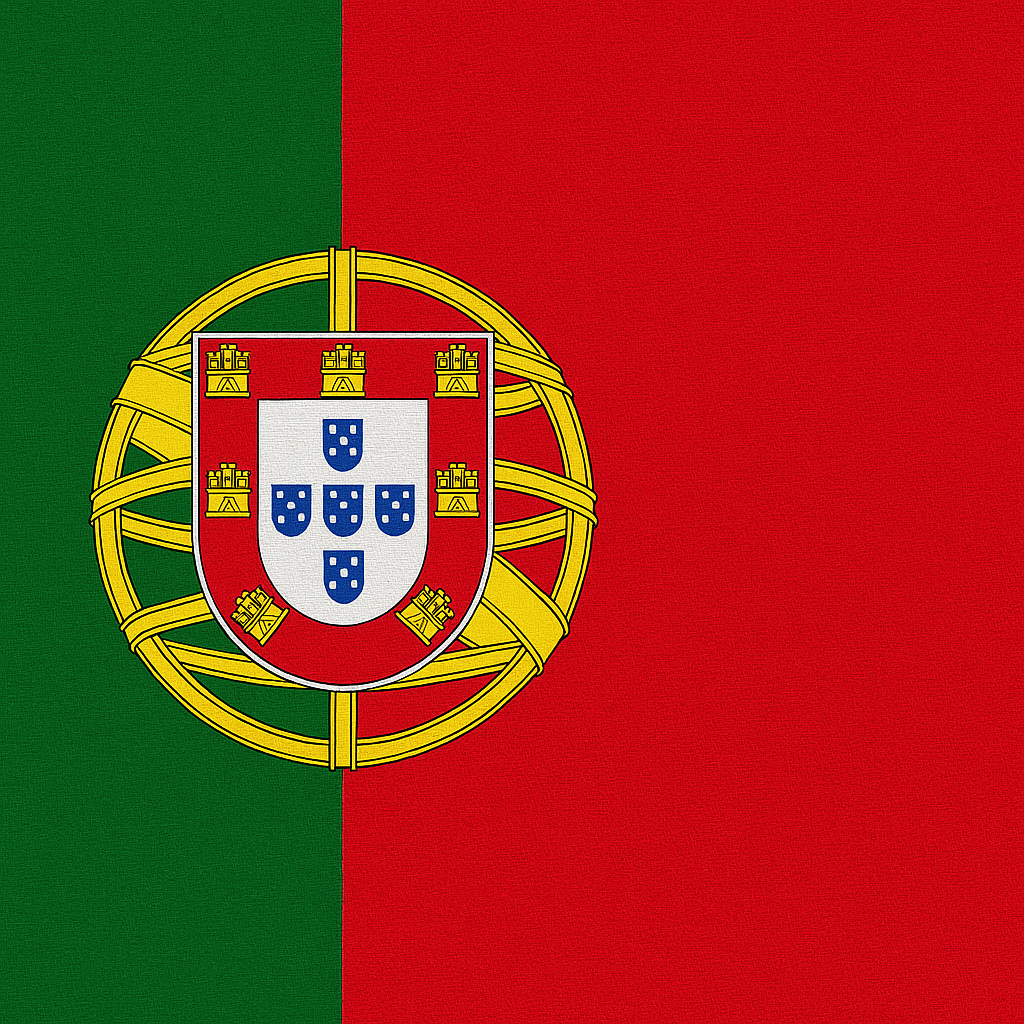
Portugal’s contribution draws on the country’s peaceful democratic transition and the end of its colonial empire. Through engaging with historical archives, testimonies and memory practices, participants explore both dominant and marginalised narratives of Portugal’s recent past—from resistance to dictatorship and struggles for rights to the complex legacies of colonialism and post-colonial migration.
By linking these historical experiences to contemporary challenges such as structural racism, social exclusion and the rise of far-right narratives, the Portuguese Local Path uses a participatory approach known as “unarchiving democracy”. Archives become living civic spaces for dialogue and reflection, encouraging participants to see democracy as a shared, ongoing responsibility rather than a closed chapter of history.