International Event and Exhibition in Rome
Guide book >> Italian PathA Living Encounter with Europe’s Democratic Heritage
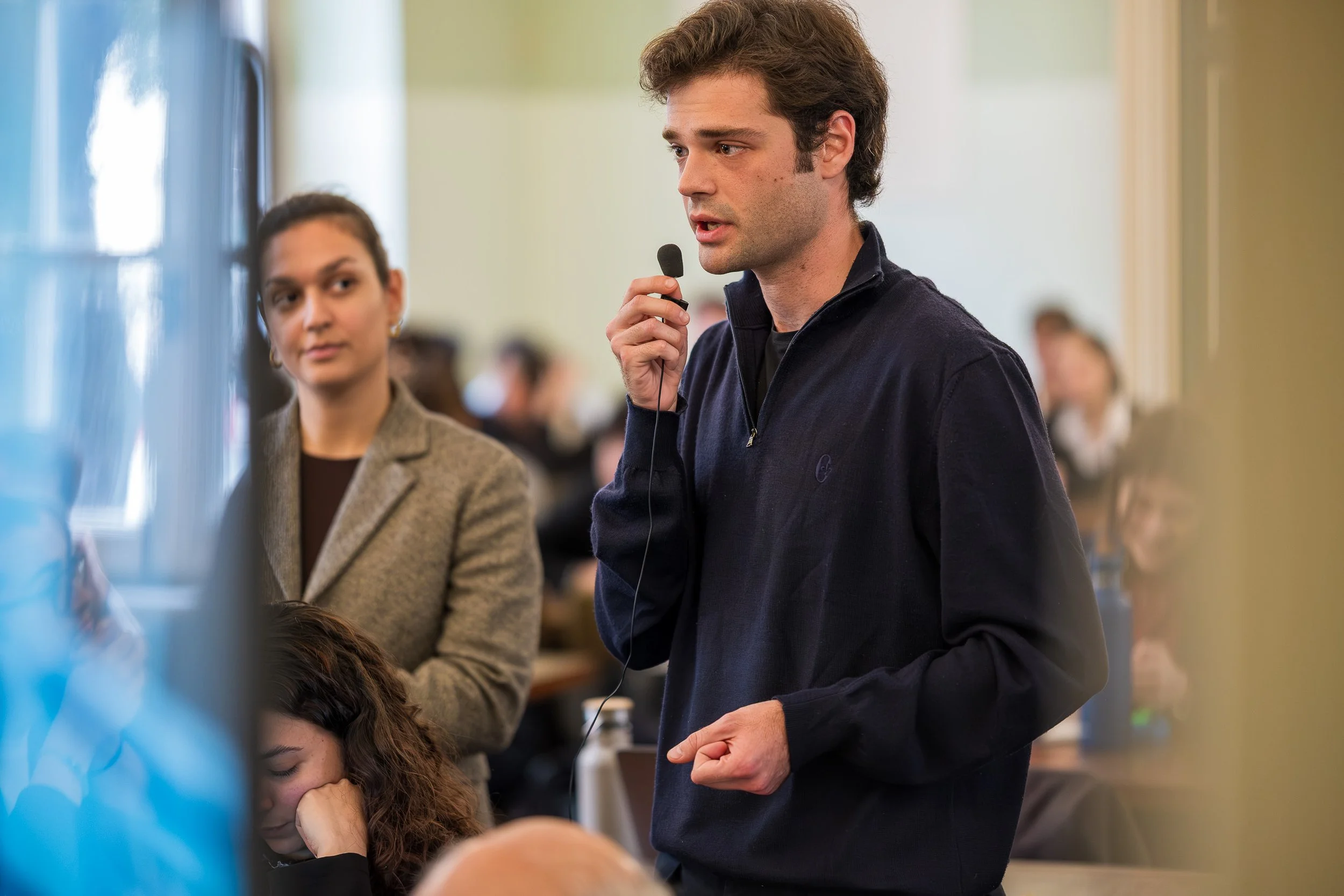
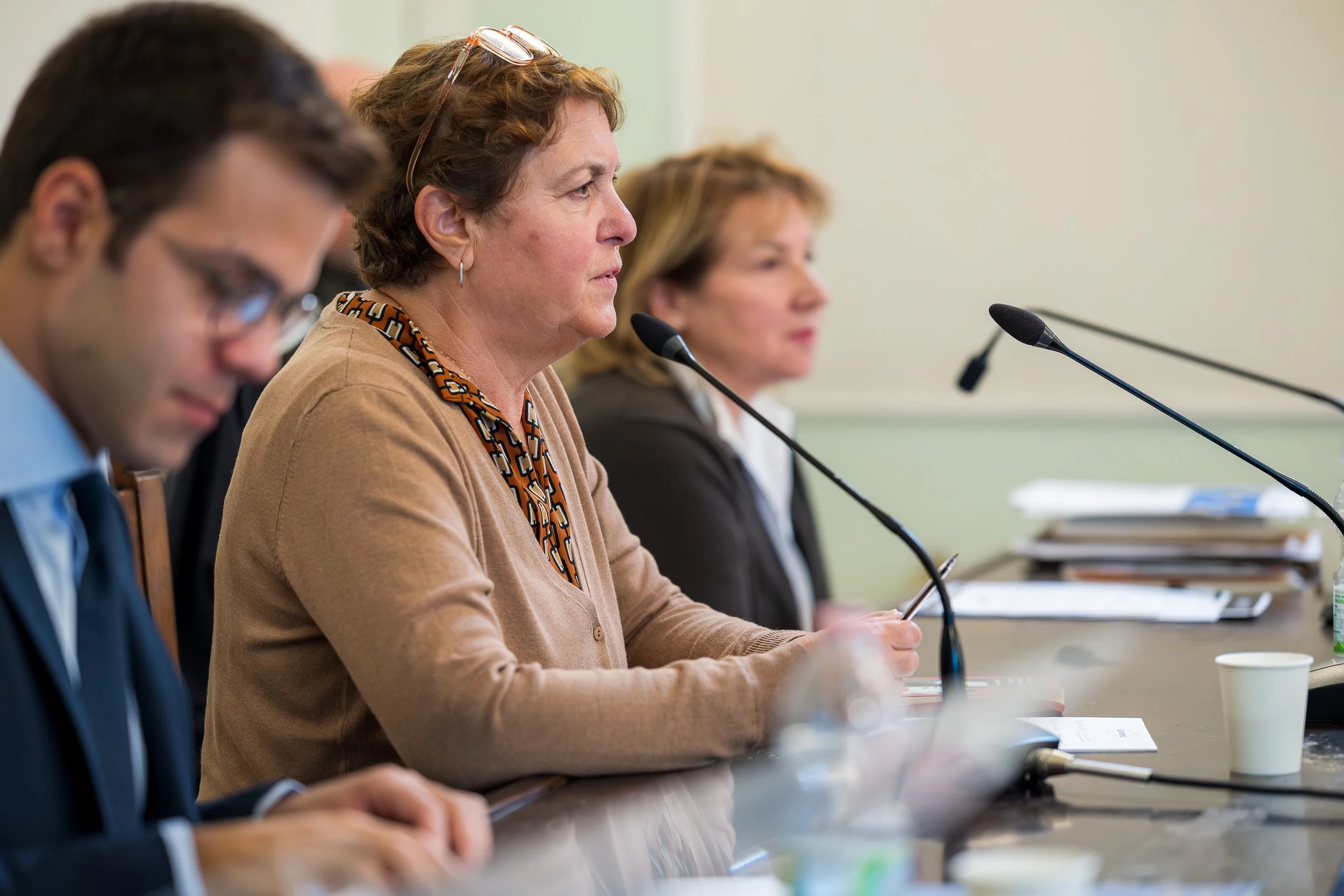
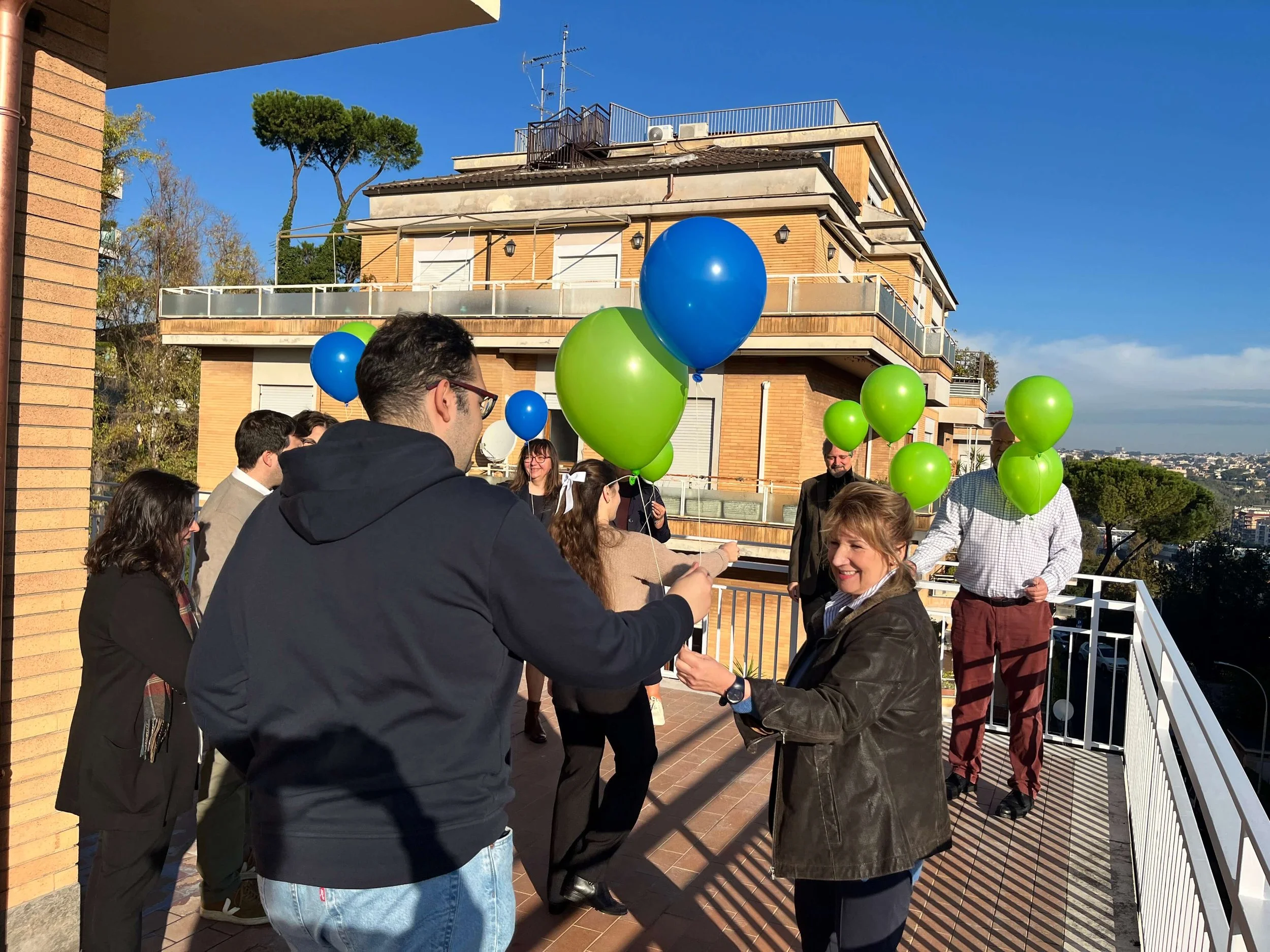
The Rome international event of the FREI project brought together more than a hundred participants from seven European countries for three days of reflection, dialogue and shared discovery. Set against the historical backdrop of Rome—a city whose very architecture preserves the complexity of Europe’s twentieth-century transformations—the gathering offered a rare opportunity to explore how resistance movements, democratic struggles and historical memory continue to shape the European project today.
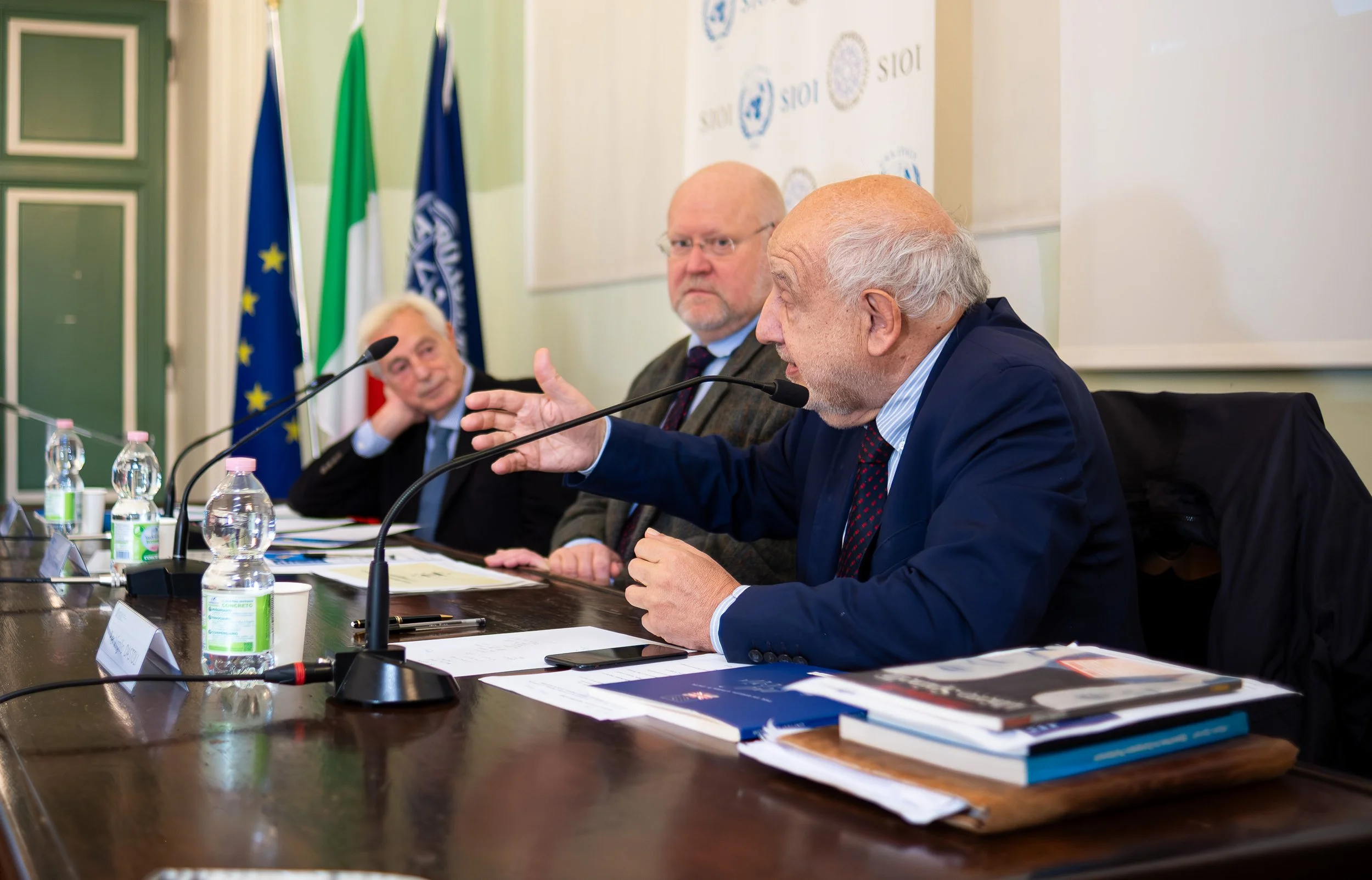
What made the experience particularly rich was the diversity of voices involved: former partisans, civil society actors, scholars, young Europeans, international partners and local institutions such as SIOI, ANPI and the Europa Experience David Sassoli. Their perspectives, stories and interpretations allowed participants to encounter Europe’s past not as a distant narrative, but as something living, contested and deeply relevant to the present.
Historical Reflections: Italy’s Journey from Resistance to Integration
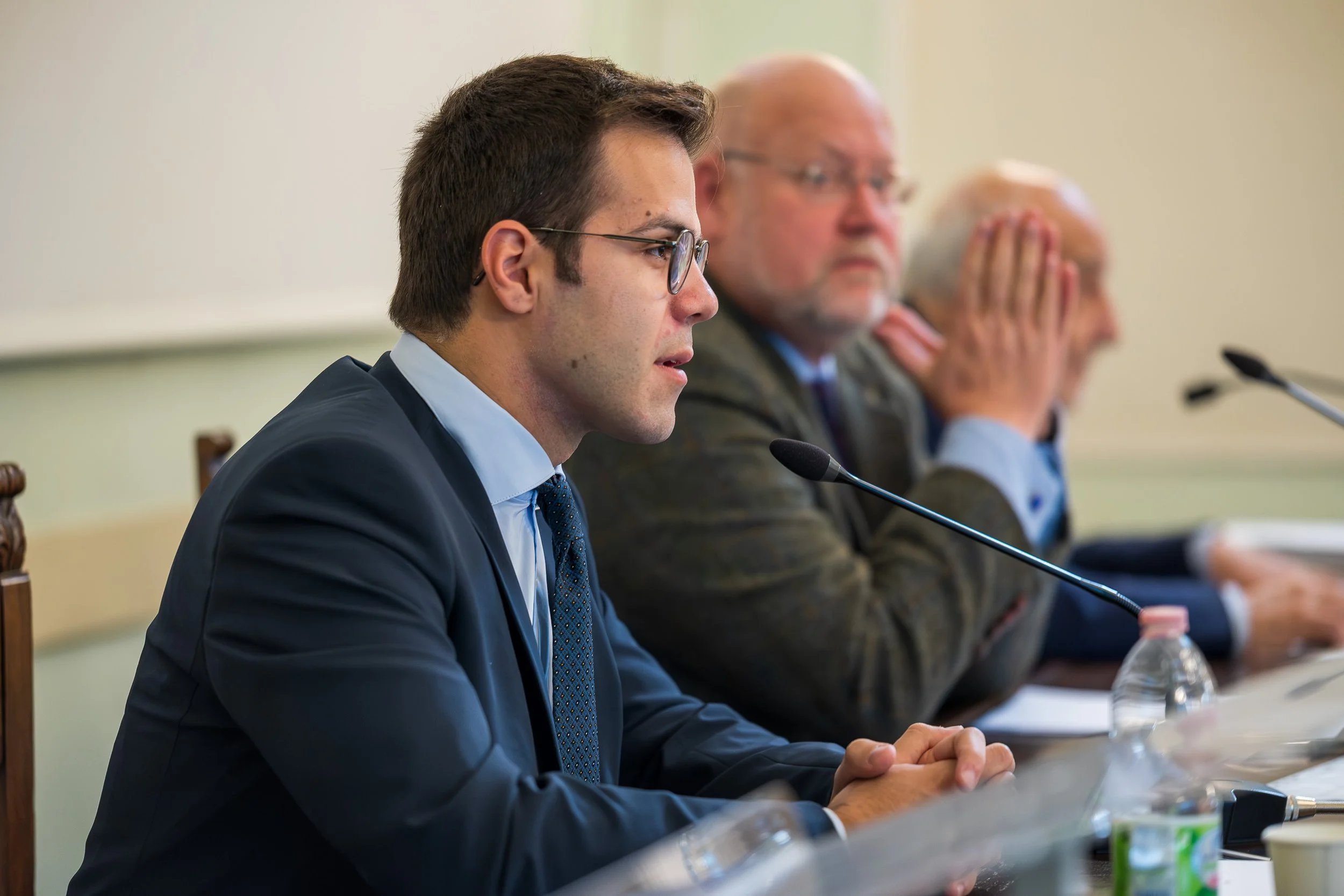
The historical sessions guided participants through Italy’s path from antifascist resistance to its role in European integration. Speakers illustrated how acts of resistance—armed, intellectual and civic—laid the foundations for the values that would come to define the European Communities: democracy, cooperation and the conviction that peace requires shared responsibility. The presence of university students and high-school groups added an intergenerational dimension, underscoring how essential it is to keep this history accessible for young Europeans.


Listening to Luciana: A Living Memory of the Resistance
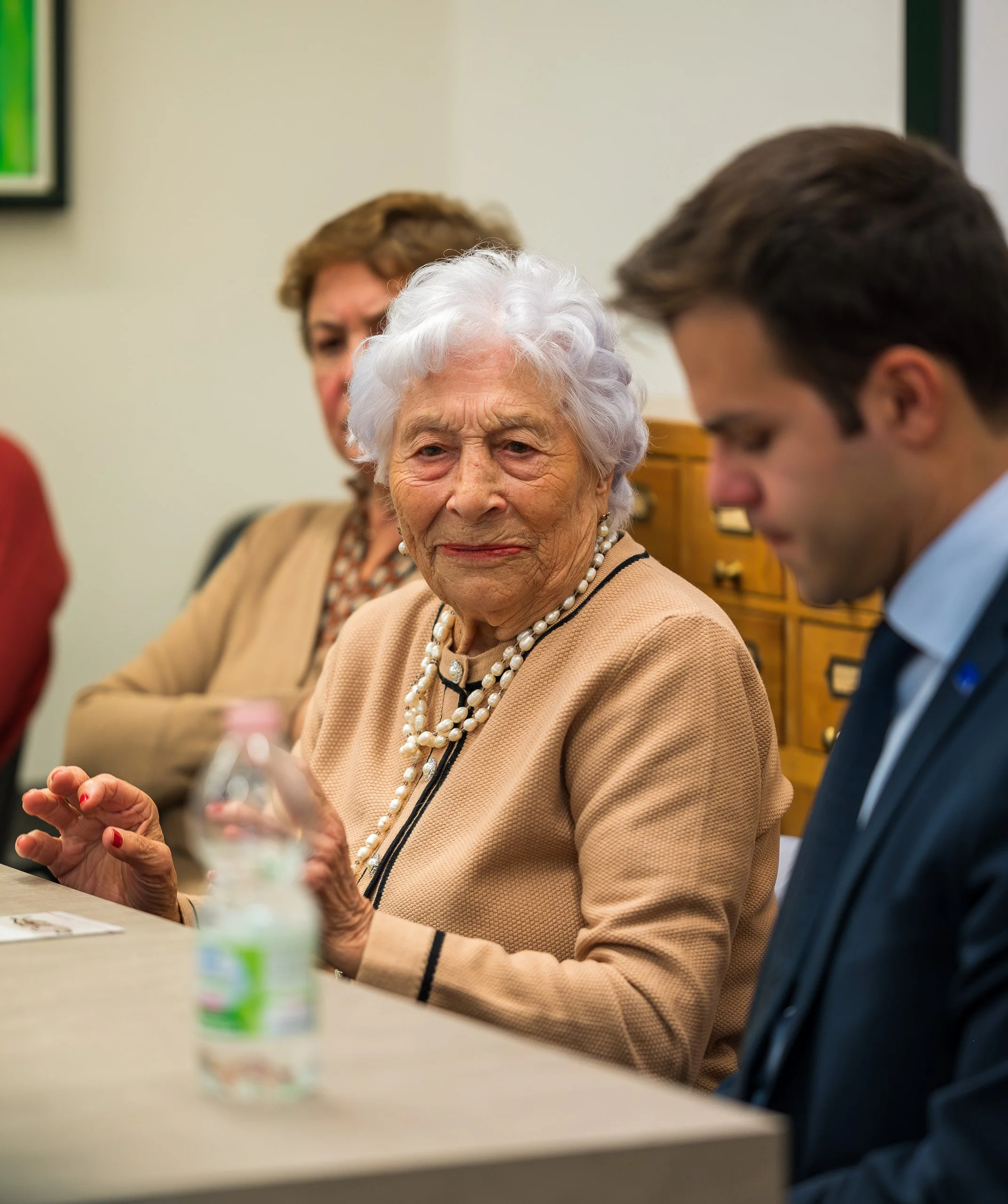
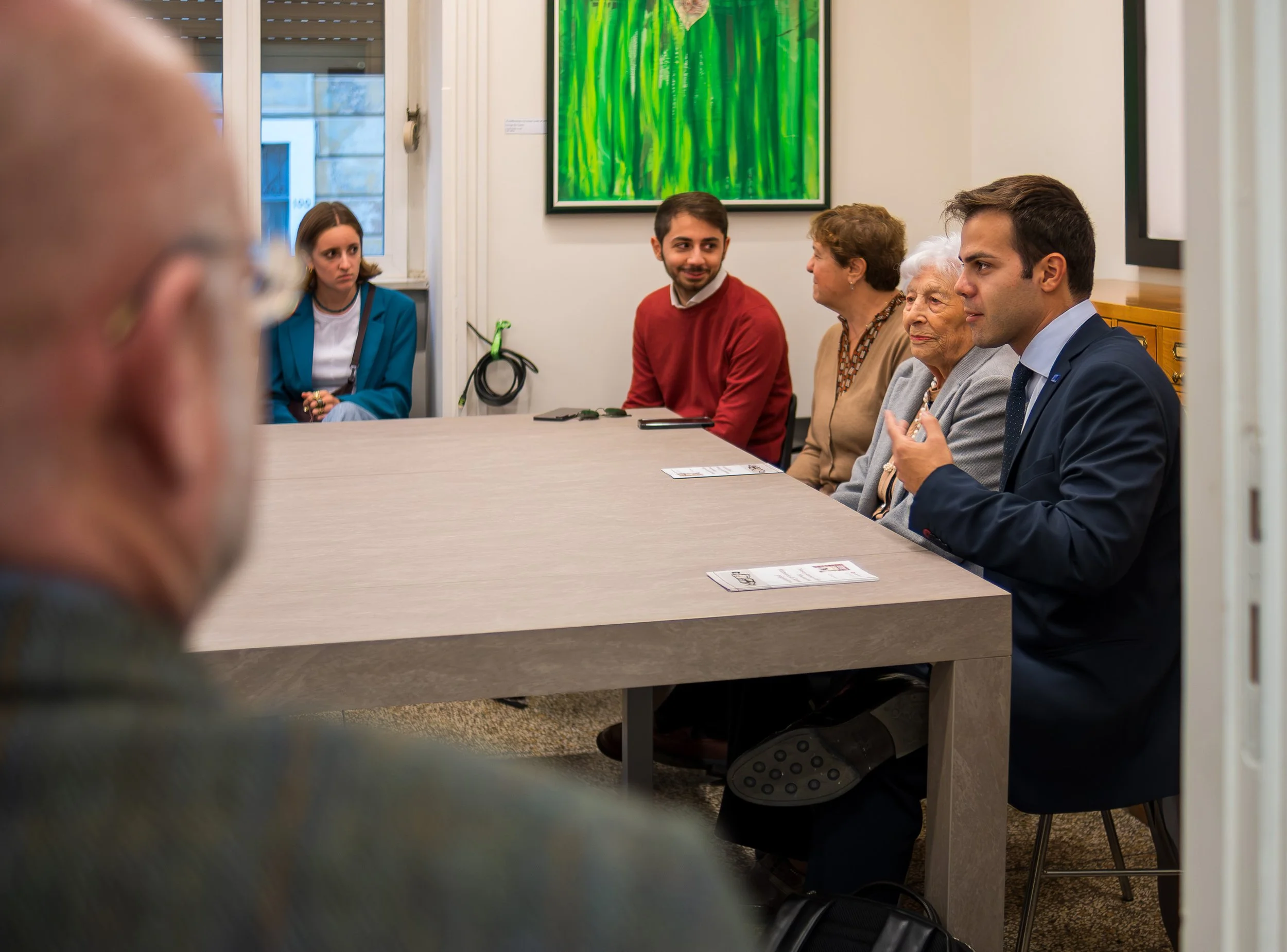
One of the most unforgettable moments unfolded during the guided visit to the Museo della Liberazione, housed in a former Nazi-fascist interrogation centre. There, participants met Luciana—known as “Luce”—a 95-year-old former partisan. Her testimony about carrying secret messages across the occupied city, often at tremendous personal risk, opened a deeply human window into the realities of resistance.
For many, this encounter bridged the gap between past and present more powerfully than any lecture could. It reminded the group that Europe’s democratic foundations rest not only on treaties but also on the courage of ordinary people who refused to surrender their dignity or freedoms.


From Past to Present: Understanding Propaganda and Disinformation
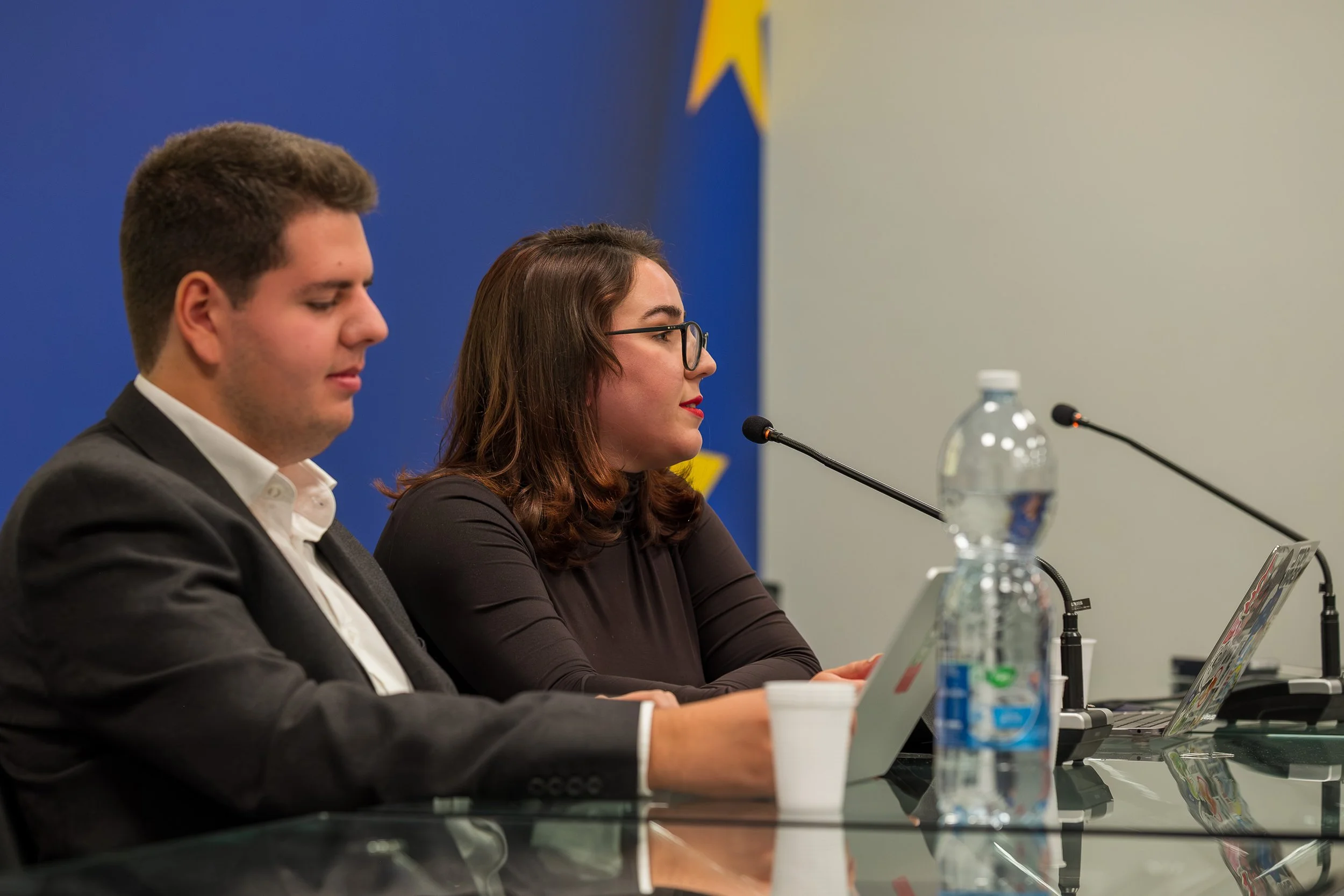
The event then shifted to today’s challenges. At the Europa Experience David Sassoli space, participants explored the continuum between historical propaganda and present-day political communication. The discussions revealed that although contexts change, the strategies of manipulation, polarisation and fear-driven narratives bear striking similarities across time.
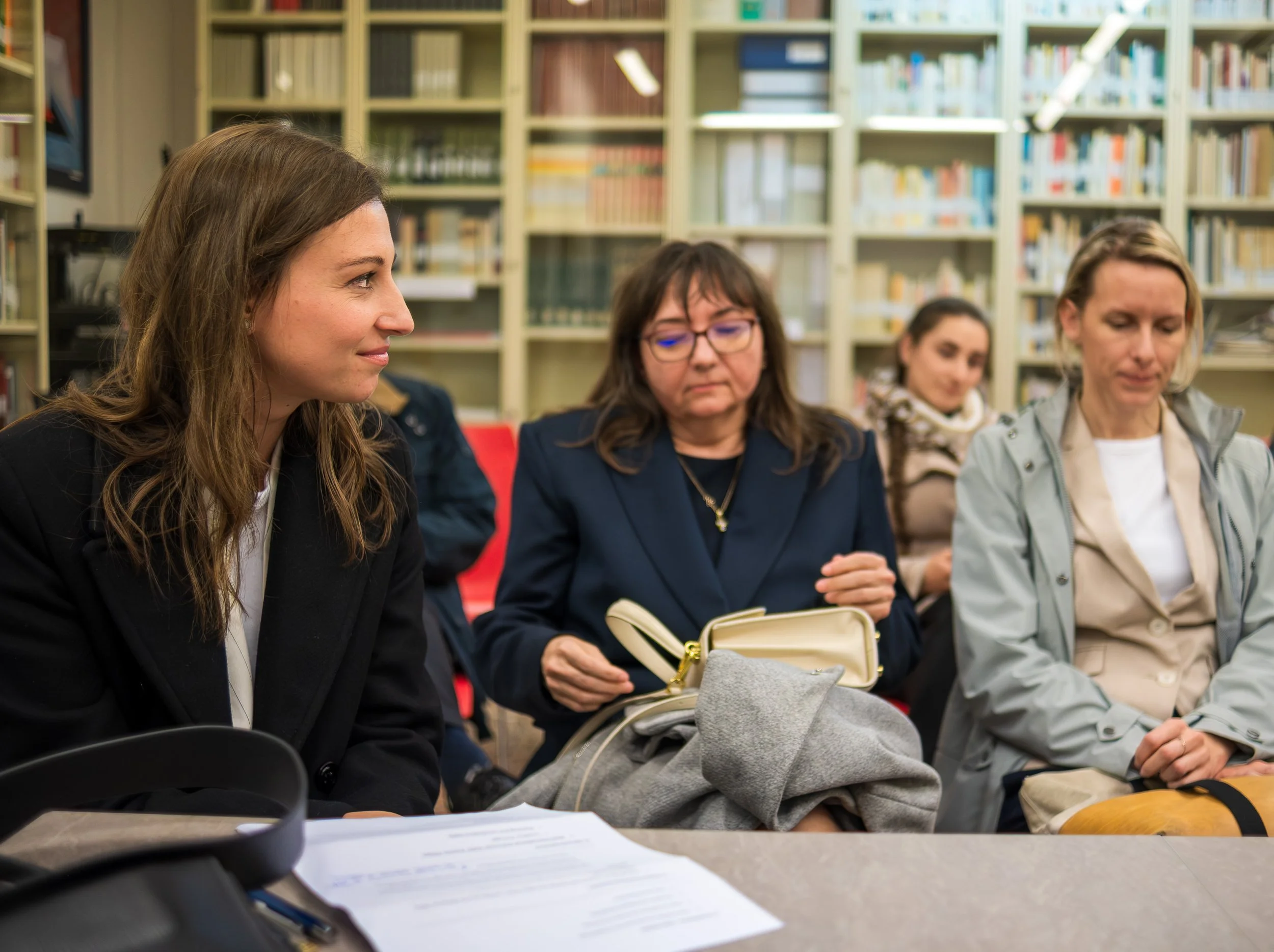
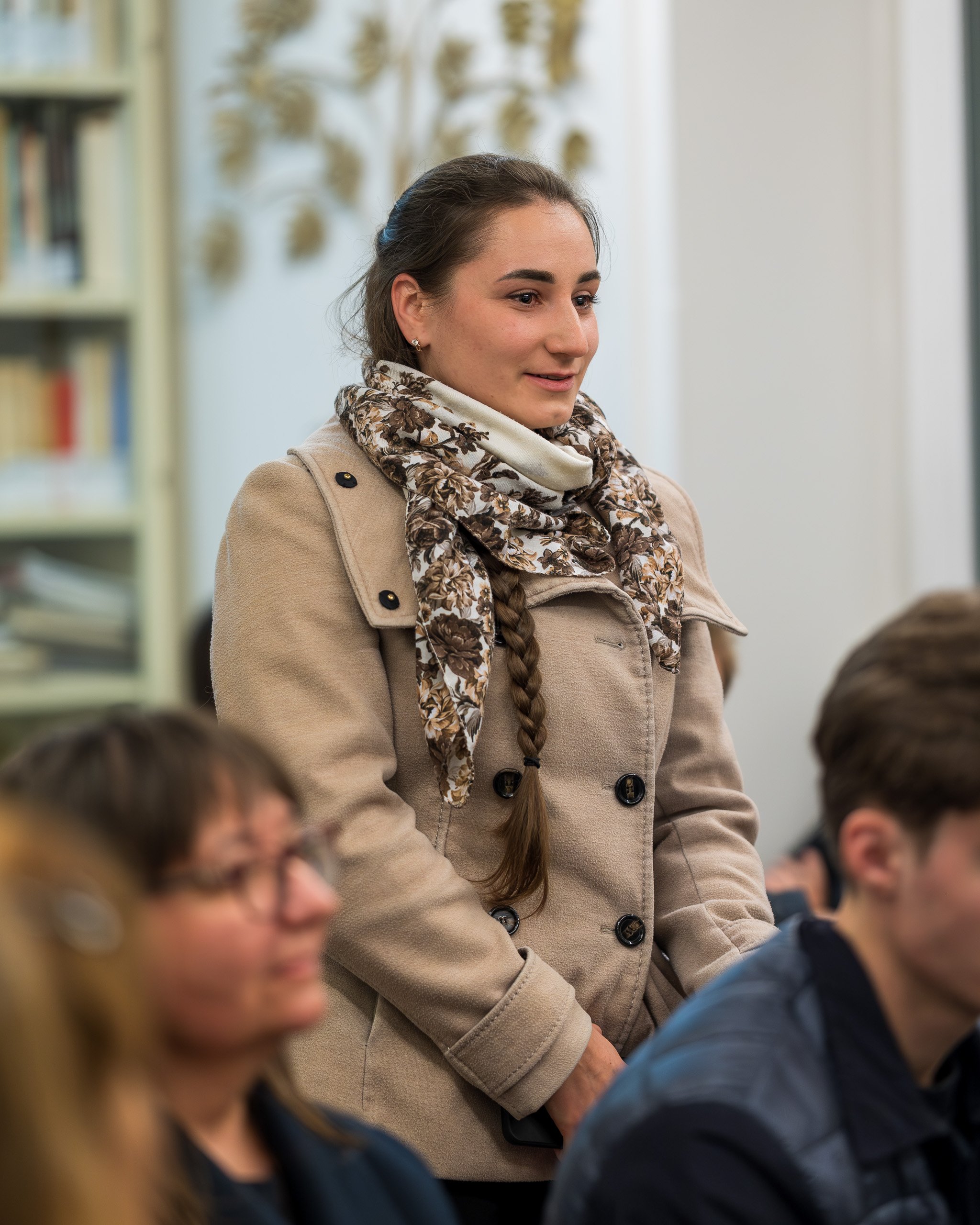
International partners and Italian high-school groups worked side by side to debate the role of media freedom, democratic culture and responsible digital communication. These intergenerational conversations highlighted the urgency of strong civic education, independent journalism and critical media literacy.
Shared Discoveries: What the Groups Learned Together
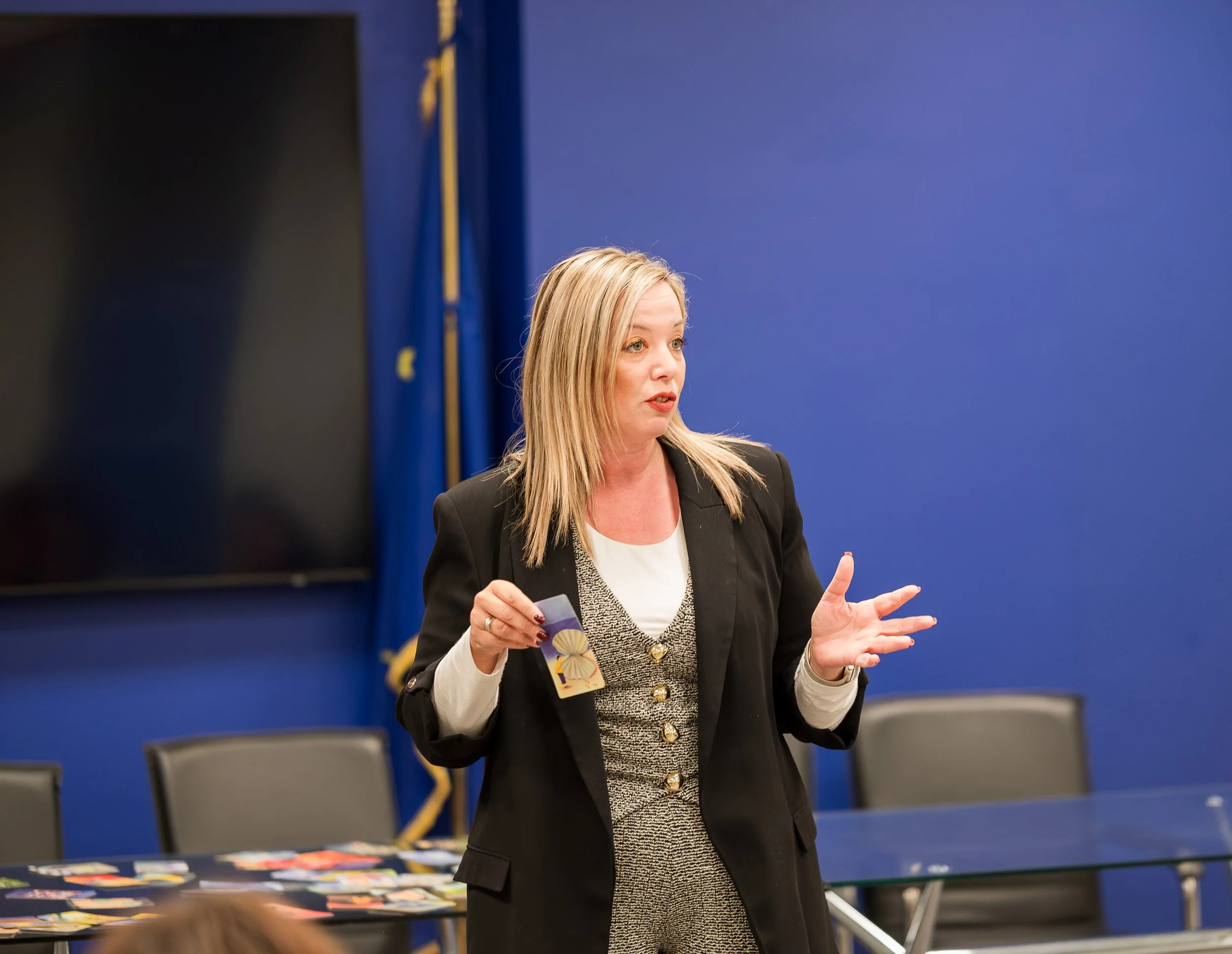
The interactive World Café generated a series of shared insights.
Across all groups, three main conclusions emerged:
Democracy requires active participation, not only institutions. Young people emphasised the need for dialogue, openness and education that fosters critical thinking.
Collective memory is itself a form of resistance. Participants noted that preserving the history of antifascist movements is essential in a time when narratives are vulnerable to distortion or political misuse.
The values of European integration must be continually renewed. Concerns included authoritarian tendencies, low political participation, media concentration and the dangers of social-media echo chambers. The solutions proposed ranged from stronger regulation and oversight to empowering civil society and strengthening local initiatives.
These shared reflections illustrated that, despite differing national contexts, participants recognised common challenges and aspirations for Europe’s democratic future.



Extending the Experience: The Physical Exhibition
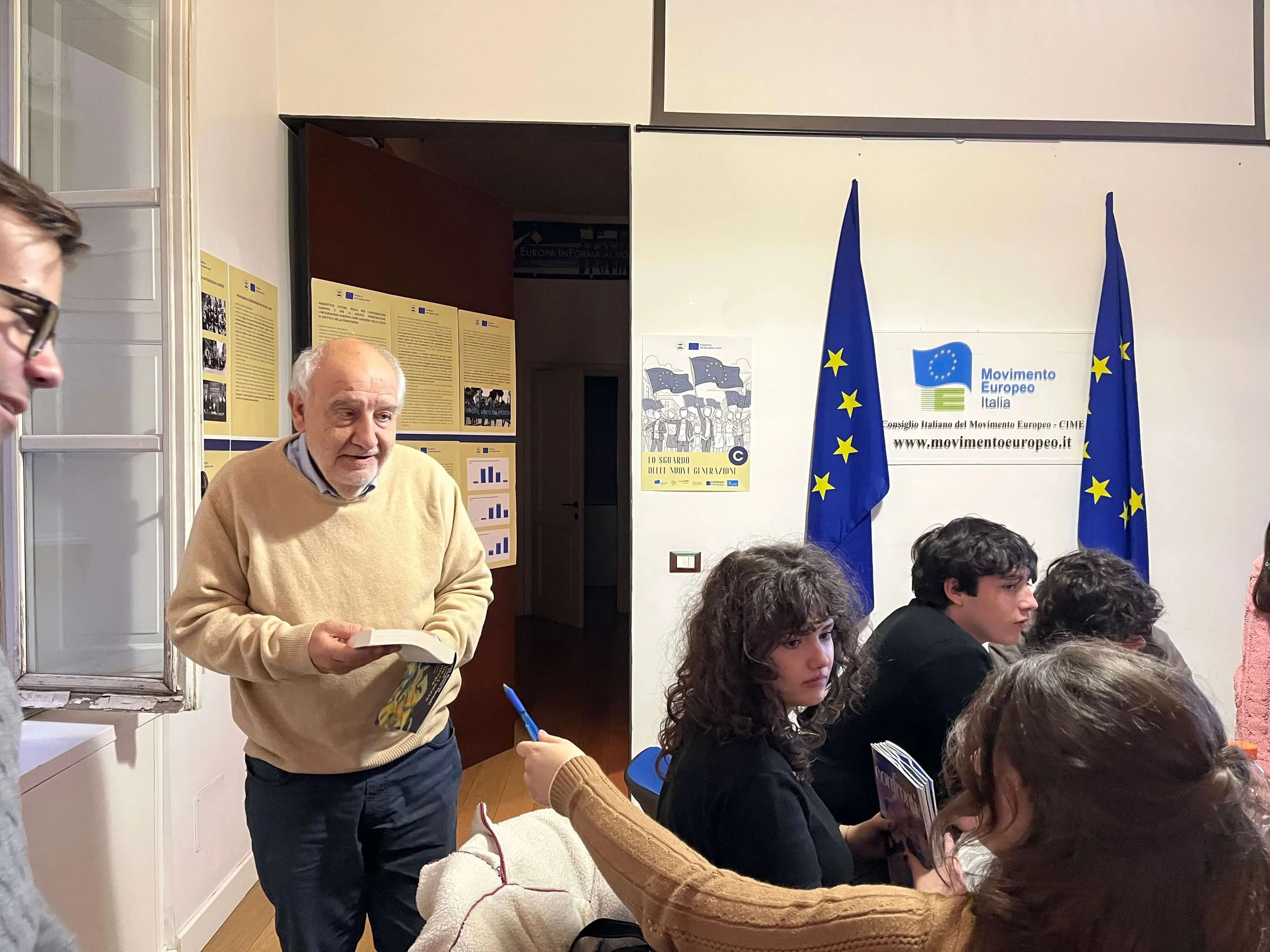
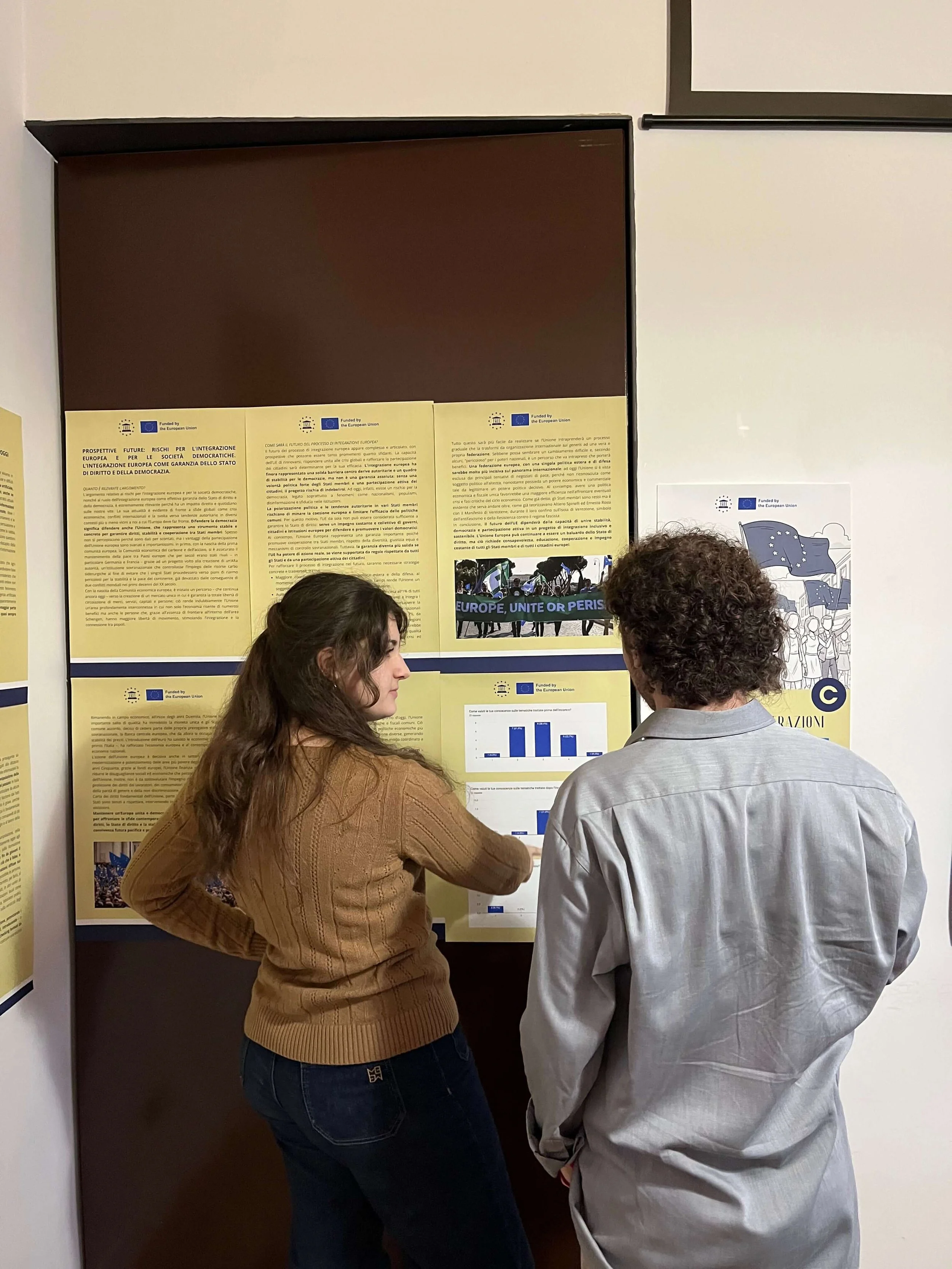
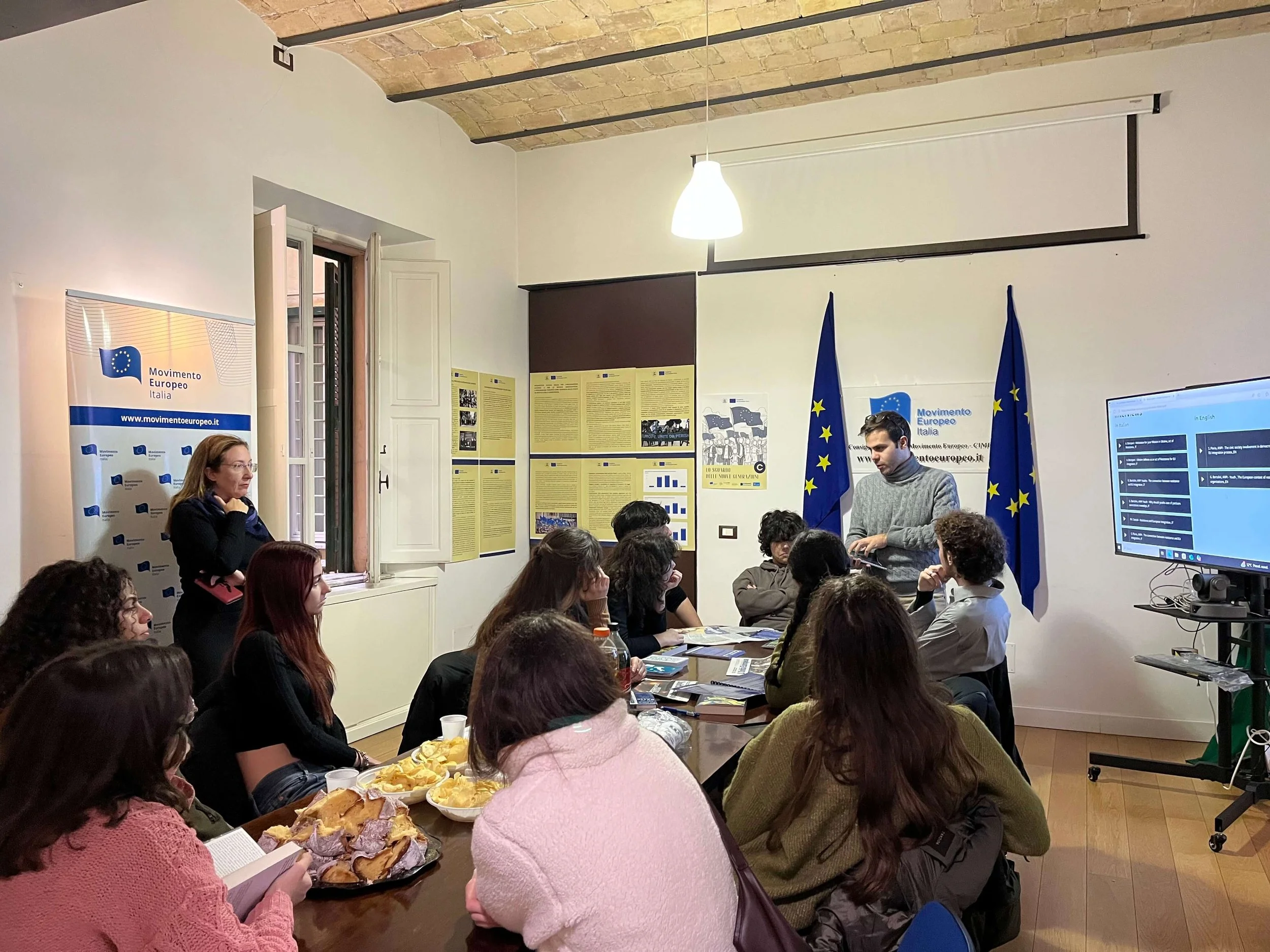
In the weeks following the event, CIME opened the FREI physical exhibition at its headquarters in Rome. Structured around three thematic sections—From Resistance to European Integration, From State Propaganda to Current Political Communication, and The Perspective of New Generations—the exhibition invited visitors to navigate the connections between Europe’s past and its present-day challenges. Multimedia materials, interviews and interactive screens deepened the experience and allowed the stories shared during the event to reach a broader audience.

Continuing Dialogue Between Past and Future
The Rome experience demonstrated that resistance and European integration are not separate narratives but interlinked chapters of Europe’s democratic story. The courage of those who resisted totalitarianism helped shape the moral and political foundations upon which modern Europe rests. Yet the responsibility to safeguard democracy remains ongoing.
Participants left Rome with a shared understanding: that Europe’s freedoms must be protected through informed citizens, resilient institutions and an unwavering commitment to truth—especially in times marked by uncertainty. As the FREI project moves toward its final guide book, the insights and encounters from Rome will continue to illuminate how Europe’s past can guide its future.


Location: Rome, Italy
Dates: 7–8 November 2025
Participants: 110 attendees from 7 countries
Organised by: Consiglio Italiano del Movimento Europeo (CIME)