Historical photos
"Refugee" experience.
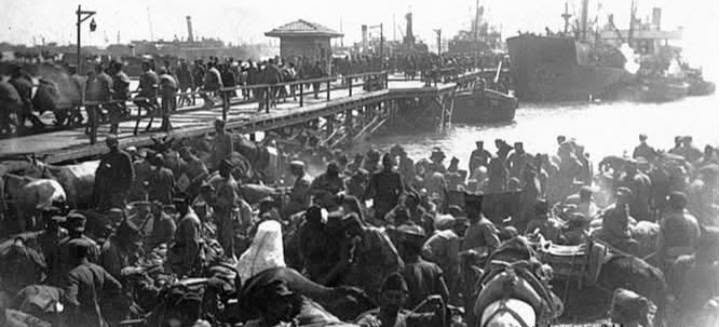
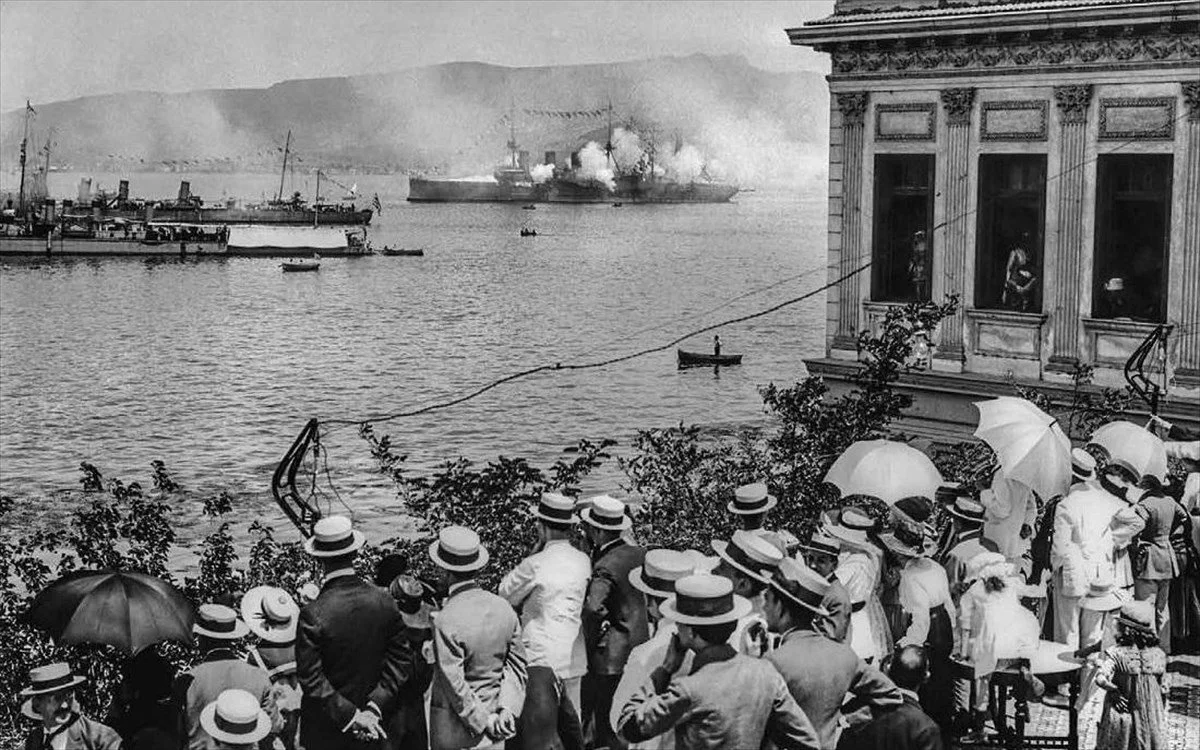
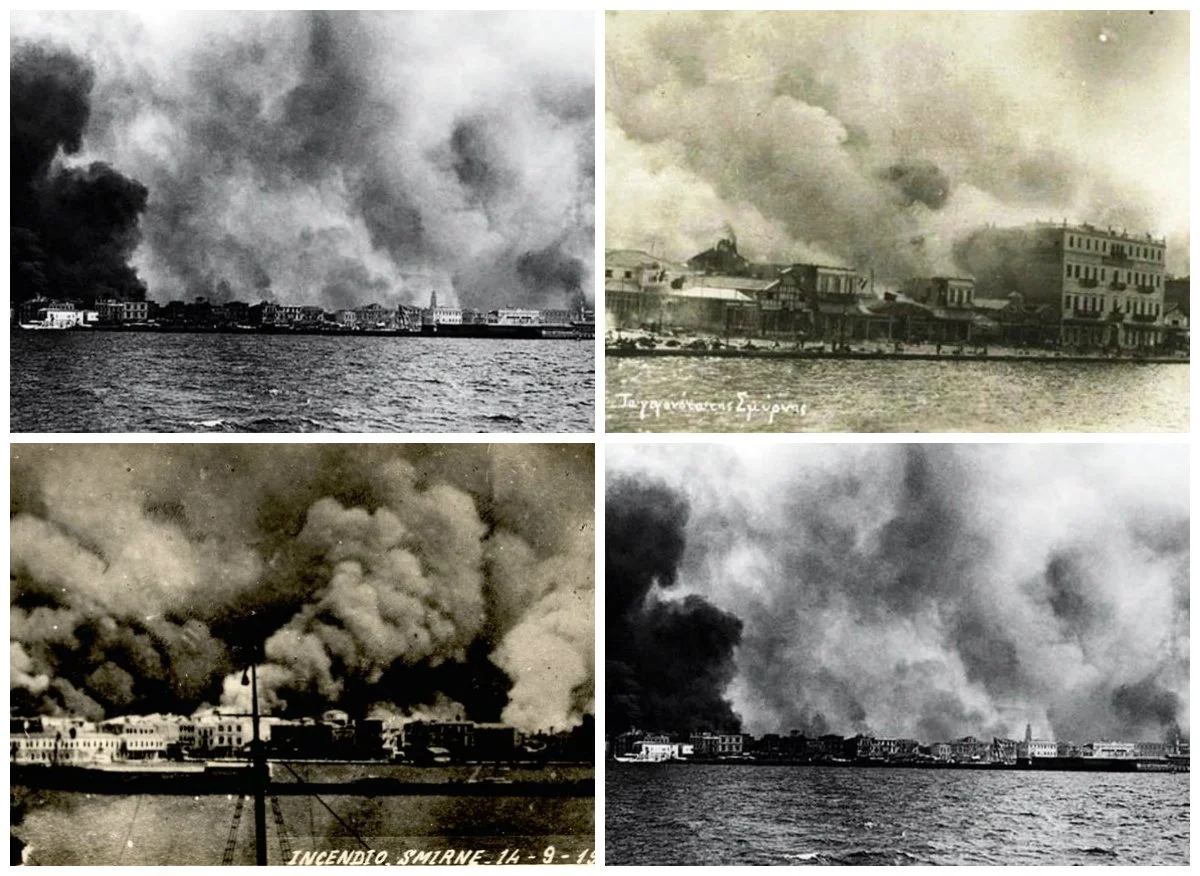
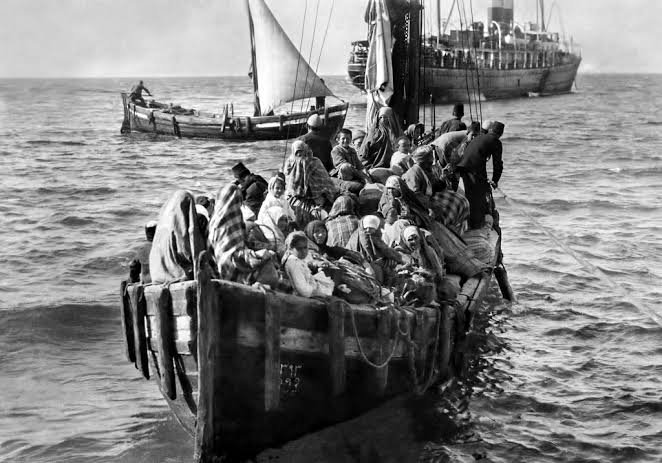
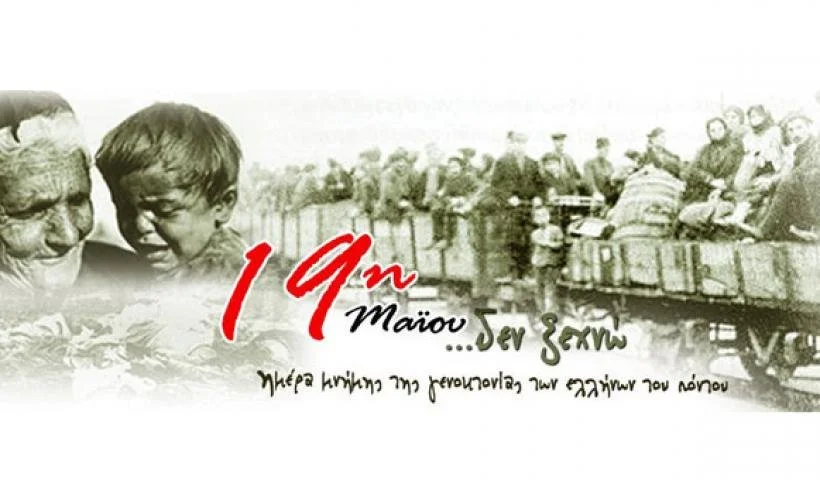
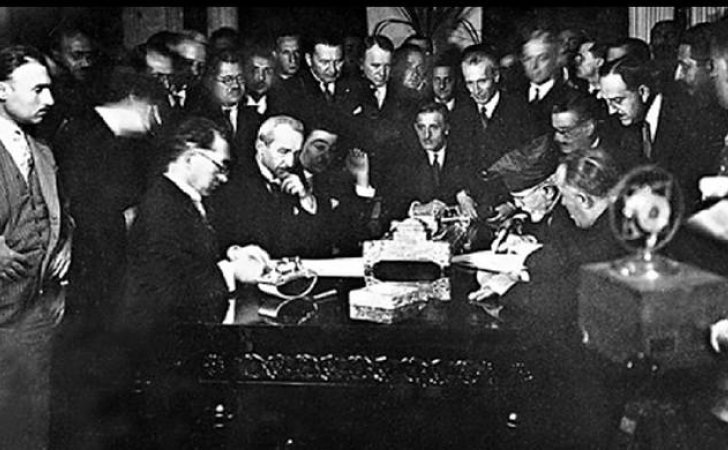
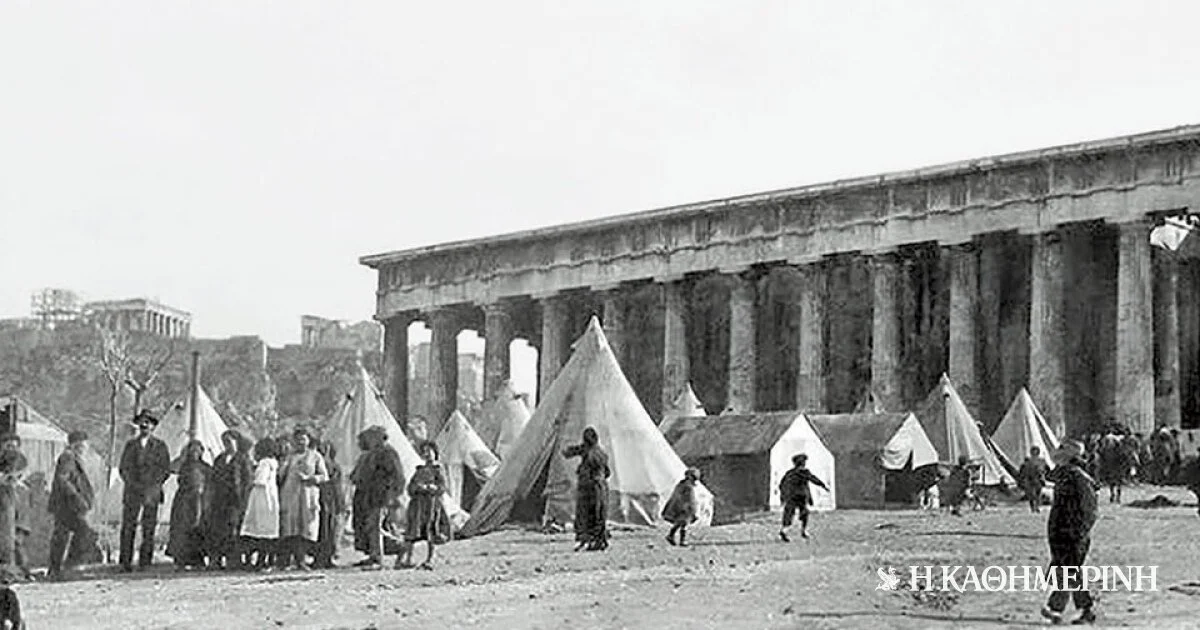
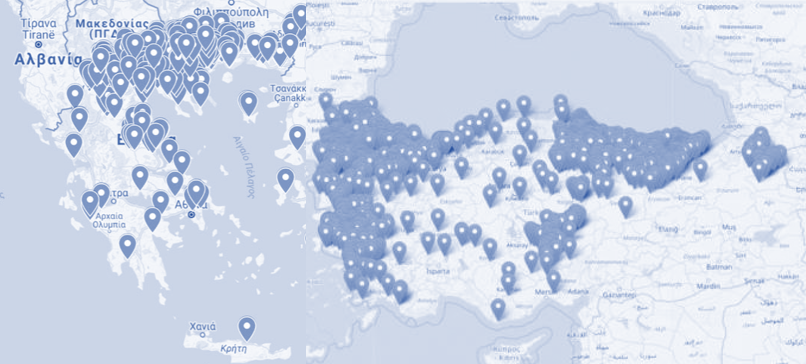
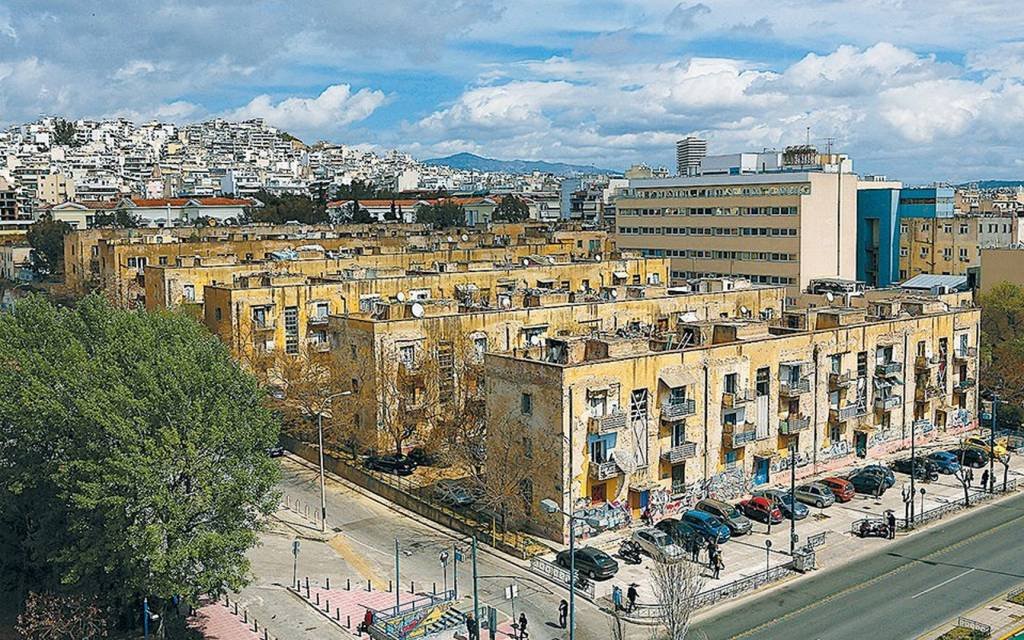
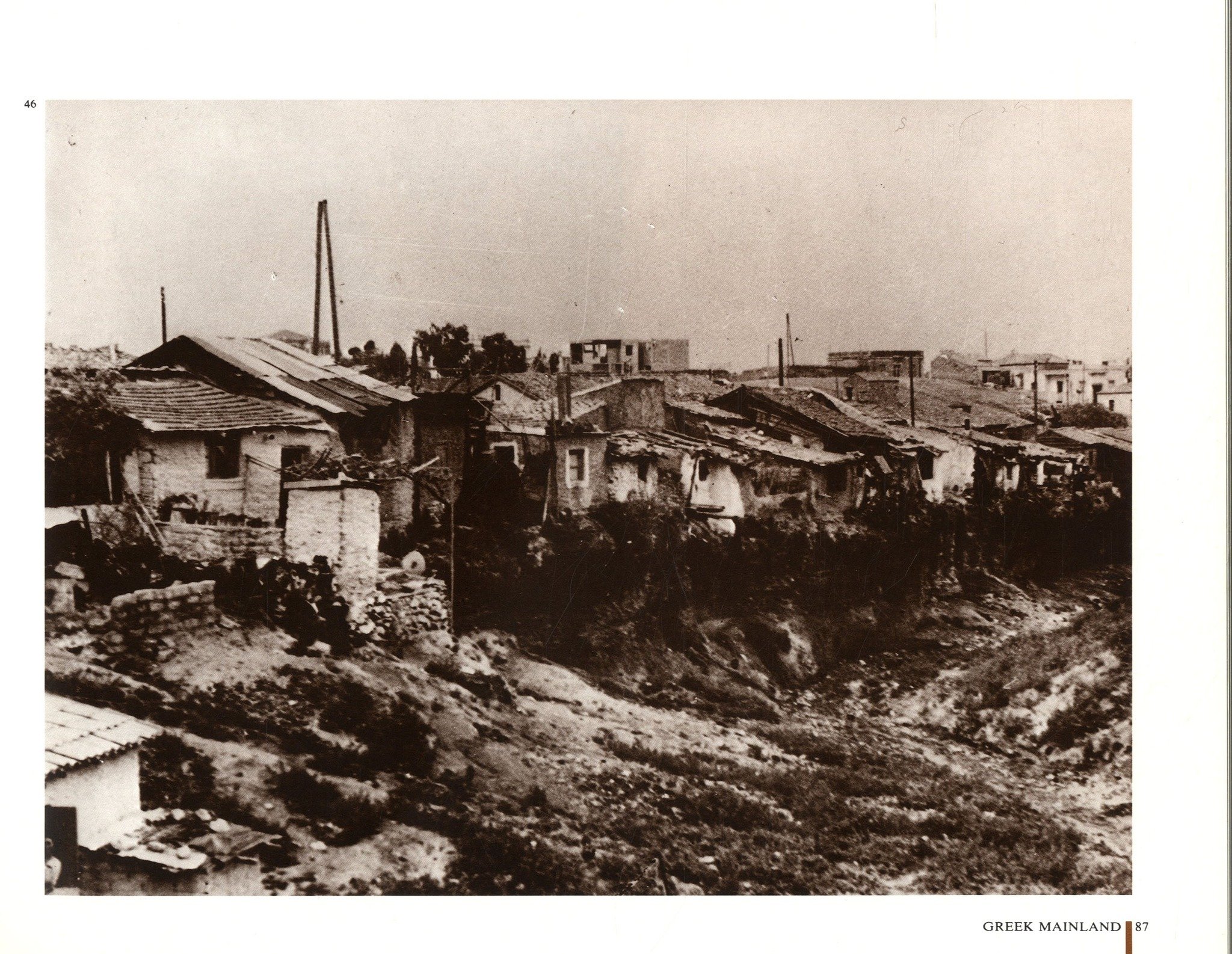
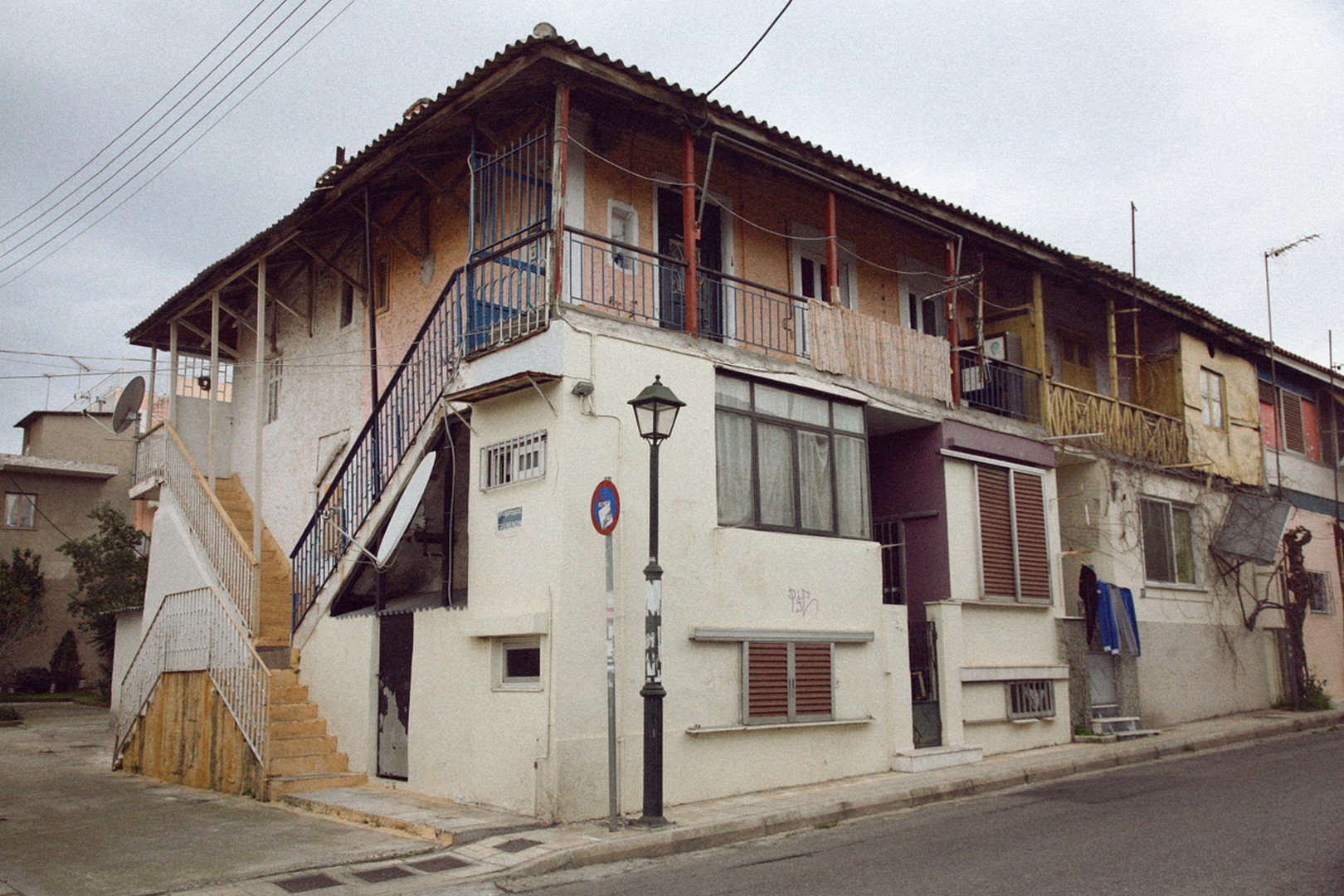
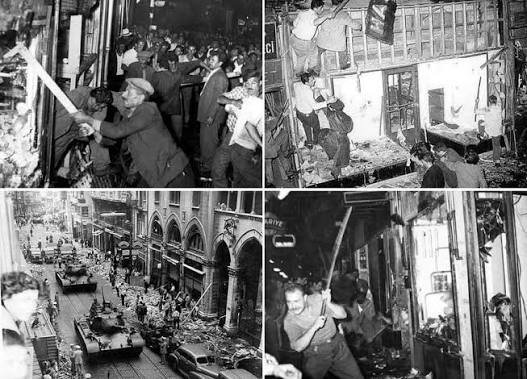
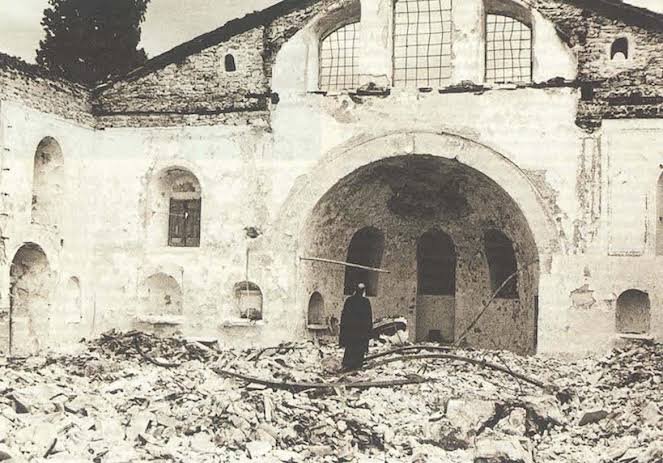
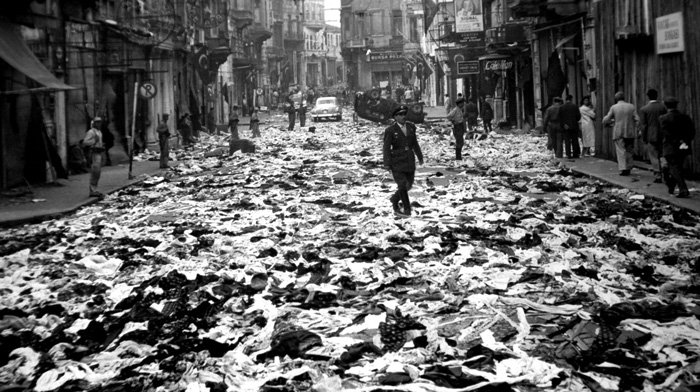
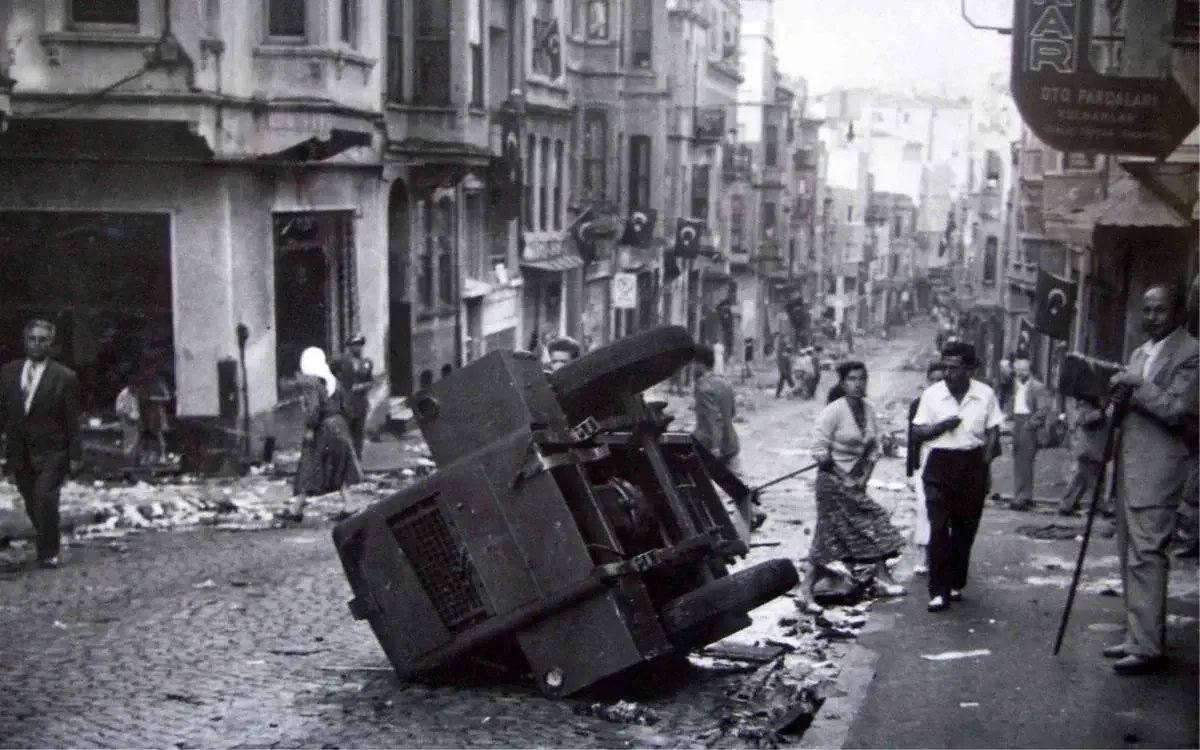
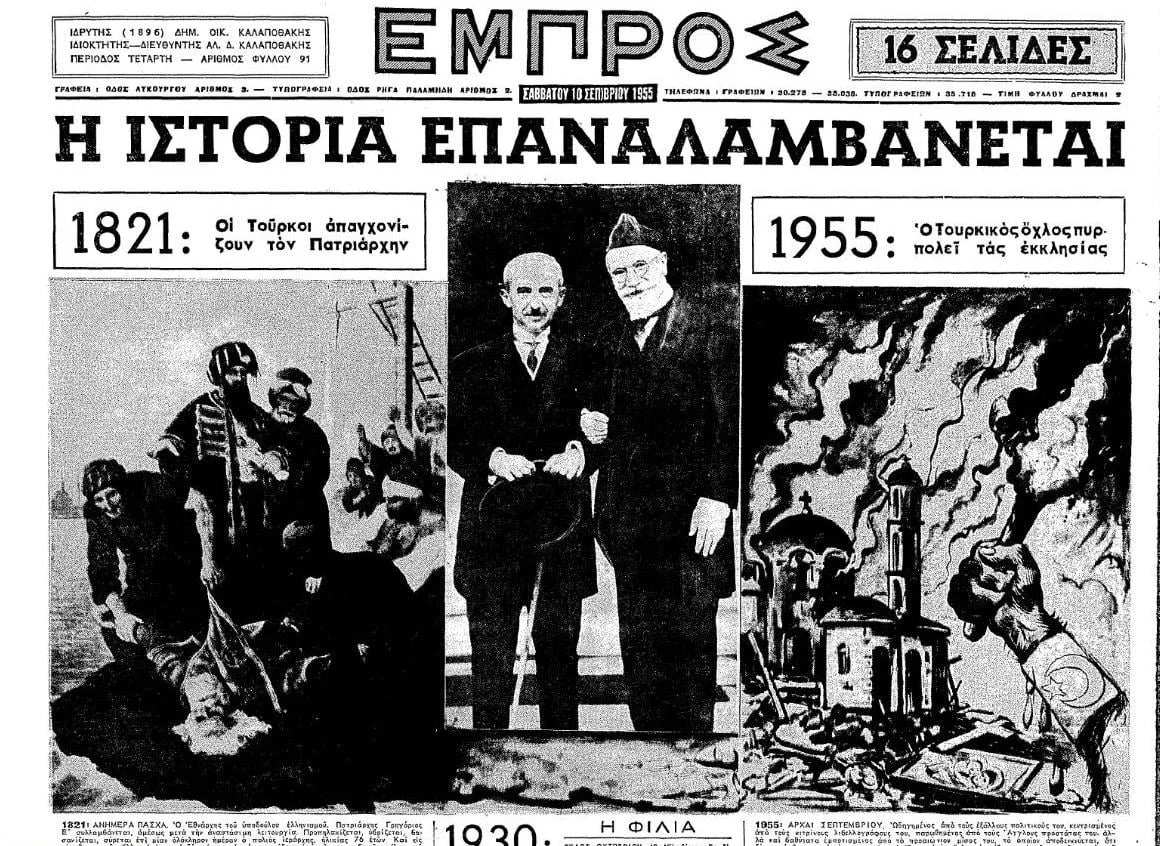
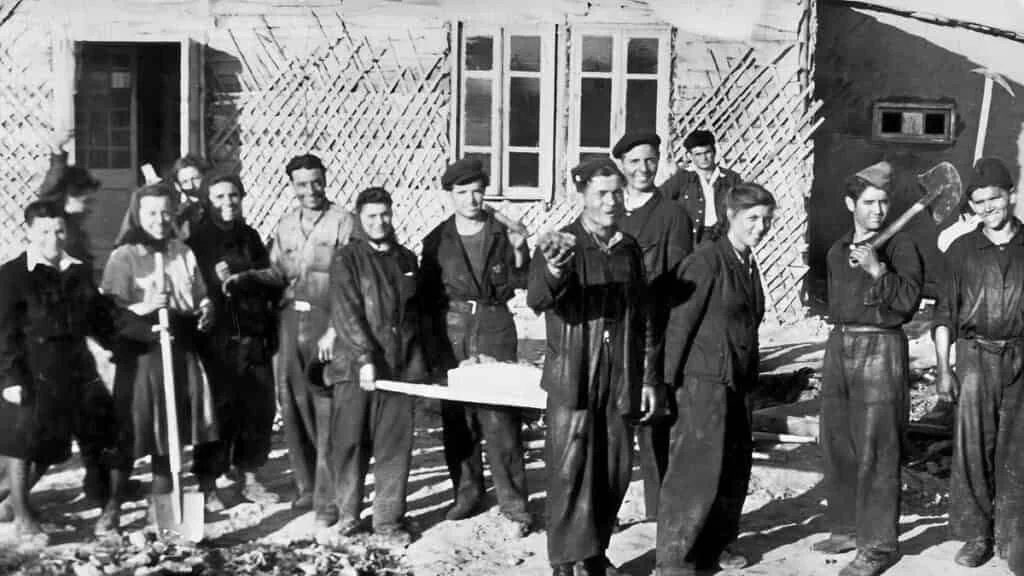
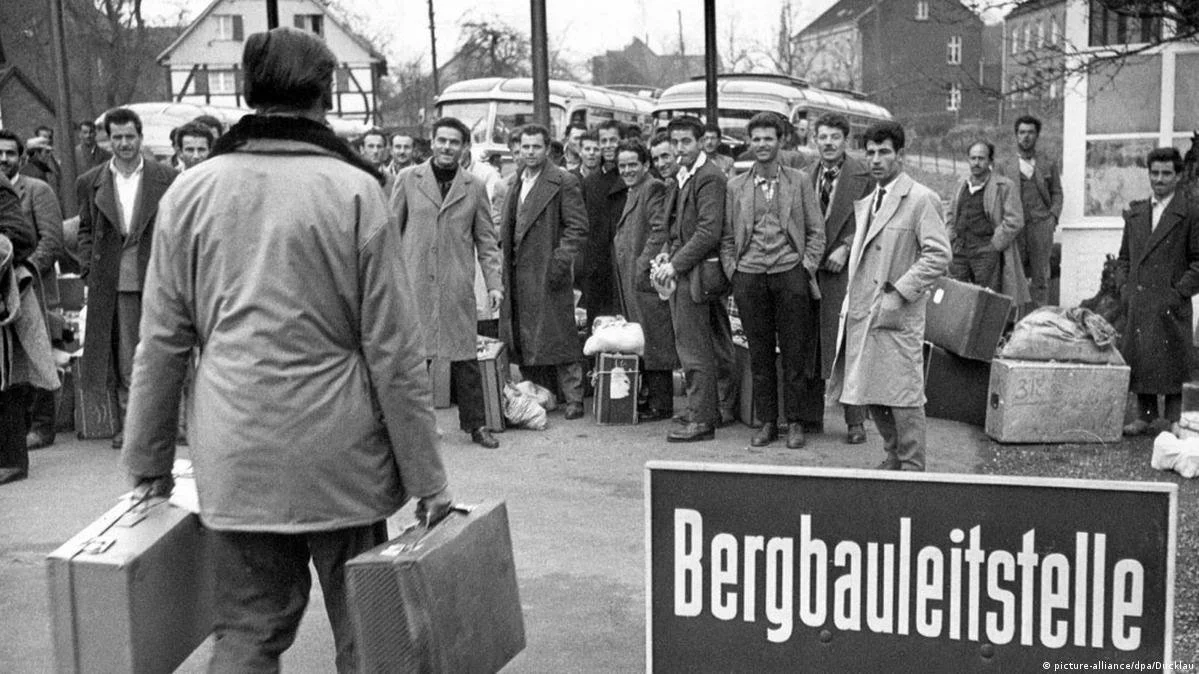
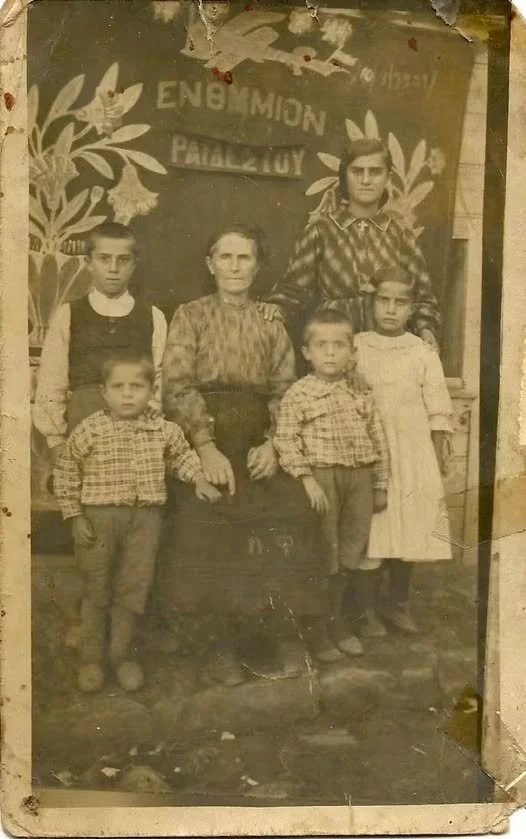
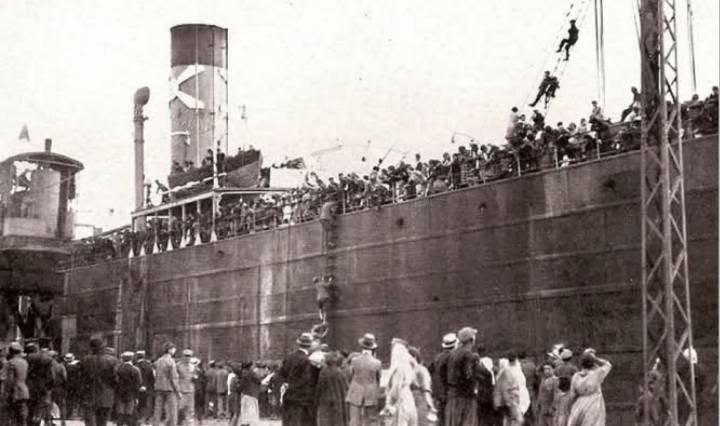
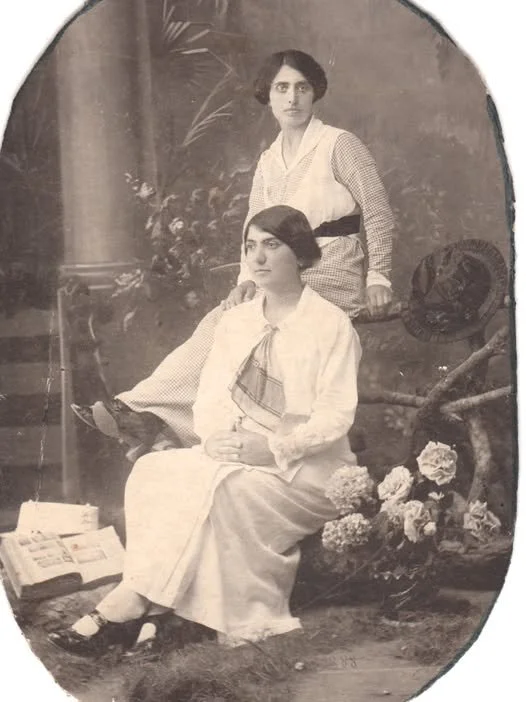
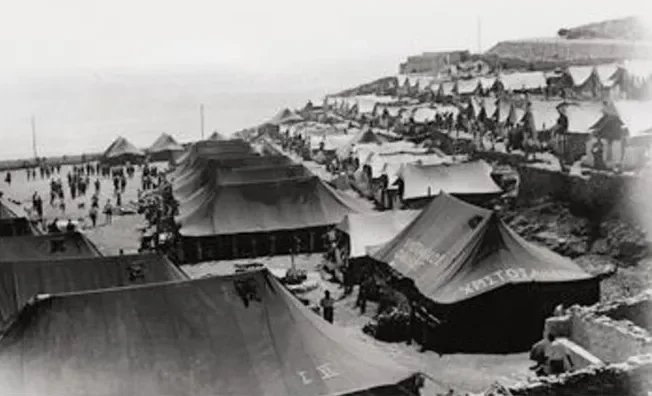
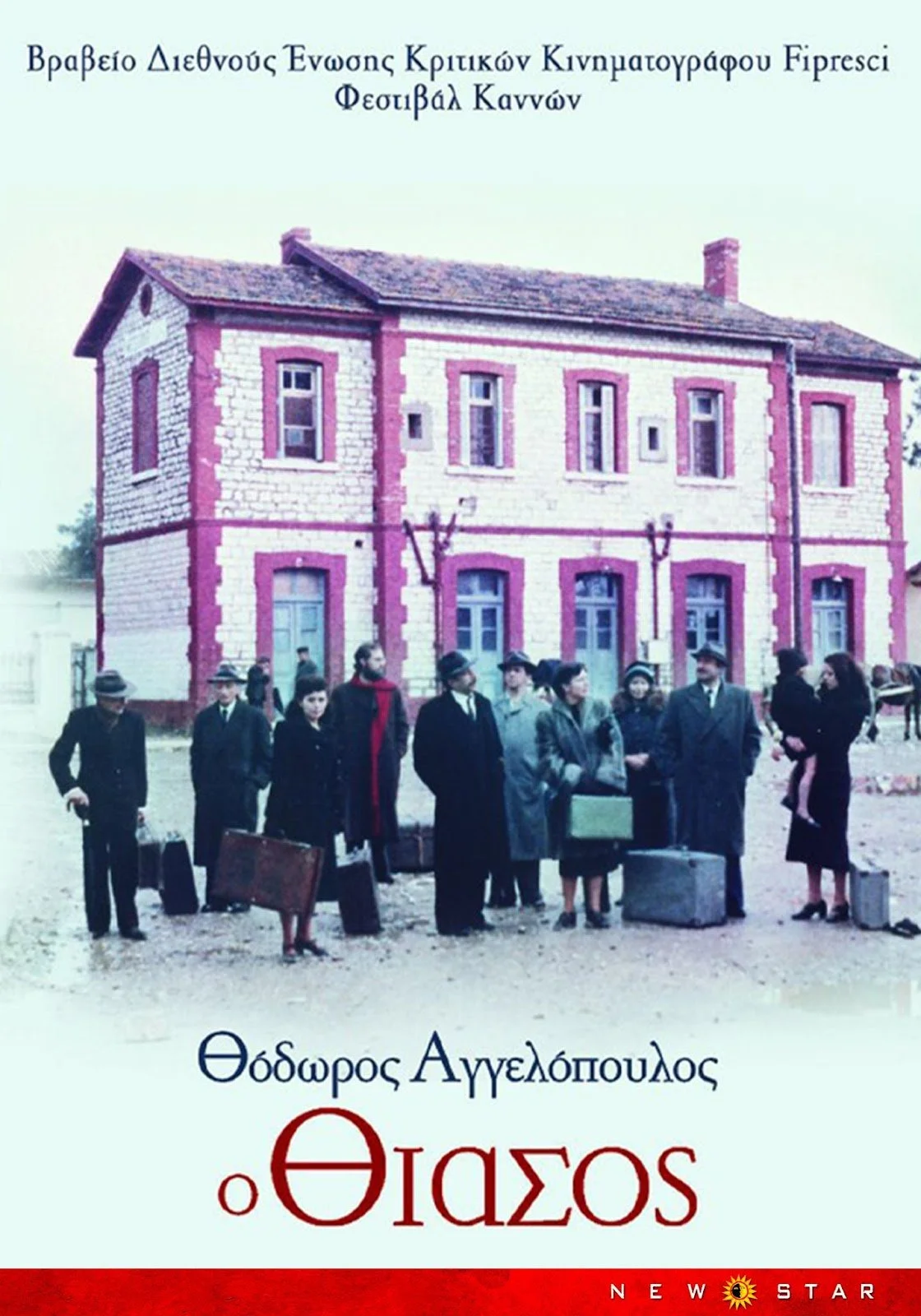
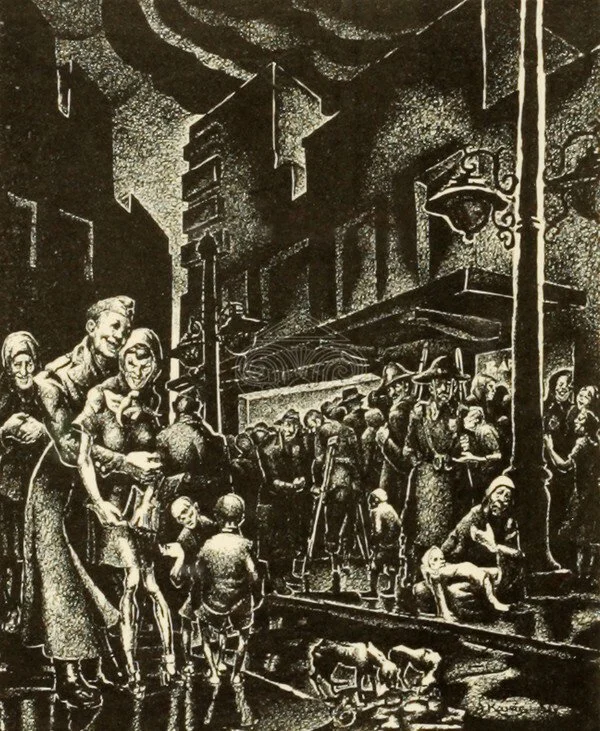
Imagery from the 1922 Asia Minor Catastrophe, the Treaty of Lausanne, and the subsequent influx of refugees into Greece—a result of the destruction of Smyrna and the uprooting of populations from all Greek-speaking regions in Turkey. Notable examples include images of ports from that era, as well as scenes of makeshift camps on the slopes of the Acropolis. The collection also features images related to the 1955 Pogrom against the Greeks of Constantinople, an event that triggered yet another wave of refugees arriving in Greece. Through this collection, we aim to highlight that the Greek people are well-acquainted with the experience of being refugees or migrants, as well as the lack of recognition and implementation of rights for vulnerable groups as they attempt to integrate into a new society.
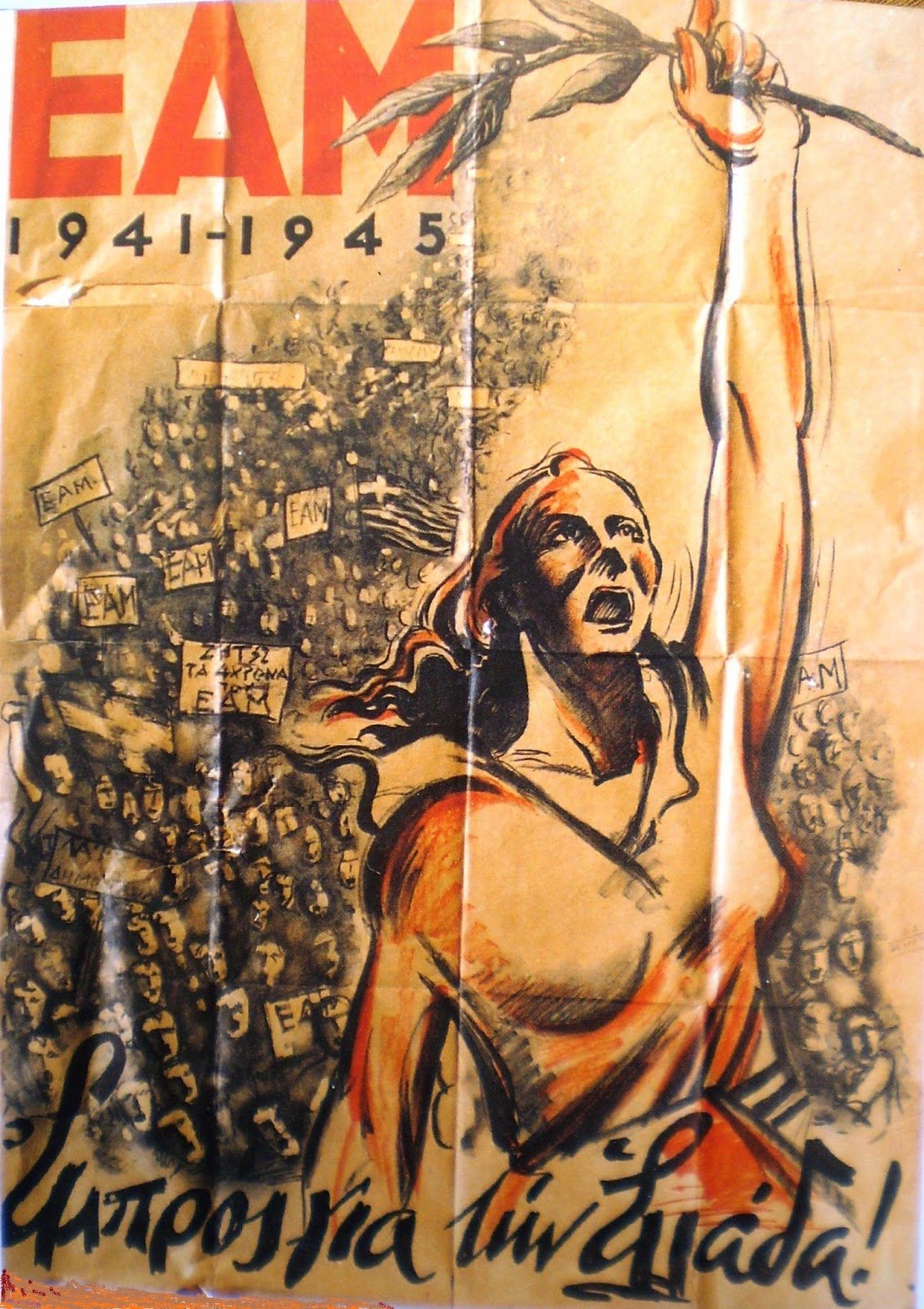
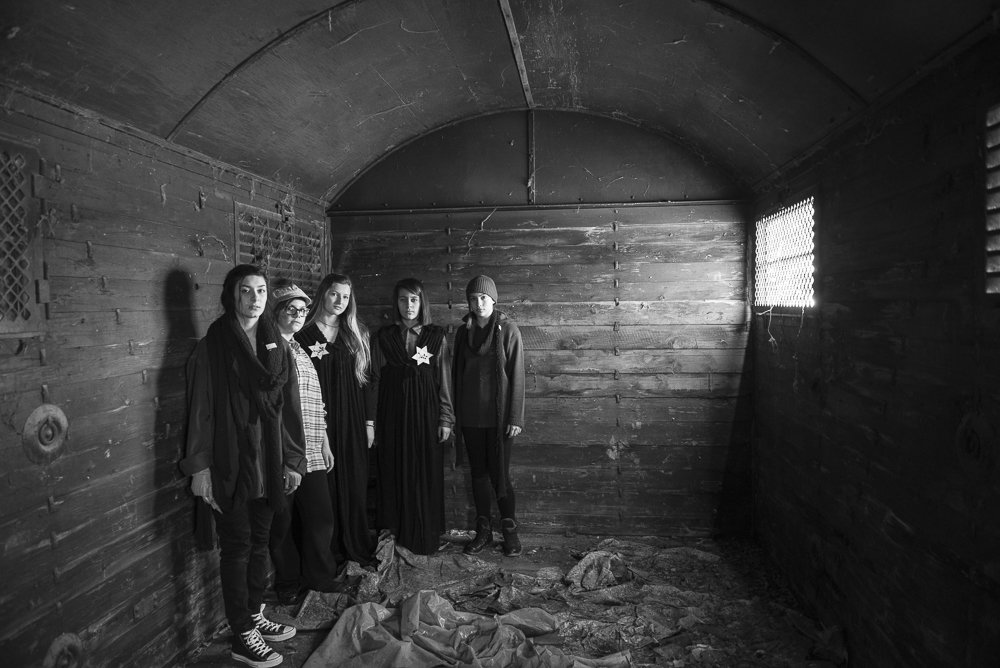
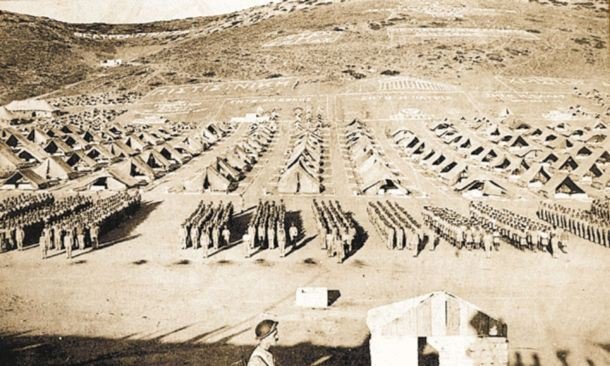
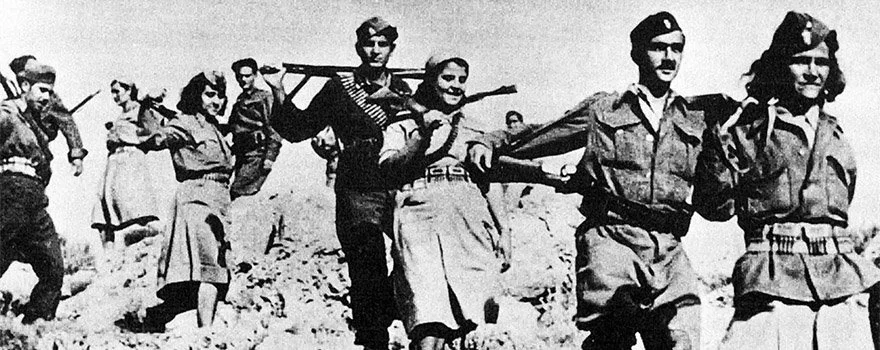
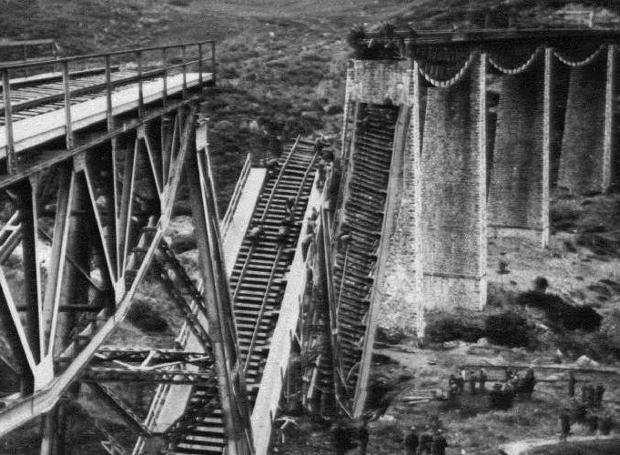
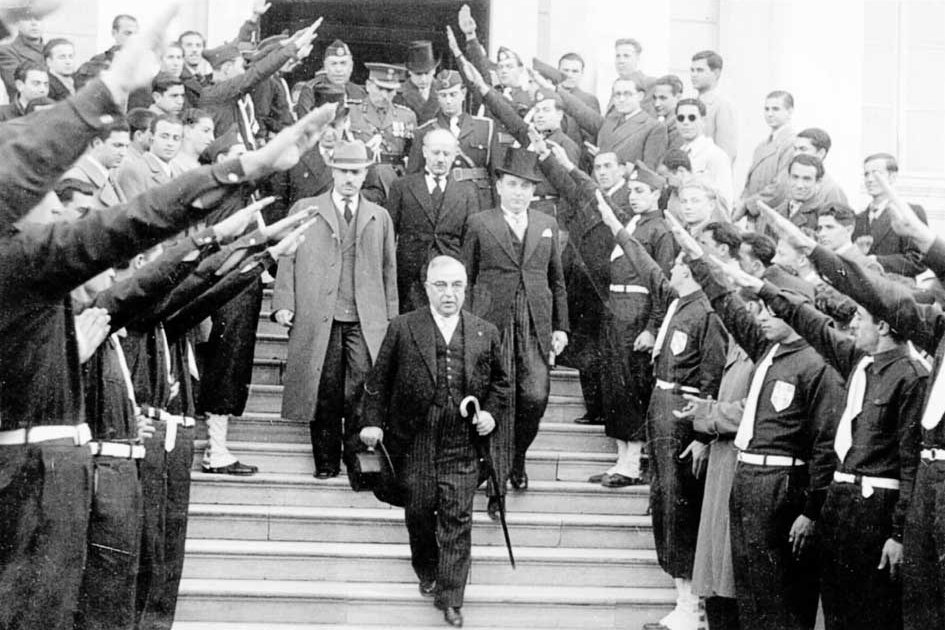
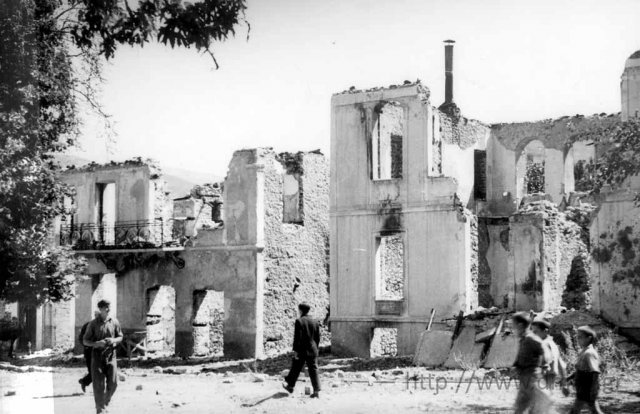
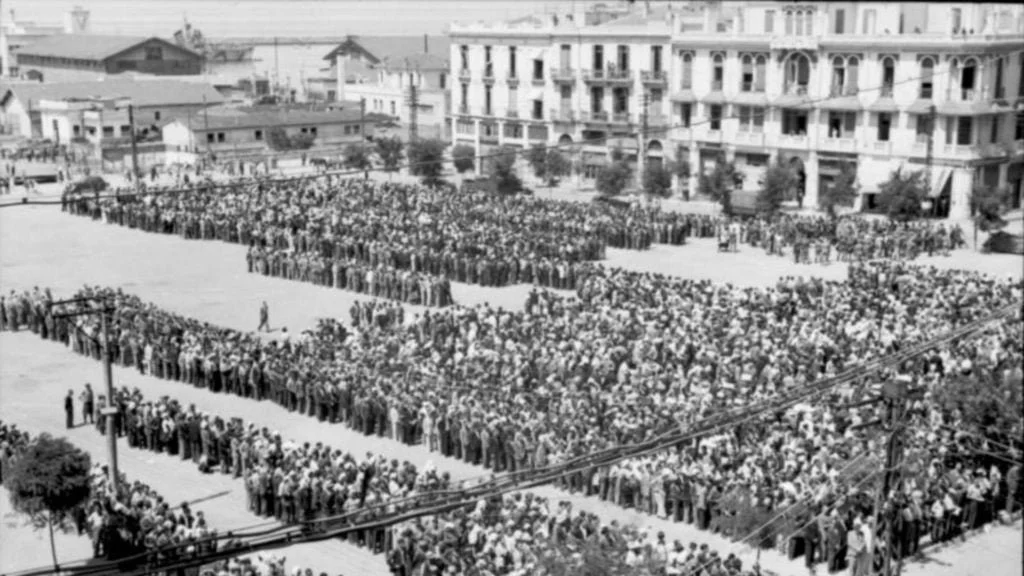
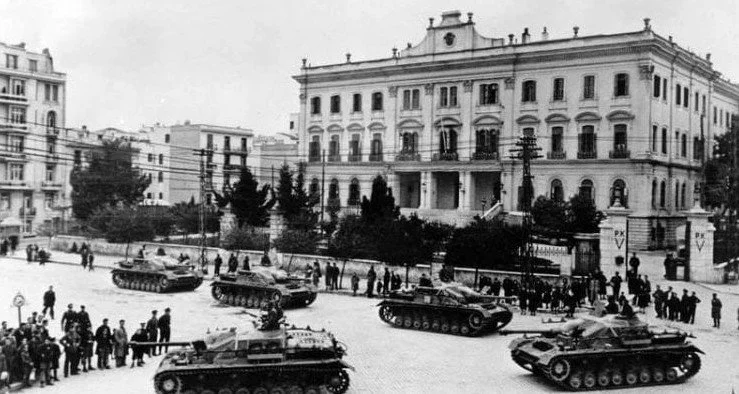
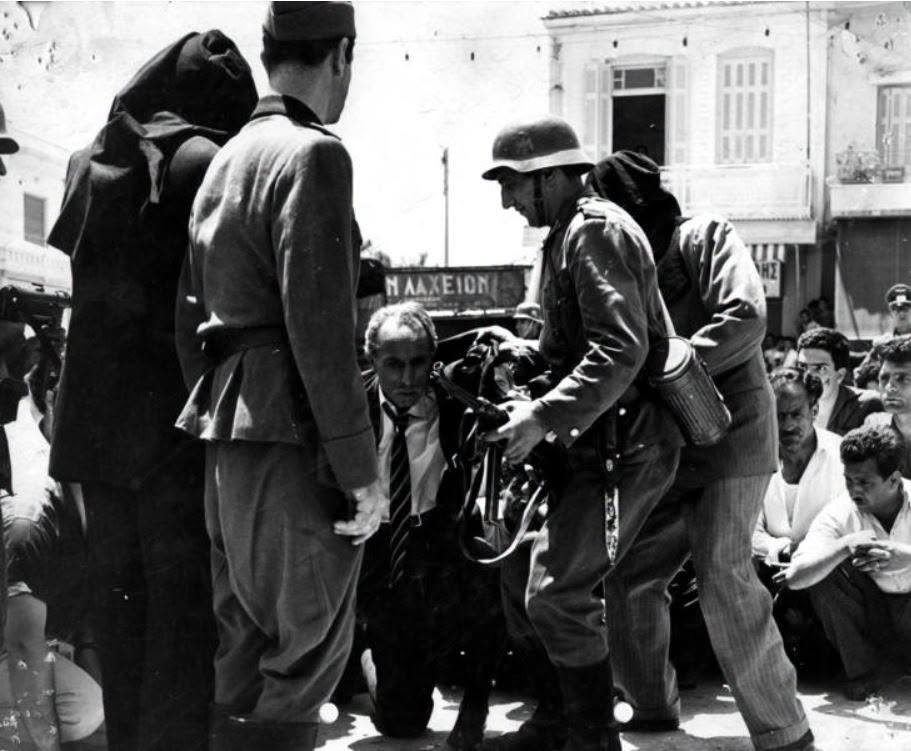
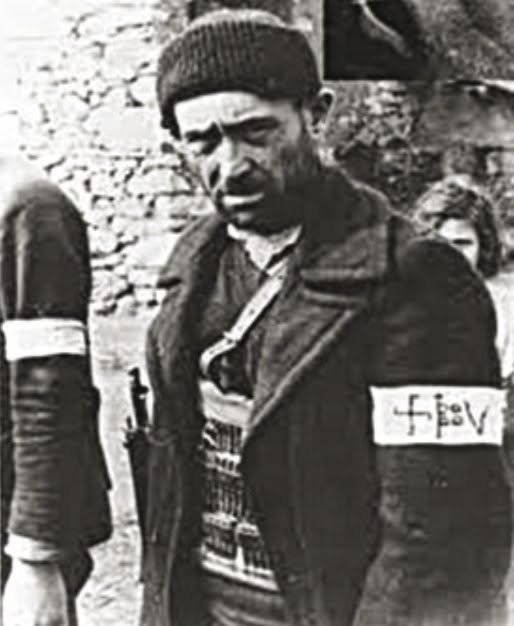
World War II, the GermanItalian occupation, and the Greek Civil War
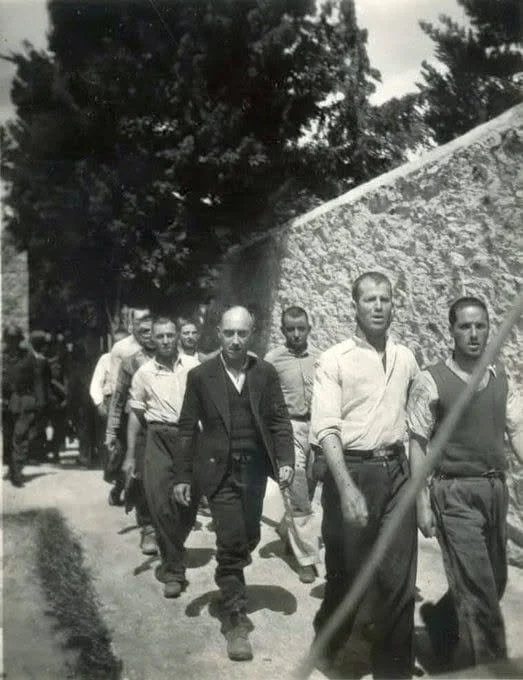
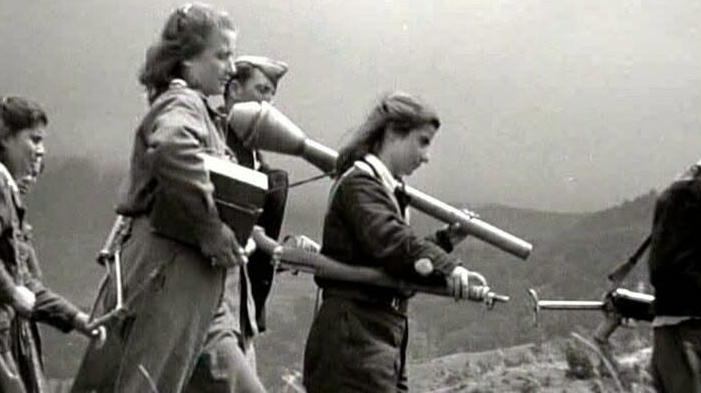
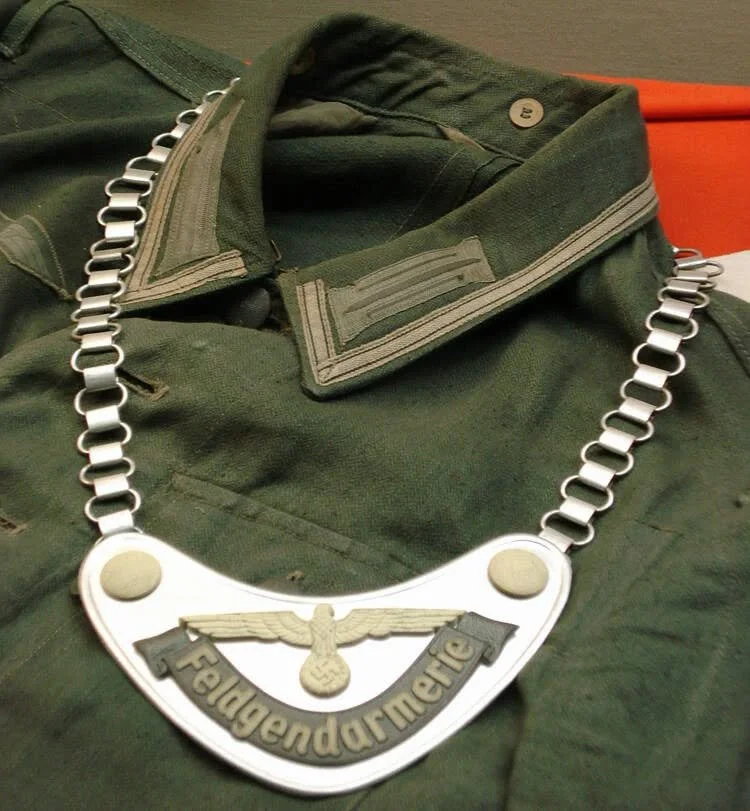
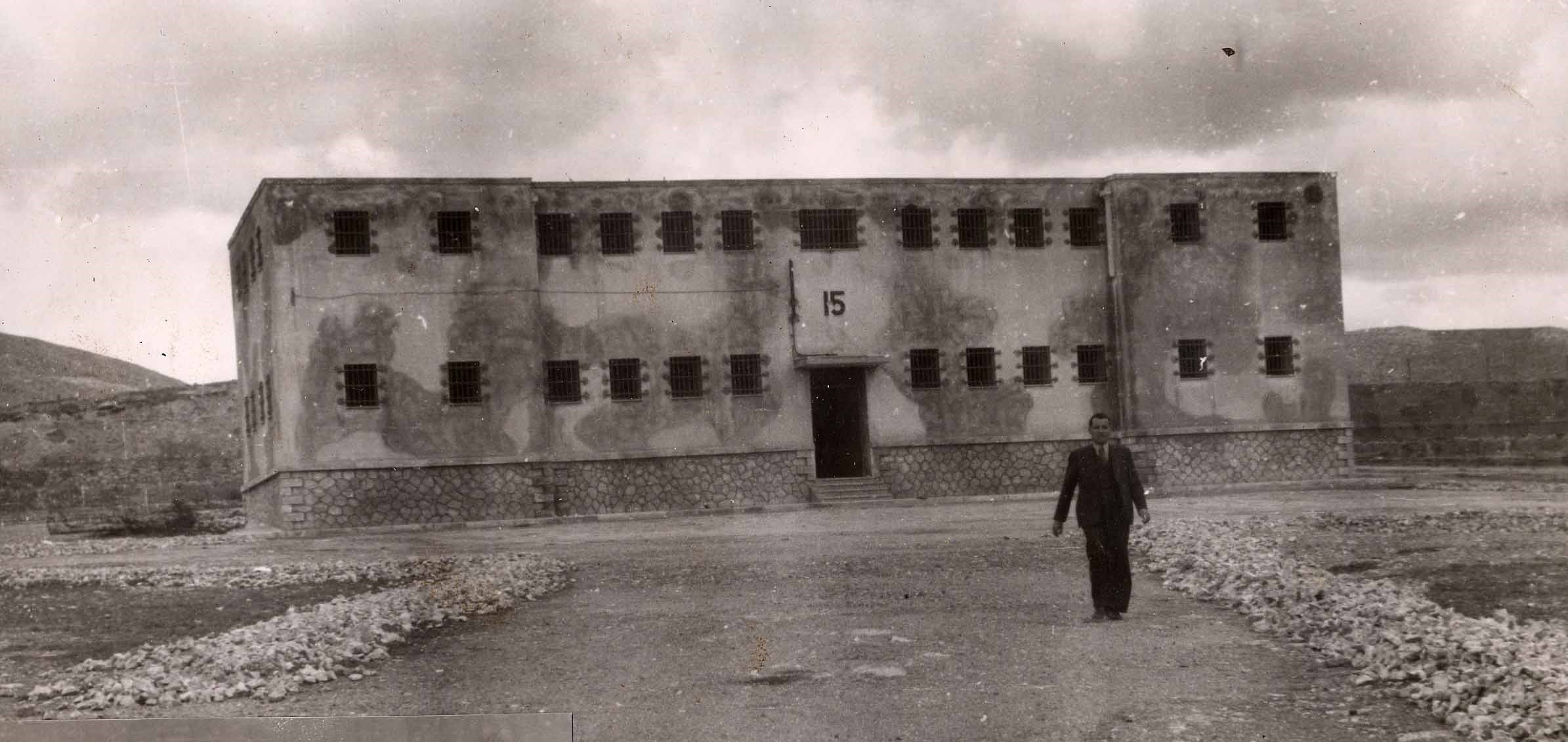
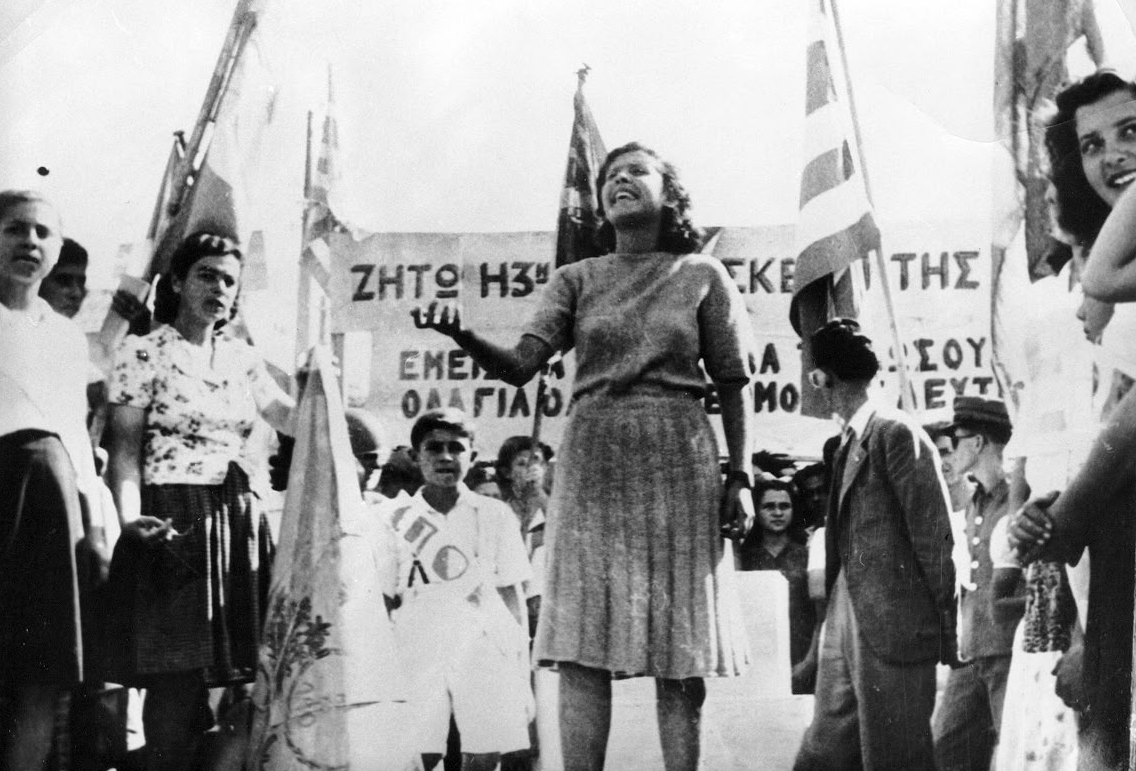
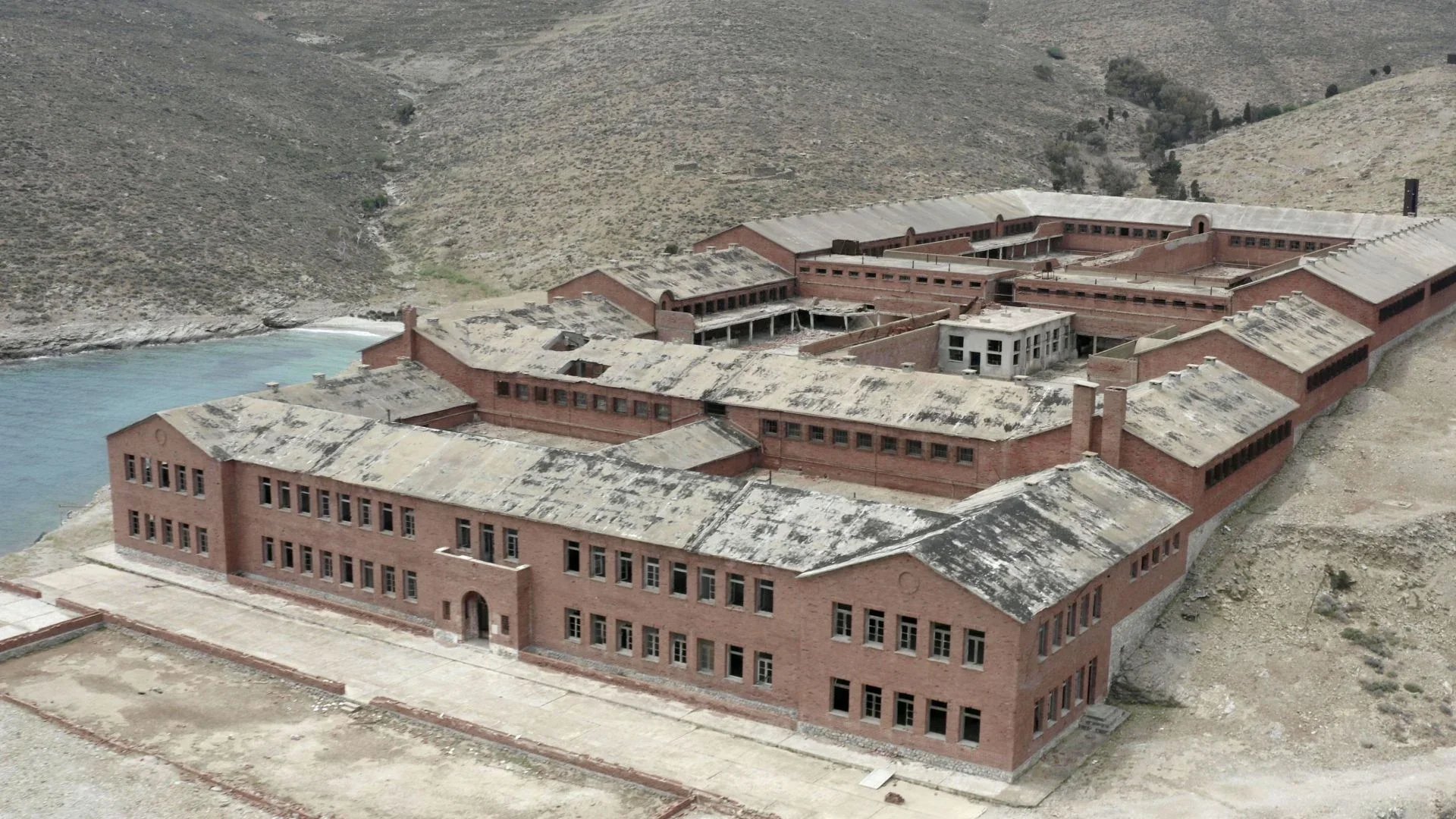
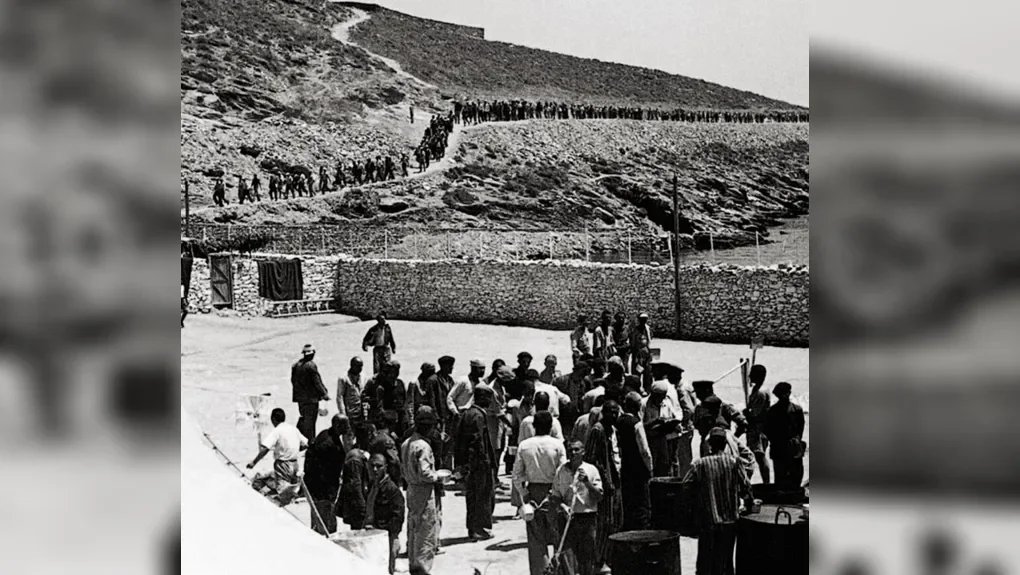
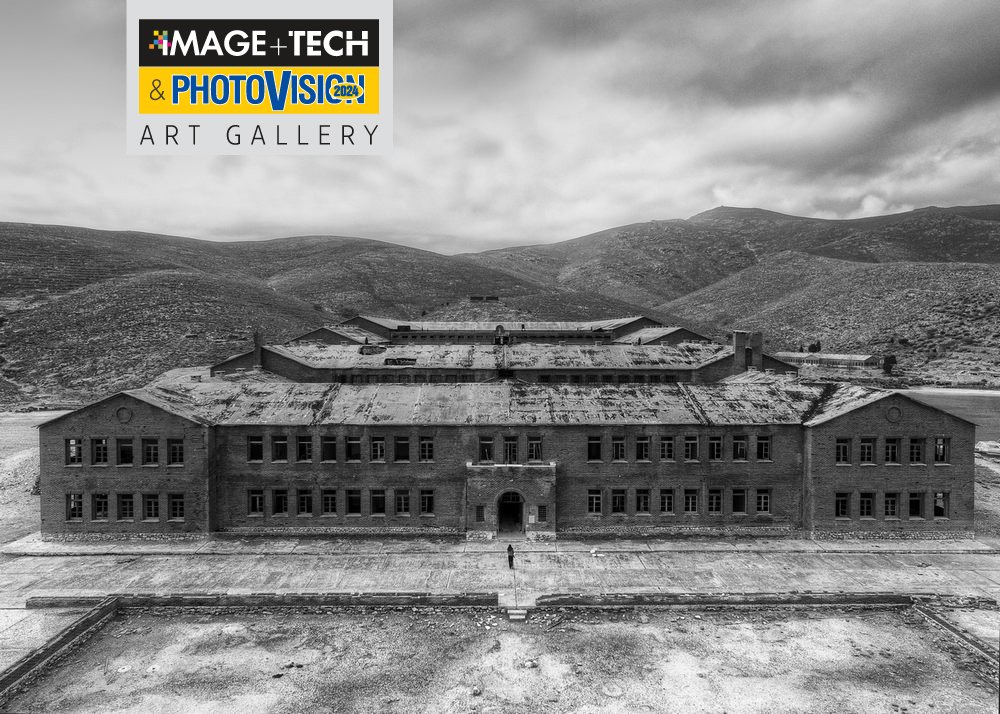
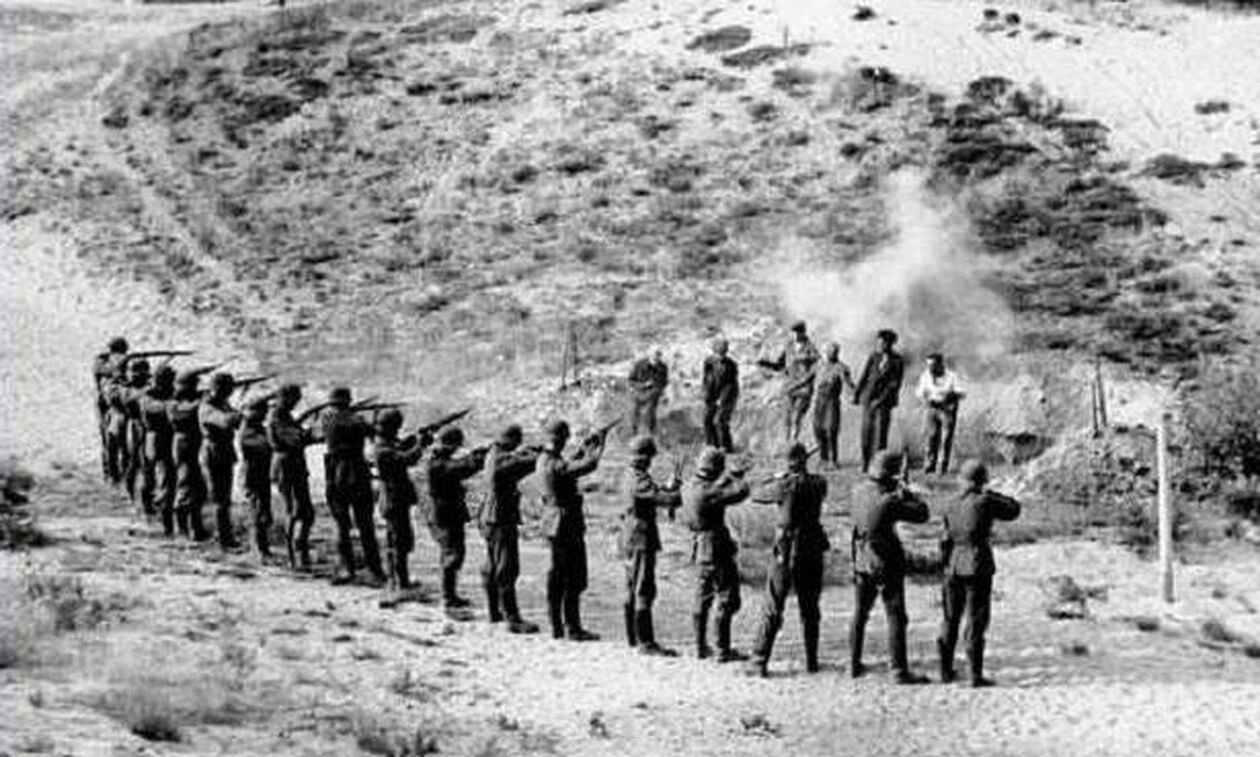
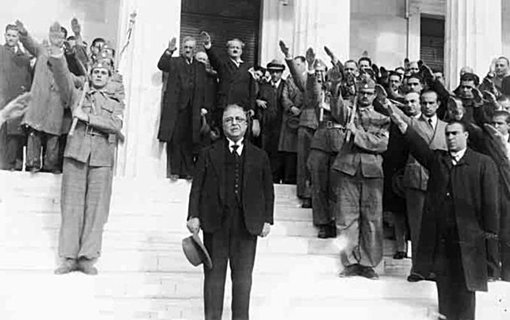
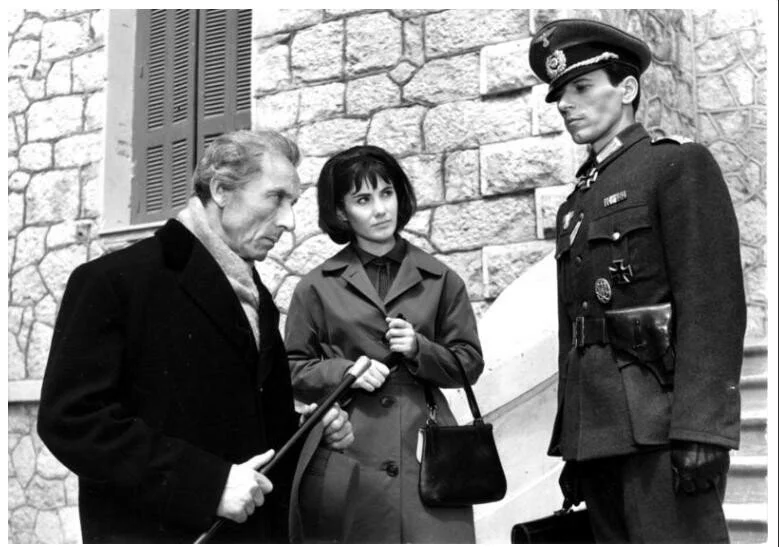
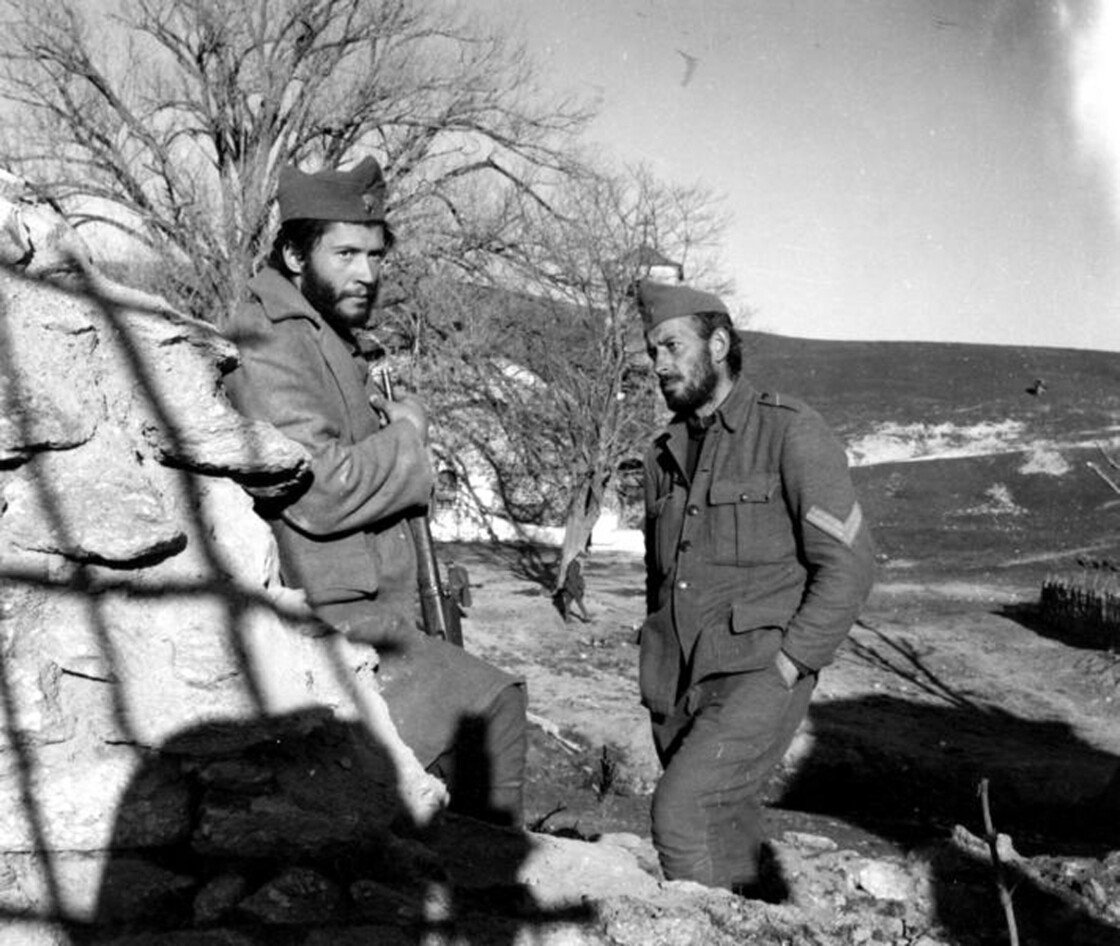
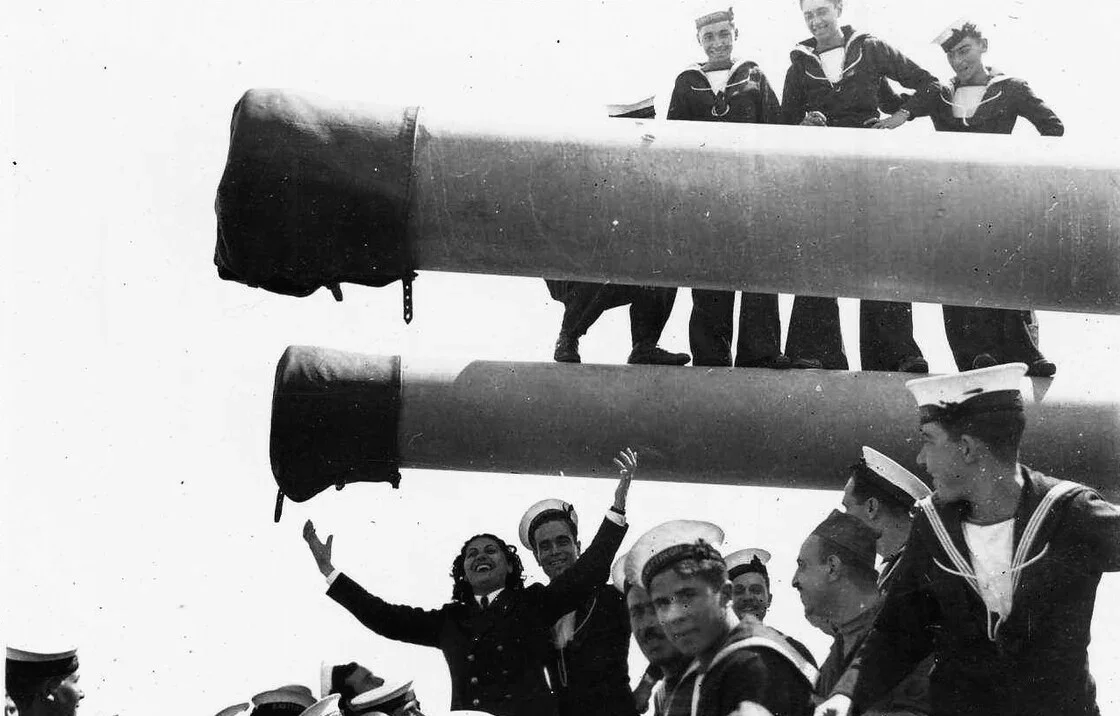
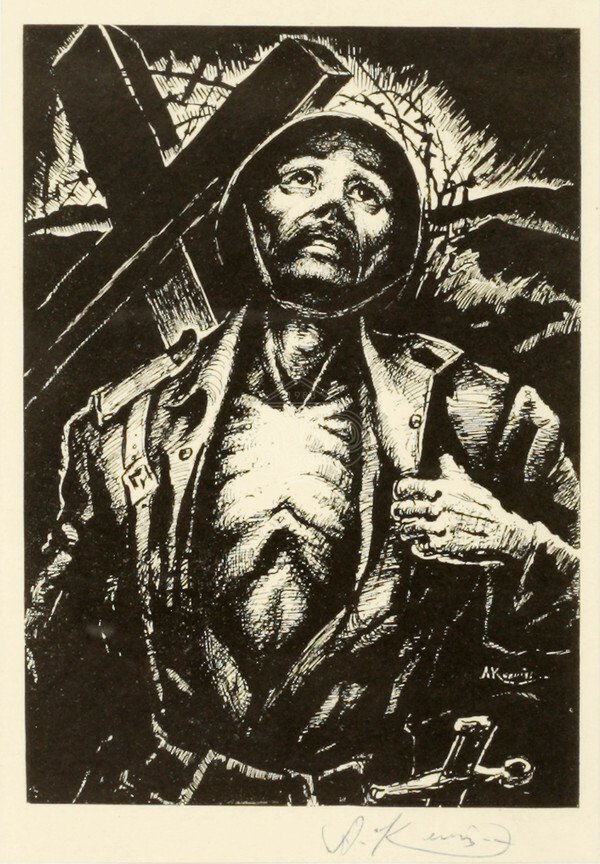
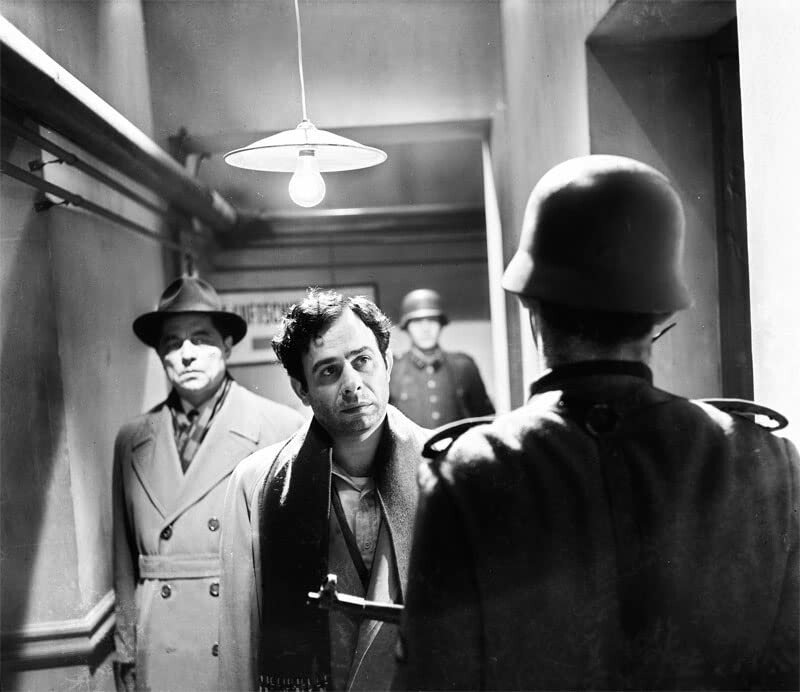
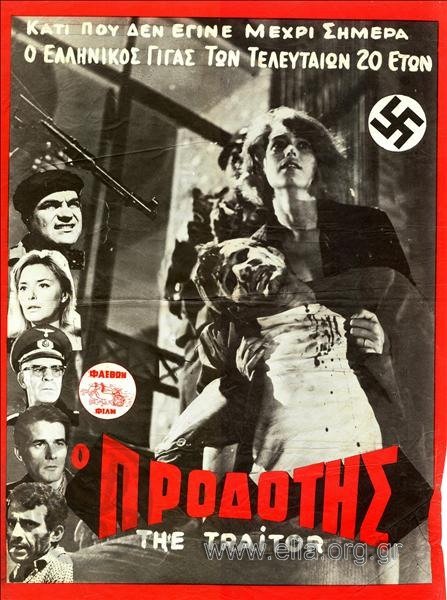
Many of the images depict places of exile, sites of torture, the execution of resistance fighters, traitors and collaborators (Nazi sympathizers), prisons, women in the resistance, and trains bound for Auschwitz. It was a dark and difficult period, with profound consequences for the Greeks and the rest of the world—a period that has left indelible scars, which persist to this day, affecting relations between Greeks and Germans, as well as between those who joined the resistance and those who collaborated with the occupiers.
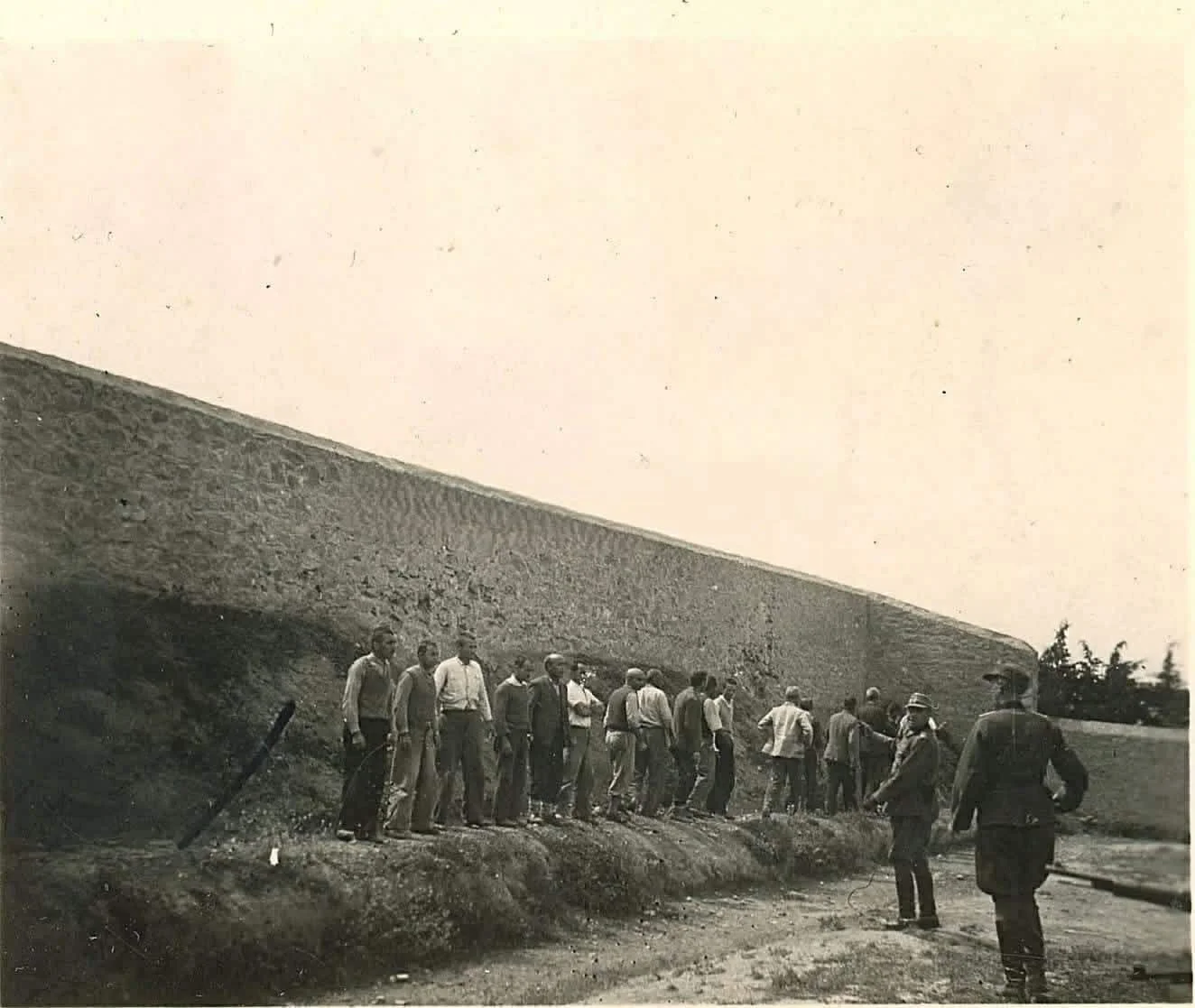
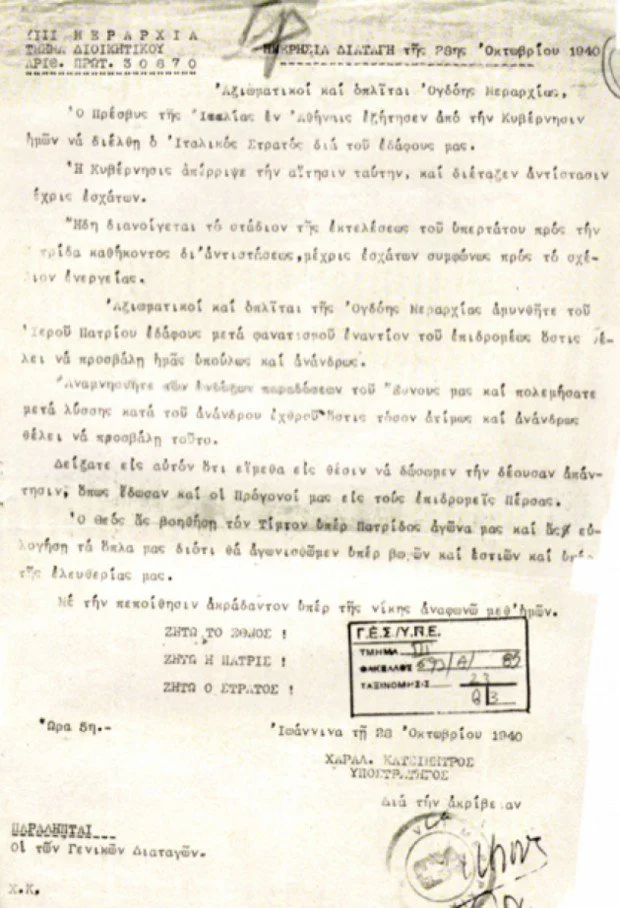
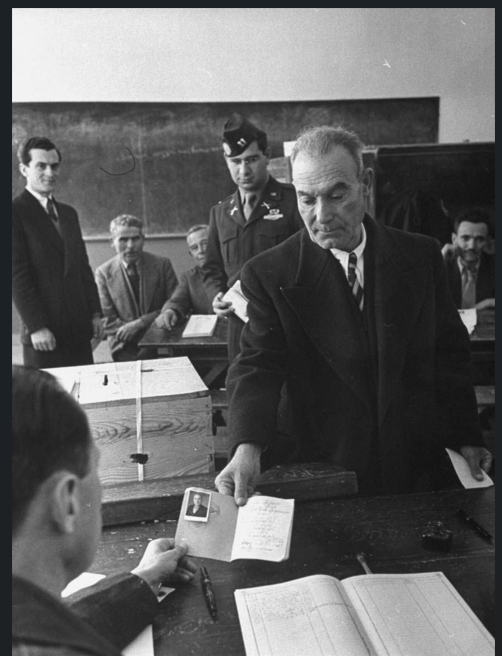
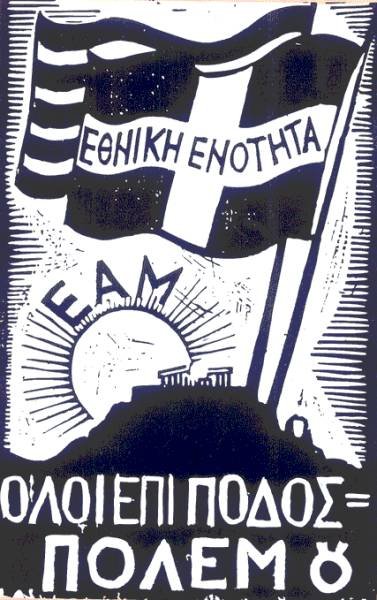
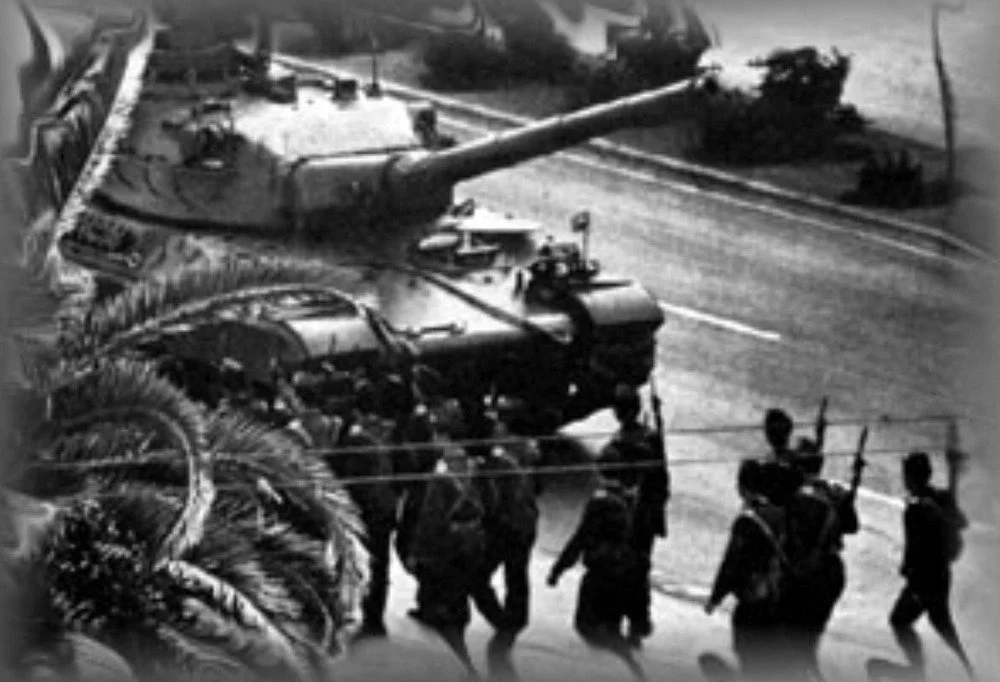
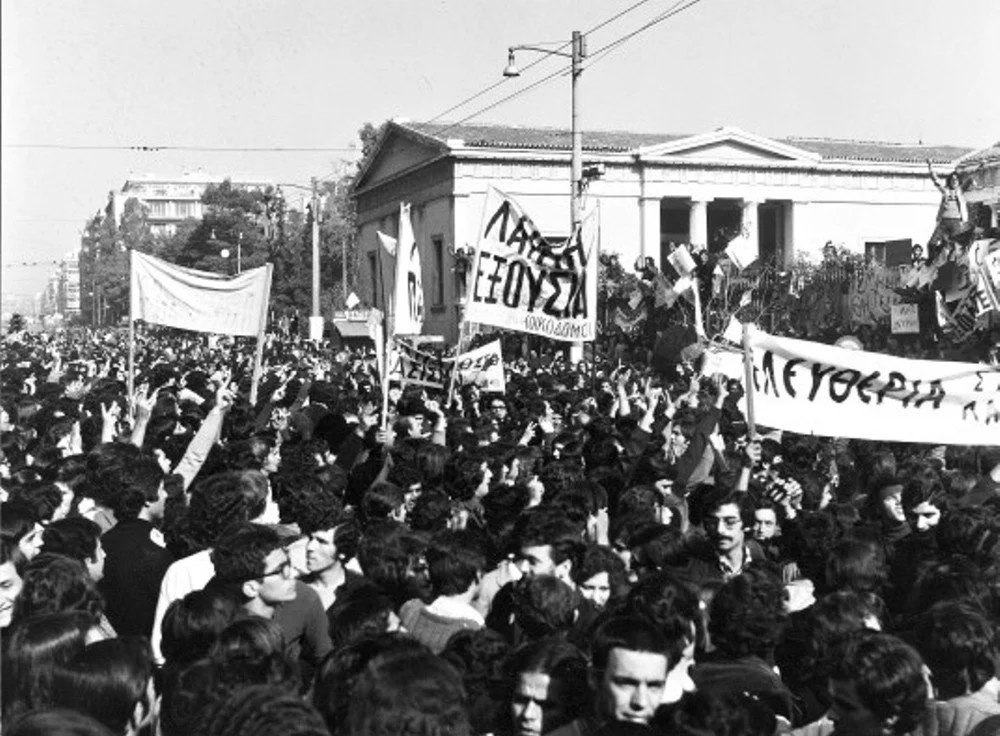
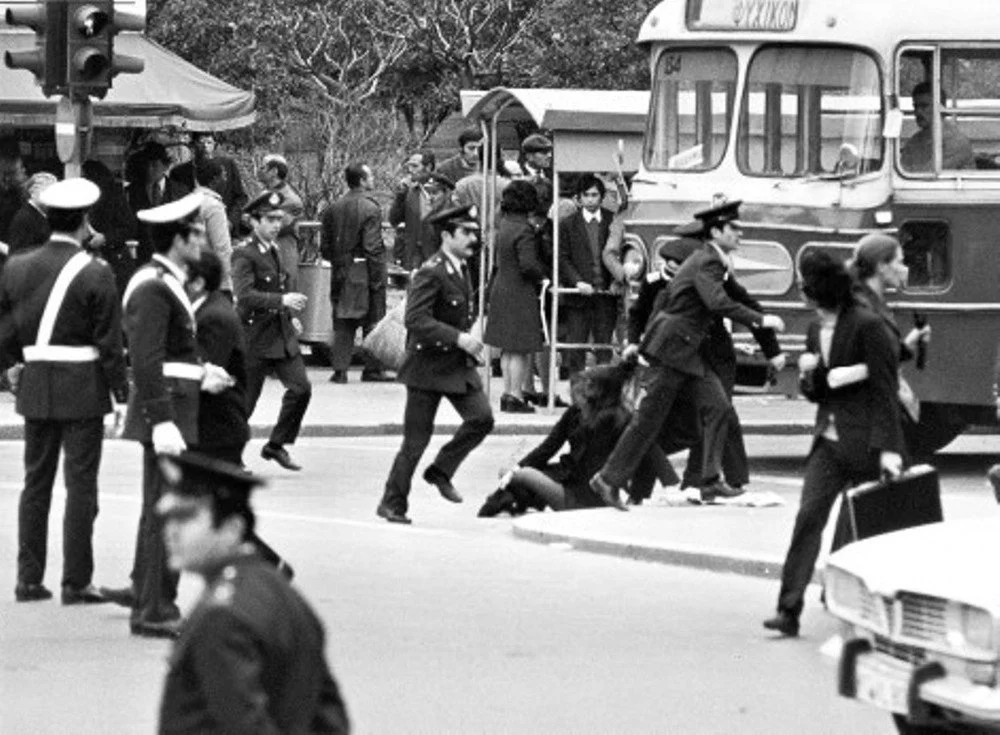
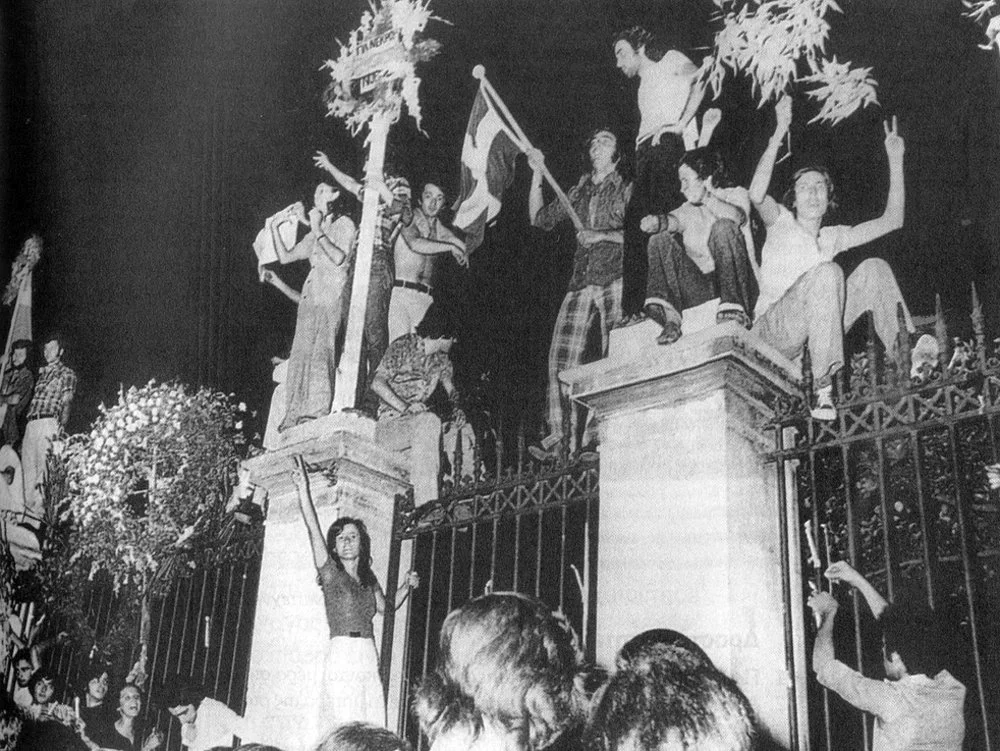
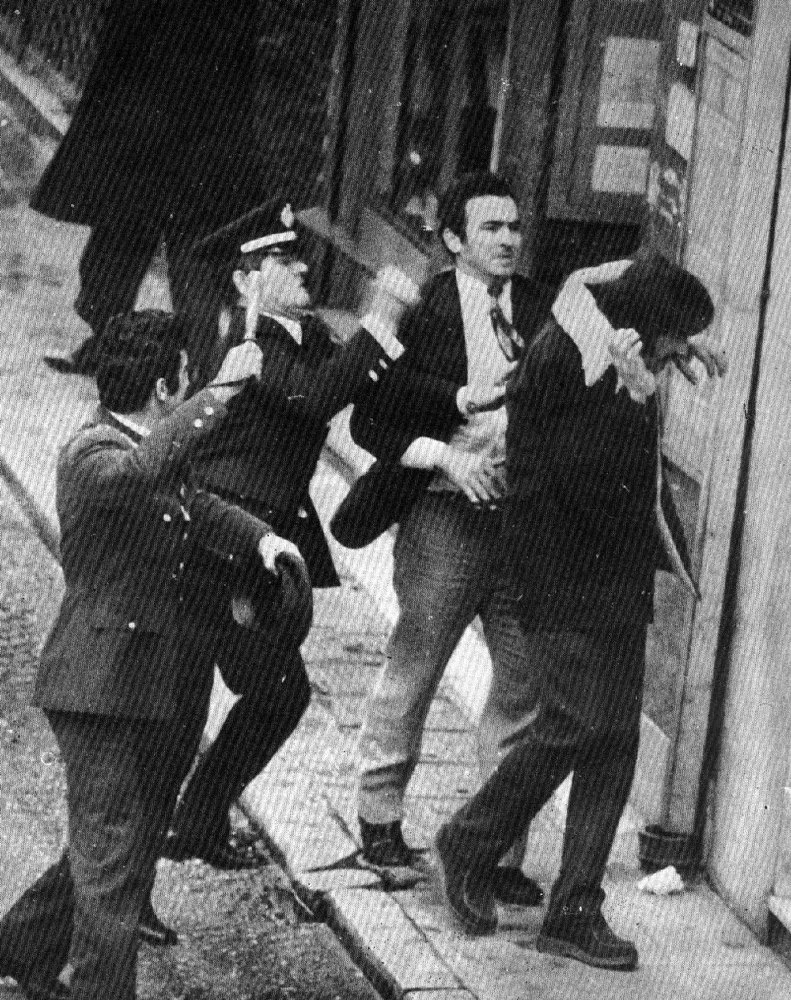
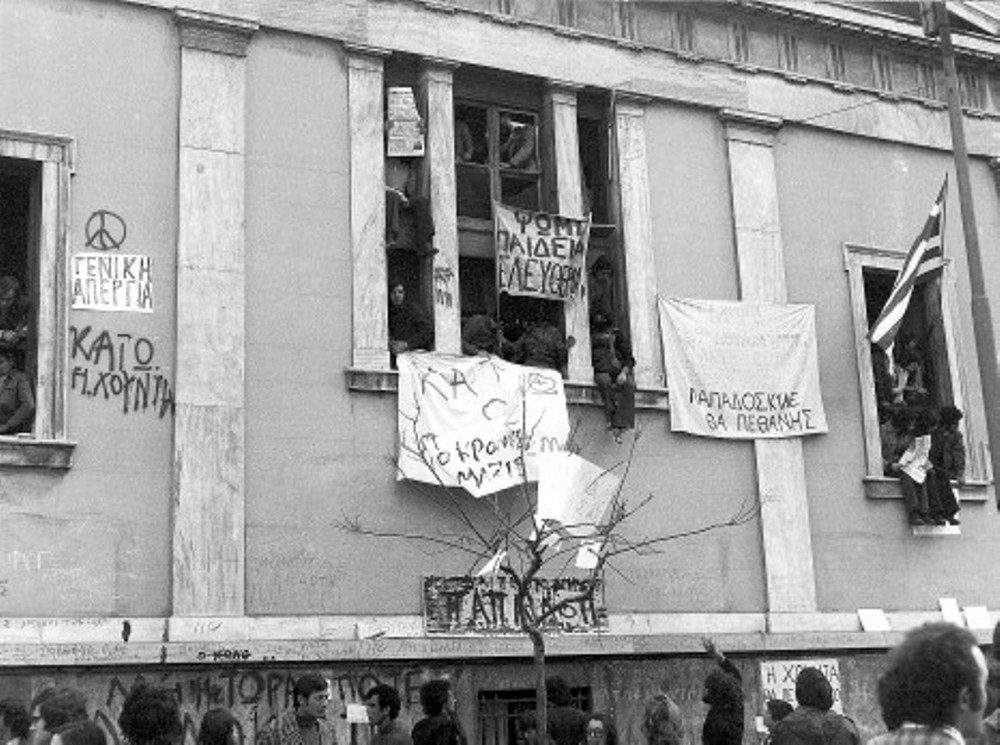
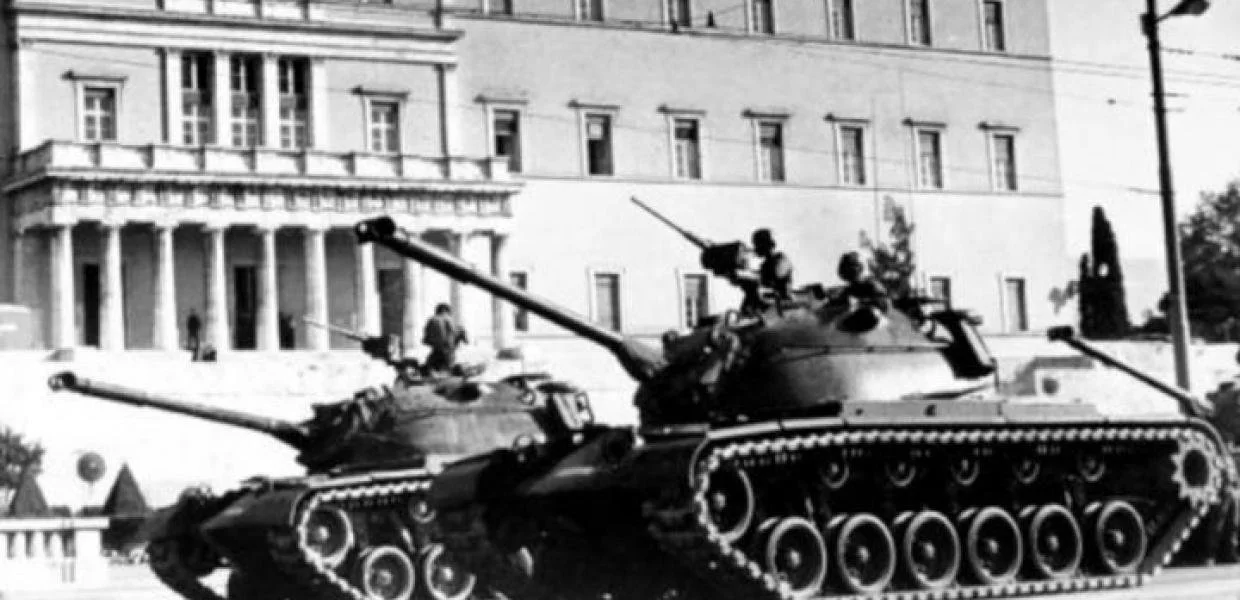
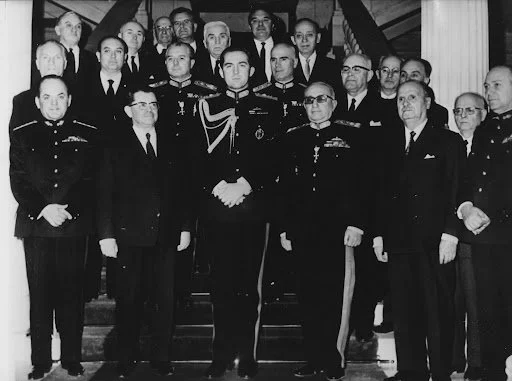
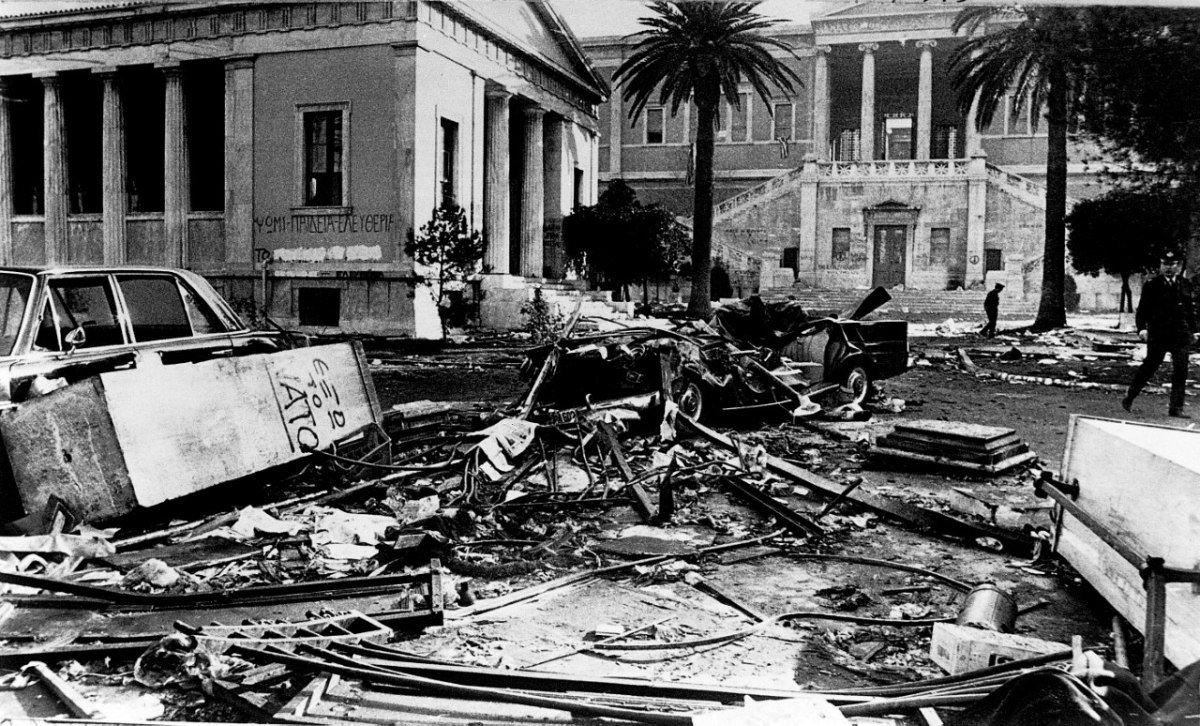
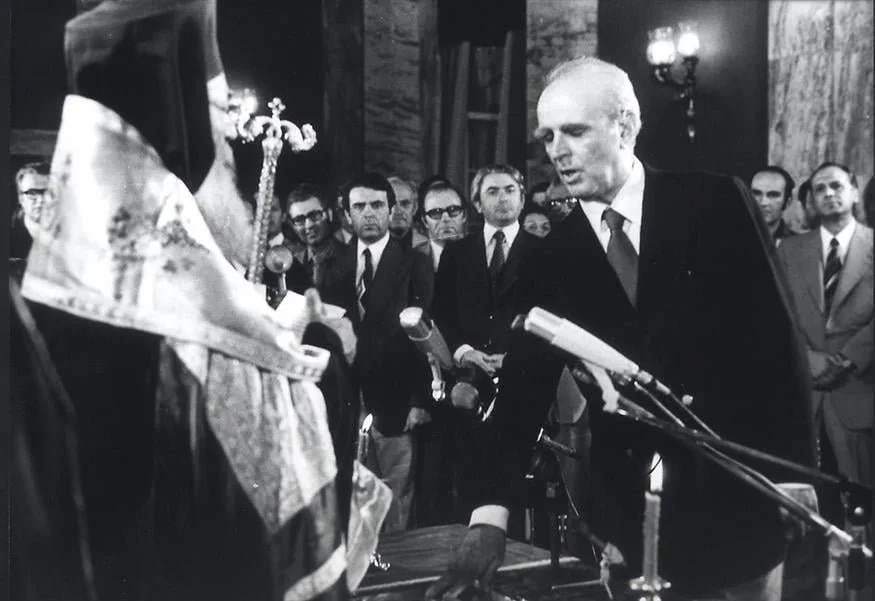
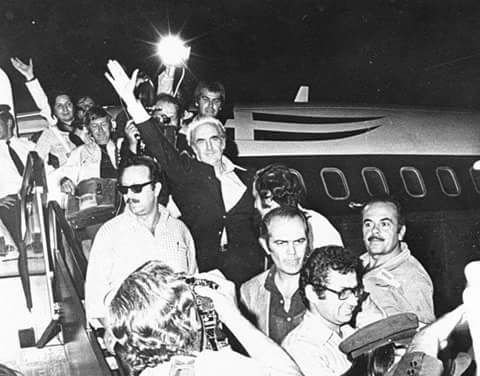
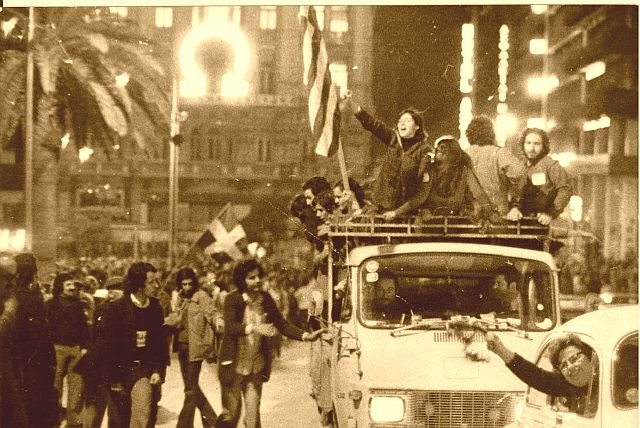
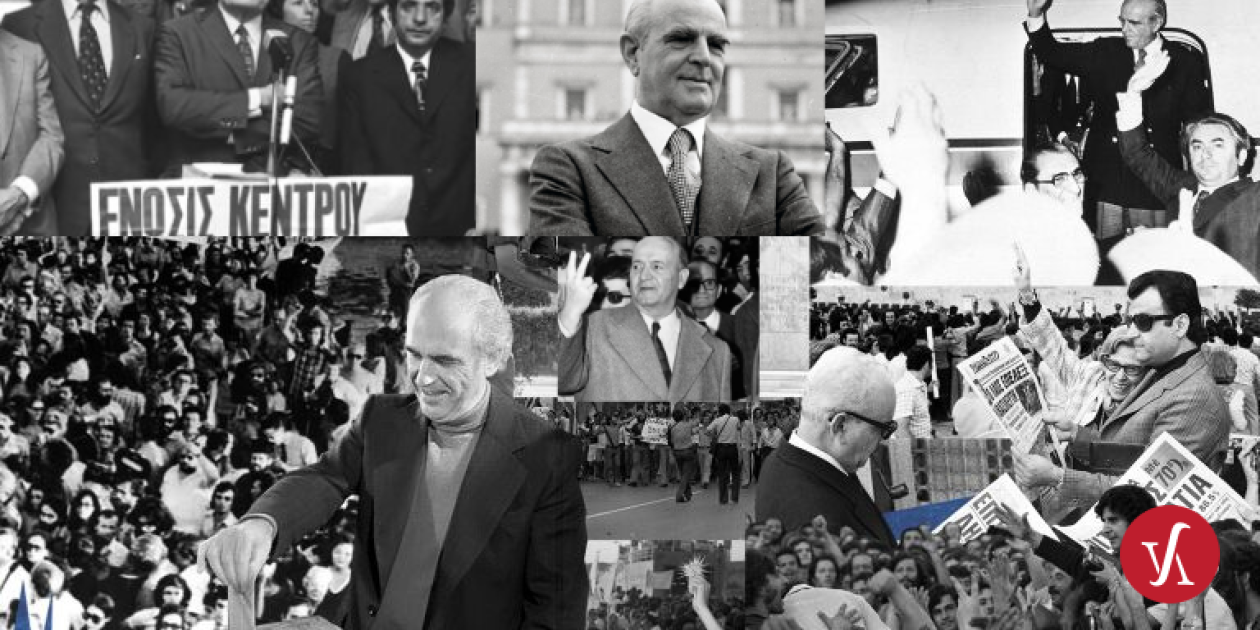
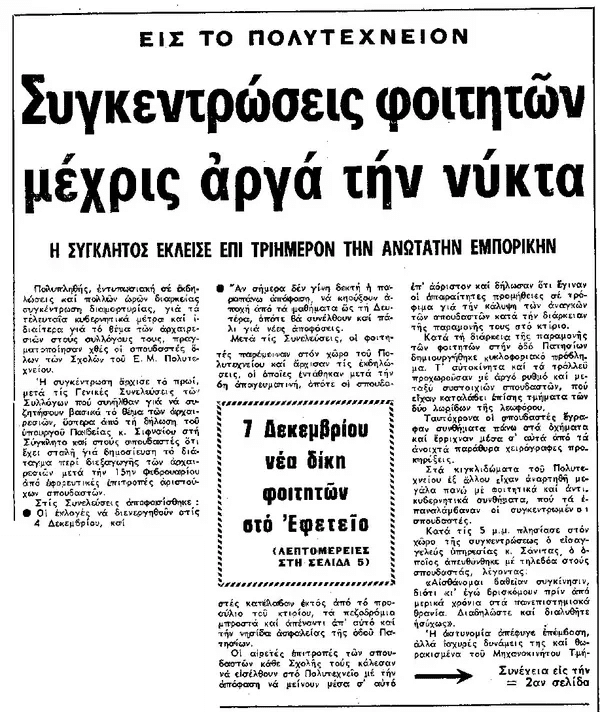
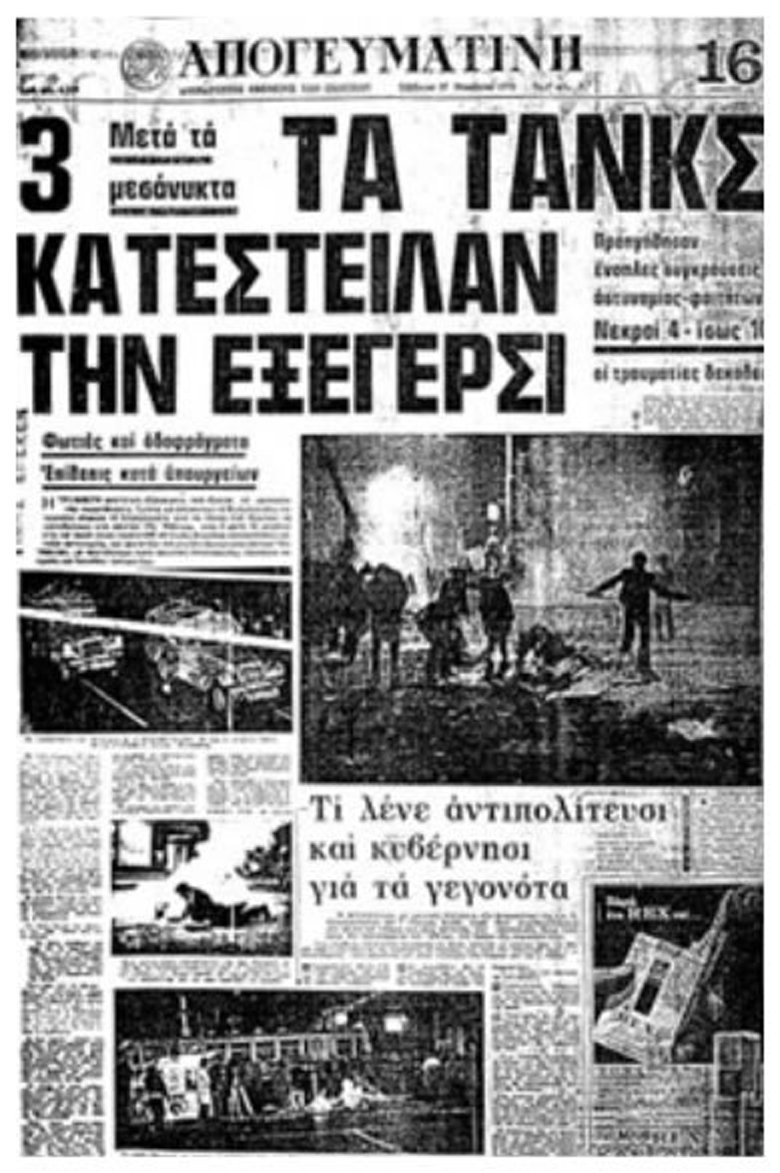
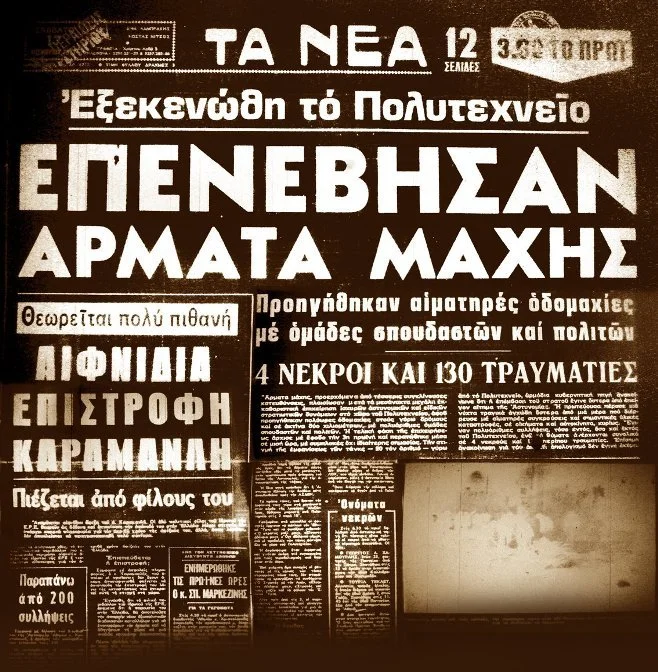
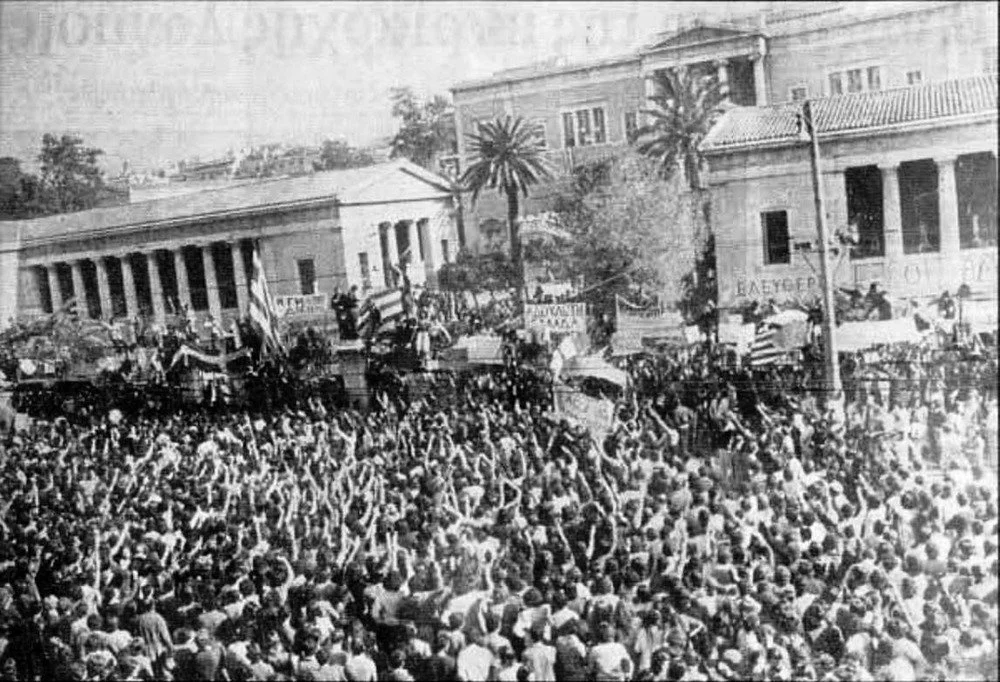
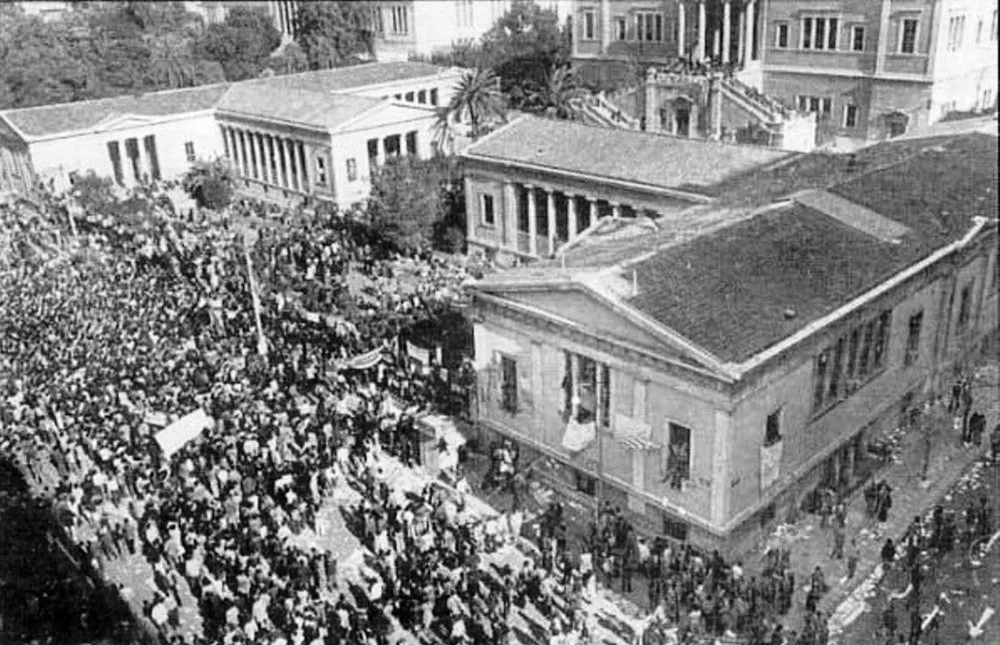
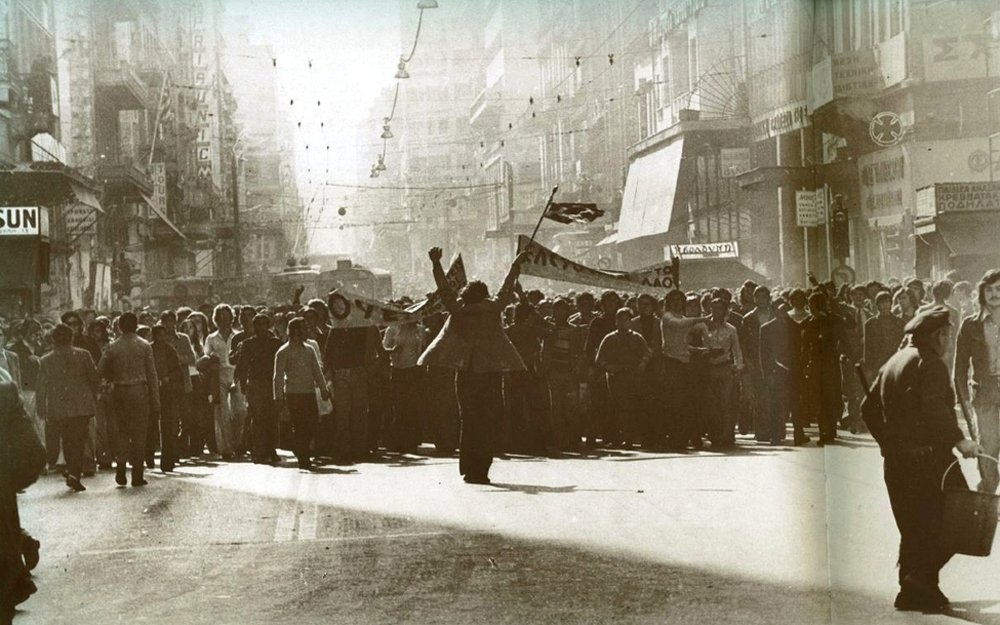
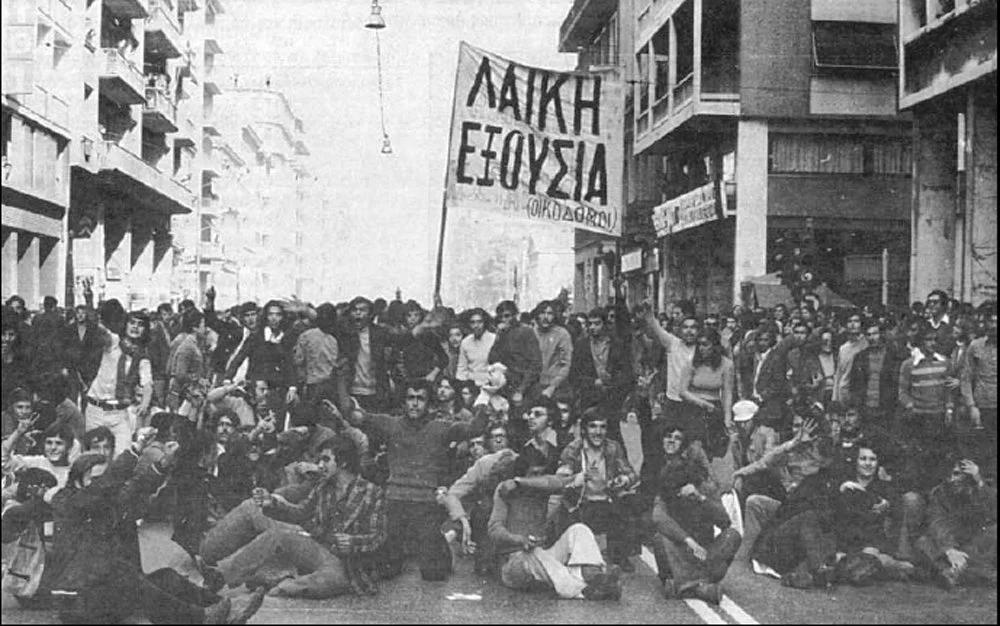
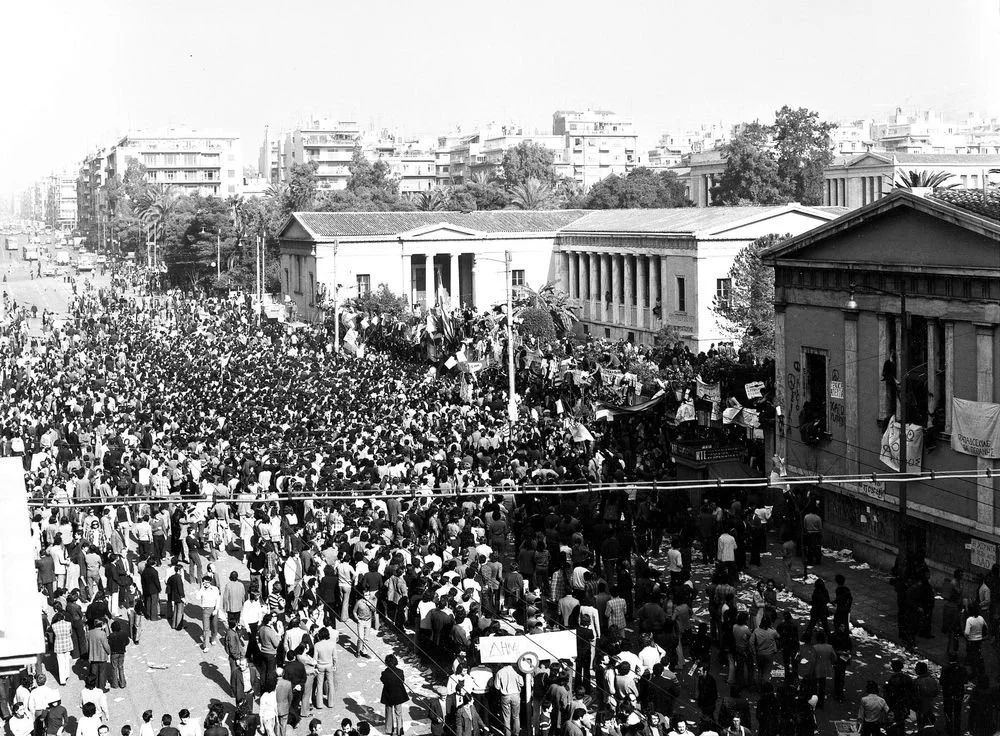
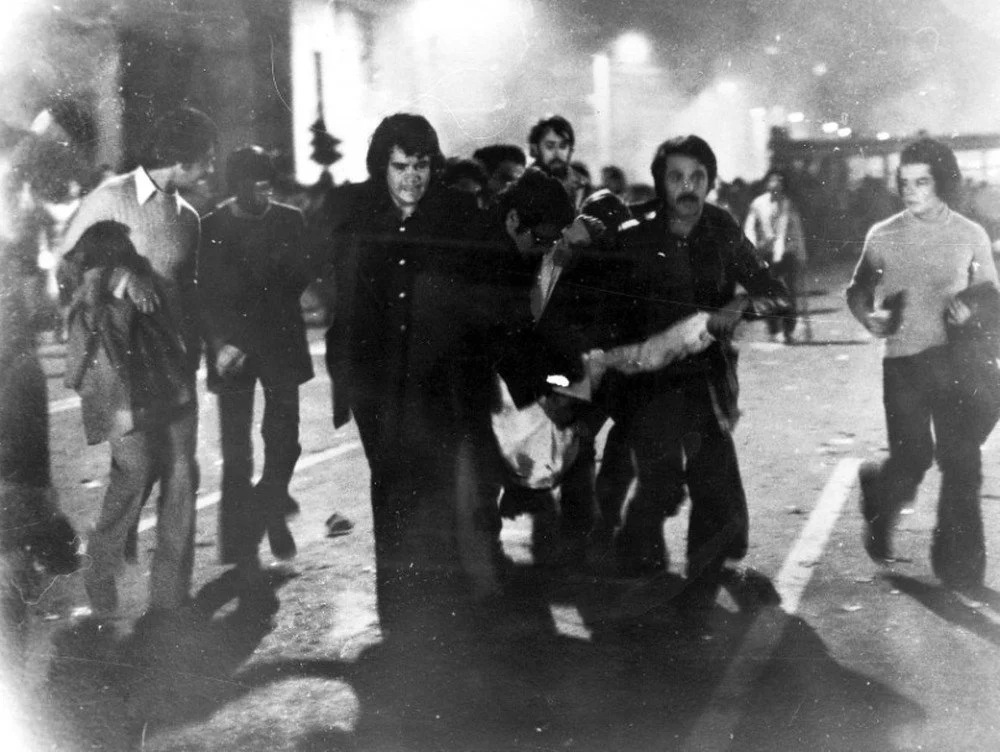
Military dictatorship (1967– 1973)
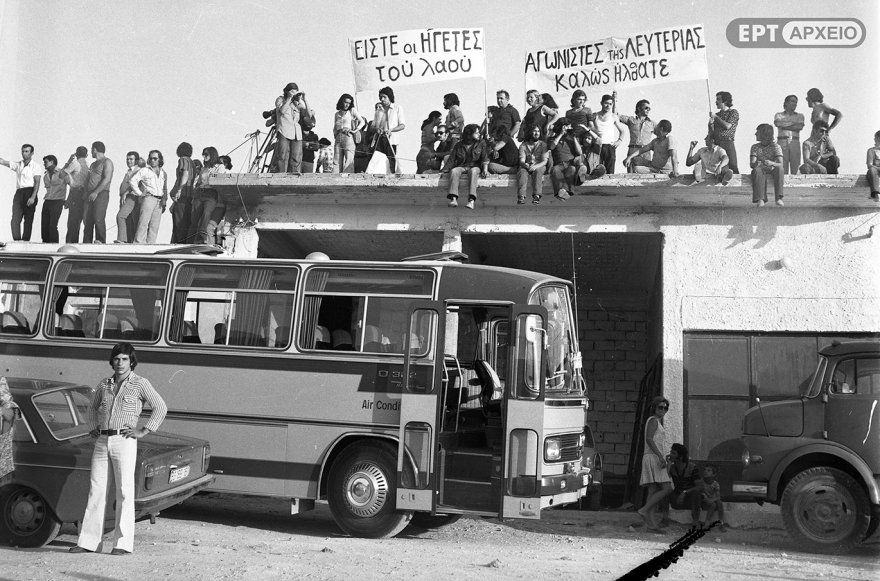
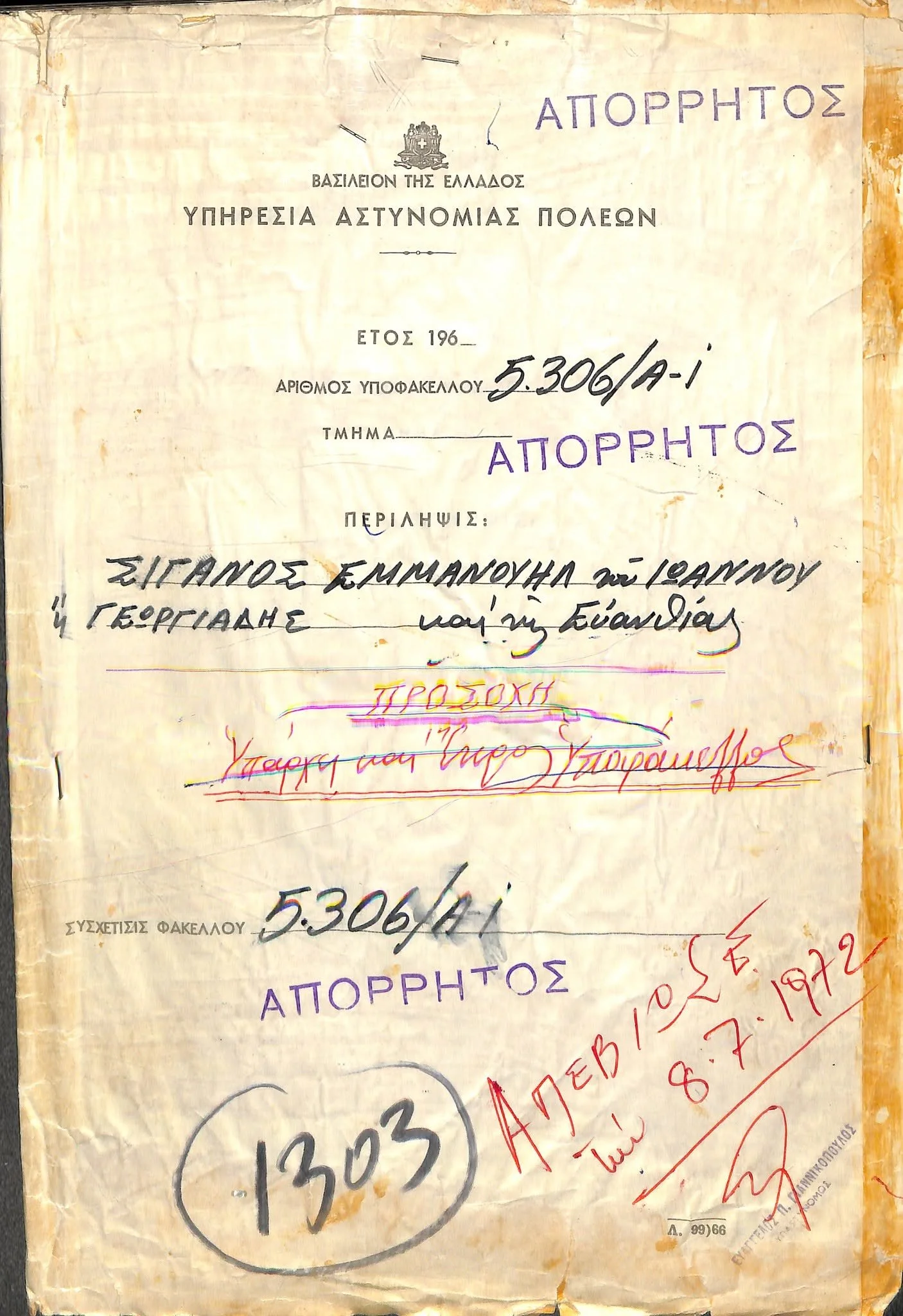
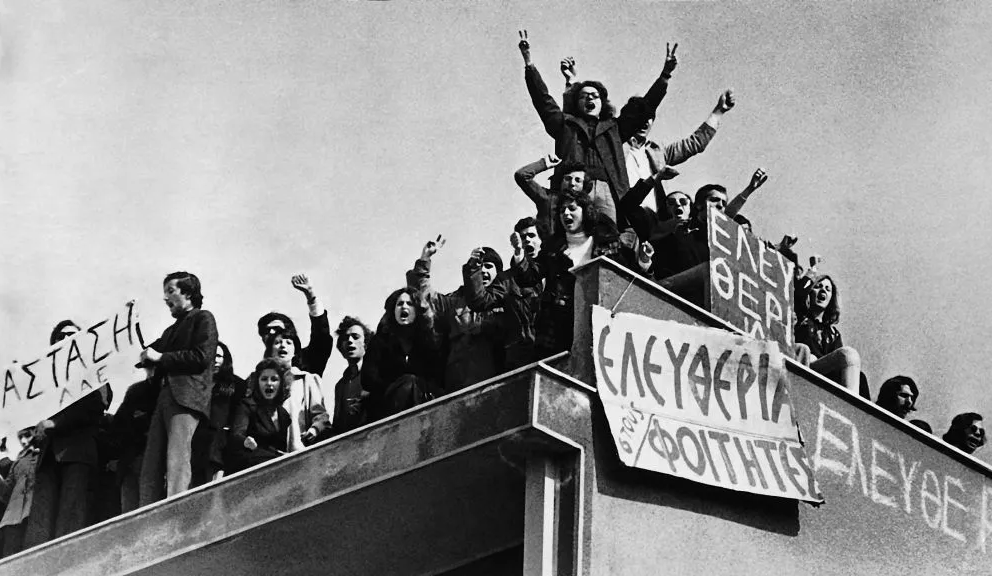
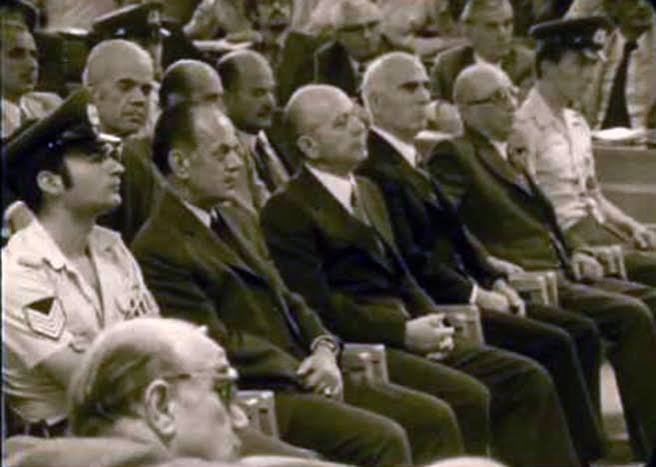
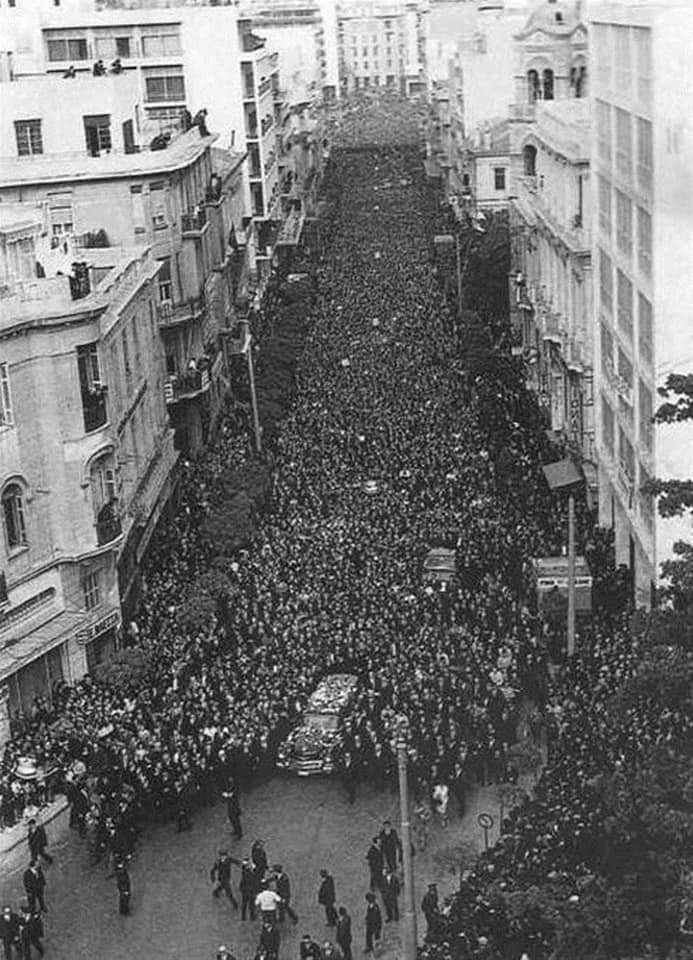
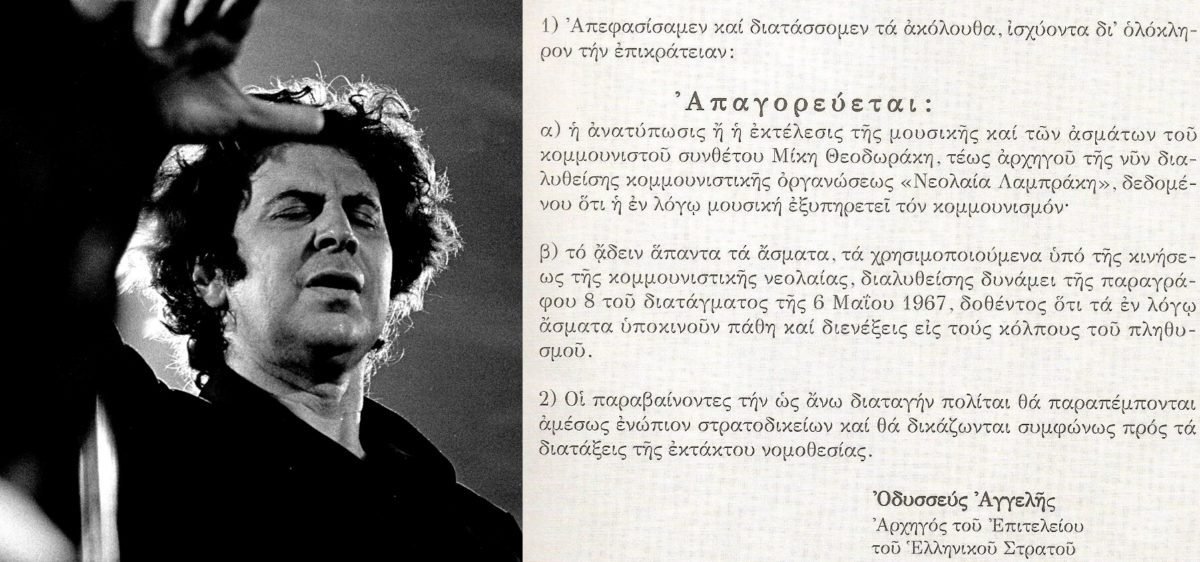
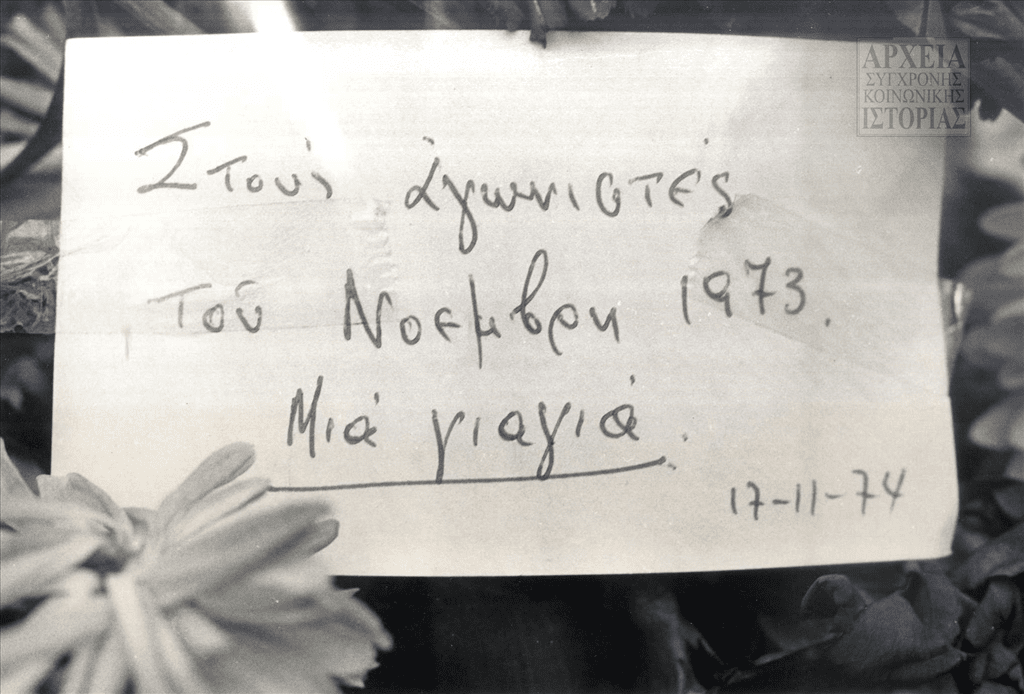
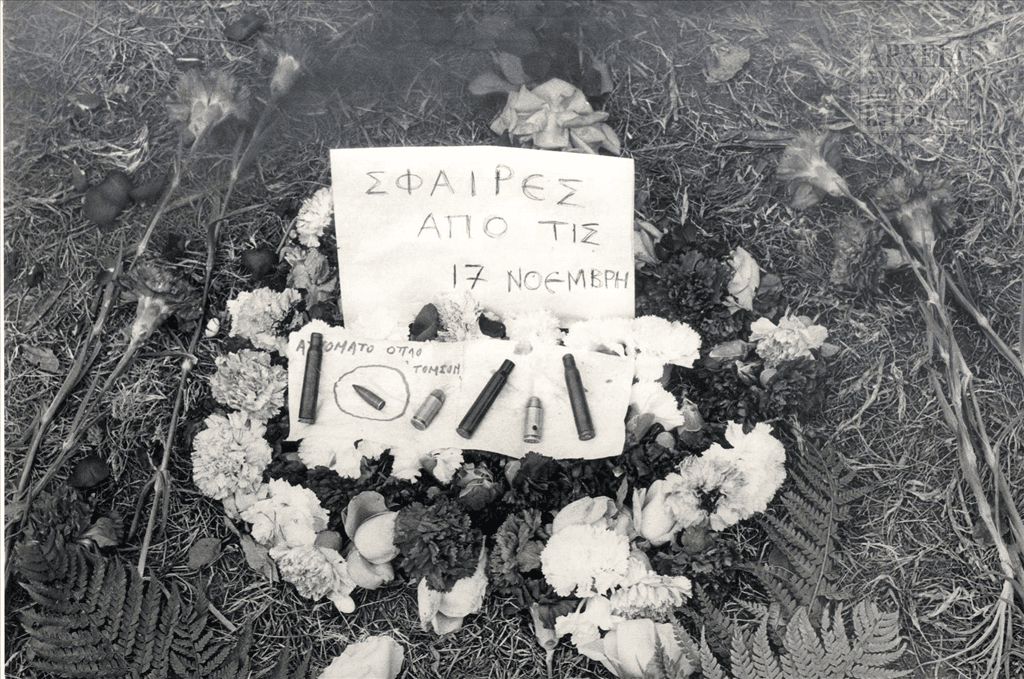
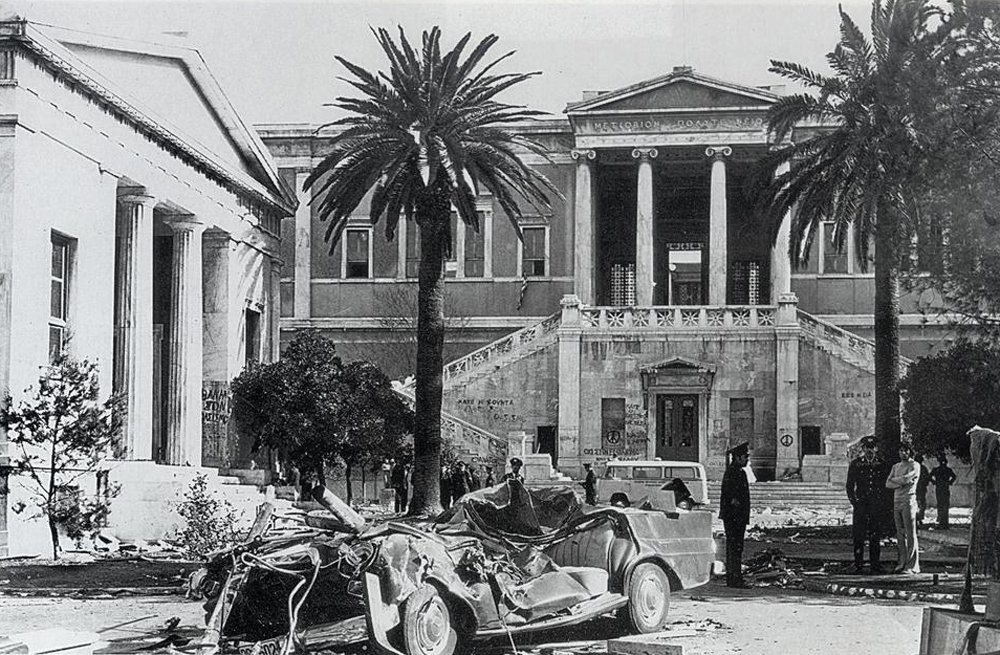
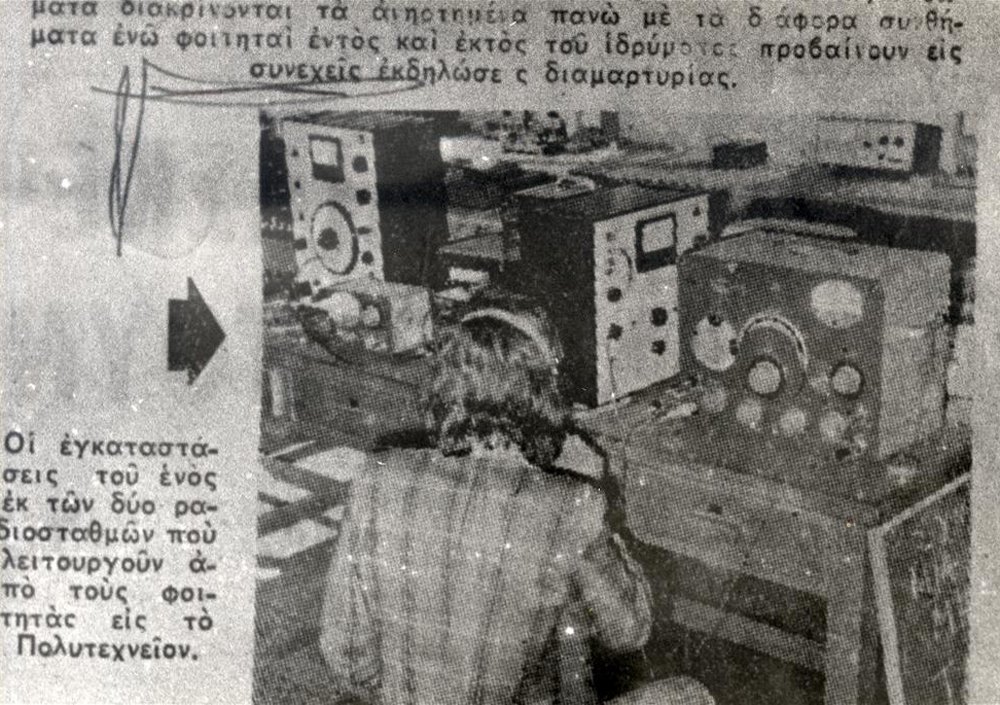
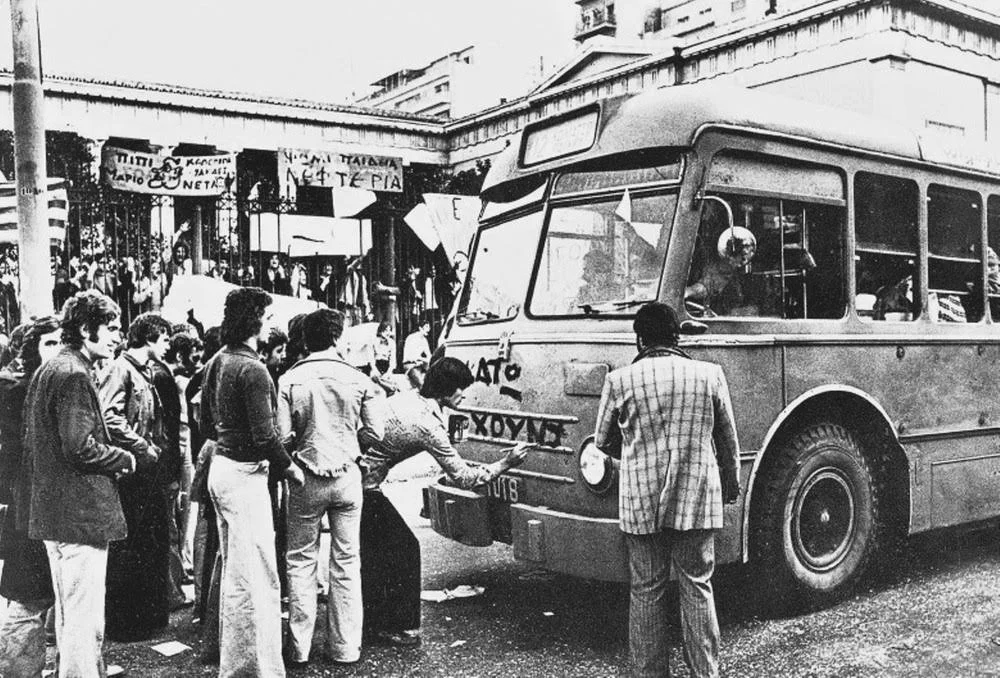
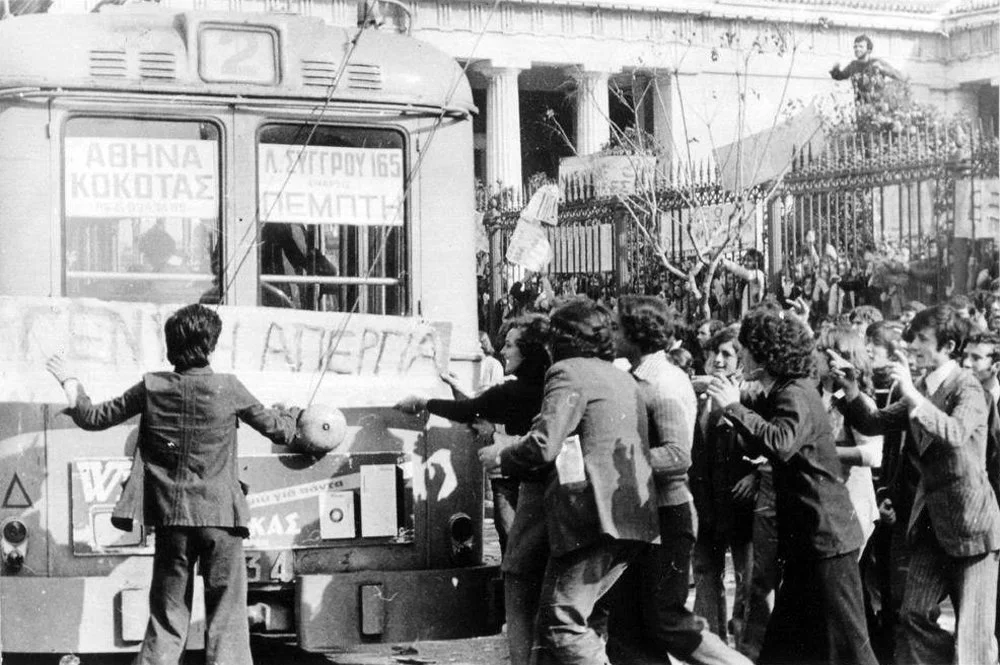
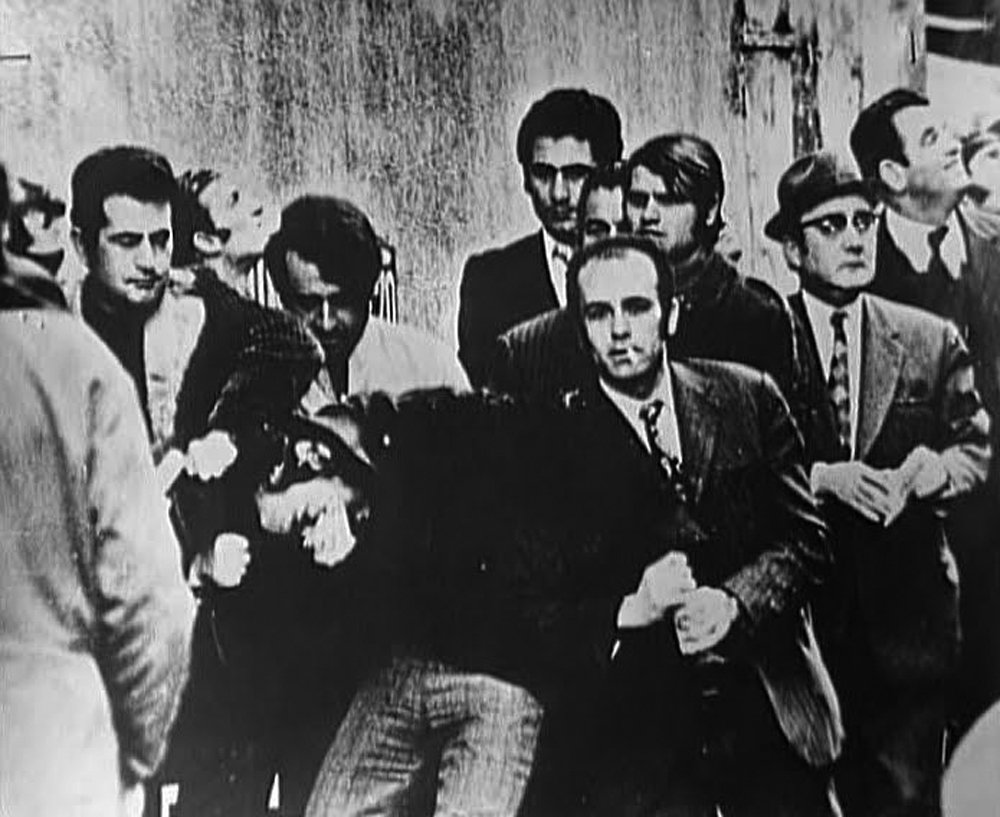
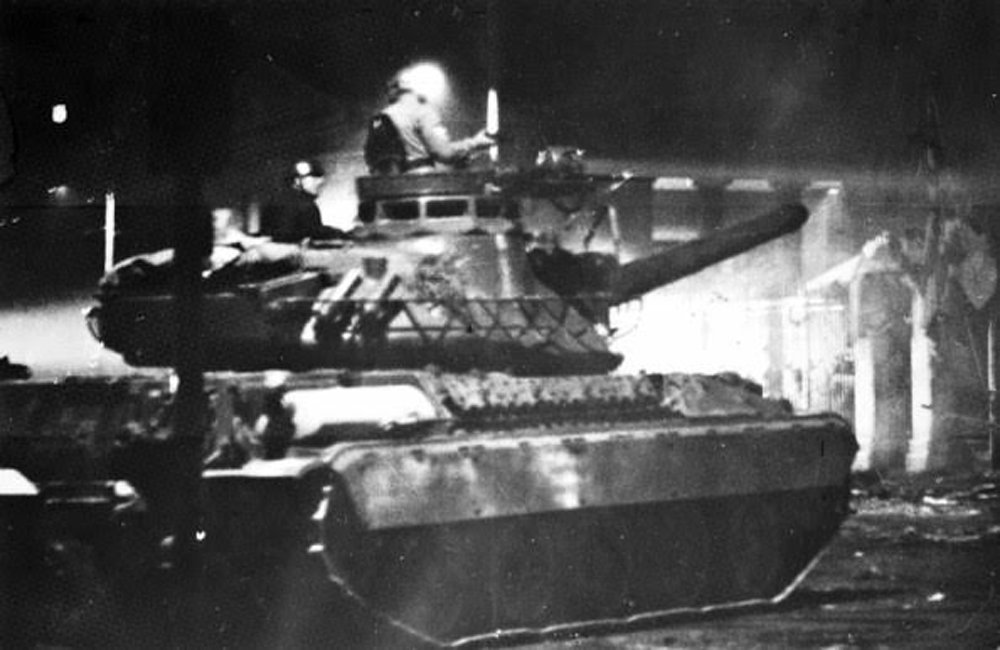
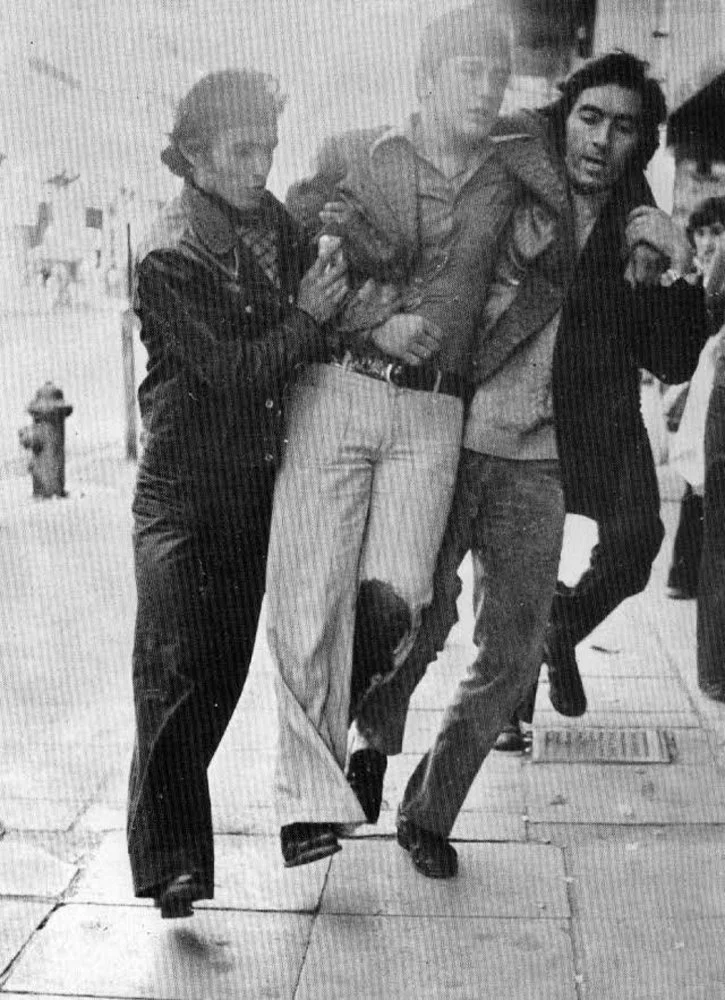
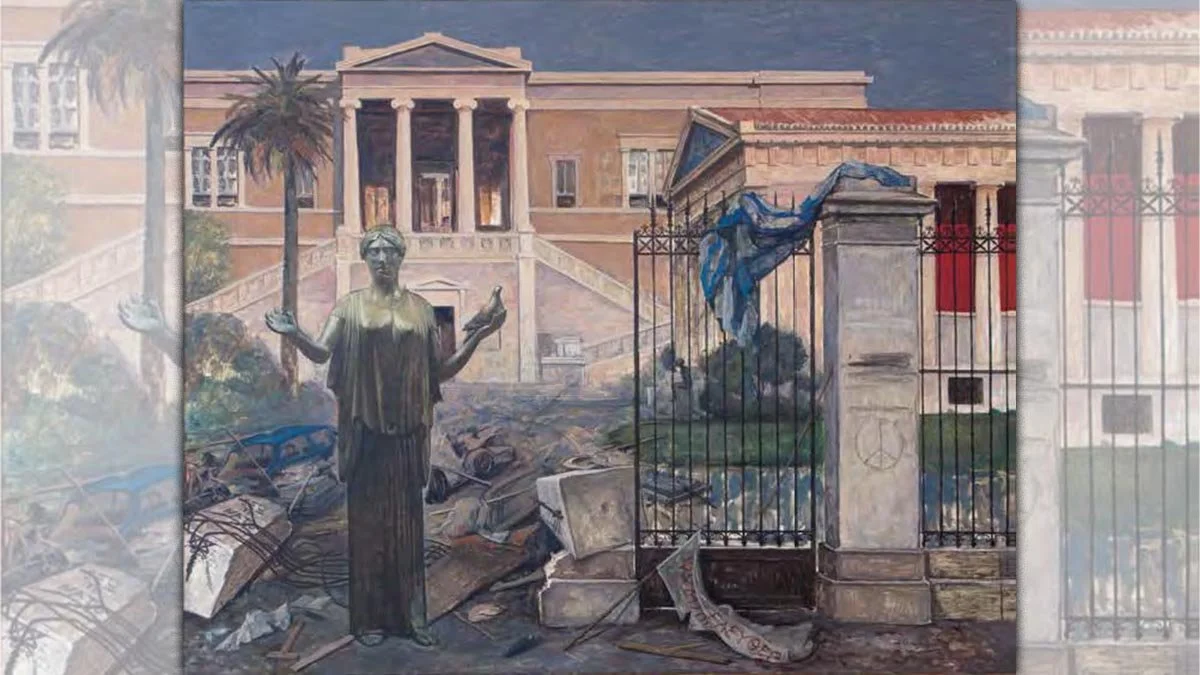
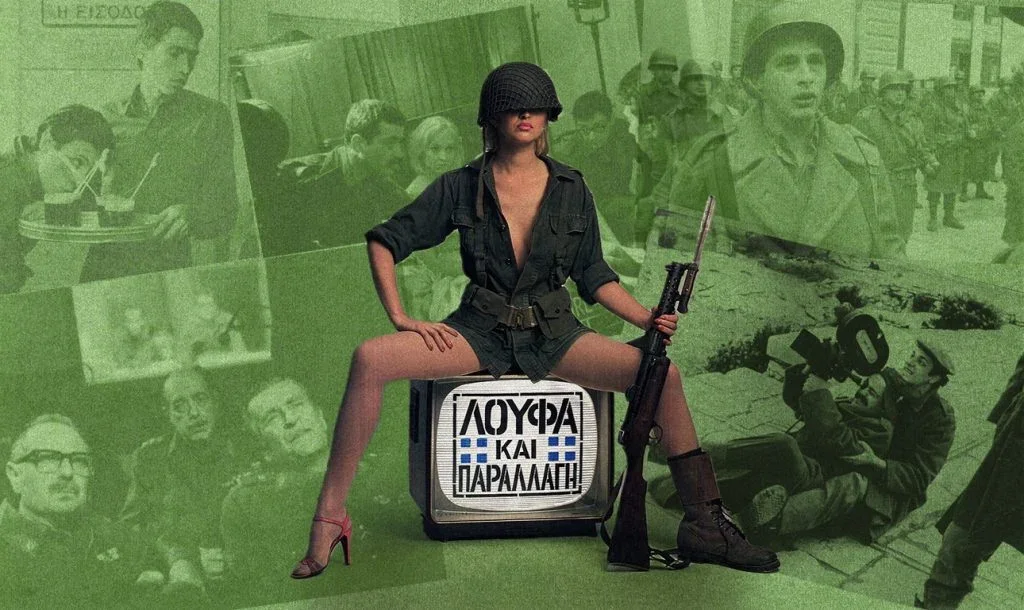
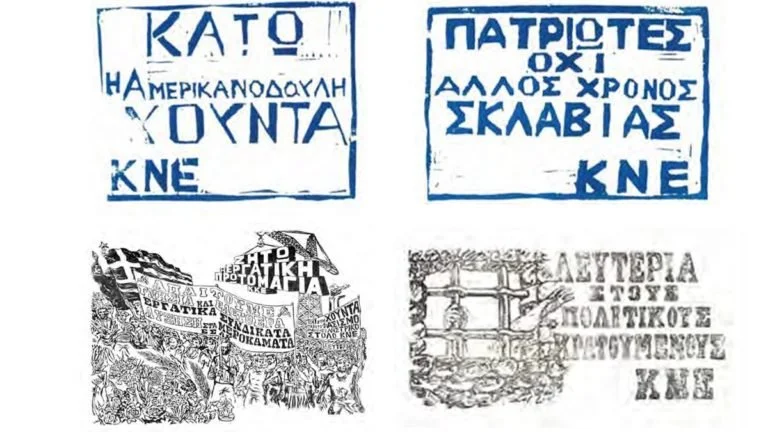
This era presents scenes similar to those of the previous period: military rule, prohibitions, censorship, prisons, places of exile, the arrest of resistance members, and a deep divide between those who supported the regime and those who resisted it.

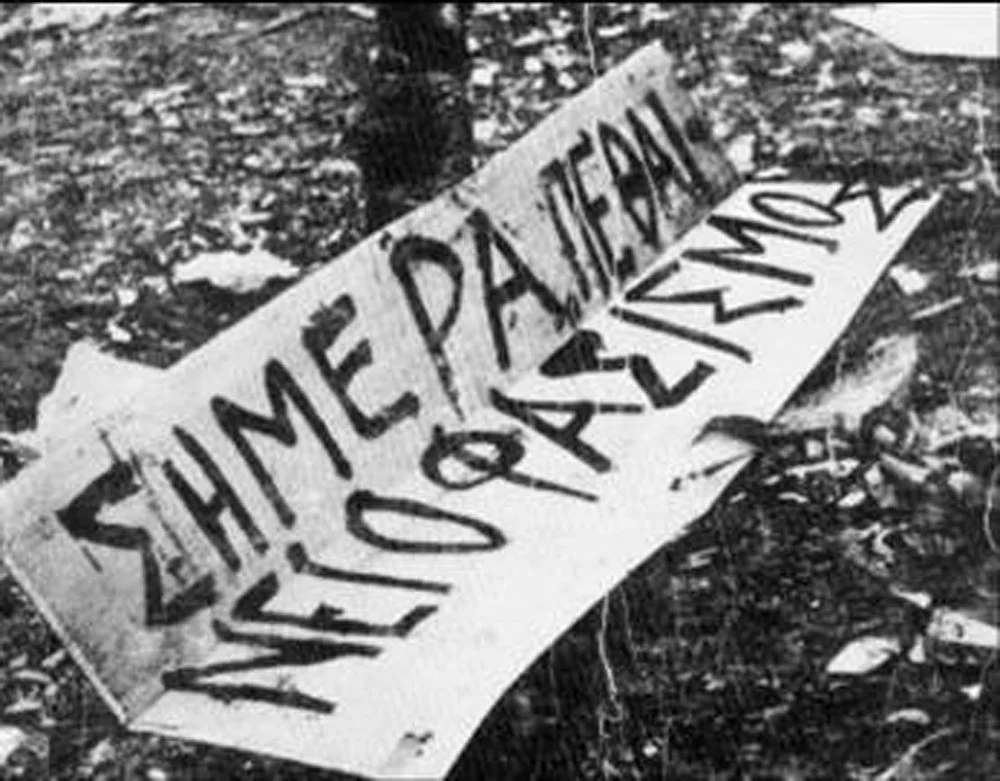
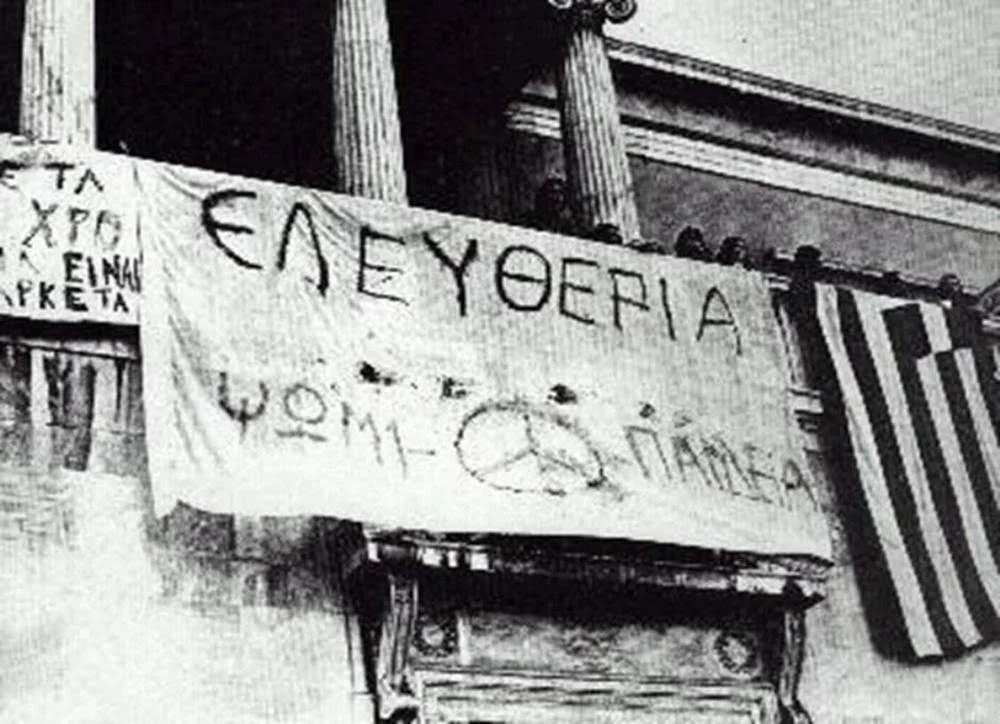
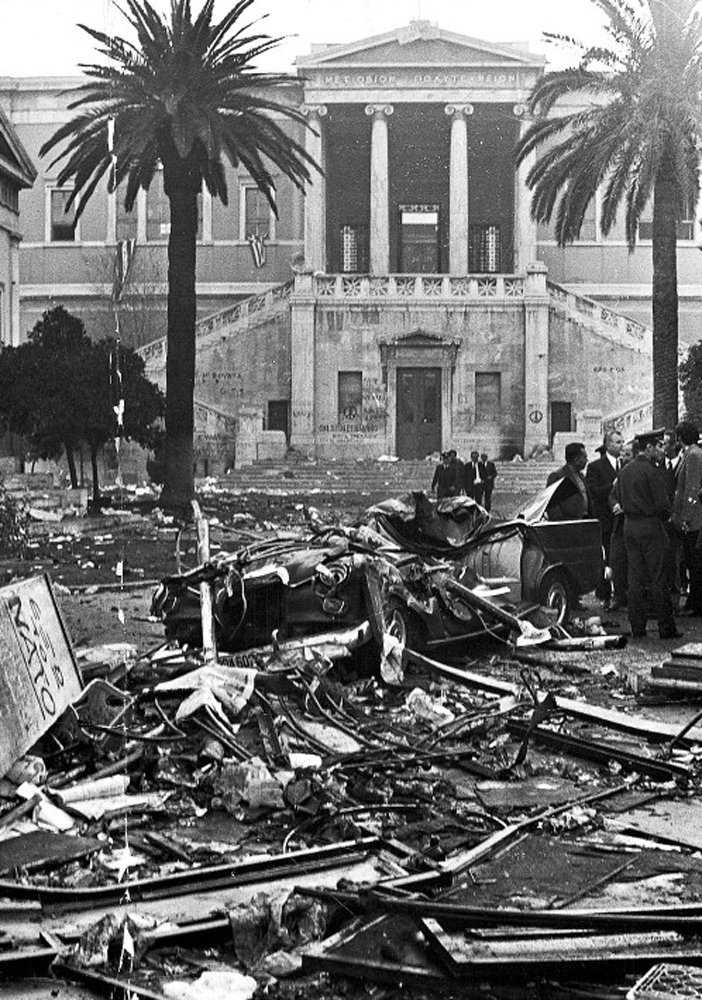
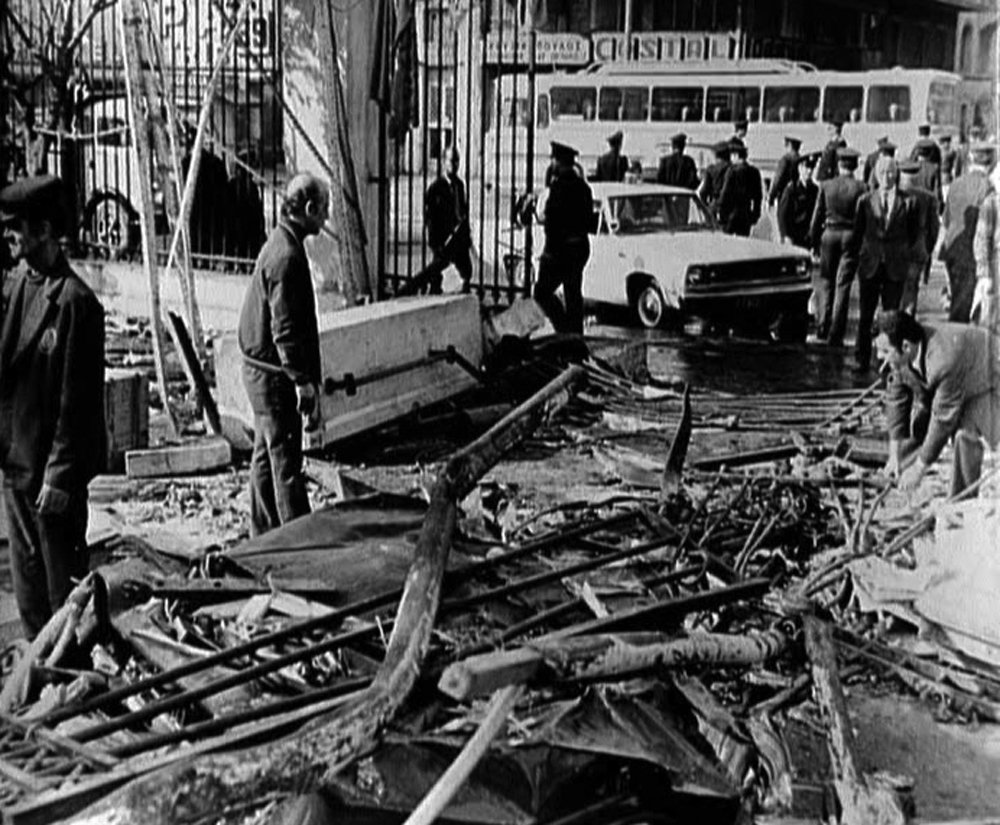
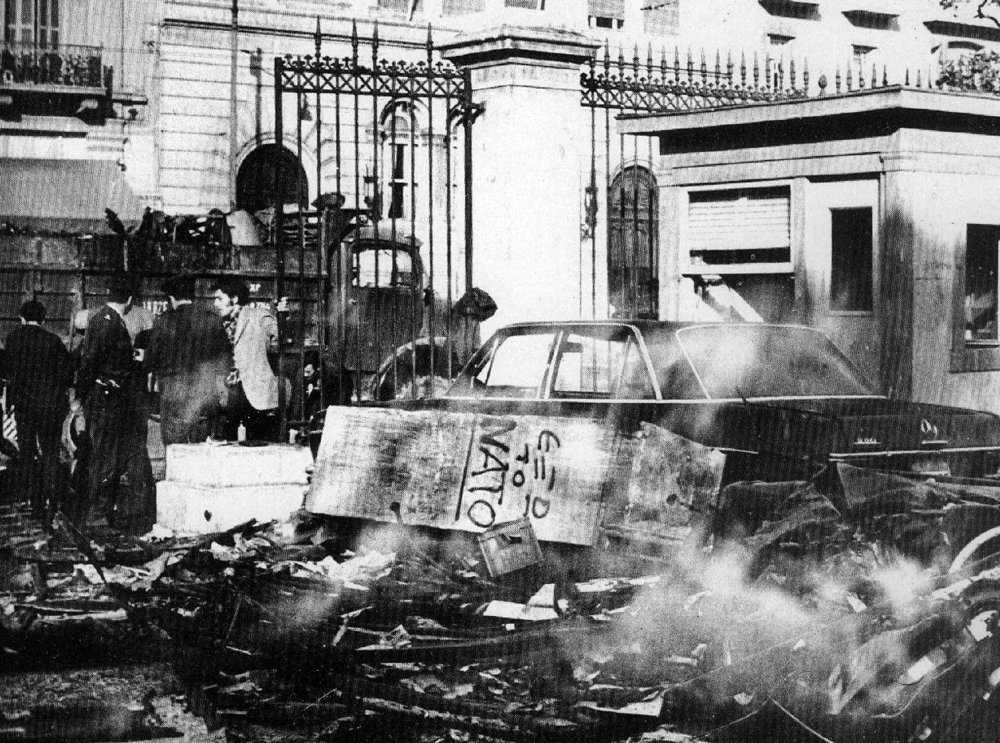
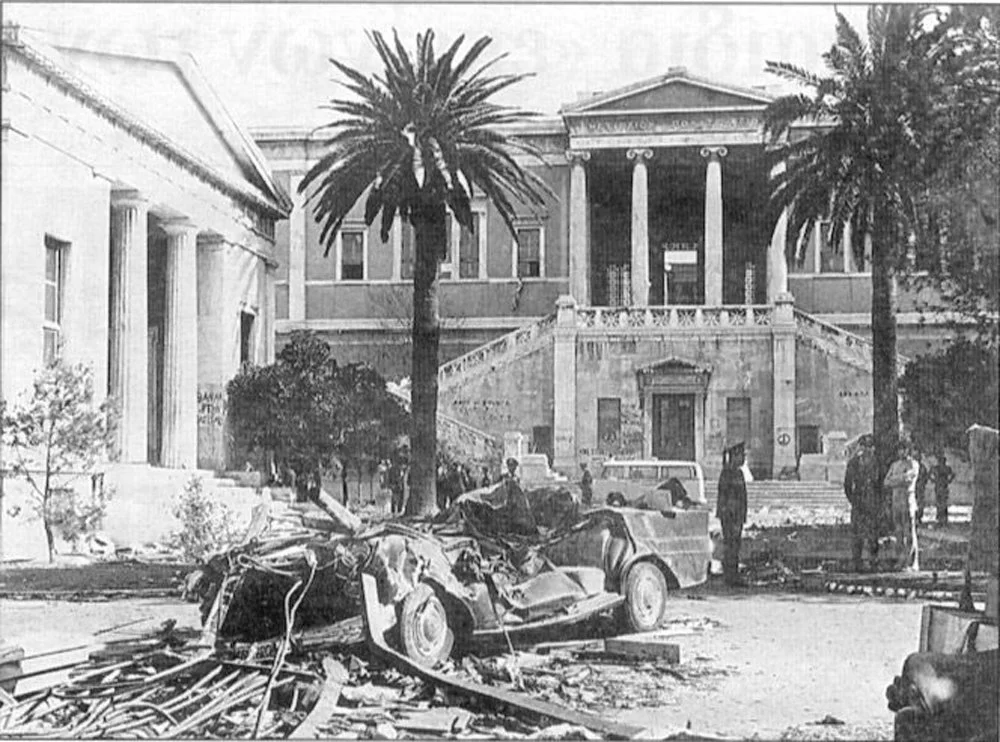
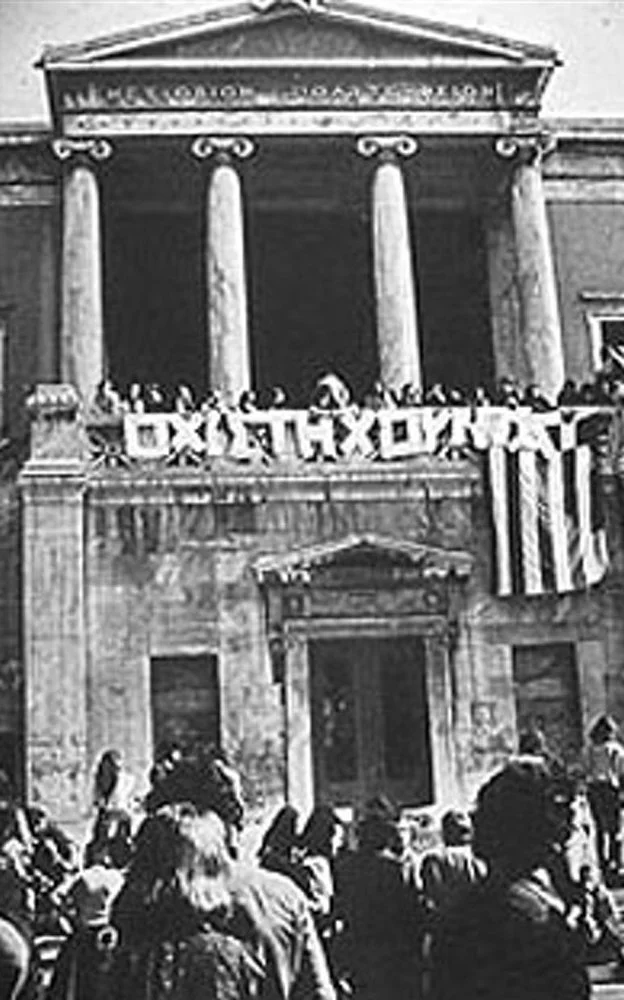
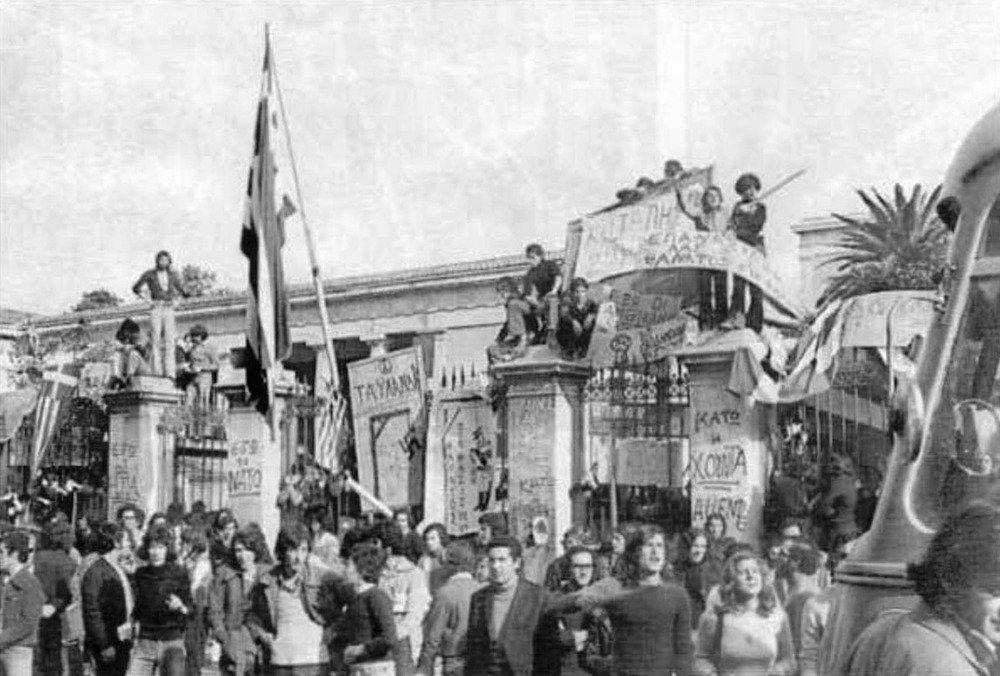
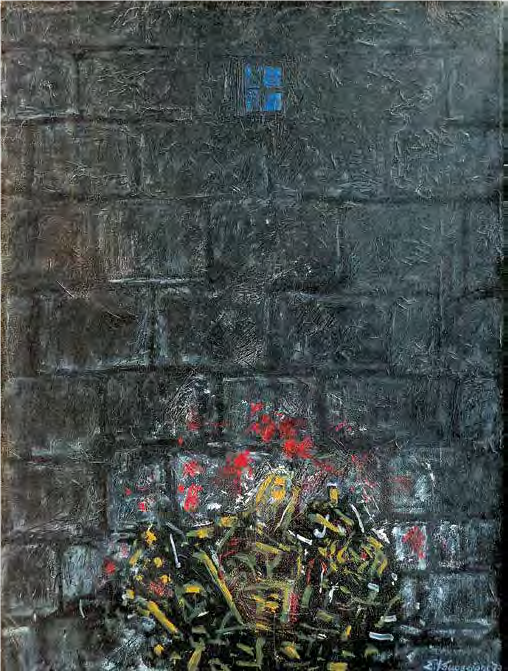
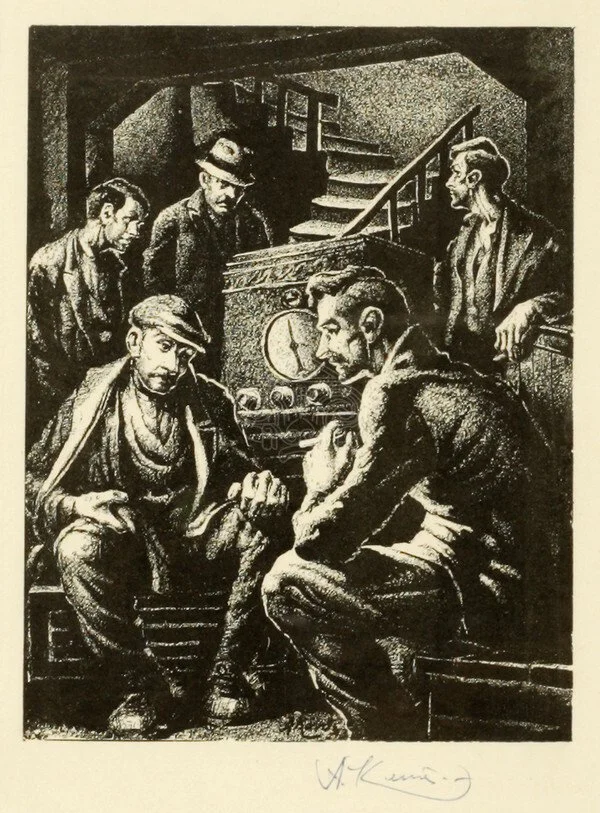
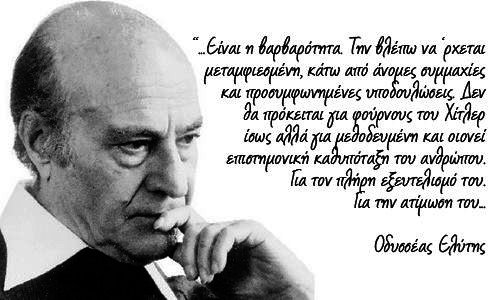
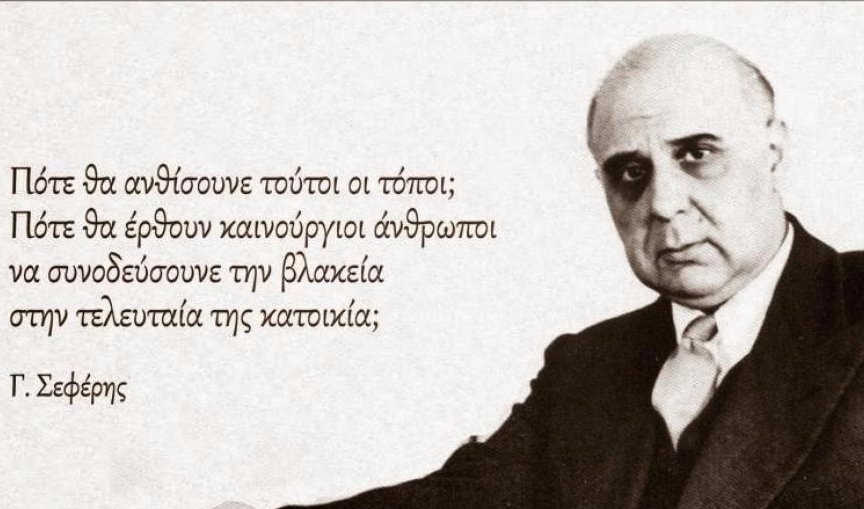
Art in Times of Hardship
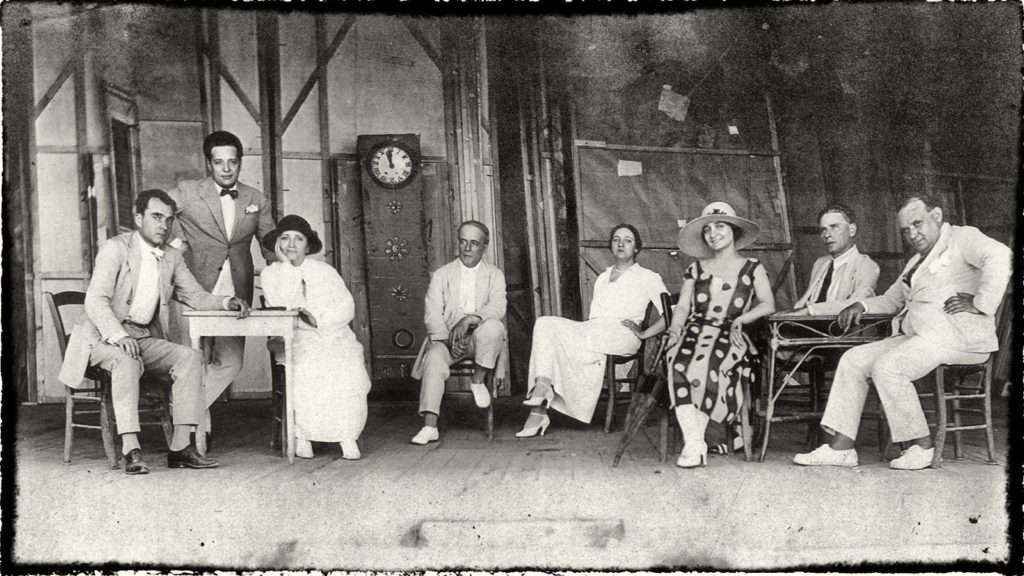
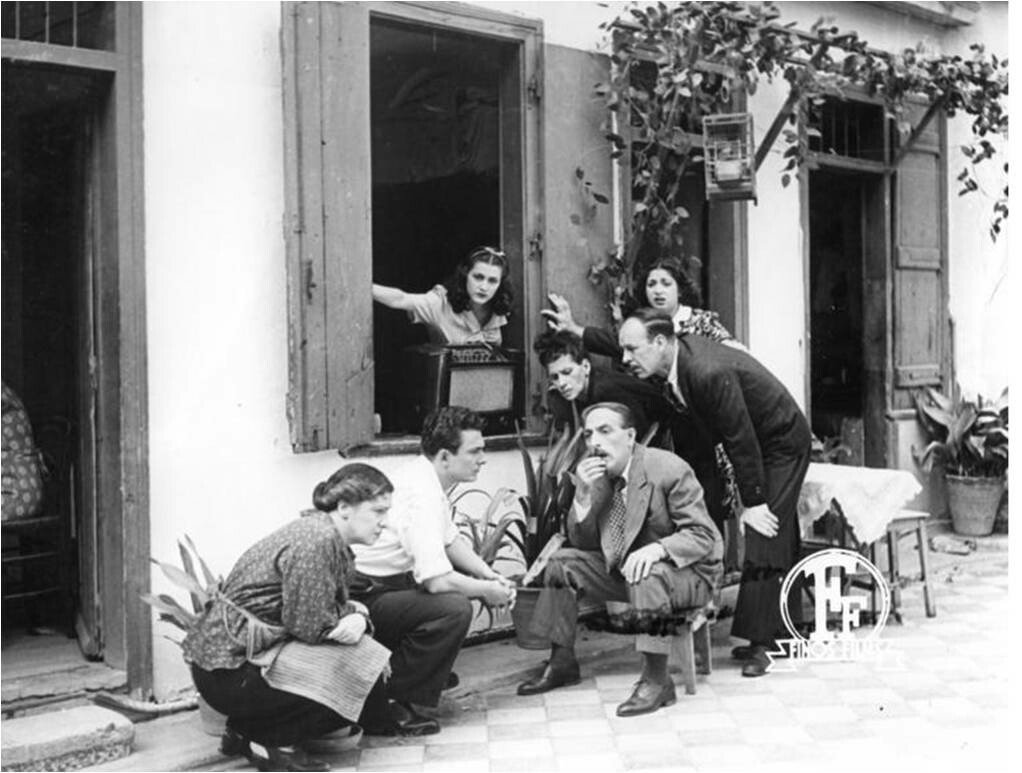
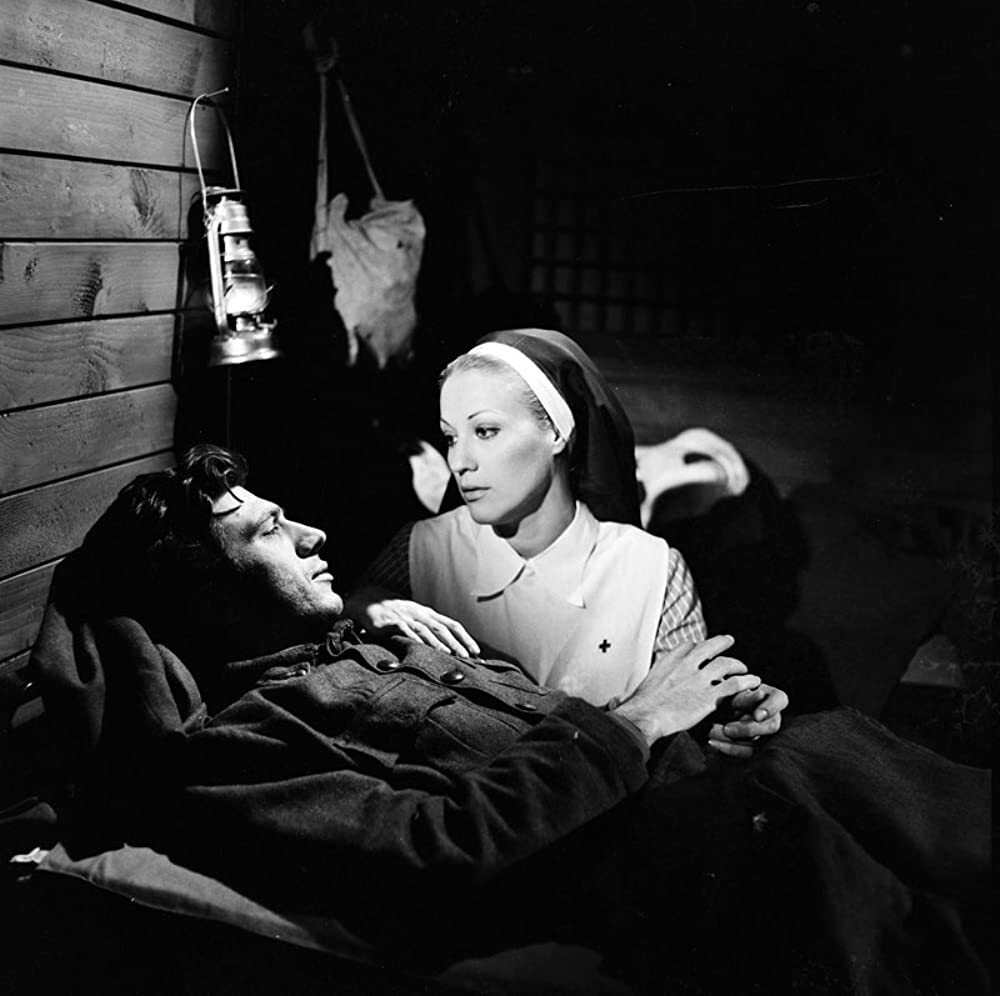
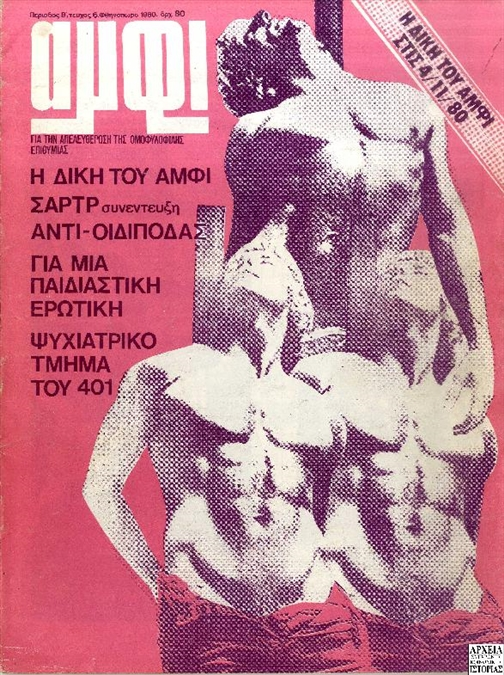
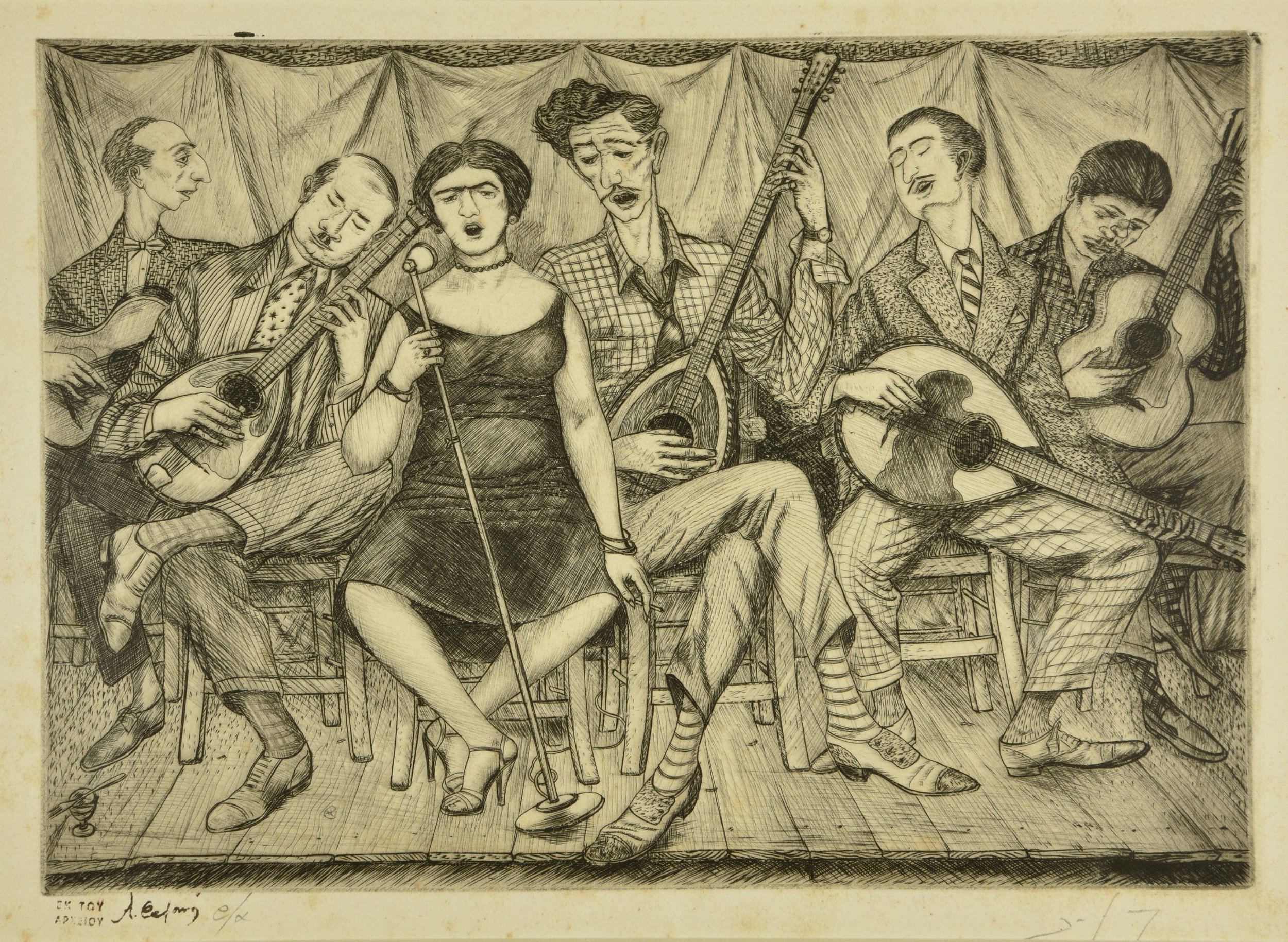
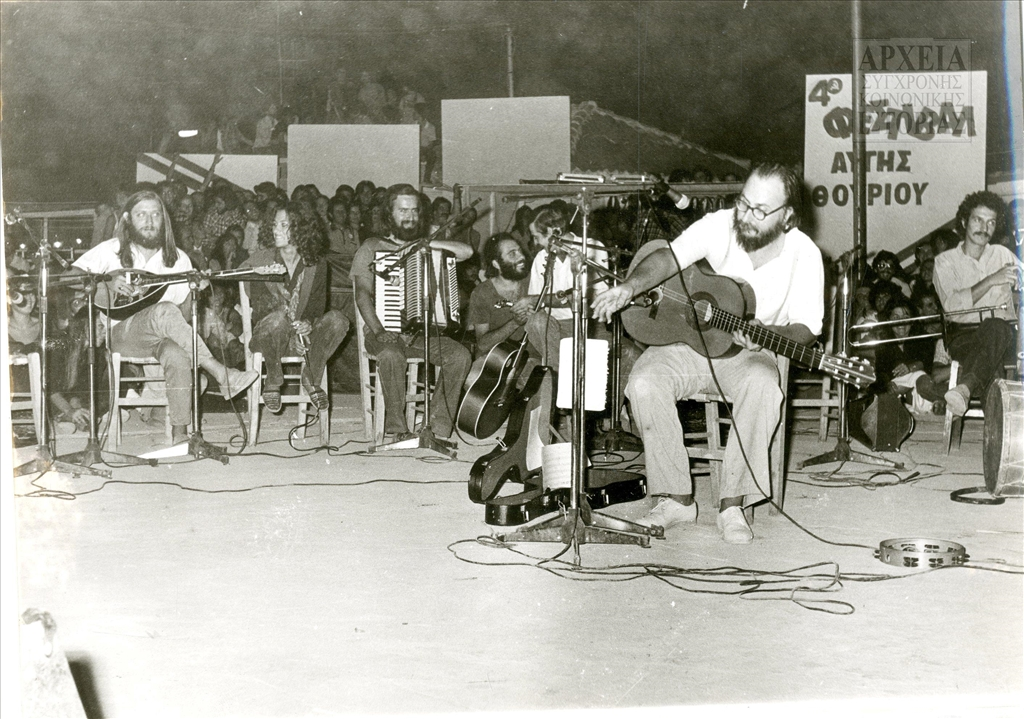
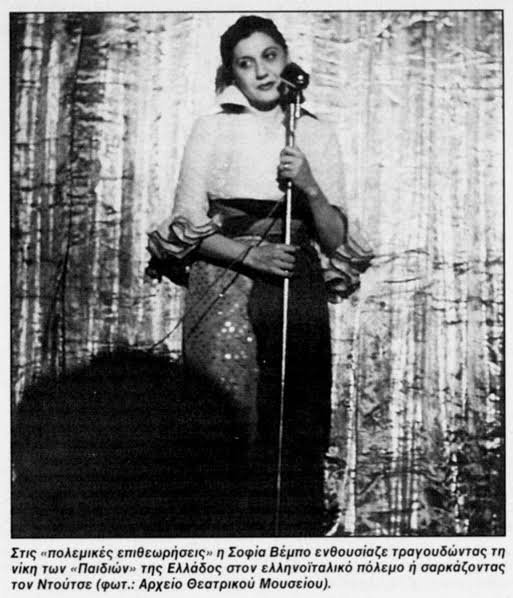
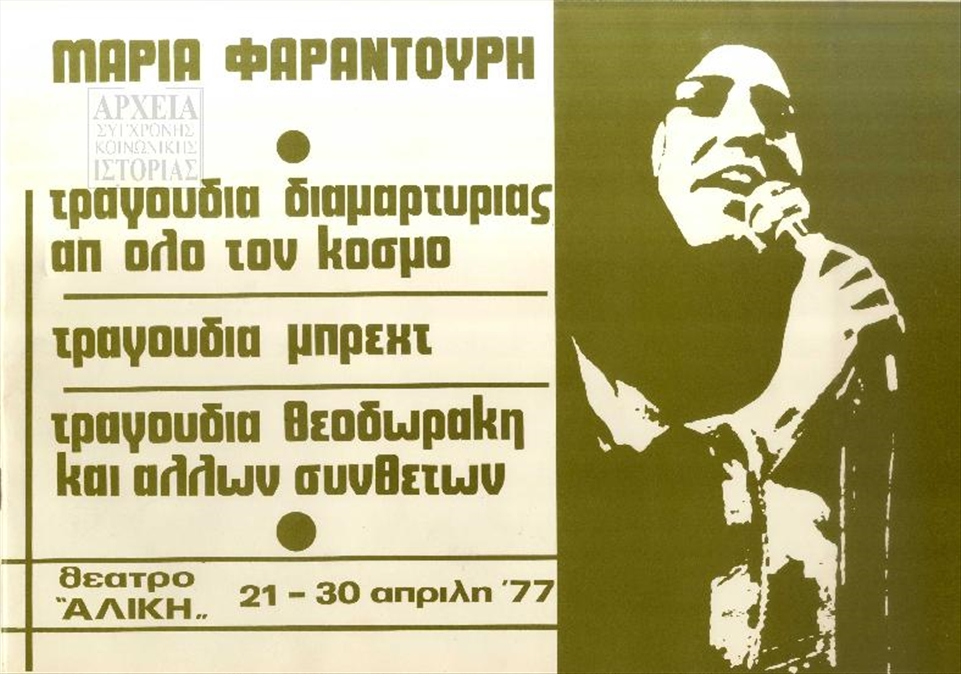
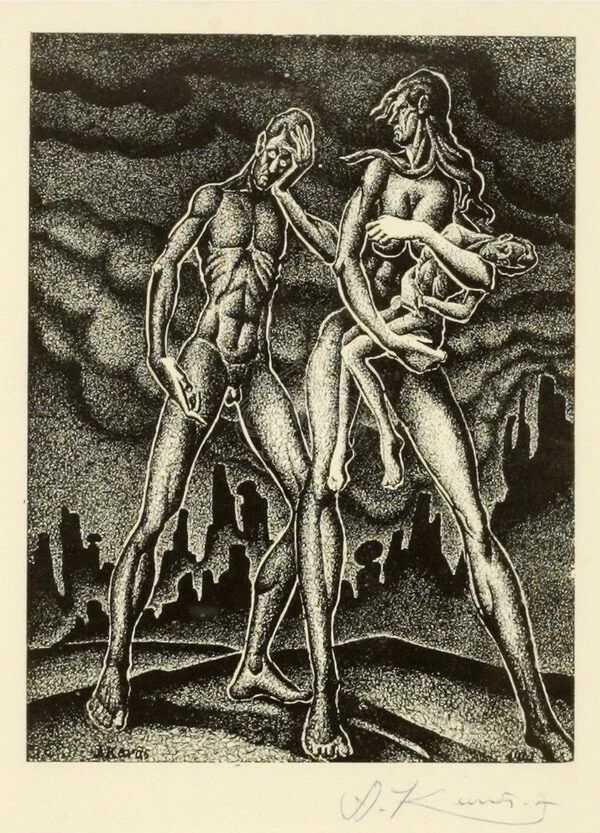
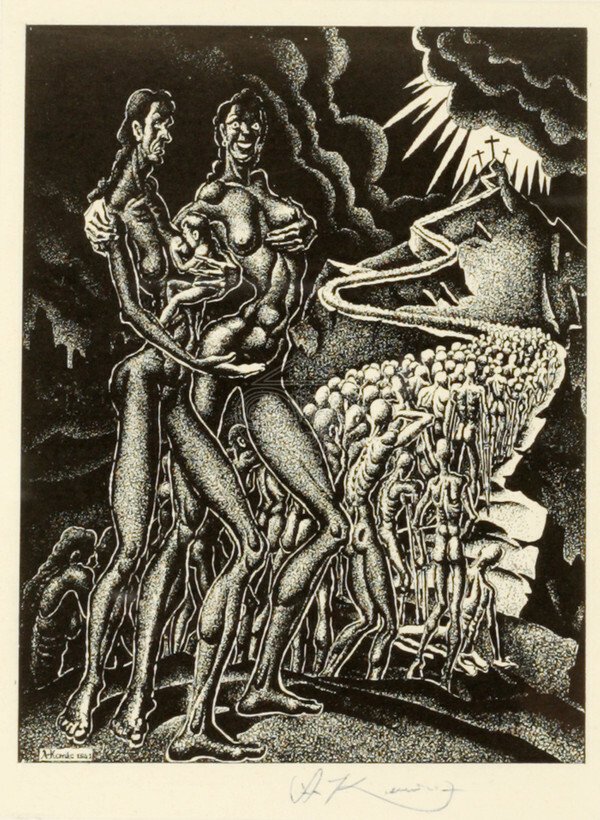
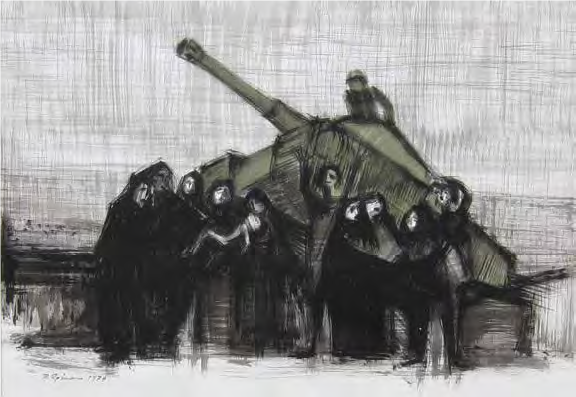
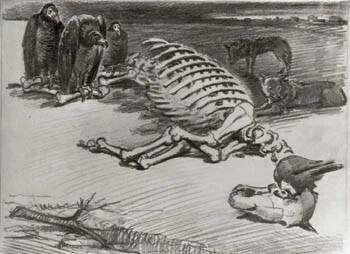
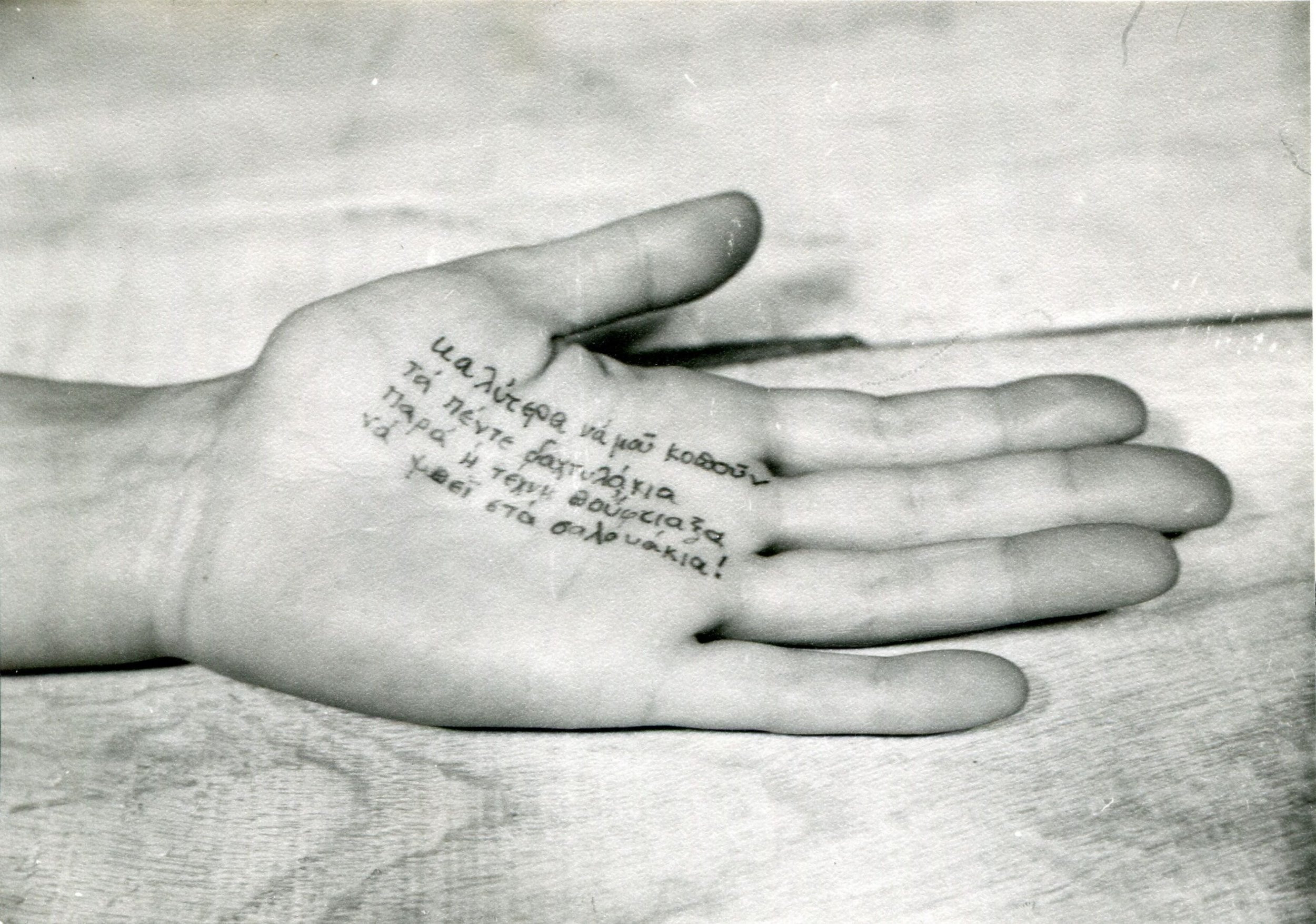
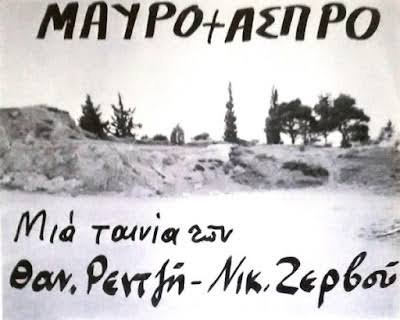
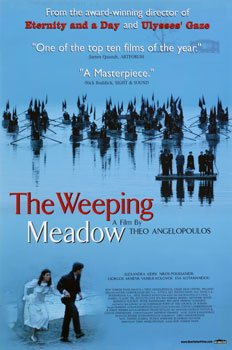
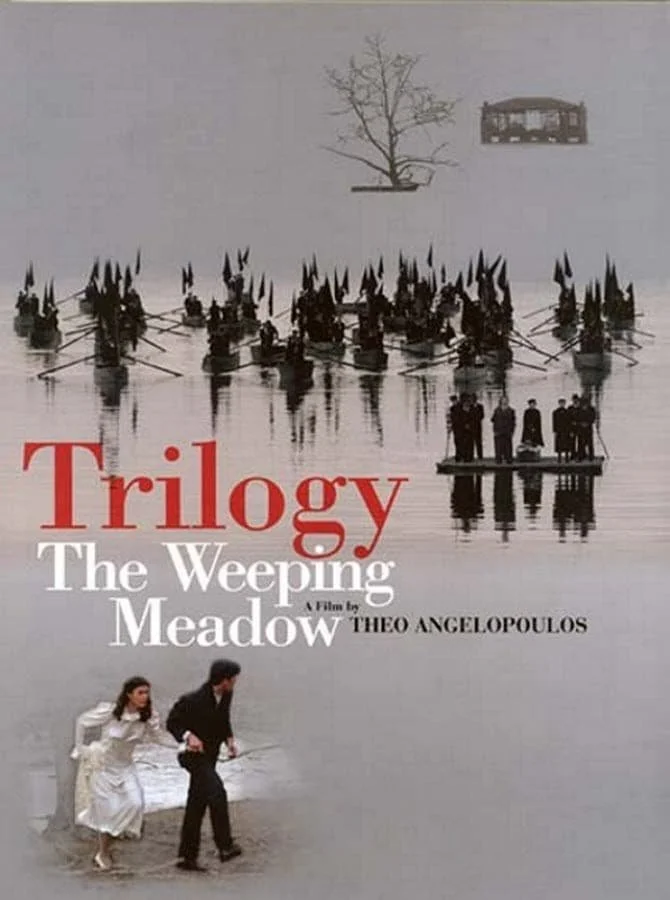
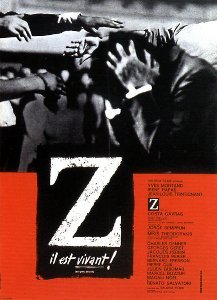
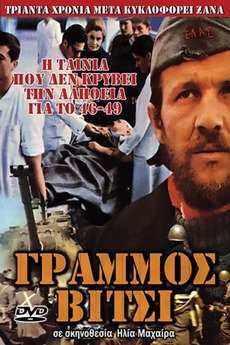
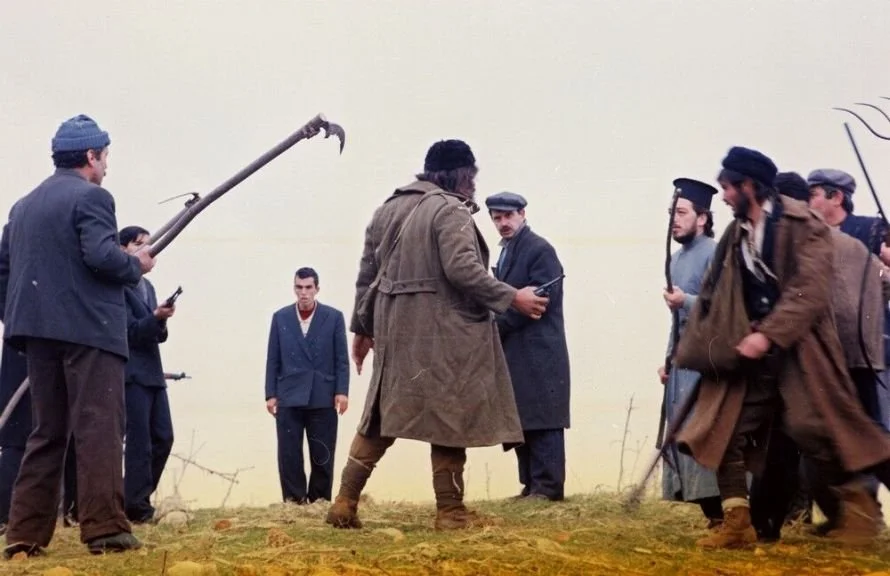
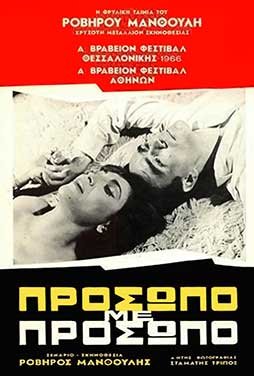
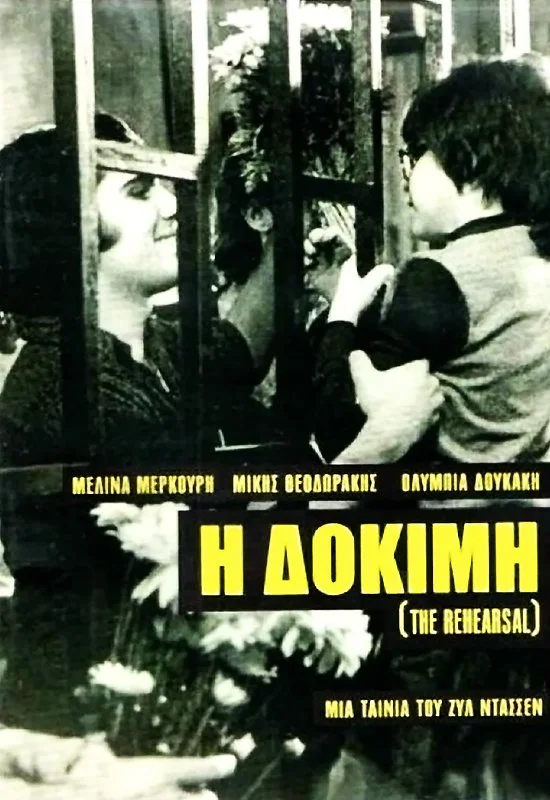
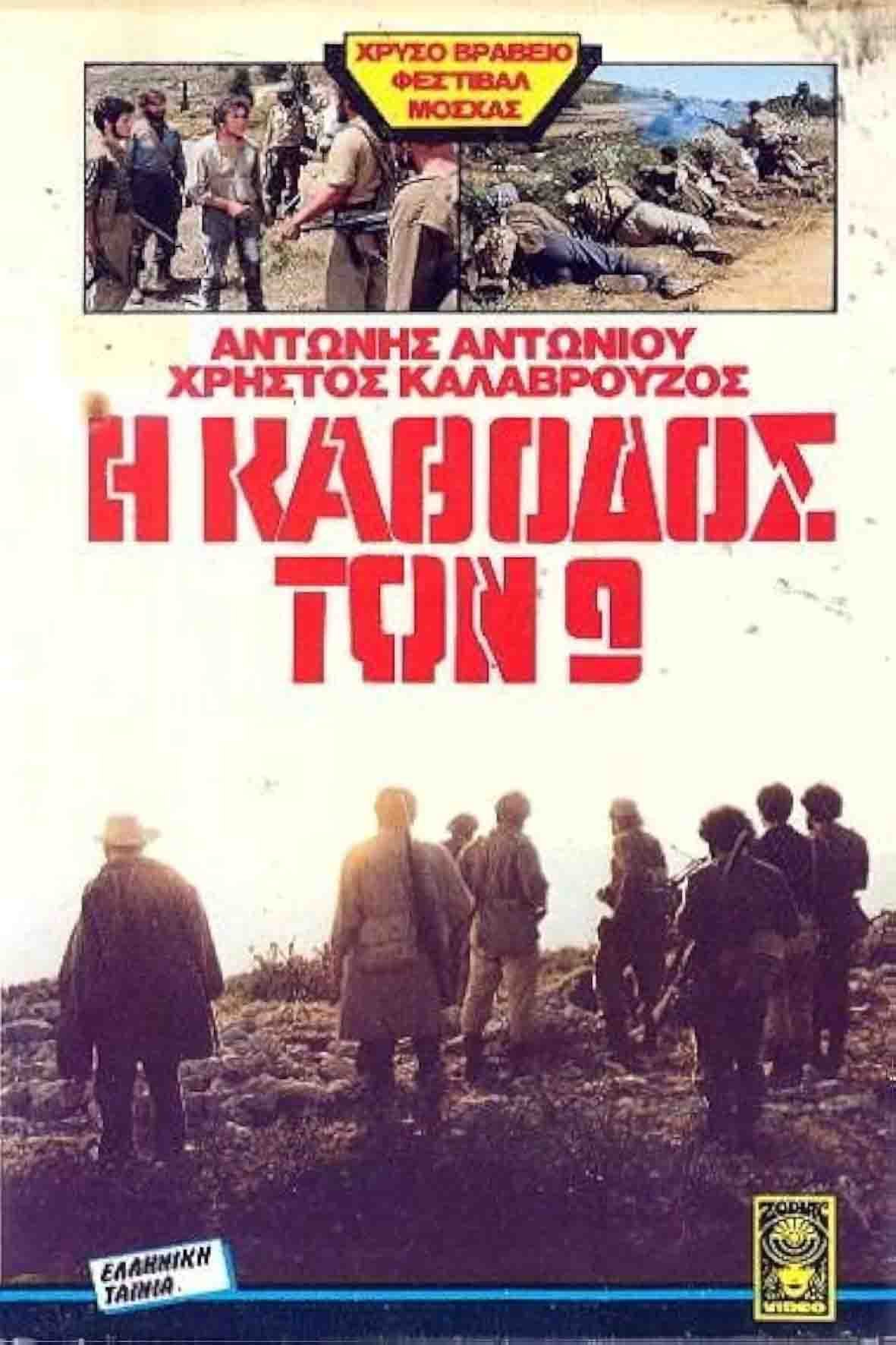
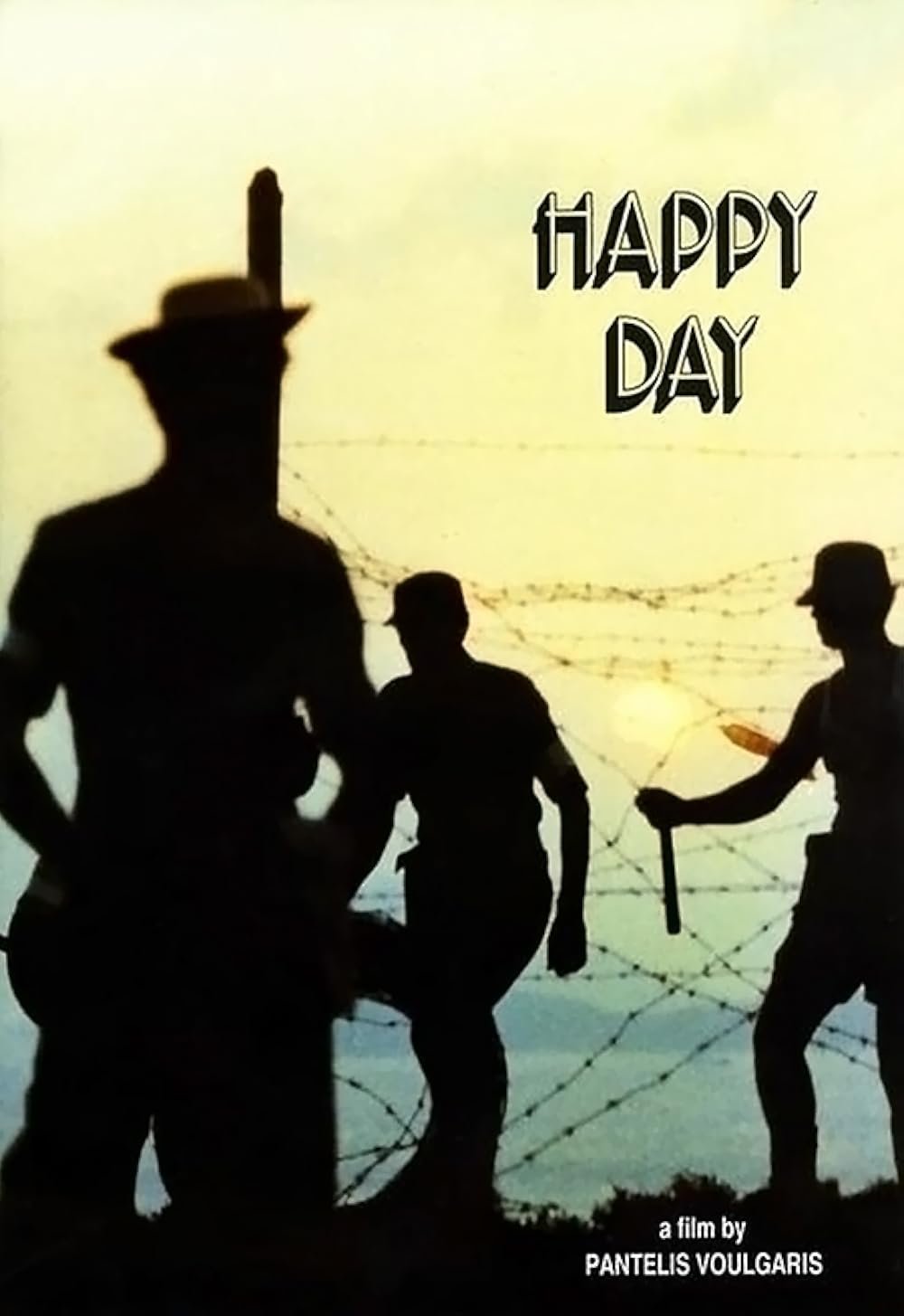
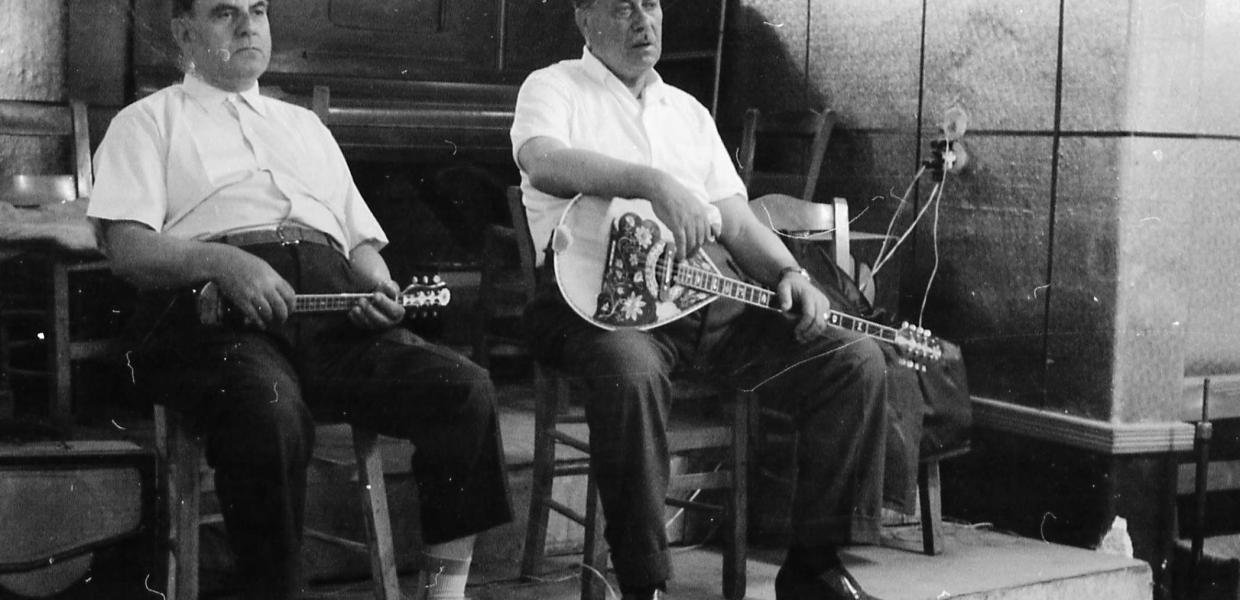
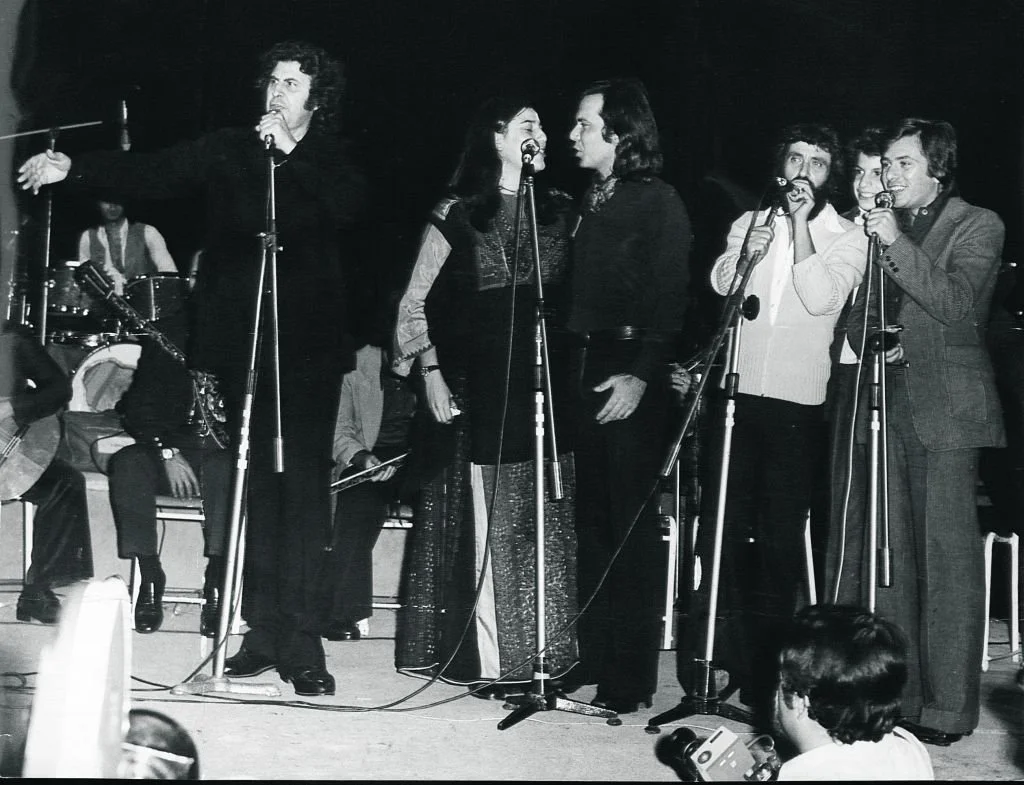
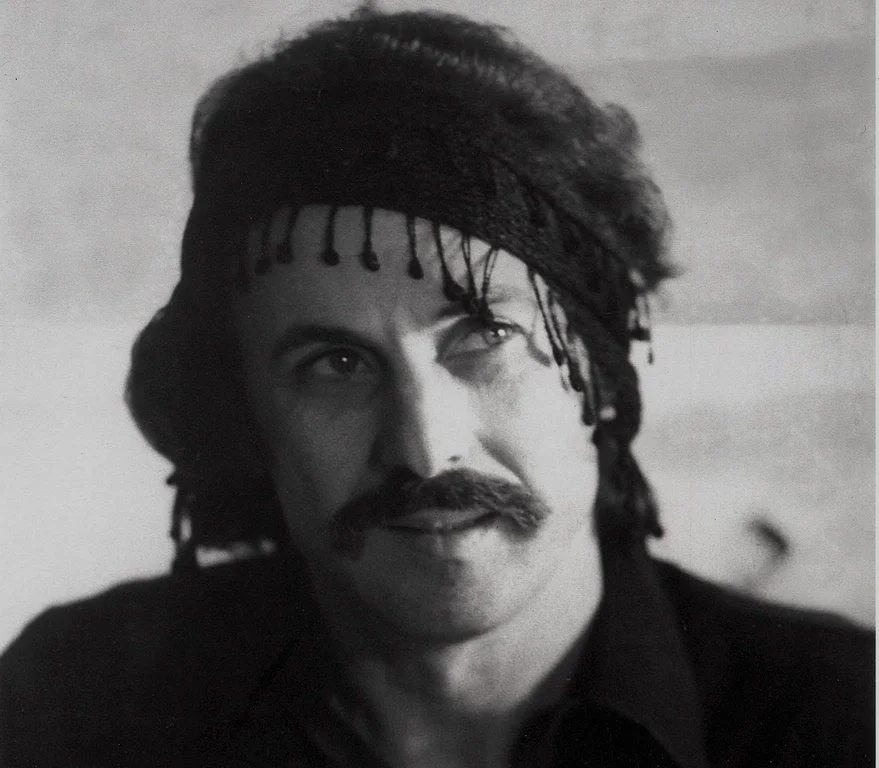
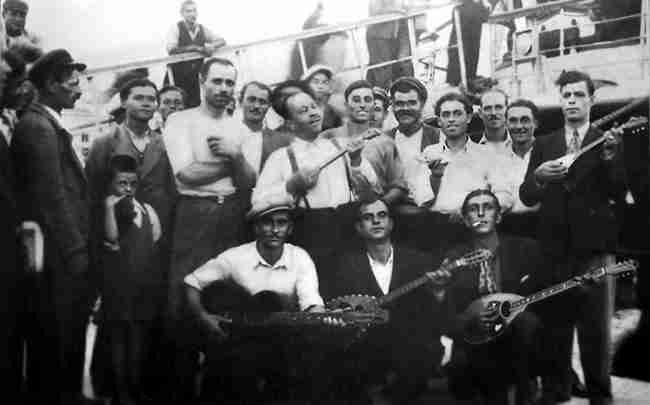
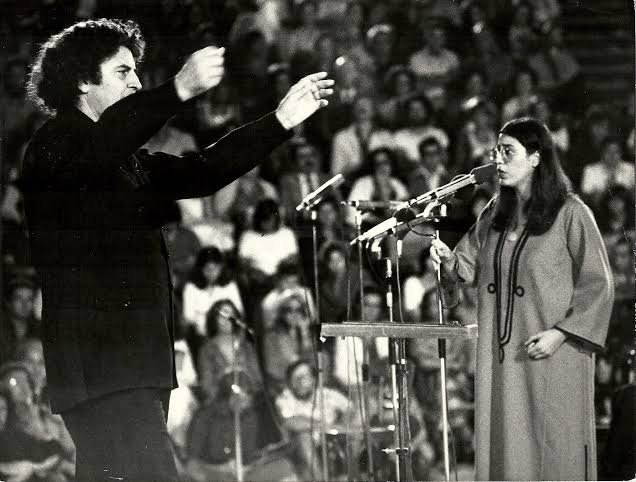
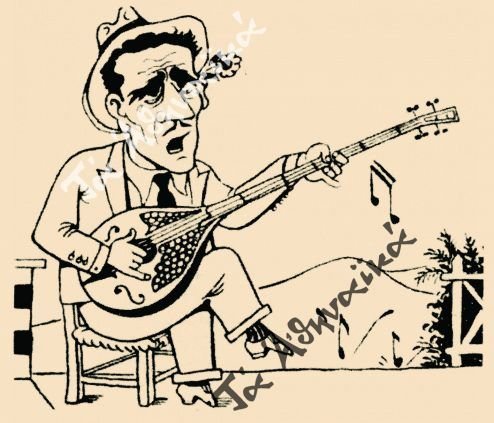
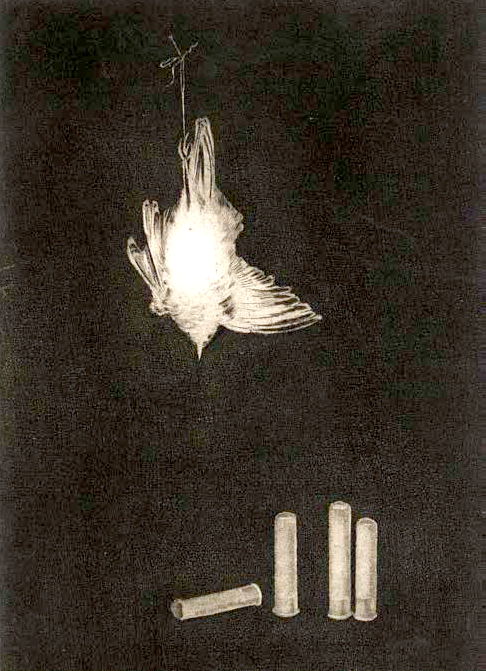
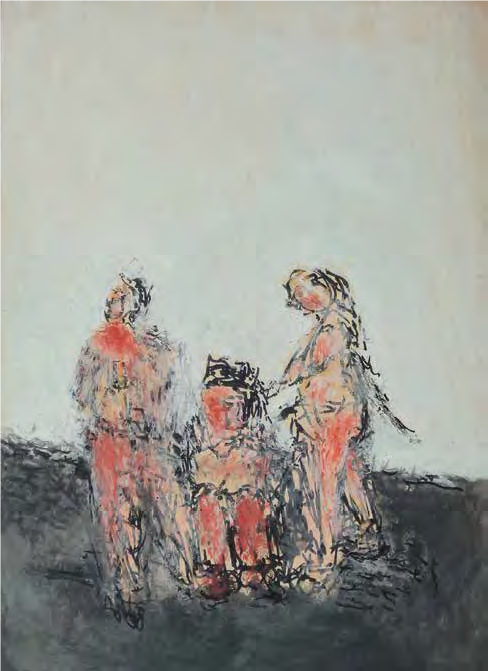
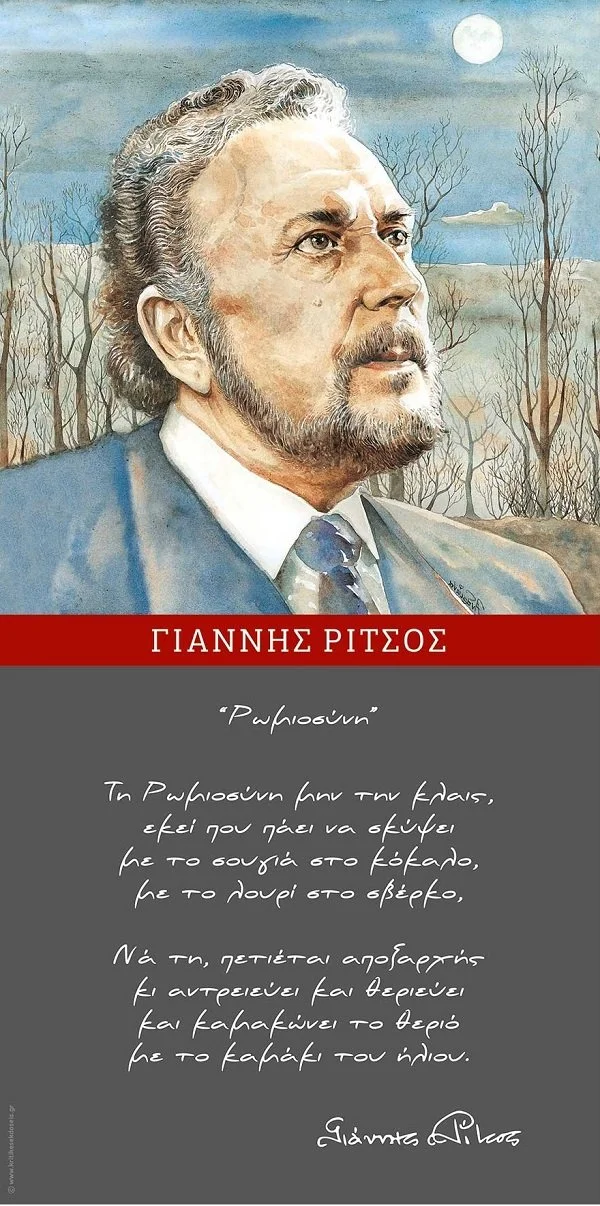
Art serves to highlight the messages humanity needs to rediscover its path and fight for its ideals. Works from the realms of theater, cinema, painting, music, and poetry showcase the grandeur of Art—which, in times of hardship, can act as a light at the end of the tunnel.

Interviews
in Greek with English subtitles
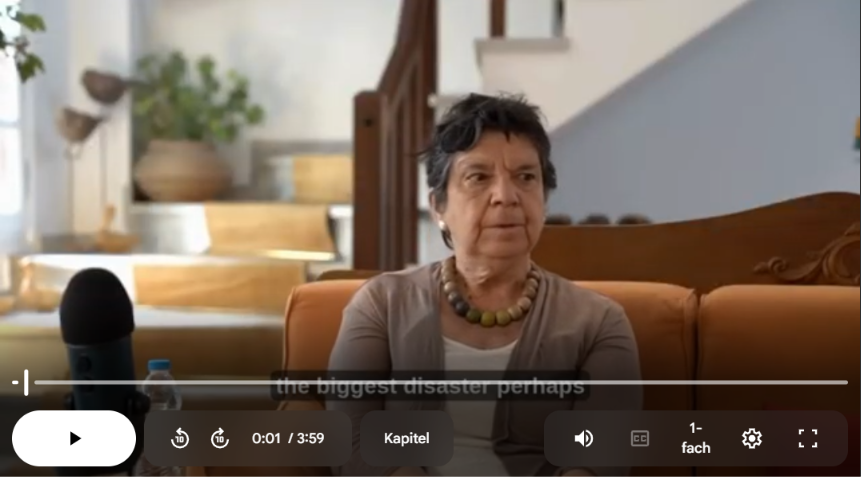
The video is featuring Maria Efthymiou, professor at the University of Athens, who explains the challenges spanning from the German Occupation and the Civil War through to the present day.
The audio recording is featuring three women who resisted the Dictatorship and took part in the student uprising at the Polytechnic University. They were pursued, arrested, and tortured, yet they remained steadfast in their values.
Audio Archives
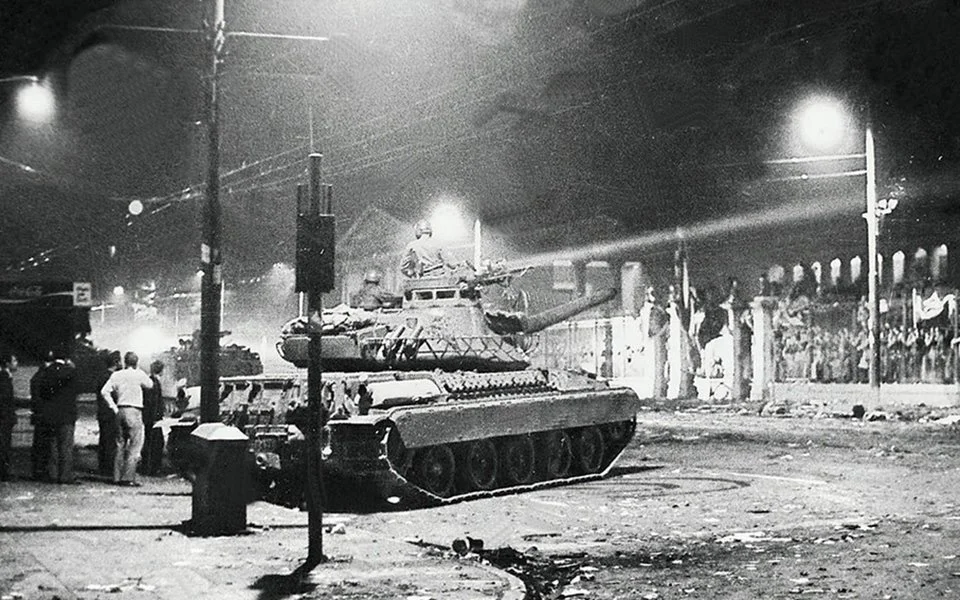
Audio recordings from the period of the Dictatorship (1967– 1973). This folder contains archival material from the night of November 17, 1973, when a tank and soldiers stormed the Polytechnic University. Among other things, one can hear the students’ plea for peace, the recitation of the National Anthem, the slogans and chants of the time, as well as speeches by the dictator that reveal his authoritarian nature; the audio also includes the sound of gunfire and messages of support broadcast via German radio.
Archival Videos
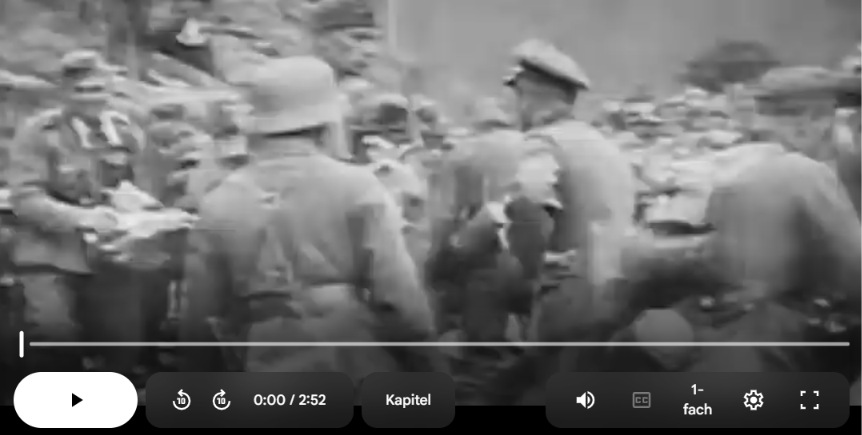
1. Historical footage of the German invasion of Athens
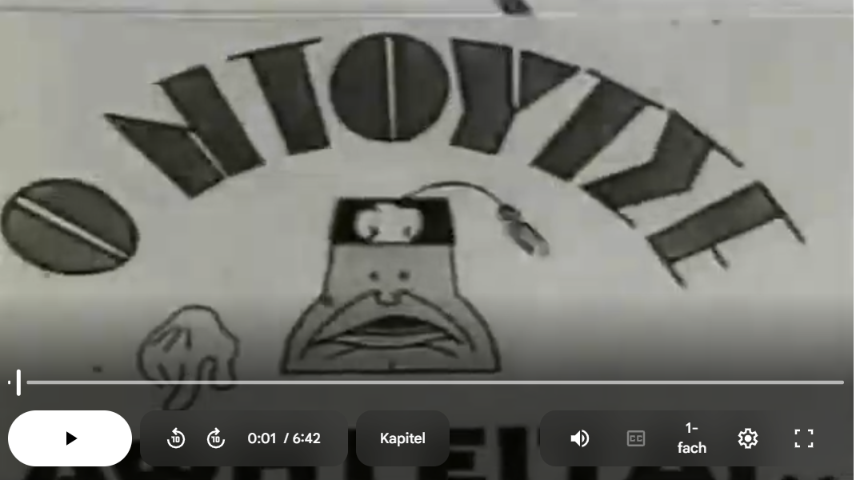
3. Il Duce Narrates is a Greek animated short film from 1945. It is the first Greek-produced animated film, created during World War II to satirize the defeat of the Italian dictator Benito Mussolini ("Il Duce") in the Greco-Italian War
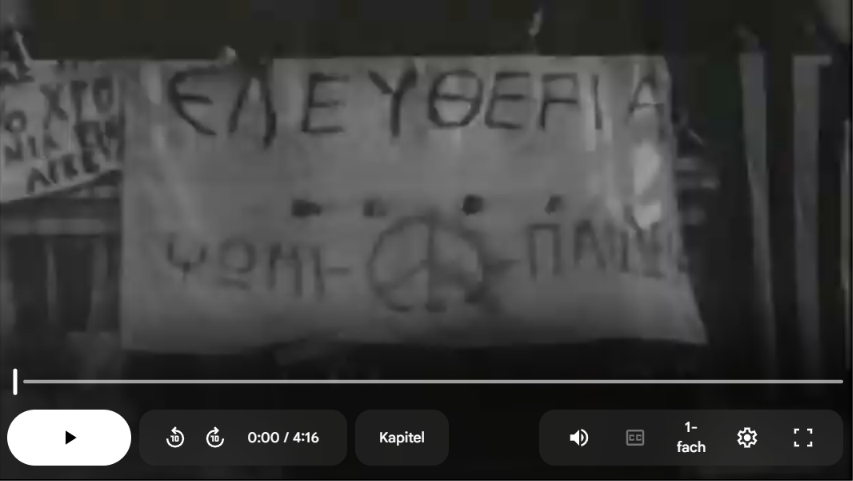
5. In video no.5, we see footage of the student uprising in November 1973 and the entry of a tank into the Polytechnic University grounds.
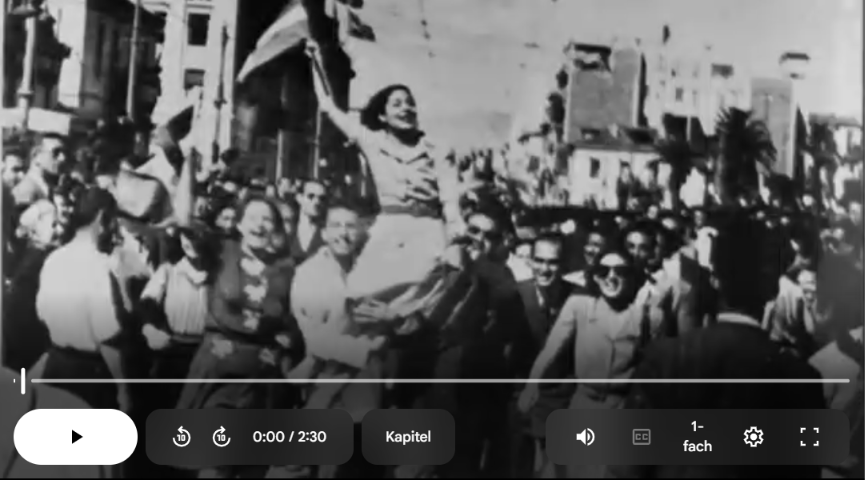
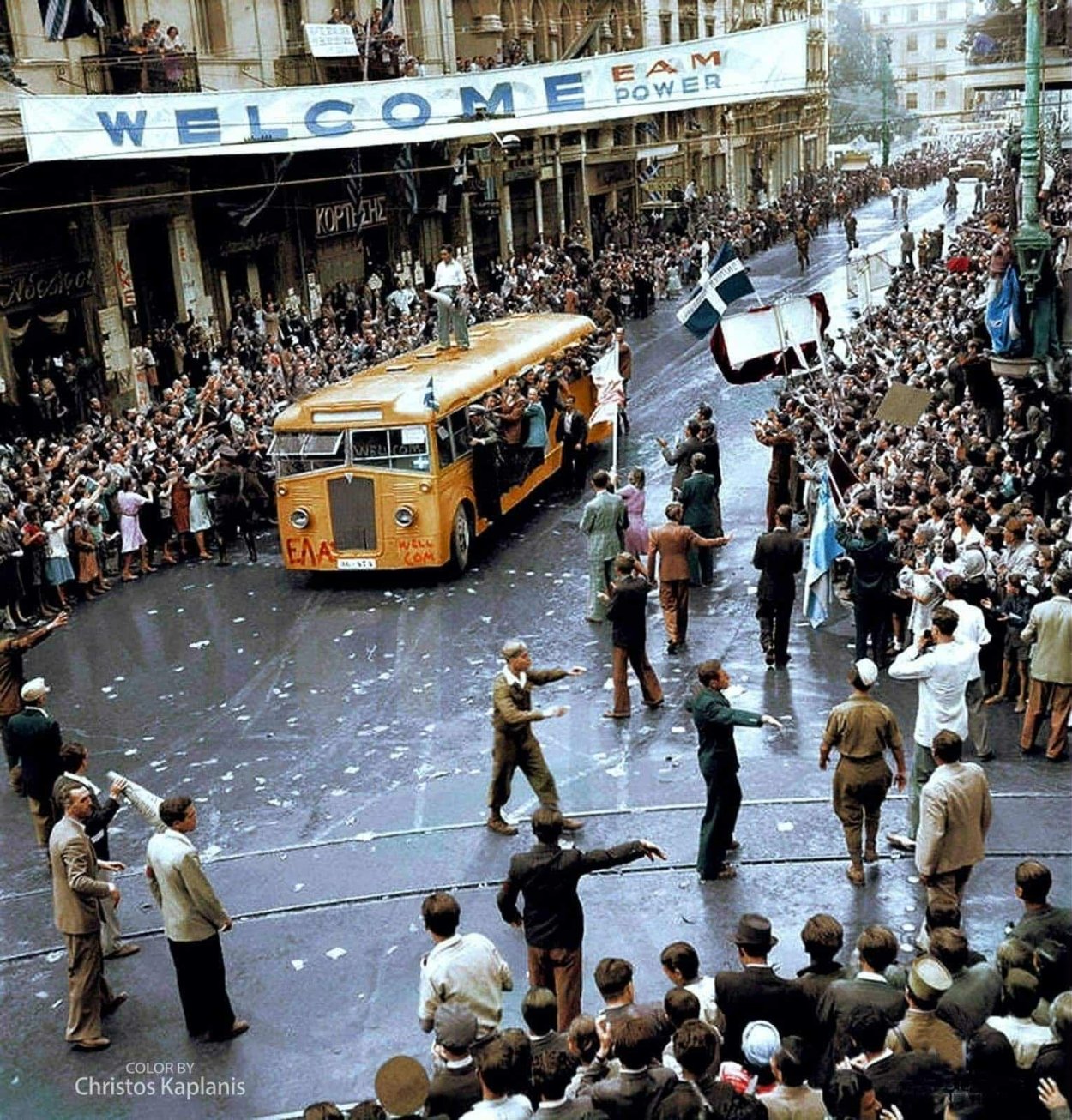
2. The day of the Liberation, and the celebratory atmosphere that prevailed
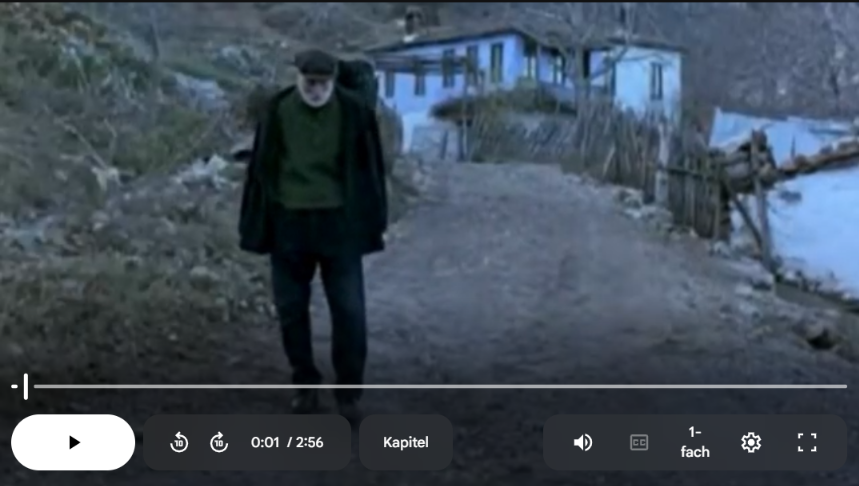
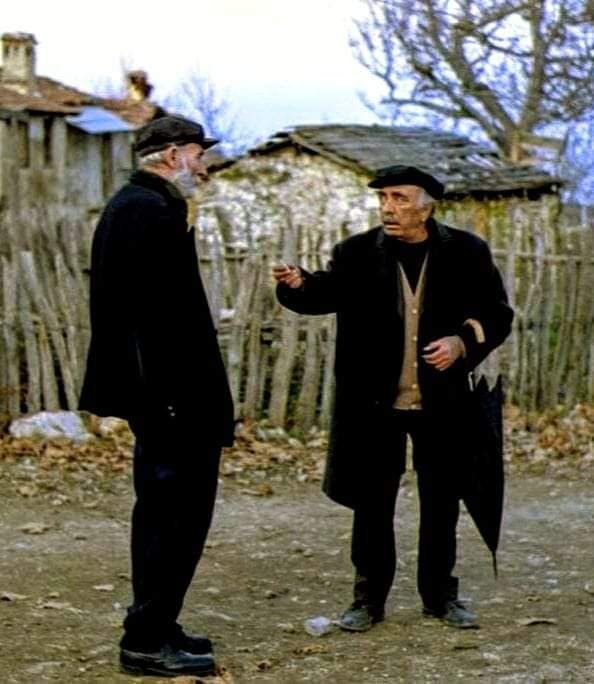
4. In the excerpt from the film Voyage to Cythera, a chance encounter takes place between Spyros—an old communist exile returning to his homeland— and Antonis, a local "patriot" who serves as the village president. It encapsulates the entire trauma of the Civil War. It symbolizes the unyielding conflict between two opposing worlds and the inability of Greek society to truly reconcile with its post-Civil War past.
6. Finally, video no.6 presents the Greek path during the period after the Dictatorship, with the accession to the then EEC—and subsequently the European Union—, the challenges facing Greek society, and the major achievements of the Greek people.
Related articles, events, reports
Further material
More coming soon…
-
Music: Mikis Theodorakis
Poetry-Unpublished Travelogue: Iakovos Kambanellis
Concept-Research-Screenplay: Aristarchos Papadaniel
Narration-Performance: Aristarchos
Cello-Arrangement: Aris Zervas
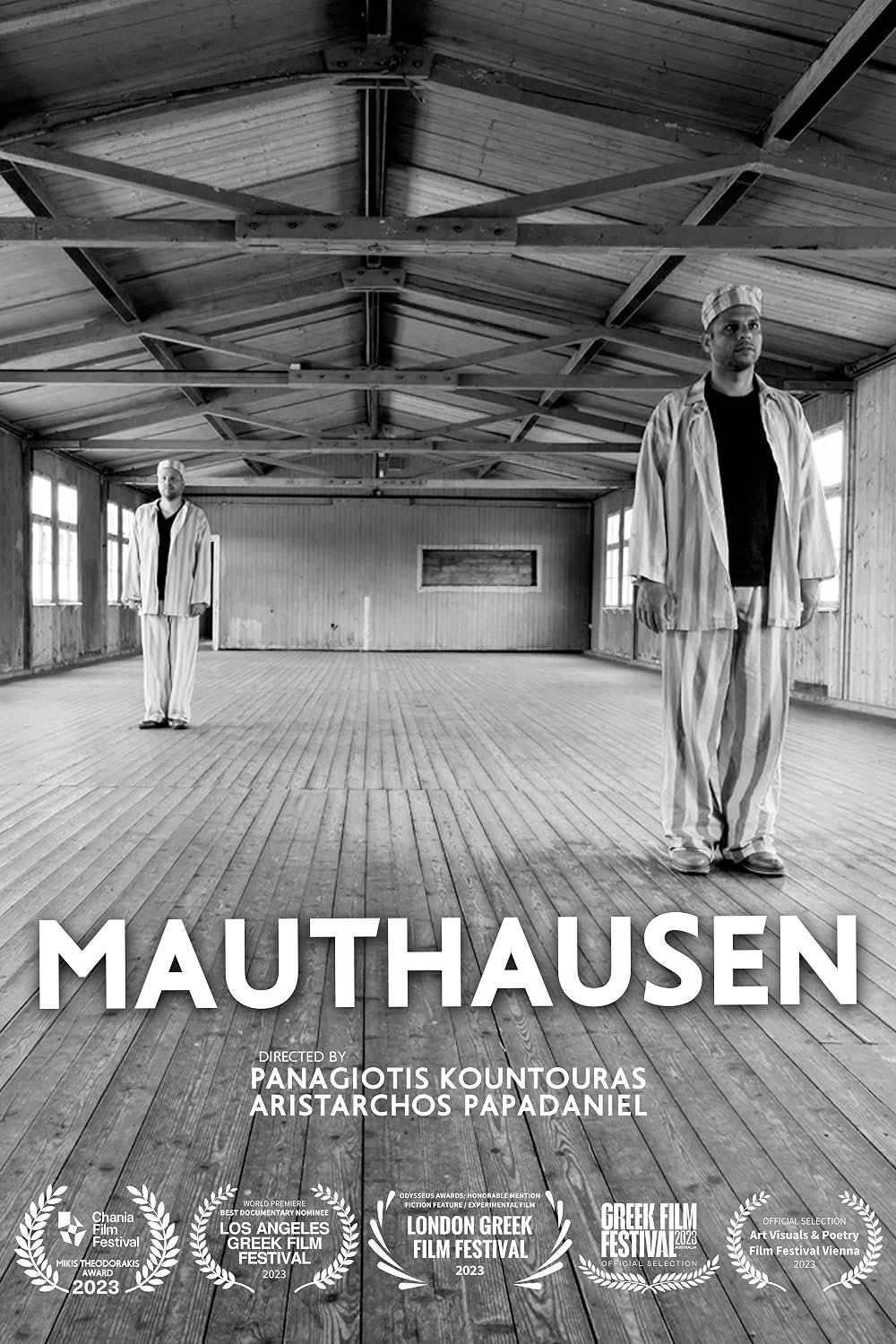
Directed by Panagiotis Kountouras, Aristarchos Papadaniel
Produced by Syllipsis Ltd., 2023

Funded by the European Union. Views and opinions expressed are however those of the author(s) only and do not necessarily reflect those of the European Union or European Commission. Neither the European Union nor the granting authority can be held responsible for them.
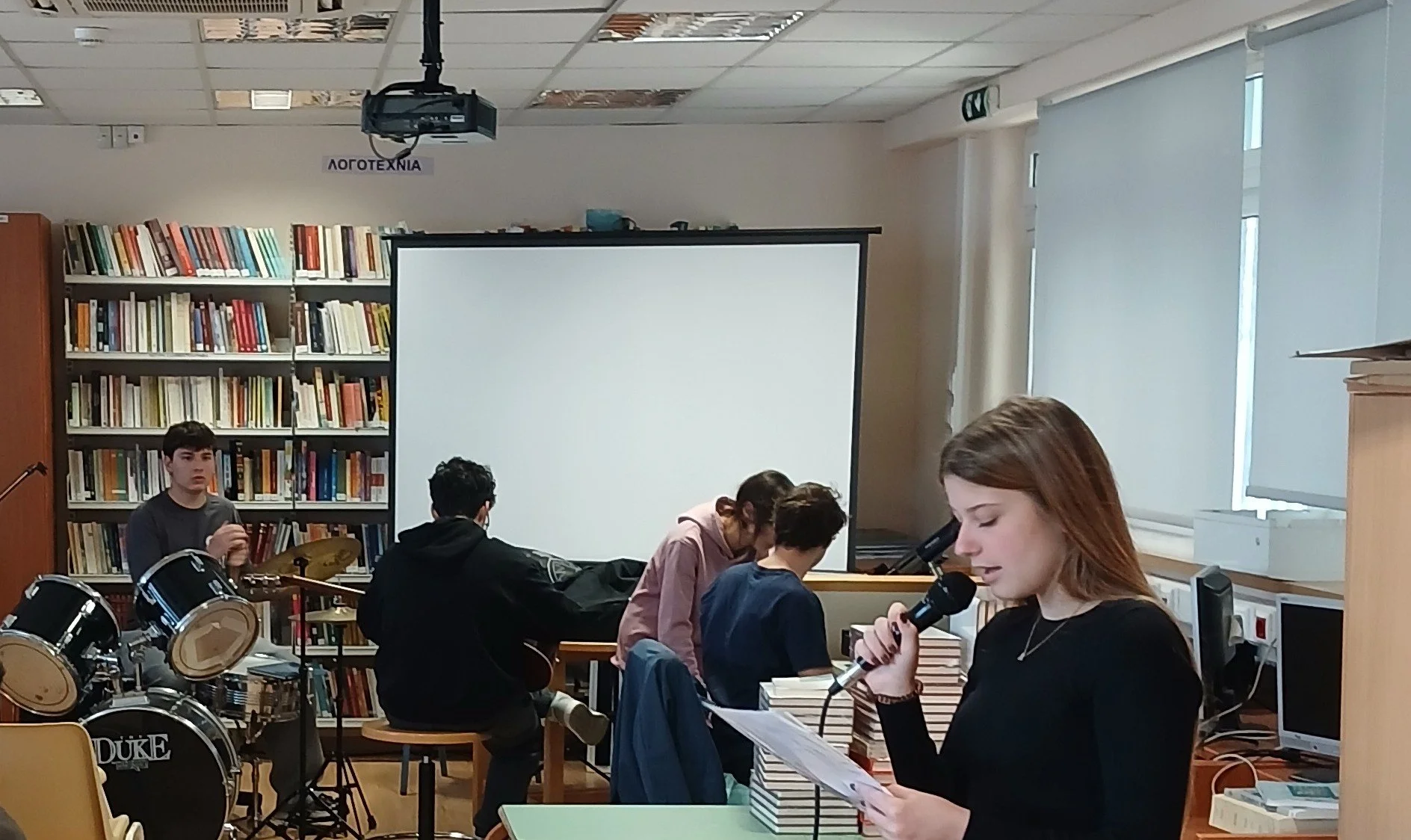
The Greek local path, developed by European Expression, links historical struggles for freedom with today’s experiences of migration and inclusion. Visits to memory sites meet the testimonies of refugees and migrants who have settled in Greece in recent years. Together they invite reflection on solidarity, dignity and civic responsibility, and on how Europe can remain a shared space of justice and democratic values.